




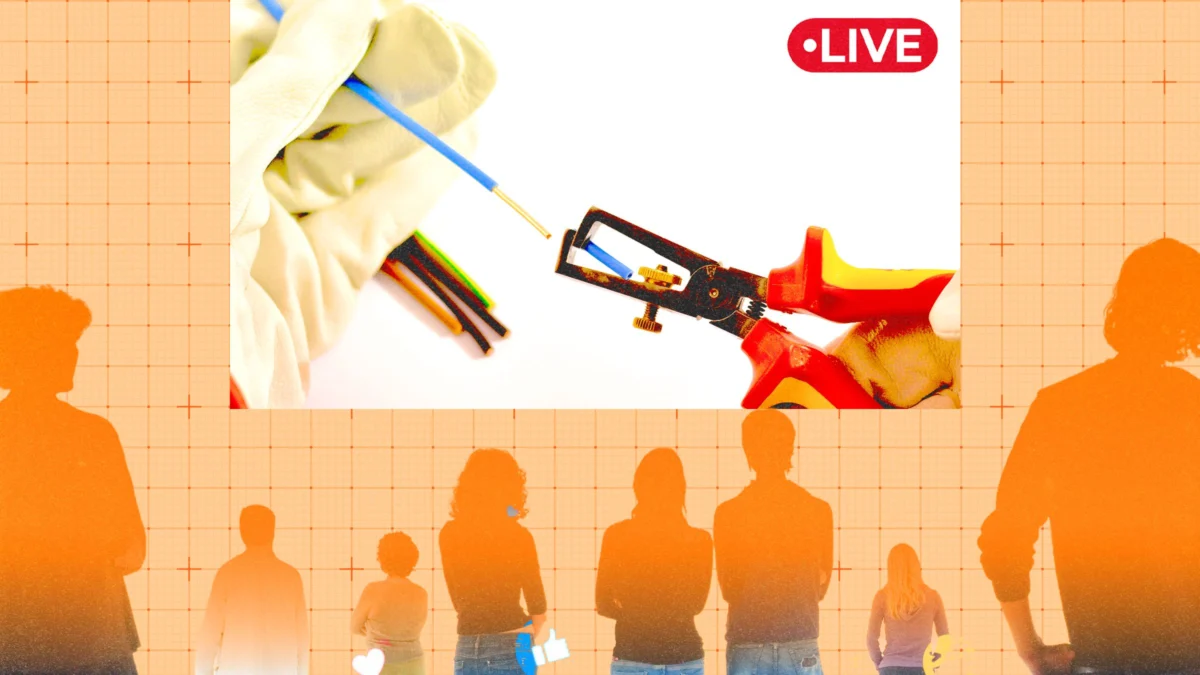
The digital marketplace of short-form video content has cultivated an unexpected and highly lucrative niche: the meticulous, visually hypnotic process of stripping and recycling scrap copper wire. Across platforms like TikTok, creators representing a broad demographic cross-section are sharing time-lapses, tutorials, and DIY projects centered around transforming discarded electrical cords, industrial cables, and obsolete appliances into glistening amber metal. This trend is more than just a passing social media curiosity; it intersects with a historic surge in global commodity prices, changing economic pressures, and the aggressive monetization mechanisms of modern e-commerce.
Main Facts of the Copper Content Boom
The phenomenon features creators speaking multiple languages—including English, French, Spanish, German, and Romanian—engaging in the laborious task of processing scrap metal. Videos typically feature a standardized visual formula: a complex, discarded appliance is methodically dismantled, or a heavy industrial wire is split open to reveal pristine copper strands inside.
While some participants are professional electricians or seasoned hobbyists using the content to supplement their income, others include teenagers and individuals experiencing economic distress. The content ranges from casual hobby vlogs to structured financial campaigns. For instance, creators frequently utilize specialized mechanical tools known as wire strippers, which ingest insulated cords and cleanly separate the valuable metal from its plastic or rubber exoskeleton.
The popularity of these videos has directly fueled commercial success for accessory manufacturers. Sales of compact, tabletop wire strippers have surged globally through integrated features like TikTok Shop, with top-selling models moving tens of thousands of units. Affiliates marketing these tools often highlight their financial utility, pitching them as investments that can pay for themselves within hours of operation.
Chronology and Market Catalysts
The viral momentum of the copper-stripping trend coincides directly with unprecedented fluctuations in the global metal markets. Historically, copper has been prized for centuries due to its relative scarcity, high electrical conductivity, and infinite recyclability. However, the economic landscape shifted dramatically in the mid-2020s.
According to data from the International Monetary Fund (IMF), copper values escalated sharply, reaching an all-time high in September. During that month, the metal traded at approximately $14,473 per metric ton—roughly $7.23 per pound—representing more than double its valuation from September 2020. This historic high was heavily influenced by broader macroeconomic factors, including tariff uncertainties and shifting global trade policies.
As market values climbed, the financial incentive for independent recycling expanded. Creators began documenting long-term projects tied to these high prices. For example, prominent creator Courtney (@Courtney2291) began a documented initiative earlier in the year to harvest and strip enough copper to achieve a $20,000 savings goal for a residential property. Sourcing discarded wire from family members, local scrap yards, and online marketplaces like Facebook Marketplace, she processed material almost daily. On October 10, slightly over six months after launching the project, she announced the successful completion of her fundraising objective.
Supporting Data and Economic Realities
A closer examination of scrap collection reveals a fascinating disconnect between physical metal yields and digital content earnings. Financial disclosures from creators highlight that the actual monetary value derived from selling physical copper is often dwarfed by platform-generated revenue.
In Courtney’s case, a scrap yard receipt shared with her audience indicated that she earned a modest $99 after selling 30 pounds of meticulously stripped copper accumulated over six months. Conversely, a single TikTok video documenting her journey racked up 6.8 million views, generating an estimated $1,446 in creator fund revenue—more than fourteen times the profit earned from the physical metal itself. Recognizing this dynamic, many creators view the labor-intensive process of wire stripping not merely as a primary source of income, but as a compelling visual hook designed to capture algorithmic engagement and drive advertising or affiliate commissions.
Other prominent accounts, such as those operating under pseudonyms like "King of Copper" and "Queen of Copper," have scaled the concept up. These creators focus on large-scale processing, purchasing massive crates and trunks filled with hundreds of pounds of old wire. King of Copper notably launched a multi-month challenge to collect, process, and sell one full ton of copper. Detailed breakdowns of his labor—such as spending five hours dismantling a 110-pound air conditioner to extract roughly seven pounds of metal valued at $47—provide audiences with a granular look at the true sweat equity required in professional-grade scrapping.
Official Responses, Legal Frameworks, and Theft Correlations
The surge in scrap metal harvesting has drawn the attention of economists and criminal justice researchers, who monitor the industry for broader societal implications. Dr. Craig Depken II, an economics professor at the University of North Carolina, Charlotte, has extensively studied the economics of scrap metal and notes that illegal metal theft correlates strongly with two distinct variables.
The first variable is a rising market price for metals like copper, which provides a powerful financial incentive for theft. The second is heightened economic distress within local populations, which can alter an individual’s perception of the risks associated with stealing infrastructure materials, such as plumbing, vehicle parts, and building wiring. While selling lawfully obtained scrap metal is legal across the vast majority of the United States—with the notable exception of Minnesota, which implemented a stringent statewide copper wire licensing law—law enforcement agencies remain vigilant against opportunistic theft driven by high market values.
Academic researchers, including Dr. Benjamin Stickle of Middle Tennessee State University and author of Metal Scrappers and Thieves, categorize legal scrappers into distinct groups: individuals striving to make ends meet, trade workers repurposing job-site scrap, and community groups raising funds for charitable causes. Electricians and tradespeople heavily populate the creator space, leveraging their professional access to offcuts and decommissioned infrastructure.
Broader Impact and Industry Implications
Beyond individual side hustles, the copper-stripping ecosystem has fostered a sprawling digital sales network. Affiliate marketers, such as the creator behind @Dragonslayer_Industries, have capitalized on the trend by promoting wire-stripping equipment to a curious public. According to creator disclosures, affiliate commissions on these niche mechanical tools have frequently generated steady daily sales, outperforming expectations for such a specialized category.
However, the human-driven marketplace of influencer marketing faces increasing competition from automated content. The landscape for wire-stripper advertisements on social media platforms now features a significant volume of artificial intelligence-generated imagery and synthesized voice-overs, frequently utilizing uniform scripts promising exaggerated weekly returns from scrap collection.
Offline, the reality of scrapping remains distinctly communal. While digital platforms present the activity as a solitary endeavor undertaken in a quiet workshop, academic fieldwork reveals that traditional scrappers frequently operate in collaborative networks. These offline communities share transport resources, split profits from large hauls, and occasionally distribute surplus metal or aid to vulnerable members within their local orbits. As long as global commodity prices remain elevated and digital platforms reward niche industrial content, the intersection of heavy metal recycling and social media engagement will continue to evolve.