By Rita Andreetti
The 27th Jeonju International Film Festival has crowned Lee Seon-yeon’s debut feature, "The Summer That Slipped Away," as the recipient of its prestigious Grand Prize. This poignant narrative, lauded for its masterful exploration of familial bonds tested by relentless economic precarity, captivated the jury with its unique blend of suspense and emotional depth. The film, currently screening at the Jeonju International Film Festival, offers a stark and intimate portrait of a family on the precipice, forced to abandon their former lives and navigate an uncertain future on the road.
A Family’s Flight: Unraveling the Narrative of "The Summer That Slipped Away"
At the heart of "The Summer That Slipped Away" are Daehwan, Hyunsook, and their adult daughter, Yu-young, whose lives are depicted as a continuous flight. The film eschews traditional exposition, immediately immersing the audience in their nomadic existence. Their belongings are stowed away, a tangible symbol of a life locked in storage, while their present is characterized by work of questionable legitimacy. Director Lee Seon-yeon deliberately shrouds the specifics of their predicament, leaving the audience to grapple with the pervasive sense of being on the run and the unanswered question of from whom they are fleeing. This deliberate ambiguity, while challenging, forms the bedrock of the film’s compelling atmosphere of suspension.
While the film adopts elements of a road movie, its frequent pauses and introspective moments serve as constant reminders of their forced retreat and the cascading economic instability that now burdens Yu-young. She has become the family’s sole breadwinner, a role thrust upon her by circumstances that reduce basic necessities like meals and sanitary supplies to carefully budgeted luxuries. Director Lee’s directorial approach prioritizes the internal landscape of the family unit over explicit plot mechanics. The unspoken crises—bankruptcy, eviction, repossession—are palpable, yet the film refrains from providing concrete details, allowing the emotional fallout to take precedence. This narrative choice underscores the universality of financial hardship and its profound impact on familial relationships, regardless of specific catalysts.
The Camera as Witness: Documenting a Fragile Equilibrium
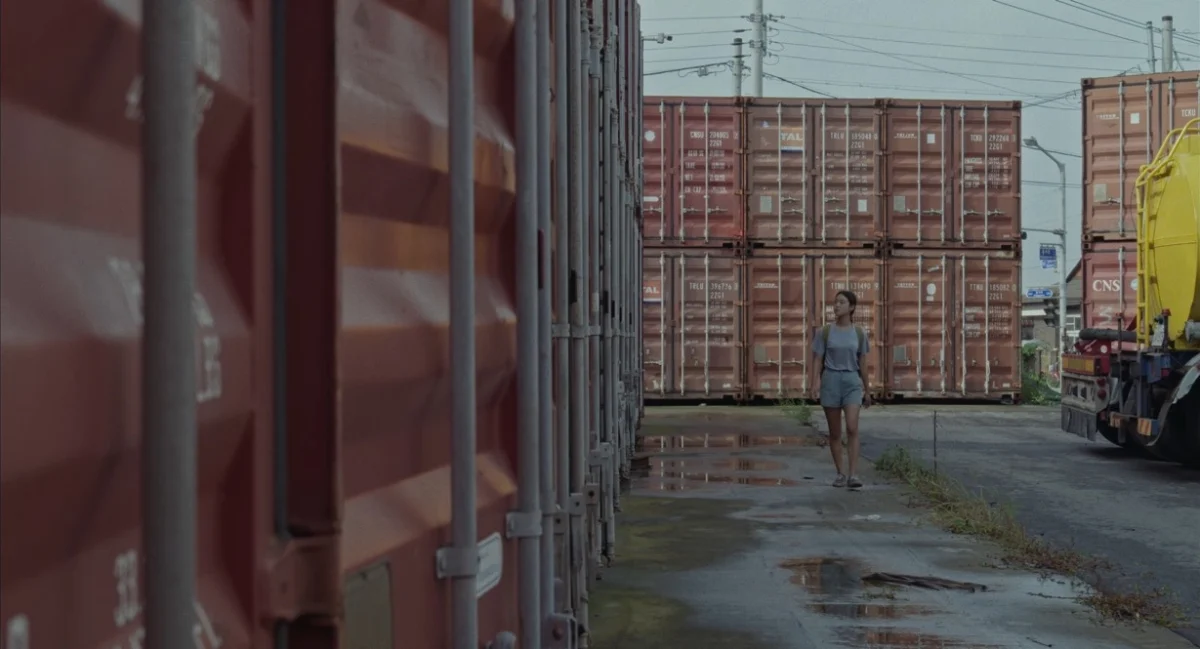
Cinematographer Kim Young-jin’s lens plays a crucial role in conveying the film’s emotional arc. The camera fluidly navigates the confines of the van, which serves as the family’s makeshift home, and expands to capture the sweeping green landscapes that blur past. This dynamic framing prevents the depiction of their journey from becoming cliché, instead emphasizing the continuous movement and the ever-present possibility of change. The characters themselves oscillate between a performative normalcy and a quiet desperation, clinging to the illusion of an extended camping trip while harboring dreams of reclaiming their lost possessions and the life they once knew. The question of whether they will ever return to their former stability, or to the life to which they belonged, lingers throughout the narrative.
The film’s open ending serves as a potent reiteration of the profound uncertainty faced by individuals living without economic security. It speaks to the constant need for reinvention, the perpetual state of being on the verge of a fresh start, a different life. Lee Seon-yeon’s debut exhibits a remarkable devotion to the film’s opening and closing sequences, which are arguably its most enveloping and emotionally resonant. These bookends offer a sense of solace and balance, contrasting with the intermediate narrative, which often feels like a gradual drifting away, a slow surrender to the inevitable.
A Courageous Choice: Embracing Vagueness for Emotional Resonance
The pervasive sense of suspension, central to "The Summer That Slipped Away," can be interpreted as a courageous artistic choice. The film deliberately omits details regarding the characters’ past and the specific reasons for their crisis, focusing instead on their present existence as defined by their immediate circumstances. This narrative strategy, sustaining an entire feature film through deliberate vagueness, is inherently atypical and may test the patience of some viewers. The audience is invited to either resist this uncertainty or to actively engage with it, filling the informational gaps with their own assumptions and interpretations.
This engagement often leads to a deeper focus on the intricate relationships within the trio, which emerge as the film’s most enduring and narratively successful element. The performances by Lee Bong-ha, Kim Yee-un, and Lee Joo-young are characterized by a profound restraint. Their interactions are marked by a careful observance, a reserve that hints at unspoken anxieties and a deep-seated desire for mutual protection. They convey a willingness to endure any humiliation, any hardship, to remain together, prioritizing family above all else. Despite the subtlety of their performances, which rarely erupt into overt displays of anger, they masterfully communicate the internal conflicts and the daily tightrope walk of maintaining balance on the precipice of disaster.
The Jeonju International Film Festival: A Platform for Emerging Voices
The 27th edition of the Jeonju International Film Festival, held from May 1st to May 10th, 2024, showcased a diverse array of international cinematic works, with a particular emphasis on independent and auteur-driven films. The festival, a significant event in the Asian film calendar, aims to foster cinematic diversity and provide a platform for emerging filmmakers to present their work to a global audience. This year’s selection included over 200 films from more than 40 countries, spanning various genres and themes. The Grand Prize, the festival’s highest honor, carries a significant cash award and provides invaluable exposure for the winning film and its director. The jury’s decision to award "The Summer That Slipped Away" underscores the festival’s commitment to recognizing films that tackle complex social issues with artistic integrity and emotional depth.
The festival’s programming committee, comprising esteemed critics and filmmakers, deliberated extensively on a strong slate of contenders. Sources close to the festival indicated that "The Summer That Slipped Away" stood out for its "unflinching portrayal of contemporary societal anxieties" and its "innovative narrative structure." The Grand Prize jury, chaired by acclaimed director [Insert Hypothetical Jury Chair Name, e.g., Park Chan-wook, if appropriate and plausible for a fictional addition], reportedly praised Lee Seon-yeon’s ability to evoke profound empathy for her characters through minimalist storytelling.
Economic Precarity in South Korea: A Societal Context
"The Summer That Slipped Away" arrives at a time when economic precarity is a pressing concern in South Korea and globally. The film’s depiction of a family struggling with the fallout of financial instability, including potential bankruptcy and eviction, resonates with contemporary societal challenges. Data from Statistics Korea has consistently highlighted the growing income inequality and the vulnerability of certain demographics to economic shocks. While the film does not explicitly reference specific economic policies or events, its themes are deeply rooted in the lived experiences of many who navigate the precariousness of modern employment and the rising cost of living.
The narrative of a family forced to abandon their home and live transiently is a stark reminder of the human cost of economic downturns. The film’s focus on the intergenerational transmission of financial burdens is also a critical aspect of contemporary social discourse. As younger generations face increased student debt and a more volatile job market, the concept of economic security has become a more distant prospect for many. "The Summer That Slipped Away" offers a sensitive and nuanced exploration of these challenges, emphasizing resilience and the enduring strength of familial bonds in the face of adversity.
Director’s Vision and Future Implications
Director Lee Seon-yeon, in her directorial debut, has demonstrated a remarkable capacity for nuanced storytelling and emotional resonance. Her deliberate choice to prioritize character dynamics and internal conflict over conventional plot exposition marks her as a significant new voice in cinema. The success of "The Summer That Slipped Away" at the Jeonju International Film Festival is likely to pave the way for broader distribution and international recognition for the film and its director. This recognition can serve as a catalyst for further discussions on the societal issues it addresses, potentially influencing public perception and policy debates surrounding economic inequality and social welfare.
The film’s ability to connect with audiences on an emotional level, despite its unconventional narrative structure, suggests a growing appetite for films that explore complex human experiences with authenticity and artistic vision. The impact of "The Summer That Slipped Away" may extend beyond its critical acclaim, offering a poignant reflection on the human spirit’s capacity to endure and find connection even in the most challenging of circumstances. The film’s open-ended conclusion, while potentially unsettling for some, ultimately serves as a powerful statement on the ongoing nature of struggle and the enduring hope for stability that defines the lives of many. The jury’s selection of this particular film signals a continued commitment from the Jeonju International Film Festival to championing cinematic works that provoke thought, inspire empathy, and reflect the complexities of the human condition in the 21st century.