

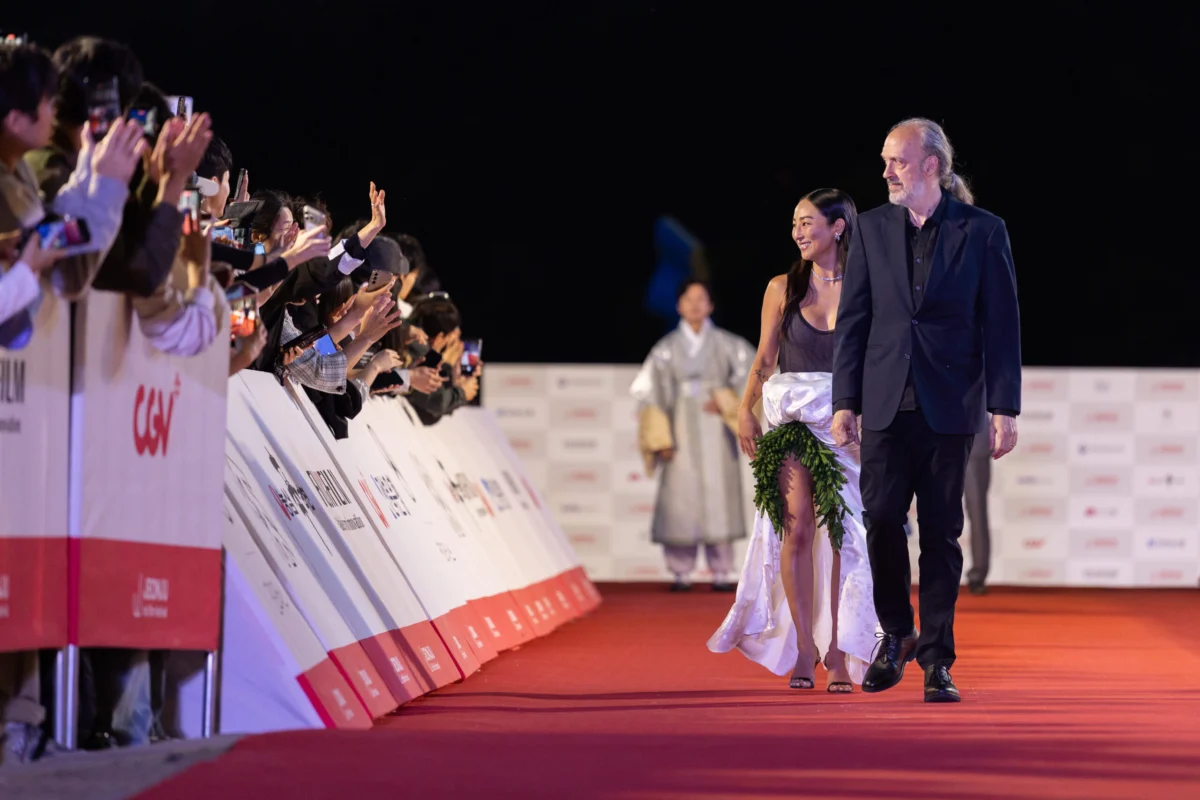
The 27th JEONJU International Film Festival officially commenced on Wednesday, April 29th, with a vibrant Opening Ceremony held at the prestigious Moak Hall within the Sori Arts Center of Jeollabuk-do. This landmark event, marking the festival’s continued growth and its significant position in the Asian film calendar, drew approximately 2,000 attendees, including prominent figures from the international and domestic film industries, government officials, and passionate cinephiles. The festival, scheduled to run for ten days until May 8th, promises a diverse and engaging program across various venues in Jeonju City, solidifying its reputation as a vital platform for cinematic discovery and discourse.
A Star-Studded Assembly Marks the Festival’s Inauguration
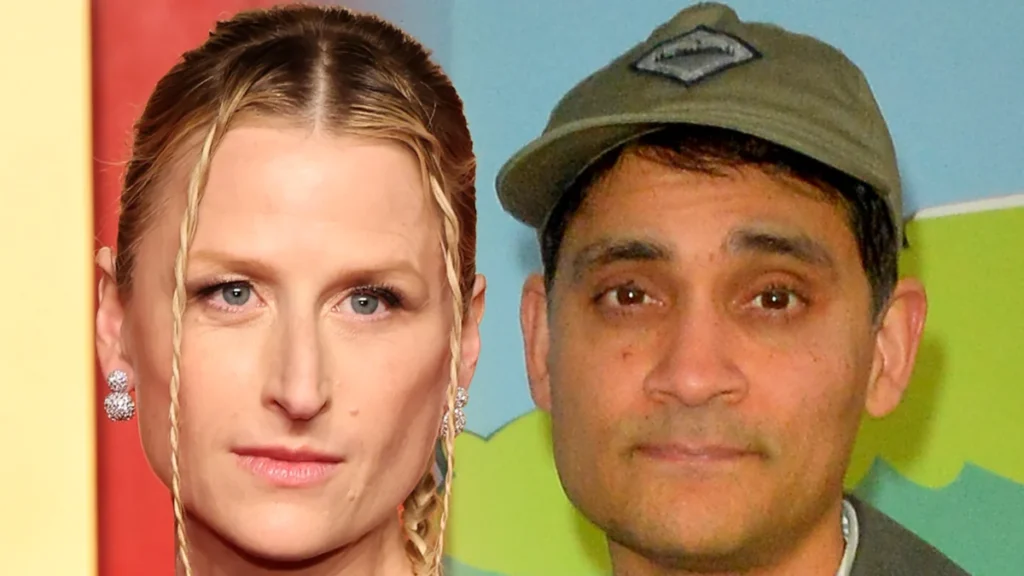
The red carpet was graced by a constellation of talent, underscoring the festival’s global reach and prestige. Among the distinguished guests were director Kent Jones and actor Greta Lee, whose collaboration on the Opening Film, Late Fame, was a focal point of the evening. Their presence highlighted the festival’s commitment to showcasing compelling new international cinema. Further adding to the evening’s gravitas were renowned director Tsai Ming-liang and Byun Young-joo, this year’s selected "Programmer of the Year," a testament to her significant contributions to film curation and programming.
The Executive Committee was represented by Member Bae Jong-ok, while the festival’s critical eye was embodied by its esteemed jury members: Shim Jaemyung, Lee Hae-young, and Ko Asung, alongside their fellow jurors. The presence of Chae Hwi-young, the Minister of Culture, Sports and Tourism, signaled strong governmental support for the arts and the festival’s role in promoting cultural exchange. Additional notable attendees included Yoon Jong-hoon, serving as the WITHBOM (Barrier-free) Ambassador, and actors Kim Hyunjoo and Chae Jungan, further amplifying the event’s star power and diverse representation.
Co-Directors Chart a Course for Continued Growth and Excellence
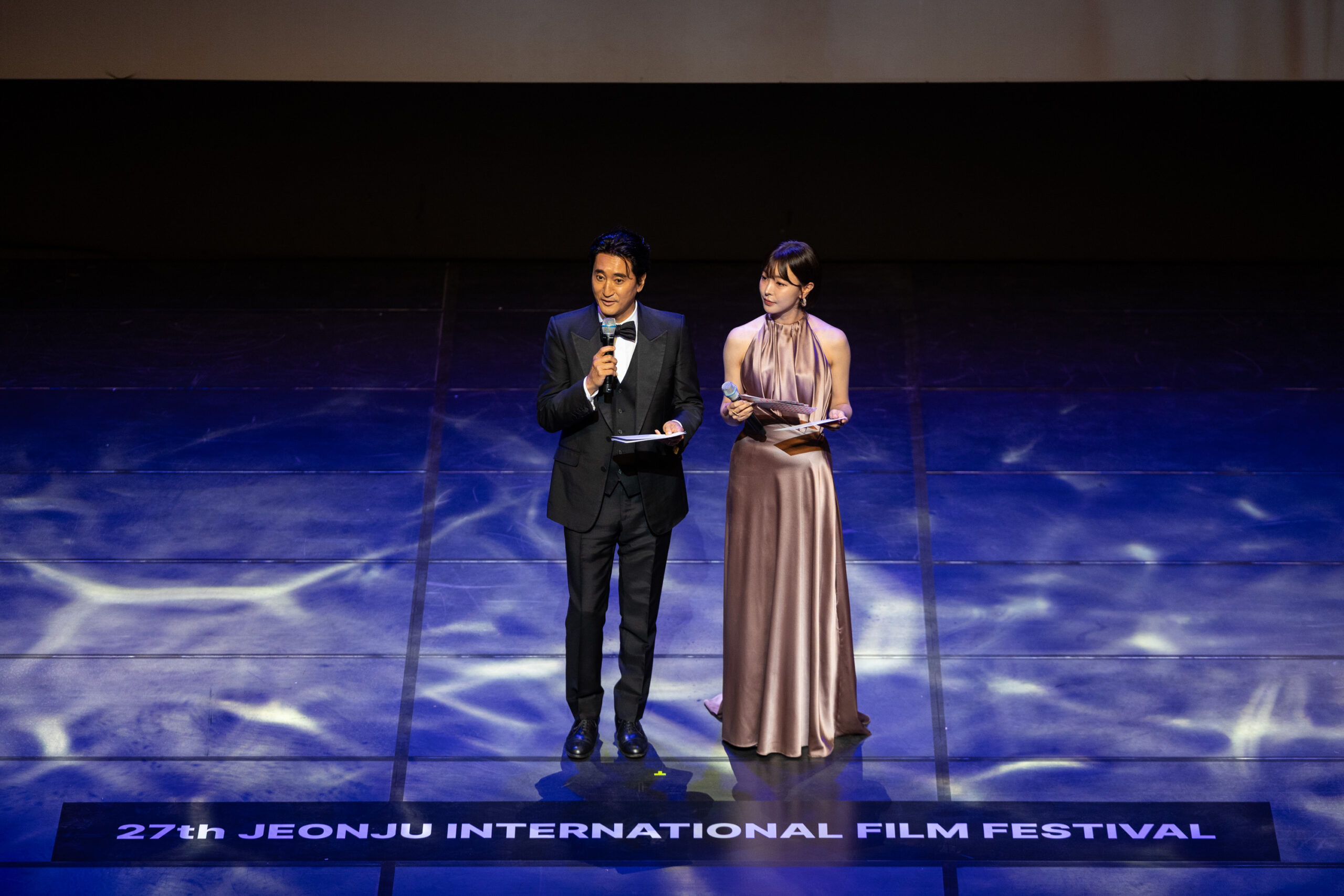
The Opening Ceremony was expertly hosted by popular actors Shin Hyun-joon and Go Won-hee, whose engaging introductions set a dynamic tone for the proceedings. Festival Co-Directors Min Sung-wook and Jung Jun-ho addressed the audience, expressing their profound gratitude and outlining their vision for the festival’s future.
"We extend our sincere thanks to filmmakers and audiences from Korea and around the world," stated Co-Director Min Sung-wook, reflecting on the collective effort that underpins the festival’s success. Co-Director Jung Jun-ho elaborated on their commitment, remarking, "Having been reappointed for another three-year term, we will build on the foundation we have laid and continue to grow the festival further." This reappointment, announced prior to the festival’s opening, signifies a continuity of leadership and a strategic focus on sustained development. Their remarks emphasized a dedication to building upon the festival’s established strengths while actively pursuing avenues for expansion and innovation. This forward-looking perspective aims to solidify JEONJU IFF’s position not only as a showcase for established talent but also as a nurturing ground for emerging voices and experimental cinema. The festival’s trajectory, guided by their leadership, aims to deepen its engagement with global cinematic trends and foster a more inclusive and accessible film culture.
A Heartfelt Tribute to a Cinema Icon: Ahn Sung-ki Honored
A particularly poignant moment of the evening was the presentation of the Special Achievement Award to the late actor Ahn Sung-ki. His son, Ahn Philip, accepted the award on his father’s behalf, delivering a moving tribute to the legendary actor. Ahn Sung-ki, a towering figure in Korean cinema, left an indelible mark on the industry through his prolific career spanning decades and his profound influence on generations of filmmakers and actors. The JEONJU IFF’s decision to honor him underscores his monumental contributions to the art of filmmaking and his enduring legacy.
This tribute extends beyond the Opening Ceremony. The festival features a special section titled "Special Focus: Ahn Sung-Ki’s Memorable Films Yet Rarely Seen." This curated program offers audiences an in-depth exploration of his extensive filmography, delving into works that may not be as widely recognized but are crucial to understanding the full breadth and depth of his remarkable talent. By presenting these often-overlooked gems, the JEONJU IFF aims to provide a comprehensive retrospective, allowing both long-time admirers and new audiences to rediscover the nuances and power of Ahn Sung-ki’s performances across different eras of Korean cinema. This retrospective serves as a vital educational component, contextualizing his impact within the broader narrative of Korean film history and highlighting his versatility and artistic evolution.
Unveiling the Program: A Global Panorama of Cinema
The ceremony proceeded with introductions to the various juries responsible for awarding prestigious accolades, including those for the International Competition, Korean Competition, Korean Competition for Shorts, the FUJIFILM KOREA Award, and the NETPAC Award. These juries, comprised of international and domestic film experts, will play a crucial role in identifying and celebrating outstanding cinematic achievements throughout the festival.
The artistic program was further enriched by an evocative opening performance by author and singer Oh Jieun, whose artistry set a contemplative and inspiring mood. Following this, Programmer Sung Moon introduced the Opening Film, Late Fame, providing audiences with a glimpse into its thematic concerns before its official screening.
Late Fame, the chosen opener, is described as an allegorical narrative that delves into the rediscovery of a once-forgotten artist. The film’s thematic resonance with a contemporary New York grappling with its past, coupled with its exploration of the realities of the current art world, positions it as a thought-provoking commencement to the festival’s cinematic journey. Its selection speaks to the JEONJU IFF’s penchant for films that offer social commentary and engage with complex contemporary issues through innovative storytelling.
JEONJU IFF: A Decade of Cinematic Exploration and Cultural Dialogue
The 27th JEONJU International Film Festival’s ten-day run represents a significant undertaking in the global film festival circuit. As an established event, JEONJU IFF has consistently demonstrated its commitment to showcasing a diverse array of cinematic voices, from established masters to emerging talents. Its strategic placement in late April and early May positions it as a key event in the spring festival season, attracting filmmakers, distributors, critics, and audiences eager to engage with the latest in world cinema.
The festival’s programming typically balances artistic integrity with commercial viability, offering a platform for independent films that might otherwise struggle to find distribution. This dual focus not only benefits filmmakers by providing exposure and potential market opportunities but also enriches the cultural landscape by introducing audiences to a wider spectrum of cinematic expression. The inclusion of various competitive and non-competitive sections allows for a comprehensive overview of current filmmaking trends, from avant-garde explorations to more narrative-driven features.
Supporting Data and Broader Context
JEONJU IFF’s consistent growth over the past 26 editions is reflected in its increasing submission rates and international recognition. While specific figures for the 27th edition are still emerging, previous years have seen thousands of film submissions from over 100 countries, highlighting the festival’s expansive reach. The festival’s commitment to accessibility is further demonstrated by initiatives like the WITHBOM (Barrier-free) program, which aims to make film screenings more inclusive for individuals with disabilities. The presence of Ambassador Yoon Jong-hoon underscores the importance of this initiative, reflecting a growing awareness and effort within the industry to promote diversity and inclusion.
The festival’s economic and cultural impact on Jeonju City and the wider Jeollabuk-do region is substantial. It not only draws significant tourism revenue but also fosters a vibrant cultural ecosystem, encouraging local engagement with the arts and providing a platform for regional talent. The dedication to programming that reflects both global trends and local narratives ensures that JEONJU IFF remains a vital cultural touchstone for its host city.
Official Responses and Future Outlook
The reappointment of Co-Directors Min Sung-wook and Jung Jun-ho for a second three-year term is a strong indicator of the festival’s organizational stability and forward momentum. Their commitment to "building on the foundation" and "continuing to grow the festival further" suggests a strategic plan focused on consolidating existing strengths while exploring new initiatives. This includes potential expansion of programming, increased international collaborations, and enhanced outreach to diverse audiences.
The tribute to Ahn Sung-ki, a beloved national treasure, serves as a powerful reminder of the rich history and enduring impact of Korean cinema on the global stage. This focus on legacy, combined with the introduction of contemporary international films like Late Fame, positions JEONJU IFF as a festival that respects its past while boldly embracing the future. The presence of Minister Chae Hwi-young at the Opening Ceremony further reinforces the government’s acknowledgment of the festival’s cultural and economic significance, promising continued support for its endeavors.
Analysis of Implications
The successful launch of the 27th JEONJU International Film Festival signifies a robust reaffirmation of its standing in the global film community. The festival’s ability to attract a diverse range of international talent, coupled with its commitment to honoring cinematic legacies, positions it as a crucial hub for cultural exchange and artistic innovation. The focus on accessibility through initiatives like the barrier-free program indicates a progressive approach to filmmaking and audience engagement, setting a positive precedent for other festivals.
Furthermore, the festival’s ongoing development, guided by its reappointed leadership, suggests a strategic vision aimed at deepening its impact. This includes fostering stronger relationships with filmmakers, enhancing its role as a marketplace for film rights, and expanding its educational outreach. By curating a program that is both artistically ambitious and culturally relevant, JEONJU IFF is poised to continue its trajectory as a leading platform for discovering new cinematic voices and celebrating the enduring power of film. The festival’s ten-day run is expected to generate significant discourse on contemporary cinematic themes, artistic trends, and the evolving landscape of the film industry, both domestically and internationally.