The 21st century has witnessed a radical transformation in the public perception and commercialization of psychoactive substances. What were once clandestine transactions in dimly lit corners have been reimagined as high-end retail experiences. In many American jurisdictions, cannabis is sold in dispensaries that mirror the minimalist aesthetic of an Apple Store, while substances like psilocybin and ketamine are increasingly administered in "plush" therapeutic environments designed to evoke wellness and spiritual enlightenment. However, while cannabis and psychedelics have successfully navigated the transition from counterculture to "conspicuous consumption," cocaine and other powdered illicit substances have historically remained in the shadows. That dynamic is shifting as a new wave of luxury accessory brands utilizes social media platforms like Instagram to give drug paraphernalia a "tech-fueled glow-up," rebranding tools of illicit use as high-end lifestyle products.
The Rebranding of Paraphernalia as Luxury Goods
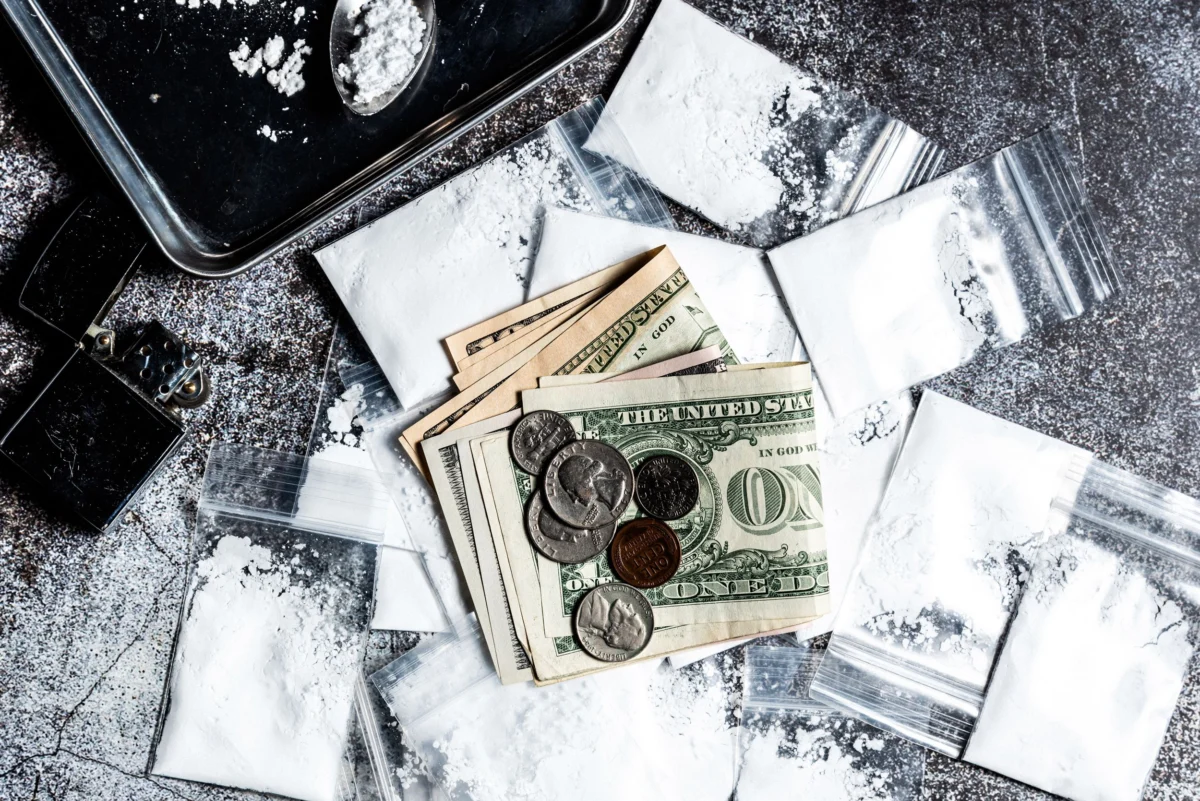
On the surface, the products populating the feeds of urban professionals and festival-goers appear to be high-quality leather goods or sophisticated tech gadgets. Upon closer inspection, however, these items are designed to meet specific needs that are difficult to reconcile with their stated legal purposes. A primary example is the SLYD pouch, a $39 small leather pocket equipped with a magnetic clasp. While the company’s marketing suggests the pouch is intended for "electrolytes," the visual cues in their advertisements tell a different story. Videos demonstrate users loading white powdered substances into the pouch, accompanied by captions such as “Stop using that sketchy bag for your electrolytes.” The use of the word “BAG” in custom inscriptions—a common slang term for a unit of cocaine—further bridges the gap between the product’s stated utility and its intended use.
This trend extends to brands like Magic Items, which markets the "Wildcard," a magnetized leather pouch priced between $60 and $100. Stamped with a rabbit in a jester hat, the Wildcard is presented as a "luxury" alternative to the plastic "dime bag." The brand’s marketing emphasizes durability, being "anti-clog," and "water-tight," features that are highly valued in environments like music festivals or nightclubs. Similarly, FattyPack has gained traction by demonstrating how to attach a key to their pouches—a common tool used for "bumping" or scooping small doses of powder.
A Chronology of Normalization and Digital Marketing
The emergence of these brands is not an isolated phenomenon but the result of a decade-long shift in how society views recreational substance use.
- 2012–2014: The first wave of recreational cannabis legalization in states like Colorado and Washington begins the "de-stigmatization" process, turning a prohibited plant into a taxable commodity.
- 2017–2019: The "Cacao Snuff" trend gains brief notoriety in Europe and Florida, providing a legal cover for the development of sophisticated nasal delivery devices. During this time, ketamine begins its transition from an anesthetic to a popular off-label treatment for depression.
- 2020–2022: The COVID-19 pandemic accelerates the "wellness" economy. As lockdowns lift, a "re-entry" culture emerges. Magic Items notes on its website that in 2022, "Everyone wanted to be out again—at parties, on rooftops, in the desert… we all needed a water-tight container that was low profile and stylish."
- 2023–Present: Paraphernalia brands leverage sophisticated social media algorithms to target specific demographics—primarily affluent young adults interested in "festival survival kits" and "nightlife aesthetics."
The "Cacao" and "Electrolyte" Defense
To bypass the stringent advertising policies of Meta (the parent company of Instagram and Facebook) and TikTok, these brands employ a strategy of "plausible deniability." Meta’s policies strictly prohibit the promotion of illicit drugs and drug-related paraphernalia. To circumvent this, brands use legal substitutes in their demonstrations.
The most common substitute is raw cacao powder. Brands like Bumpskē and Snogo market high-tech, stainless-steel nasal straws designed for the "snorting of cacao." Bumpskē’s device, which features an LED light for use in dark environments, was marketed with subtle nods to cocaine culture, including imagery of Alice in Wonderland diving into sugar and the use of the word "bump" in the brand name. Snogo takes the aesthetic further, offering spring-loaded designer straws that can be worn as necklaces—a modern homage to the "coke spoon" pendants of the late 20th century. Snogo also sells "clubwear," such as $110 bedazzled hats with hidden pockets for stashing straws and currency.
When questioned, representatives for these companies consistently maintain that their products are intended for legal substances. Rachel Froehlich, executive customer care manager at Snogo, stated that the brand’s products are "for use with legal substances such as cacao and other lawful powdered products." Magic Items similarly described the Wildcard as a "multi-use bag for perishables."
Supporting Data: The Market for High-End Vice
The rise of these luxury accessories correlates with broader trends in substance use and consumer spending. According to the Substance Abuse and Mental Health Services Administration (SAMHSA), cocaine use in the United States has remained steady among certain affluent demographics, even as the "opioid crisis" dominates headlines. Furthermore, the global luxury accessories market is projected to grow at a compound annual growth rate (CAGR) of over 4% through 2030, driven by "lifestyle" branding.
The "post-party recovery" market is also expanding. Soft Landings, a beverage marketed for "post-party recovery," utilizes Instagram to target users experiencing a "comedown." One video from the brand explicitly mentions "Molly" (MDMA), explaining that the drug "drains your brain’s battery to zero." By positioning their product as a "recharge" for the morning after, Soft Landings taps into the same demographic as the luxury pouch and straw manufacturers, completing the "lifestyle loop" of recreational drug use.
Regulatory Challenges and Meta’s Response
The existence of these ads poses a significant challenge to social media moderation. Meta’s advertising standards are designed to flag keywords and images associated with illegal acts. However, the use of high-quality cinematography, minimalist design, and "coded" language often allows these ads to bypass automated filters.
In response to inquiries regarding these brands, Meta spokesperson Erica Sackin confirmed that the company is investigating several of the accounts. Following reports, Meta removed the Instagram pages for Bumpskē and Snogo. However, the "cat-and-mouse" nature of digital moderation means that as one account is shuttered, others frequently emerge with slightly altered branding. TikTok faces similar challenges; while Bumpskē and Snogo maintain profiles there, their reach is currently more limited than it was on Instagram.
Analysis of Implications: Safety and Normalization
The "glow-up" of drug paraphernalia carries significant societal implications. Critics argue that by framing drug use through the lens of luxury and "wellness," these brands may be minimizing the inherent risks associated with powdered illicit substances.
- The Fentanyl Factor: The most pressing concern is the contamination of the illicit drug supply with fentanyl. While a $100 leather pouch or a $150 stainless-steel straw offers an aesthetic upgrade, it provides no protection against the lethal potency of synthetic opioids often found in cocaine and MDMA. The "luxury" branding may create a false sense of security or "purity" among users.
- Algorithmic Normalization: When social media algorithms serve ads for "discreet bumps" alongside ads for high-end watches or designer clothing, they integrate drug culture into the broader "aspirational" lifestyle. This normalization can lower the barrier to entry for new users who perceive the behavior as a sophisticated social ritual rather than a high-risk activity.
- Legal Grey Zones: The Federal Drug Paraphernalia Act (21 U.S.C. § 863) makes it unlawful to sell or transport drug paraphernalia. However, the law defines paraphernalia based on the "primary intended use." By marketing their products for "cacao" and "electrolytes," these companies exploit a legal loophole that is difficult for prosecutors to close without proving intent.
Conclusion
The transformation of drug paraphernalia from "sketchy" plastic bags to "luxury essentials" is a testament to the power of modern branding and the persistence of vice in the digital age. As the lines between wellness, recreation, and illicit use continue to blur, the burden of regulation falls increasingly on tech platforms and their ability to decode the sophisticated language of "conspicuous drug use." While users can now purchase high-end accoutrements with a single click, the underlying risks of the substances themselves remain unchanged, standing in stark contrast to the polished, neon-lit aesthetic of their Instagram feeds.