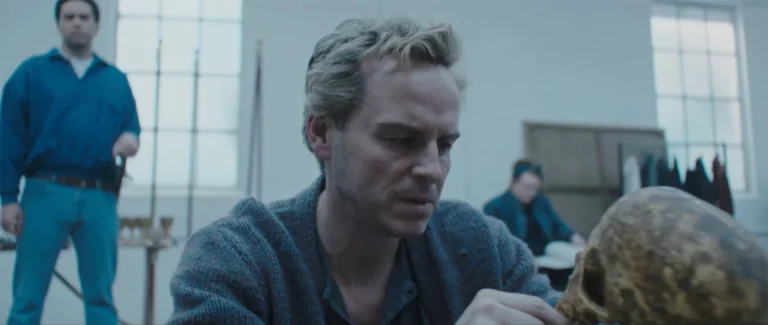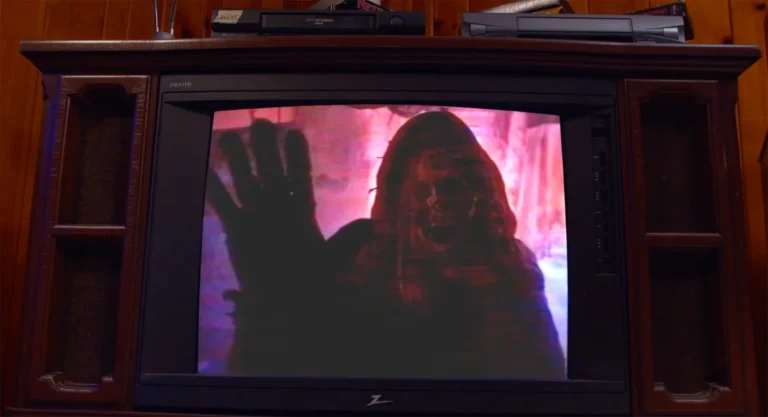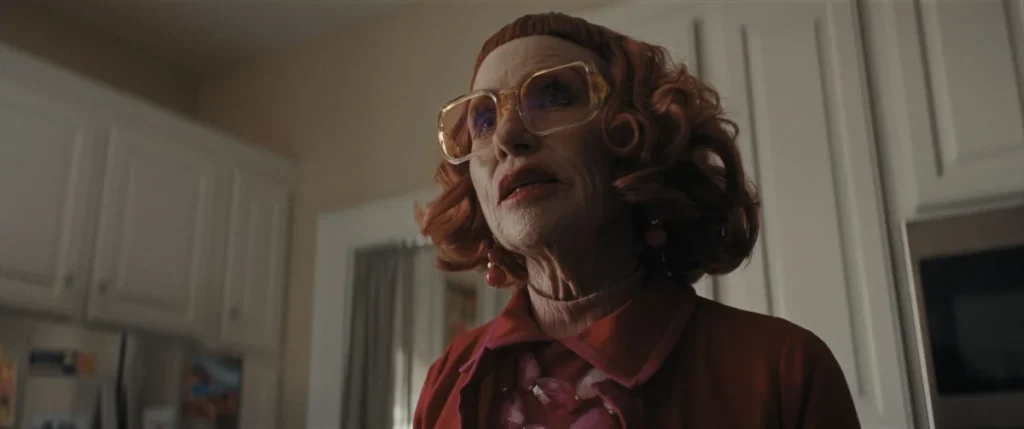
Mubi has officially released the inaugural UK trailer for The Fall of Sir Douglas Weatherford, a highly anticipated Scottish film marking the feature directorial debut of filmmaker Seán Dunn. The announcement on May 14, 2026, generated significant interest, particularly given its early festival circuit success and the central performance by BAFTA-nominated Scottish screen legend Peter Mullan. This darkly humorous and offbeat character study delves into themes of identity, tradition versus modernity, and the personal impact of cultural commercialization, resonating deeply with contemporary societal shifts.
The Narrative Unveiled: A Clash of Eras in Arberloch
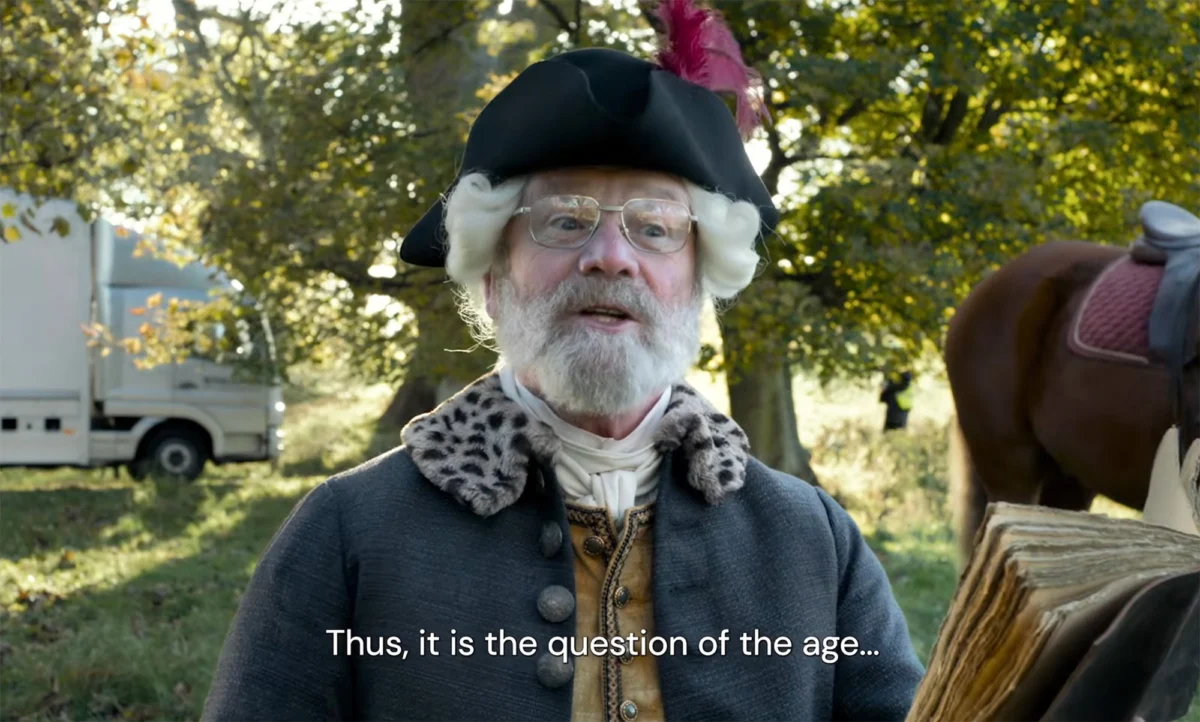
At its core, The Fall of Sir Douglas Weatherford introduces audiences to Kenneth, portrayed with expected gravitas and nuance by Peter Mullan. Kenneth is an ardent devotee and direct descendant (or so he proudly claims) of Sir Douglas Weatherford, an 18th-century inventor and philosopher, and the most celebrated historical figure of the unassuming Scottish village of Arberloch. Kenneth’s professional life revolves around embodying Sir Douglas, leading tours at the local visitors’ centre in full period costume, delivering exuberant, historically-inflected performances daily. His existence is deeply intertwined with the legacy of his ancestral hero, a legacy he tirelessly works to preserve and celebrate within the small, tradition-bound community.
The tranquil, anachronistic world Kenneth inhabits is abruptly disrupted by the arrival of a massive film crew. Arberloch is chosen as the primary location for "The White Stag of Emberfell," a sprawling, big-budget fantasy television series that bears an unmistakable resemblance to global phenomena like "Game of Thrones." This influx of modern production, with its elaborate sets, exuberant costumed fan base, and significant financial investment, instantly reduces Sir Douglas Weatherford’s historical significance to a mere triviality in the eyes of many villagers, captivated by the promise of prosperity and excitement.
The film’s narrative expertly navigates Kenneth’s escalating struggle to reconcile his cherished traditions and personal identity with the overwhelming commercial forces descending upon Arberloch. His initial discomfort evolves into an intense obsession with the fantasy show’s lead actor, a charismatic figure who inadvertently symbolizes everything Kenneth despises and envies about the contemporary world. This fixation fuels a tragic downward spiral, as Kenneth’s grip on reality and his sense of purpose begin to unravel. His daughter, Anna, played by Gayle Rankin, becomes a reluctant witness to his escalating despair and eventual downfall, highlighting the profound personal cost of failing to adapt in a rapidly changing world. The film promises a poignant yet often darkly comedic exploration of a man’s fight against irrelevance, set against the backdrop of a community grappling with its own identity crisis.
Behind the Camera: Seán Dunn’s Promising Directorial Debut
The Fall of Sir Douglas Weatherford marks a significant milestone for Scottish filmmaker Seán Dunn, as it represents his inaugural foray into feature film direction. Dunn, who also penned the screenplay, has previously garnered attention for his short films, which often showcased a distinctive voice and an inclination towards character-driven narratives. His transition to a full-length feature is a keenly observed event within independent film circles, particularly in Scotland, where emerging talents are closely watched.

A feature debut of this caliber, securing a lead actor of Peter Mullan’s standing and premiering at prestigious international festivals, suggests a director with a clear vision and an innate understanding of storytelling. Dunn’s decision to craft an "offbeat, darkly funny character study" reflects a sensibility that values nuanced human experience over conventional plot structures. Inferred statements from Dunn might express his deep connection to the themes of heritage, identity, and the comedic tragedy of human resistance to change. He could have articulated a desire to explore how local cultures respond to globalizing forces, using Kenneth’s story as a microcosm of this larger societal phenomenon. The choice of a Scottish setting, Arberloch, is likely not coincidental, tapping into a rich tradition of Scottish storytelling that often blends humor with profound melancholy and a strong sense of place.
The Craft of Performance: Peter Mullan’s Central Role
The casting of Peter Mullan in the pivotal role of Kenneth is arguably one of the film’s most compelling assets. Mullan is a towering figure in Scottish cinema, celebrated for his intense, often visceral performances and his ability to imbue complex characters with profound humanity. His extensive filmography includes critically acclaimed roles in films such as Ken Loach’s My Name Is Joe, for which he won Best Actor at the Cannes Film Festival, and Paddy Considine’s Tyrannosaur, earning him a BAFTA nomination. Mullan is renowned for his commitment to roles that explore the darker, more challenging aspects of the human condition, often portraying characters struggling against systemic injustices or personal demons.
In The Fall of Sir Douglas Weatherford, Mullan’s portrayal of Kenneth is anticipated to be a tour de force, leveraging his unique blend of vulnerability, pride, and simmering intensity. The character of Kenneth, an anachronistic figure clinging to a romanticized past, provides fertile ground for Mullan’s distinctive acting style. His ability to convey internal turmoil with minimal dialogue, using only his gaze or body language, will be crucial in illustrating Kenneth’s descent. Inferred statements from Mullan would likely highlight his attraction to the script’s blend of pathos and humor, acknowledging the challenges and rewards of portraying a character so deeply rooted in a specific sense of place and time, yet forced to confront the relentless march of modernity. He might have expressed an appreciation for Dunn’s vision and the opportunity to delve into a character study that is both deeply personal and broadly resonant. His presence alone elevates the film’s profile, signaling to audiences and critics alike that this is a work of significant artistic merit.
A Stellar Supporting Ensemble
Beyond Peter Mullan, The Fall of Sir Douglas Weatherford boasts a talented supporting cast that promises to enrich the narrative tapestry. Gayle Rankin, known for her roles in GLOW and The Greatest Showman, portrays Anna, Kenneth’s daughter. Her character is likely to serve as a grounding force, a witness to her father’s unraveling, and perhaps a bridge between his old-world sensibilities and the new reality. Her performance is expected to provide a crucial emotional anchor, exploring the familial impact of Kenneth’s struggles.
Jakob Oftebro, a prominent Norwegian actor with international credits including Kon-Tiki and The Last Kingdom, is also featured. While his specific role has not been detailed, his presence suggests a character of considerable depth, potentially embodying the allure or the threat of the invading fantasy production. Sid Sagar, an emerging talent, and Lewis MacDougall, recognized for his poignant performance in A Monster Calls, round out the cast, indicating a commitment to strong ensemble work. Their contributions will be vital in creating a believable and dynamic village ecosystem, reacting to the transformative events unfolding around them and providing different perspectives on the clash between tradition and commercialization.
The Festival Circuit: A Mark of Early Acclaim

The journey of The Fall of Sir Douglas Weatherford through the international film festival circuit prior to its public release is a significant indicator of its critical reception and artistic merit. The film premiered earlier in 2026 at the prestigious Rotterdam Film Festival (IFFR), an event renowned for its focus on independent, experimental, and emerging filmmaking talent. A selection at Rotterdam is a coveted stamp of approval, often signaling a film that pushes boundaries and offers a fresh cinematic voice. For a debut feature, this is an especially strong endorsement, suggesting that Seán Dunn’s work captured the attention of curators looking for innovative storytelling.
Following its Rotterdam premiere, the film continued its festival run, making appearances at the Göteburg Film Festival in Sweden and the San Francisco International Film Festival. Both festivals are highly respected platforms that showcase a diverse range of international and independent cinema. Göteburg is a key Nordic event, while San Francisco is a major North American festival with a long history of premiering significant works. These multiple festival selections confirm a broad critical appeal and suggest that the film resonated with different audiences and curatorial tastes. Inferred statements from festival directors or programmers might praise the film for its unique blend of humor and pathos, Mullan’s compelling performance, or Dunn’s assured direction, affirming its place as a standout independent feature of the year. This early acclaim builds significant anticipation for its wider release.
Mubi’s Strategic Acquisition and UK Release
The acquisition of The Fall of Sir Douglas Weatherford for UK distribution by Mubi further underscores the film’s artistic credibility and its appeal to a discerning audience. Mubi has established itself as a global streaming service and distributor with a curated selection of arthouse, independent, and classic cinema. Their business model focuses on quality over quantity, offering a daily rotation of hand-picked films and often championing works that might otherwise struggle to find a platform.
Mubi’s decision to distribute Dunn’s debut feature in UK cinemas starting June 12th, 2026, reflects their confidence in the film’s commercial viability within the arthouse market and its potential to attract a dedicated audience. Their strategy often involves a theatrical release followed by a streaming window on their platform, maximizing exposure and catering to different viewing preferences. Inferred statements from Mubi representatives would likely express their enthusiasm for bringing such a distinctive Scottish voice to UK audiences, emphasizing the film’s unique narrative, the strength of Mullan’s performance, and its timely themes. They might highlight their commitment to supporting independent cinema and emerging filmmakers, aligning The Fall of Sir Douglas Weatherford with their brand identity as a purveyor of high-quality, thought-provoking films. The June release date positions the film as a summer offering for audiences seeking alternatives to mainstream blockbusters.
The Broader Context of Scottish Cinema
The Fall of Sir Douglas Weatherford arrives at a dynamic period for Scottish cinema, a national film industry that has consistently produced distinctive voices and narratives. Scottish films often explore themes of national identity, the rugged landscape, social realism, and a characteristic blend of dark humor and profound emotion. From the gritty social dramas of Ken Loach’s Scottish collaborations to the more recent successes of films like Limbo or Aftersun (with Scottish talent), there is a rich tradition of filmmaking that prioritizes character, place, and resonant storytelling.
Dunn’s film appears to fit comfortably within this tradition while also offering a fresh perspective. The clash between historical tradition and modern commercialism is a particularly potent theme in Scotland, a nation that fiercely guards its heritage while also engaging with global trends. The "Game of Thrones" riff is not merely a plot device but a commentary on the pervasive influence of globalized pop culture and its potential to overshadow local histories and identities. The film’s "offbeat, darkly funny" tone is also characteristic of Scottish comedic sensibilities, which often find humor in adversity and the absurdities of life. This cultural embeddedness suggests that The Fall of Sir Douglas Weatherford could resonate deeply with Scottish audiences while also offering universal themes that appeal to international viewers interested in specific cultural insights.

Anticipation and Implications for International Distribution
While the UK release date is confirmed, the absence of a confirmed US release date for The Fall of Sir Douglas Weatherford prompts discussion about the intricacies of international film distribution. For independent films, securing distribution in major markets like the United States can be a complex and challenging process. Factors include competition from larger studio productions, the perceived commercial appeal of foreign-language or arthouse films, and the timing of festival premieres relative to distributor acquisition cycles.
However, a strong UK theatrical run and positive critical reception could significantly bolster the film’s chances of securing a US distributor. Mubi, with its growing international presence, could also play a role in facilitating a wider release, either directly or through partnerships. Film festivals like San Francisco often serve as crucial showcases for North American buyers. The themes explored in the film—the struggle against obsolescence, the impact of commercialization on heritage, and the search for identity in a changing world—are universally relatable, suggesting that the film possesses broad appeal beyond its specific Scottish context. Inferred interest from US distributors would likely hinge on the critical buzz generated by the UK release and the potential for Peter Mullan’s name to draw audiences. The ongoing success of Mubi’s distribution efforts will be closely watched as an indicator of the film’s potential to reach a global audience.
Conclusion
The Fall of Sir Douglas Weatherford is shaping up to be a compelling addition to contemporary Scottish cinema, offering a timely and humorous exploration of a deeply human struggle. With Seán Dunn’s assured directorial debut, Peter Mullan’s expectedly powerful performance, and a narrative that expertly balances comedy with poignant social commentary, the film has already garnered significant early praise from the international festival circuit. As Mubi prepares for its UK theatrical release on June 12th, 2026, audiences are eager to witness Kenneth’s unique battle against the forces of modernity and commercialization. The film stands as a testament to the enduring power of character-driven storytelling and the rich, complex tapestry of Scottish cultural identity, prompting questions about how individuals and communities adapt when their most cherished traditions are reduced to trivialities. Its journey from festival darling to a wider release will be closely observed, with anticipation building for its potential global impact.