
The vibrant energy of Hollywood’s awards season never truly dissipates, even as one year’s accolades conclude and the next begins to loom large on the horizon. While the glittering afterglow of the 2025 awards season still lingered, the industry’s gaze was already fixed firmly on the future, specifically the impending first-round voting for the 2026 Emmy Awards, set to commence in just over a month. This forward-looking momentum culminated in a pivotal gathering at the Directors Guild of America (DGA) Theater in sunny Southern California, where creators and directors behind some of the most compelling and critically acclaimed television series of the current season convened for The Hollywood Reporter’s prestigious "Directors in Focus" event. The all-day symposium offered an unparalleled opportunity for these visionaries to delve into the intricate nuances of their craft, share behind-the-scenes insights, and discuss the creative and logistical challenges that define modern television production, providing an early, insightful look into the contenders poised to capture Emmy voters’ attention.
Setting the Stage for Emmy Contention
The Hollywood Reporter’s "Directors in Focus" series is a cornerstone event in the lead-up to the Emmy Awards, strategically positioned to offer a platform for prominent filmmakers to articulate their artistic processes and the unique storytelling challenges presented by their work. The DGA Theater, a revered institution within the filmmaking community, served as the ideal backdrop for these candid discussions, underscoring the event’s gravitas and its appeal to an audience of industry professionals, critics, and avid television enthusiasts. The timing of the event, mere weeks before the official opening of the 2026 Emmy voting period, is no coincidence. It provides a crucial window for directors to highlight the directorial achievements and innovative techniques employed in their series, potentially influencing early voter perceptions and shaping the narratives that will dominate the awards discourse. In an increasingly competitive television landscape, such focused events are invaluable for elevating specific projects and spotlighting the often-underappreciated artistry of direction.

The discussions throughout the day spanned a diverse array of genres and production methodologies, from the poignant dramedy of a beloved revival to the high-stakes realism of medical dramas, the intense emotional landscapes of dystopian narratives, and the unprecedented logistical feats of hidden-camera comedy. Each director offered a unique perspective on the evolving demands of television storytelling, emphasizing not only technical prowess but also the profound emotional intelligence and leadership required to bring complex narratives to life on screen.
Navigating Legacy and Loss with Michael Patrick King for The Comeback
The event commenced with a deeply personal and reflective conversation featuring Michael Patrick King, the esteemed creator of The Comeback, in an interview with THR‘s Chris Gardner. King opened up about the profound challenges of developing the show’s anticipated third and final season in the wake of the passing of co-star Robert Michael Morris in 2017. Morris, who portrayed Valerie Cherish’s beloved and sardonic righthand man, Mickey Deane, in the first two seasons, left an indelible mark on the series and its dedicated fanbase.
King shared a poignant anecdote illustrating Morris’s resilience and dedication. Despite a grim Stage 4 cancer diagnosis, Morris’s health remarkably improved while actively working on the show. "We knew he was sick. He had Stage 4 cancer, but we thought we could do it. HBO knew that he was sick and they couldn’t insure him. And they said, ‘What do you think?’ And I said, ‘I think he’ll make it,’" King recalled. He elaborated on Morris’s renewed vigor: "He got better and better. Like the more he was in service, and feeling energy and strength. He became less and less sick, and the doctors were saying, ‘What are you doing? The tumors aren’t growing. What are you doing?’" This testament to the therapeutic power of creative engagement underscores the unique bond between performers and their craft.

The emotional weight of Morris’s eventual passing was keenly felt. King recounted his reaction to an Entertainment Weekly headline proclaiming, "Television star Robert Michael Morris dead at 77." He mused, "I thought, it would almost be worth him leaving if he heard him described as a television star. He would almost take that." This reflection not only highlighted Morris’s quiet dignity and professional aspirations but also offered a glimpse into King’s deep respect and affection for his late colleague. The decision to proceed with the final season, despite such a significant loss, speaks to the creators’ commitment to completing Valerie Cherish’s narrative arc, a decision that often involves complex emotional and narrative restructuring to honor departed cast members while moving the story forward. The Comeback, celebrated for its groundbreaking mockumentary format and satirical portrayal of Hollywood, has garnered a cult following and critical acclaim, with Lisa Kudrow’s performance as Valerie Cherish earning multiple Emmy nominations and a win. Continuing such a beloved, character-driven series requires immense sensitivity and narrative ingenuity, making King’s insights particularly valuable for understanding the enduring impact of a show’s ensemble.
Crafting Cinematic Chaos: Sam Levinson on Euphoria‘s Visual Language
Following this heartfelt opening, Euphoria creator Sam Levinson engaged in a stimulating conversation with THR‘s David Canfield, offering a deep dive into the creative choices behind the show’s highly anticipated third season. Levinson’s discussion centered on the remarkable talents of his lead actors, particularly Zendaya and Sydney Sweeney, and their contributions to the series’ distinctive visual and emotional landscape.
A highlight of the panel was the screening of a scene from the upcoming season, depicting Zendaya’s character, Rue, in a precarious escape from a Jeep stranded atop a border wall. Levinson lauded Zendaya’s extraordinary physical acting, attributing it to her foundational training. "What’s so spectacular about Zendaya as an actor is the physicality that she has, and I think it goes back to her Disney training, that she’s able to move with such humor and tell a story," Levinson noted. This observation is particularly insightful given Euphoria‘s reputation for intense drama and gritty realism. The infusion of physical comedy, likened by Levinson to the iconic silent film star Buster Keaton, suggests a fascinating evolution in the show’s visual language, potentially introducing moments of surreal absurdity within its often-bleak narrative. "I always knew going into opening up this season that I wanted to do something that really just threw us into the middle of the action, but with a certain kind of absurdity to it. We ended up having this border wall sequence, which I think we’ll take a look at. I sort of imagined it as a mix of Buster Keaton set in this modern drug world," he explained, hinting at a daring stylistic shift that could broaden the show’s appeal and critical interpretation.

Levinson also paid tribute to Sydney Sweeney’s adaptability and profound emotional range, recalling an instance where her role in a pivotal scene was altered on the day of shooting. "What’s interesting is if you push it a little bit, she becomes brilliant. You just do a few more takes, and she can reach these levels that are very honest emotionally, but also deeply funny. She’s able to anchor the scene with this kind of madness and chaos going on around her," he commended. Sweeney, a two-time Emmy nominee, has consistently delivered powerful performances, making her ability to pivot and elevate a scene on the fly a testament to her growing stature as an actor. Euphoria itself has been a cultural phenomenon, celebrated for its bold aesthetic, unflinching portrayal of adolescence, and Zendaya’s Emmy-winning performance as Rue, making Levinson’s directorial insights into its continued evolution highly anticipated by both critics and fans. The show’s visual dynamism and willingness to experiment with narrative and stylistic elements continue to push the boundaries of contemporary television drama.
The Art of Hyper-Realism: John Wells on the Gritty Authenticity of The Pitt
The conversation then shifted to the meticulous craft of achieving hyper-realism in medical dramas, with executive producer John Wells discussing The Pitt in an exchange with THR‘s Mikey O’Connell. The Pitt has garnered attention for its unflinching and often graphic portrayal of emergency room procedures, distinguishing itself in a genre long dominated by shows like ER (which Wells also executive produced) and Grey’s Anatomy.
Wells offered a riveting account of the complexities involved in staging such intense sequences, particularly after screening a scene where doctors perform an emergency C-section to save a baby from its dying mother. He drew an intriguing parallel, stating, "A podcaster who I love referred to that as The Pitt’s version of the bank robbery scene in Heat." This comparison is telling, suggesting that these medical procedures are choreographed with the same precision, high stakes, and intricate detail as a major action sequence. "Those scenes, and we have them fairly regularly, are really like doing stunts. I’ve done a lot of stunts, big action stunts," Wells elaborated, highlighting the immense planning and coordination required.

The technical and logistical hurdles were significant. Wells revealed, "That took about three days to shoot, but you’re doing it in sequences, and they’re all different kinds of problems. The uterine bag that we cut, we only had four of them; it’s sort of like you only have two shots at the car rollover." This scarcity of specialized props added immense pressure, demanding perfection from each take. He further detailed an unexpected challenge: "And then we had problems because the baby, once we put the animatronic baby in the inside, and then put the goo on it. The amniotic fluid that was inside dissolved, all the stuff that was on the baby, then we couldn’t get it out." Such anecdotes underscore the often-unforeseen practical difficulties of achieving on-screen realism, requiring quick thinking and creative problem-solving from the production team. Wells’s insights provided a valuable glimpse into the dedication and ingenuity required to make The Pitt‘s medical scenes not just believable, but viscerally impactful, elevating the genre beyond mere dramatic storytelling to a form of cinematic surgery.
Emotional Leadership on Set: Jet Wilkinson and the Weight of The Testaments
While many directors at the event spoke to the technical intricacies of their productions, Jet Wilkinson, a director on The Handmaid’s Tale spinoff, The Testaments, brought a crucial human element to the discussion. In a panel focusing on her work, Wilkinson emphasized the often-overlooked but vital role of a director as an emotional leader, particularly when navigating traumatic and harrowing scenes.
After presenting a deeply disturbing execution scene from the series, Wilkinson articulated her approach to managing the intense emotional environment on set. "I think the content for us is to start with just sort of getting over what was happening here. Execution of women at point-blank range, that was hard," she began. Recognizing the profound impact such material can have on cast and crew, especially background artists who may not have extensive dramatic training, Wilkinson prioritized their well-being. "Doing those days, we began with addressing all of the background artists: ‘This is going to be hard and it’s going to be confronting, but just know that you’re seen and you’re valued, and we thank you for being here and being part of something so important.’ We wanted to make sure that we acknowledge that this is hard for everyone," she explained.

This proactive approach to emotional support reflects a growing awareness within the industry regarding mental health and creating safe working environments, particularly on sets dealing with sensitive or violent content. The Handmaid’s Tale and its eagerly anticipated sequel, The Testaments, are renowned for their stark portrayal of a dystopian society and the brutal oppression faced by women. Such narratives inherently carry significant emotional weight, both for the audience and for those involved in their creation. Wilkinson’s emphasis on empathy and explicit acknowledgment of the difficulty of the material serves as a powerful reminder that directorial leadership extends beyond camera angles and blocking; it encompasses fostering a supportive atmosphere where individuals feel safe to engage with challenging content without compromising their mental well-being. Her perspective highlights the evolving responsibilities of directors in a modern production landscape increasingly conscious of ethical and psychological considerations.
The Unscripted Hero’s Journey: Jake Szymanski on Jury Duty Presents: Company Retreat
Perhaps the most unconventional directorial challenge presented at "Directors in Focus" came from Jake Szymanski, director of Jury Duty Presents: Company Retreat. Unlike his peers, Szymanski’s production hinged on a central performance from an individual completely unaware that he was the unwitting star of a television show. This unique premise, an expansion of the successful Jury Duty format, presented an unprecedented set of creative and ethical considerations.
The "unassuming lead" of this season, Anthony Norman, genuinely believed he was a temp tasked with managing a corporate retreat for a small hot-sauce company. Szymanski, in conversation with THR‘s Scott Feinberg, shared the profound joy and emotional satisfaction the entire crew experienced witnessing Norman’s authentic journey. "Honestly, the moment Anthony walked in the door, we said, ‘We did it.’ It almost didn’t matter what happened. The goal was completed," Szymanski recounted, highlighting the early validation of their elaborate ruse. The ultimate triumph came in the show’s finale, where Norman delivered an impassioned, unscripted speech to prevent the fictional company from being sold to a conglomerate he believed intended to dismantle it.

"He went in there. He’s going in there to stop the deal. He has completed his hero’s journey. That’s the moment we all celebrated," Szymanski emphasized. The director underscored the unique power of Norman’s spontaneous performance: "And Anthony gives a speech that no one could have written, right? Because he brings so much of himself and his own humanity to that moment. It goes from big comedy, at the top of the hill with a guy eating crab legs, saying, ‘Yeah, stop the deal.’ We’re all watching it crying, and it’s like a real human moment, like drama playing out in the boardroom."
Jury Duty‘s original season was a breakout hit, lauded for its innovative blend of reality television, improv comedy, and genuine human connection. The "Company Retreat" iteration builds on this, demonstrating the extraordinary lengths to which creators will go to capture authentic human reactions in a controlled, yet seemingly unscripted, environment. Szymanski’s insights shed light on the meticulous planning required to construct a believable reality, the delicate balance of guiding a narrative without overtly directing its unwitting subject, and the ethical tightrope walked in such productions. The success of Jury Duty lies in its ability to generate both uproarious laughter and heartfelt emotion, largely due to the unexpected authenticity brought by its non-actor leads, making it a compelling case study in the evolving landscape of reality-bending entertainment.
Rounding Out a Day of Directorial Excellence
The "Directors in Focus" event concluded with several additional panels, further enriching the discourse on contemporary television direction. Director Stephen Kay contributed to the day’s programming with a conversation surrounding Landman, a new series expected to draw significant attention for its gritty portrayal of the Texas oil industry. Filmmaker Georgi Banks-Davies delved into the intricacies of the second season of The Night Manager, discussing the challenges and creative opportunities in continuing a critically acclaimed espionage thriller.

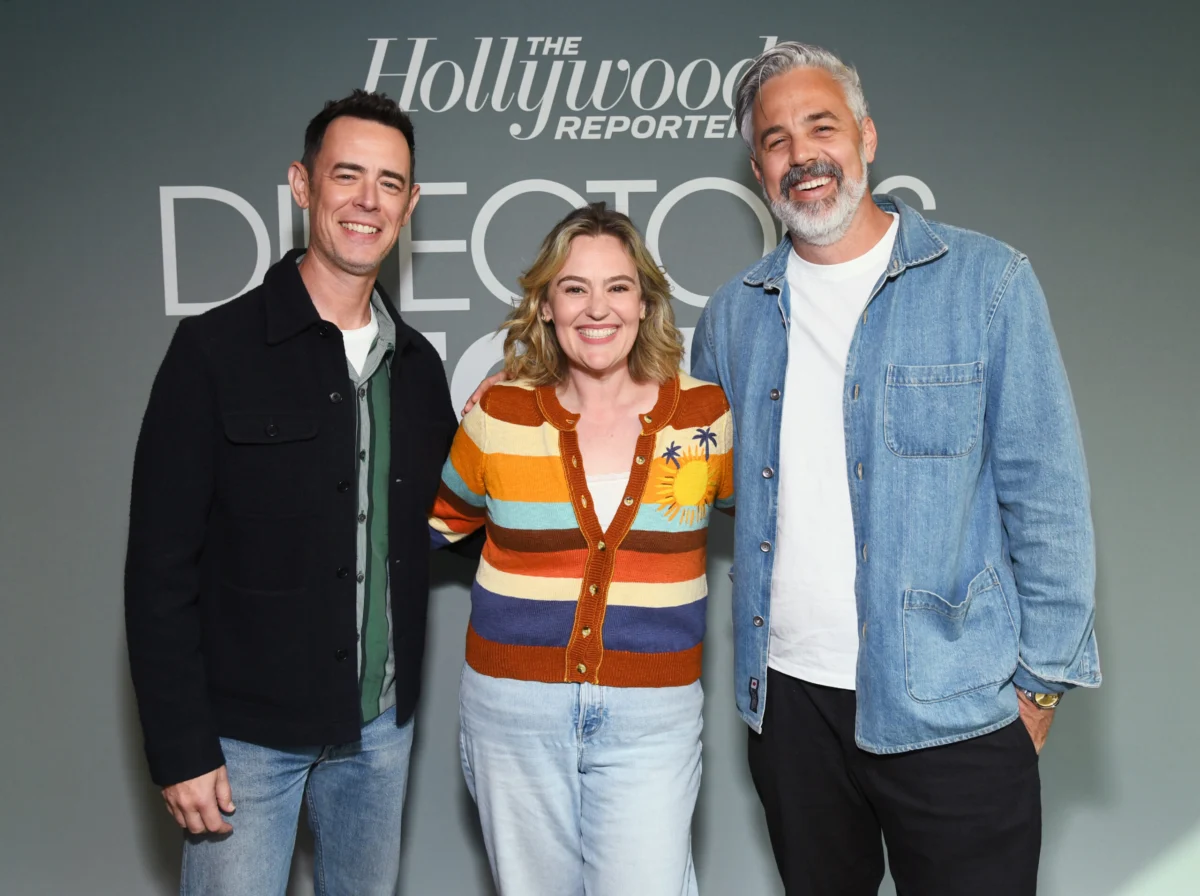
Finally, the symposium welcomed Colin Hanks, who joined producers Jennifer Candy-Sullivan and Shane Reid for a poignant discussion about their documentary, John Candy: I Like Me. This project, which explores the life and enduring legacy of the beloved comedic actor John Candy, holds particular significance for his family, offering a deeply personal look at a cultural icon. The inclusion of a documentary panel highlighted the diverse forms of storytelling that fall under the umbrella of television direction, from scripted dramas and comedies to deeply personal non-fiction narratives.
Implications for the 2026 Emmy Race and Beyond
The Hollywood Reporter’s "Directors in Focus" event served as an early, yet potent, indicator of the directorial achievements and innovative storytelling that will undoubtedly shape the 2026 Emmy Awards race. The discussions underscored the multifaceted nature of television direction, encompassing technical mastery, creative adaptation, emotional intelligence, and groundbreaking experimental formats. From Michael Patrick King’s poignant navigation of loss in a cherished series to Sam Levinson’s bold stylistic experiments in Euphoria, John Wells’s meticulous pursuit of medical realism, Jet Wilkinson’s empathetic leadership on emotionally charged sets, and Jake Szymanski’s unprecedented blend of reality and comedy, the event showcased the breadth and depth of talent driving the current golden age of television.
The insights gleaned from these panels offer more than just a preview of potential Emmy contenders; they provide a valuable roadmap for understanding the evolving craft of television production. Directors are increasingly expected to be not only visionaries but also astute problem-solvers, sensitive leaders, and innovative storytellers capable of pushing boundaries across a diverse range of genres and formats. As the industry looks towards the 2026 Emmys, the conversations ignited at "Directors in Focus" will undoubtedly resonate, influencing voter perspectives and celebrating the intricate artistry that makes television a powerful and captivating medium. The event reinforced the idea that exceptional direction is at the heart of compelling television, a craft that continues to adapt, innovate, and inspire.