The Popcorn List, an influential annual survey of festival programmers designed to identify high-quality independent films currently lacking wide distribution, has officially unveiled the second edition of its Pop Up Series. Scheduled to take place throughout July 2026, the series serves as a strategic "sneak-preview" event, bringing seven curated feature films to twelve select theaters across the United States. This initiative, dubbed "Fresh, Hot Summer" by its organizers, aims to bridge the gap between the prestigious festival circuit and general audience accessibility, culminating in an encore presentation during the prestigious Gotham Week in October.
The 2026 iteration of the Pop Up Series represents a significant expansion of a concept first introduced in 2025. Created to address an increasingly volatile and consolidated film distribution landscape, the series provides a critical window of visibility for titles that have garnered acclaim at major international festivals but have yet to secure traditional theatrical or streaming deals. By bypassing the standard gatekeeping of major distributors, the Pop Pop Series empowers filmmakers to build direct relationships with audiences and regional art-house cinemas.
A Curated Selection of New Voices
The selection process for the 2026 series was led by three distinguished figures in the independent film community: Ouma Amadou, a programmer at the renowned Ragtag Cinema; Dr. Alicia Kozma, the director of Indiana University Cinema; and veteran freelance programmer Monica Castillo. Together, they reviewed the 2026 Popcorn List—a compilation of titles recommended by programmers from festivals such as Sundance, SXSW, and Venice—to select seven features that represent the vanguard of contemporary storytelling.
The chosen films are all directorial debuts, reflecting a concerted effort to champion first-time feature filmmakers. Furthermore, the lineup emphasizes diversity, with several projects helmed by women and people of color. The selected titles include:
- The Fisherman (Directed by Zoey Martinson): A magical realist comedy set in Ghana, following an aging fisherman named Atta Oko. The film, which had its world premiere at the 2024 Venice Biennale, explores themes of legacy and ambition through the lens of a man seeking a boat with the assistance of a talking fish.
- Fucktoys (Directed by Annapurna Sriram): Making its world premiere at SXSW 2025, this film follows a young woman navigating a series of bizarre encounters in "Trashtown, USA" to break a psychic curse. Sriram was notably recognized on the "25 New Faces of Independent Film" list in 2025.
- Remaining Native (Directed by Paige Bethmann): A documentary that premiered at SXSW 2025, it chronicles the journey of Kutoven Stevens, a 17-year-old Native American runner. The narrative intertwines his athletic aspirations with the historical trauma of his great-grandfather’s escape from an Indian boarding school.
- Seeds (Directed by Brittany Shyne): A lyrical, black-and-white portrait of centennial Black farmers in the American South. Premiering at Sundance 2025, the film serves as a meditative study on land ownership and generational decline.
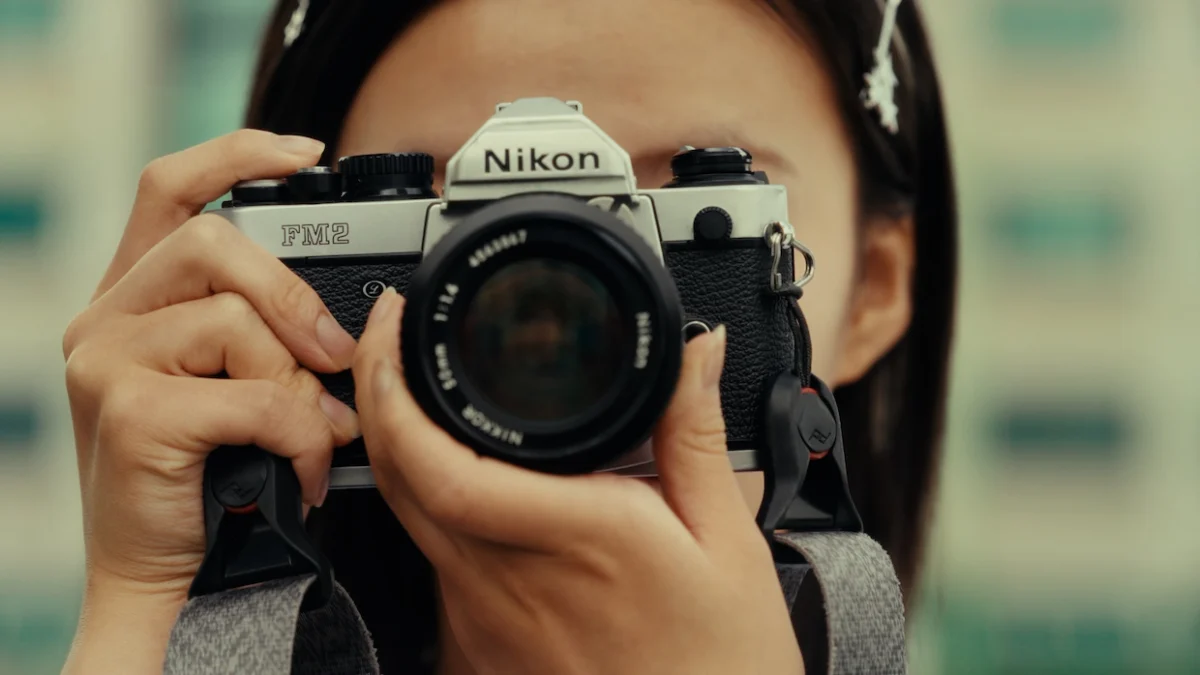
- Summer’s Camera (Directed by Divine Sung): Following its world premiere at BFI Flare 2025, this drama depicts a young woman uncovering her late father’s hidden history through vintage photography, leading to a profound re-evaluation of her family identity.
- Trash Baby (Directed by Jacy Mairs): A coming-of-age drama that premiered at SXSW 2025, focusing on a 12-year-old girl named Stevie who seeks beauty and resilience within a challenging environment.
- WTO/99 (Directed by Ian Bell): An archival documentary that debuted at True/False 2025. It reconstructs the 1999 Seattle WTO protests, analyzing the clash between globalization and grassroots movements focused on labor and human rights.
The Solidarity Pool: A Collaborative Financial Model
One of the most distinctive aspects of the Pop Up Series is its "solidarity pool" financial model. In a departure from traditional distribution agreements—where theaters and distributors often take the lion’s share of revenue before filmmakers see a profit—the Pop Up Series operates on a collective basis. Every ticket sold across the twelve participating theaters contributes to a centralized fund. At the conclusion of the series, this pool is split evenly among the participating filmmakers.
This model is designed to provide immediate financial support to independent creators while they continue to negotiate long-term distribution rights. By utilizing a "centralized marketing strategy," the organizers allow filmmakers to retain full ownership of their intellectual property while benefiting from a national promotional push. This approach mitigates the risks associated with the "DIY" distribution route, which often exhausts the limited resources of independent productions.
Industry analysts suggest that such models are becoming increasingly necessary as mid-budget and independent films find fewer opportunities in a market dominated by franchise tentpoles and algorithm-driven streaming acquisitions. The "solidarity pool" ensures that even the most niche documentary or experimental narrative has a guaranteed baseline of financial return from its theatrical engagement.

Strategic National Partnerships
The 2026 Pop Up Series is hosted by a network of regional cinemas known for their commitment to adventurous programming. Each participating theater selects specific films from the seven-title roster that best align with their local audience’s tastes. The participating venues for the 2026 season include:
- Amherst Cinema (Amherst, MA)
- CineSpeak (Philadelphia, PA)
- Esquire Theatre hosted by Leontine Cinema (Cincinnati, OH)
- Independent Picture House (Charlotte, NC)
- Museum of Fine Arts (Houston, TX)
- Nightlight Cinema (Akron, OH)
- Palm Theater (San Luis Obispo, CA)
- Phoenix Film Society (Phoenix, AZ)
- Roxie Theater (San Francisco, CA)
- SIFF (Seattle, WA)
- Sidewalk Film Center (Birmingham, AL)
- Texas Theater (Dallas, TX)
These theaters act as cultural hubs, providing a platform for films that might otherwise never reach screens outside of New York or Los Angeles. By engaging with audiences in cities like Akron and Birmingham, the series democratizes access to the year’s most acclaimed festival titles.
Organizational Vision and Industry Impact
The series is presented by mamafilm and The Film Collaborative, two organizations dedicated to the sustainability of the independent film ecosystem. Kathy Susca of The Film Collaborative emphasized the experimental nature of the project, stating that the expansion into its second year is a testament to the potential of non-traditional distribution structures. According to Susca, the goal is to "harness the power of the collective" to prove that collaborative projects can effectively reach and sustain new audiences.
Lela Meadow-Conner, co-organizer and founder of mamafilm, noted the evolution of The Popcorn List since its inception in 2024. She characterized the initiative as a response to the "heart of the mission" of the independent community: connecting like-minded collaborators to ensure the survival of diverse cinematic voices. The project is further supported by Product of Culture and Simple DCP, organizations that provide the technical infrastructure and cultural outreach necessary to execute a national multi-city tour.
The timing of the Pop Up Series is strategically aligned with the broader film industry calendar. By holding screenings in July, the organizers capitalize on a period often reserved for summer blockbusters, offering a counter-programming alternative for cinephiles. The subsequent encore at Gotham Week in October places these films directly in front of industry executives, agents, and buyers during one of the most important film markets in North America.
Future Prospects and Virtual Expansion
Recognizing that many film enthusiasts live outside the twelve host cities, The Popcorn List has announced plans for a virtual iteration of the Pop Up Series. This digital component is expected to launch following the conclusion of Gotham Week, providing a national streaming window for the seven selected films. This hybrid approach—combining the prestige of theatrical screenings with the reach of digital platforms—is increasingly seen as the "gold standard" for independent film launches in the mid-2020s.
The success of the 2026 Pop Up Series will likely serve as a case study for future independent film initiatives. As the cost of traditional theatrical releases continues to rise, collective models like the "solidarity pool" offer a sustainable path forward. By focusing on "fresh, hot" films that have already been vetted by the world’s leading festival programmers, The Popcorn List ensures a high level of quality control, giving audiences confidence in the "blind buy" of a first-time filmmaker’s work.
As the "Fresh, Hot Summer" initiative prepares to launch, the independent film community remains watchful. The ability of these seven films to draw crowds in diverse markets will be a key indicator of the health of the art-house sector. For the filmmakers involved, the series represents more than just a screening; it is a vital lifeline in a competitive industry, offering a rare combination of financial solidarity, creative control, and national exposure.