


The landscape of global entertainment is undergoing its most significant structural transformation since the transition from broadcast to cable television. For over a decade, Wall Street’s relationship with the streaming sector was defined by a singular obsession: subscriber acquisition. Investors rewarded platforms that could demonstrate rapid expansion, often overlooking massive content spends and operational losses in favor of a "growth at all costs" mentality. However, as the market reaches saturation and the economic realities of the post-cable era set in, that romance has evolved into a disciplined demand for profitability. The industry has moved from the "Streaming Wars" of expansion to a "Streaming Siege" of margin optimization, where the ability to generate cash flow now outweighs the total number of households reached.
The Strategic Shift: From Growth to Margins
The pivot toward profitability has forced media giants to dismantle the very incentives that originally drew consumers to streaming. In the early 2010s, streaming was marketed as a cheaper, more flexible alternative to the "bloated" cable bundle. Today, that value proposition is being recalculated. To meet investor expectations for double-digit operating margins, streaming services have implemented a multi-pronged strategy: aggressive price hikes, the elimination of password sharing, and the aggressive rollout of ad-supported tiers.
This shift is a direct response to the declining fortunes of linear television. For legacy media conglomerates like Warner Bros. Discovery (WBD), Paramount Global, and Disney, the high-margin profits of cable networks and broadcast advertising are evaporating as consumers "cut the cord" en masse. While streaming was once viewed as the lifeboat for these companies, it has yet to fully replace the lost revenue of the traditional TV model. Analysts now question whether the streaming business model can ever match the lucrative 30% to 40% margins once seen in the heyday of cable.
A Chronology of the Streaming Evolution
To understand the current state of the market, one must look at the timeline of the industry’s development over the last fifteen years:
- 2007–2013: The Disruption Phase. Netflix pivots from a DVD-by-mail service to a digital streaming platform, initially licensing content from Hollywood studios for a fraction of its value. The industry views streaming as a secondary revenue stream for older content.
- 2013–2019: The Originals Arms Race. Netflix launches House of Cards, proving that streamers can compete with HBO and FX for prestige content. Legacy studios realize they are "selling the rope to their own hangman" and begin clawing back licensing rights to start their own platforms.
- 2019–2021: The Launch Window. The "Streaming Wars" begin in earnest with the launches of Disney+, Apple TV+, HBO Max, and Peacock. The COVID-19 pandemic accelerates adoption, leading to record-breaking subscriber gains but also massive content budgets.
- 2022: The Netflix Shock. In April 2022, Netflix reports its first quarterly subscriber loss in over a decade. The company’s stock price craters, signaling a fundamental shift in how Wall Street evaluates the sector. The focus immediately pivots from "how many subs?" to "how much profit?"
- 2023–2025: The Optimization Era. Platforms begin aggressive cost-cutting. Content is removed from libraries for tax write-offs, password sharing crackdowns are enforced globally, and ad-supported tiers become the primary growth engine for revenue per user (ARPU).
The Financial Divide: Netflix vs. Legacy Media
Despite the shared goal of profitability, a massive gulf remains between the industry leader and its traditional media competitors. Netflix, being a "pure-play" tech company, does not have to manage the decline of a legacy cable business. By the end of 2025, Netflix reported an operating margin of 29.5%, a figure that rivals the tech sector’s elite. With a global paid subscriber base of 325 million, Netflix possesses the scale necessary to spread its multi-billion-dollar content spend across a massive audience, resulting in a lower per-user cost for content.
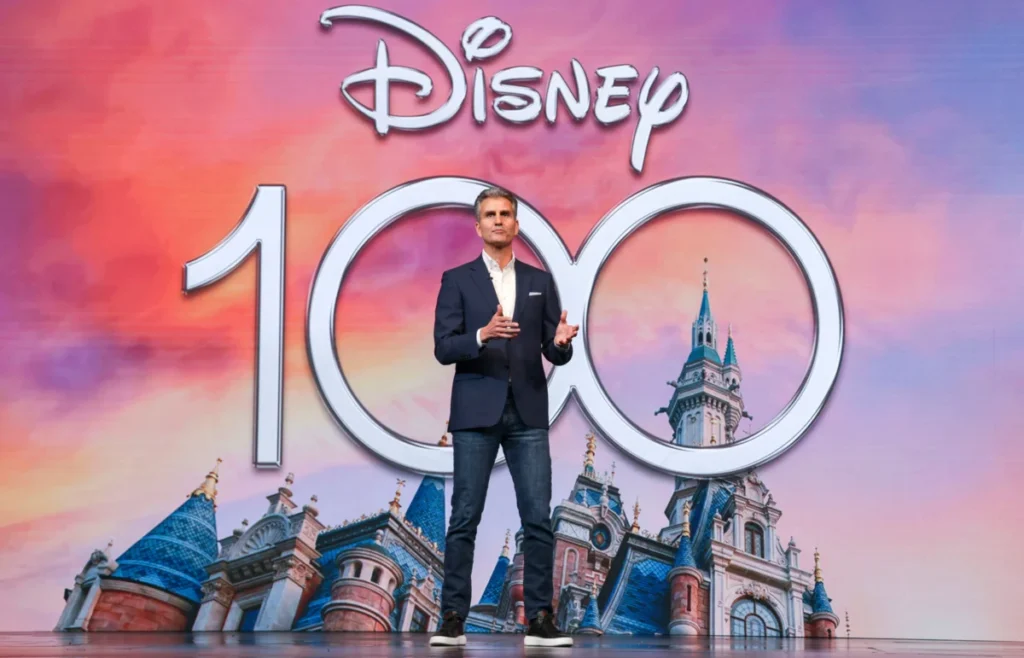
In contrast, legacy media companies are navigating a more complex financial tightrope. Disney, for instance, has guided investors toward a 10% operating margin for its direct-to-consumer (DTC) business by fiscal year 2026. While Disney has been among the most successful at stabilizing its streaming losses, it must still balance its streaming ambitions with the capital-intensive needs of its theme parks and the shrinking margins of its linear networks.
Other players, such as Paramount and Warner Bros. Discovery, have seen flashes of profitability but continue to face pressure. The potential acquisition of WBD by Paramount-Skydance highlights the industry’s desperate need for scale. In a March research note, Robert Fishman, a senior research analyst at MoffettNathanson, noted that while streaming is a "good business," it is likely only viable for those services that achieve sufficient scale. Without that scale, the fixed costs of high-end production and technology infrastructure become prohibitive.
The Role of Advertising and the New "Ad-Tier" Economy
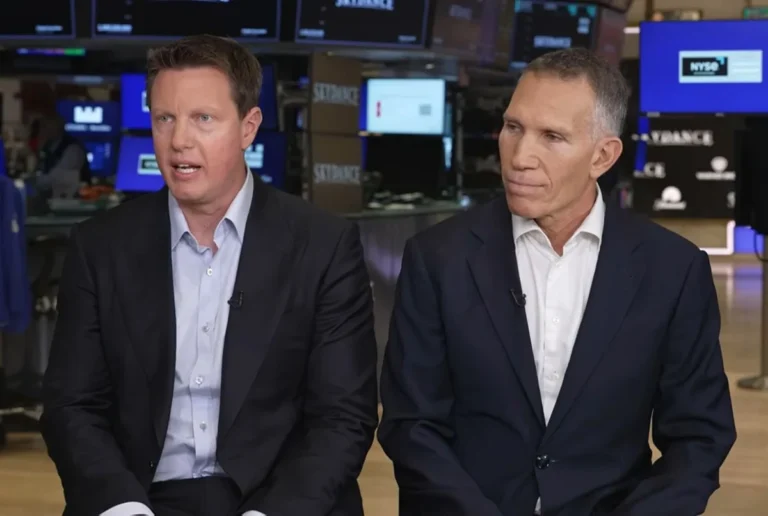
Perhaps the most significant reversal in the streaming world is the embrace of advertising. Netflix co-CEO Greg Peters recently noted that the opportunity in global advertising is "massive," with the company reporting 2025 ad revenue exceeding $1.5 billion. While this only represents roughly 3% of total revenue, it is expected to double in the coming year.
The economics of ad-supported tiers are highly attractive to platforms. In many cases, the combination of a lower subscription price and the revenue generated from commercial spots results in a higher Total Revenue Per User (ARPU) than a standard ad-free subscription. This is why companies like Disney and Netflix are actively steering customers toward ad-supported plans.
This shift has effectively recreated the television experience of the past, albeit with more sophisticated targeting. For legacy media, this is familiar territory; Hulu, Peacock, and Paramount+ have utilized ad models since their inception. However, the competition for these ad dollars is fierce. Tech giants like Google (YouTube) and Meta continue to dominate the digital ad market, leaving streaming platforms to fight for a smaller, though growing, slice of the pie.
Consumer Sentiment and the Pricing Ceiling
As streaming companies raise prices to satisfy Wall Street, they are testing the limits of consumer patience. Subscription fees now range from $7.99 for ad-supported tiers to as high as $26.99 for premium, 4K ad-free services. When a consumer subscribes to four or five different services to access a full range of content, the monthly cost can easily exceed $100—surpassing the price of the very cable bundles they originally fled.
To combat "subscription fatigue," the industry is returning to another cable-era tactic: bundling. Partnerships such as the Disney+/Hulu/ESPN+ bundle, or the emerging collaborations between competitors like Netflix and Max through third-party distributors, are designed to reduce "churn" (the rate at which customers cancel subscriptions).
"We’re going to find out how sticky services are if price continues to go up," Doug Creutz, senior research analyst at Cowen, told CNBC. Analysts are closely watching whether price increases lead to a mass exodus of subscribers or if streaming has become an "essential" utility in the modern household.
Broader Impact and Industry Implications
The transition to a profit-first model has profound implications for the creative side of Hollywood. The era of "peak TV," characterized by an endless supply of high-budget scripted series, appears to be cooling. Platforms are becoming more selective, focusing on franchises with built-in audiences and "live" content—such as sports and comedy specials—that can drive both subscriptions and advertising revenue.
Furthermore, the lack of transparency in reporting is a growing concern for analysts. As Netflix and Disney stop reporting quarterly subscriber counts, the focus has shifted to more opaque metrics like "engagement hours" and "operating income." This makes it harder for investors to compare the health of different services on an "apples to apples" basis.
The long-term question remains: can streaming ever be as profitable as the linear television business it replaced? For Netflix, the answer appears to be a resounding yes. For legacy media companies, the answer is still being written. The coming years will likely see further consolidation as smaller players realize they cannot survive the high-stakes environment of the "Streaming Siege" without the scale and technical infrastructure of their larger rivals.
As the industry prepares for the next round of earnings reports, the metrics of success have never been clearer. It is no longer about how many people are watching; it is about how much each of those viewers is worth to the bottom line. The love affair with streaming continues, but the terms of the engagement have fundamentally changed.