
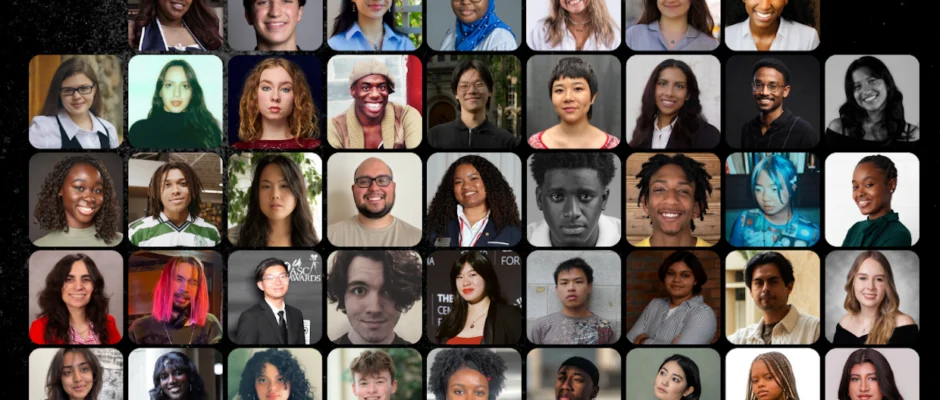
The Gotham, the renowned New York-based filmmaker advocacy organization and publisher of Filmmaker magazine, has officially announced the selected participants for the 2026 edition of The Gotham EDU Film and Media Career Development Program. Bringing together 43 exceptional college and university students from 31 different institutions across the United States, this year’s cohort represents one of the most geographically diverse and academically accomplished groups in the initiative’s history.
Running virtually from June 15 through August 6, 2026, the intensive eight-week program is designed to bridge the persistent gap between academia and the professional entertainment industry. By offering structured mentorship, curated masterclasses, direct pitch feedback, and real-world networking opportunities, The Gotham EDU aims to equip the next generation of storytellers, executives, and media entrepreneurs with the practical roadmaps necessary to navigate an increasingly competitive marketplace. Thanks to robust philanthropic, institutional, and corporate backing, all 43 participants have been granted full tuition coverage, ensuring equitable access regardless of financial background.
Core Structure and Specialized Industry Tracks
To accommodate the wide-ranging career aspirations of its participants, the 2026 curriculum is divided into six distinct tracks, each tailored to a specific sector of the film and media landscape.
The first of these is the Narrative Filmmaker Track, which focuses on the craft, production pipeline, and distribution strategies essential for independent fiction features. Complementing this is the Documentary Filmmaker Track, dedicated to the unique ethical, editorial, and financing challenges faced by nonfiction storytellers. For those focused on serialized content, the Television/Episodic Creator Track hones in on writers’ room dynamics, showrunning basics, and episodic development.
Expanding beyond traditional creative roles, the program also addresses the business and leadership sides of the industry. The Entrepreneurship in Media Track explores modern startup ecosystems, alternative financing models, and digital distribution platforms. Meanwhile, the Executive Leadership and Ambassador Track prepares students for corporate ascension within studios, agencies, and production houses, incorporating exclusive shadowing opportunities with prominent entities such as Storm City Films.
Finally, the Sidney Poitier Initiative (SPI) Track for Multi-Hyphenates is specifically designed to support diverse creators who operate across multiple disciplines—such as writing, directing, acting, and producing. This track honors the legacy of the pioneering actor and director by empowering underrepresented voices to build sustainable, multi-faceted careers in entertainment.
A Brief History and Evolution of Gotham EDU
The announcement of the 2026 cohort marks a significant milestone for the initiative, which is entering its eighth consecutive year. Launched in the summer of 2020 at the height of the COVID-19 pandemic, Gotham EDU originally began as a modest pilot program supporting just 22 students. At a time when traditional internships and networking events were abruptly canceled nationwide, the virtual format served as an essential lifeline for film students seeking industry guidance.
Over the past eight years, the program has scaled considerably in both scope and recognition. By maintaining a virtual infrastructure, The Gotham has successfully eliminated geographic barriers, allowing students from regional universities and Historically Black Colleges and Universities (HBCUs) to participate alongside peers from Ivy League institutions and major coastal film schools without the prohibitive costs of relocating to New York or Los Angeles.
Throughout its history, the program has drawn an impressive roster of guest speakers and industry leaders. Professionals from major entities such as Netflix, MGM, MACRO, United Talent Agency (UTA), ColorCreative, NBCUniversal, Blumhouse Productions, NEON, SFFILM, Kinema, and WILLA have regularly contributed their time. These veterans provide unfiltered, realistic assessments of the current media landscape, giving students an unvarnished look at the realities of development, financing, production, and distribution.
Institutional Support and Funding Partners
The sustainability and accessibility of The Gotham EDU rely heavily on a coalition of philanthropic donors, corporate sponsors, and academic institutions. For the 2026 edition, key financial backers include The Burke Family Foundation, NBCUniversal, Colgate University, and Yale University.
Furthermore, specific tracks benefit from targeted sponsorships. The SPI Track for Multi-Hyphenates receives direct support from the Sidney Poitier Initiative, ensuring continued resources for diverse multi-talented artists. Similarly, the Entrepreneurship in Media Track is co-sponsored by Joe and Christie Marchese, whose contributions help fund curriculum development focused on media innovation and business models.
This multi-tiered funding model is what allows The Gotham to maintain a strict policy of full tuition waivers for every accepted student. In an industry where unpaid internships and expensive workshops have historically favored wealthier candidates, this tuition-free framework is a deliberate step toward democratizing entry into the entertainment business.
Leadership Insights and Programmatic Goals
Leadership at The Gotham emphasized that the 2026 cohort was selected not only for their academic excellence, but for their distinct creative visions and adaptability.
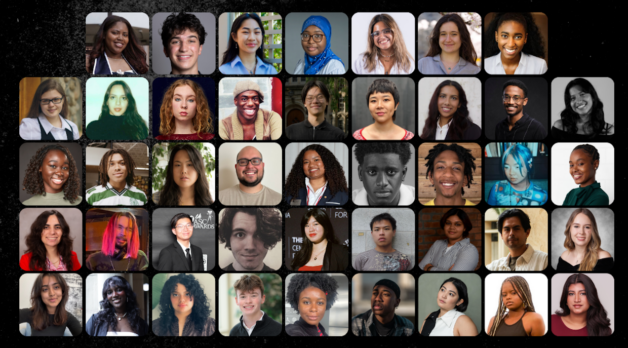
"Watching students arrive with a vision then leave with a real roadmap is what Gotham EDU is about," said Kia Brooks, Managing Director of The Gotham, in an official press release. "For our eighth cohort, one of the most diverse and driven we’ve seen, we’ve built tracks that reflect where the industry is actually heading. We can’t wait to see this group learn, connect, and elevate their careers."
Jeffrey Sharp, Executive Director of The Gotham, echoed these sentiments, highlighting the organization’s commitment to transparency and practical skill-building. "What keeps this program vital is the honesty and practicality of these resources—students get unfiltered access to professionals who tell them what the work really looks like," Sharp noted. "We’re proud of the incredible growth of the Gotham EDU Film and Media Career Development Program and the impact it continues to make on future leaders of the entertainment industry."
Beyond the core eight-week virtual curriculum ending in August, select participants will be given the unique opportunity to attend Gotham Week in the fall—scheduled to run from September 27 through October 3, 2026. This premier industry event will allow students to transition from virtual learning rooms into live networking environments, interacting directly with financiers, buyers, and established filmmakers from around the globe.
Broader Implications and Industry Impact
The launch of the 2026 Gotham EDU cohort arrives at a critical juncture for the entertainment industry. Following years of post-pandemic structural shifts, contraction in streaming budgets, and evolving labor agreements, major studios and independent production companies alike are searching for agile, digitally native talent who understand both the creative and economic realities of modern media.
By equipping students with cross-disciplinary training—ranging from narrative production to media entrepreneurship—programs like Gotham EDU play a vital role in shaping a more resilient workforce. Industry analysts note that initiatives providing direct mentorship and executive exposure significantly reduce the attrition rate of diverse talent entering the professional sphere, ultimately influencing the types of stories that make it to the screen in the coming decade.
Full Roster of the 2026 Gotham EDU Cohort
The 43 students selected for the 2026 Film and Media Career Development Program, categorized by their respective tracks and institutions, are as follows:
Executive Ambassador Track
- Ayana Ahuja – Brown University
- Layla Santana – St. John’s University
- Sierra Bleu Bivins – Emerson College
Executive Leadership Track
- Ashley Dunbar – Colgate University
- Ava Maire Mc Dermott – Pace University
- Avantika Matele – Princeton University
- Gabriela Acensio – Oglethorpe University
- Nil Mira Celik – American University
Narrative Filmmaker Track
- Chenjun Gao – Yale University
- Eduardo Diaz Sandoval – New Mexico State University
- Kai Tomizawa – New York University
- Lynn Nguyen – Brown University
- Nicholas Diodato – Rutgers University
- Tramaine Raphael Gray – CalArts
- Will Beere – Colgate University
SPI Track for Multi-Hyphenates
- Amber Dhall – New York University
- Brian Wade – Feirstein Graduate School of Cinema
- Chiamaka Okafor – University of Connecticut
- Ganiah Lucinda Bracy – Washington & Jefferson College
- Grant Fortune – Howard University
- Isabella Maaliki – New York University
- Mareme Fall – Vassar College
Entrepreneurship in Media Track
- Aric Julian Lopez – University of Southern California
- Dominique de Castro – Columbia University
- Kyara Gandara – San Diego State University
- Mary Moussa – Hunter College
- Saifeddine Lahmar – Northwestern University
- Xavier Peng – Chapman University
Television/Episodic Creator Track
- Amy B. Tiong – Northwestern University
- Essence Jackson – Howard University
- Haley Sakamoto – Stony Brook University
- Kahley Burwell – Loyola Marymount University
- Nathaniel Kron – Colgate University
- Nicole Viloria – Yale University
- Trish Owyang – Columbia College Chicago
Documentary Filmmaker Track
- Alexus Anderson – Georgia State University
- Alice Adriana Estrada – Tufts University
- Christian Lee – UCLA
- Edward Nguyen – Yale University
- Joshua Jones – Colgate University
- Kg Giroux – New York University
- Logan R. St. Hilaire – The Ohio State University
- Toby Nicholson – Colgate University