


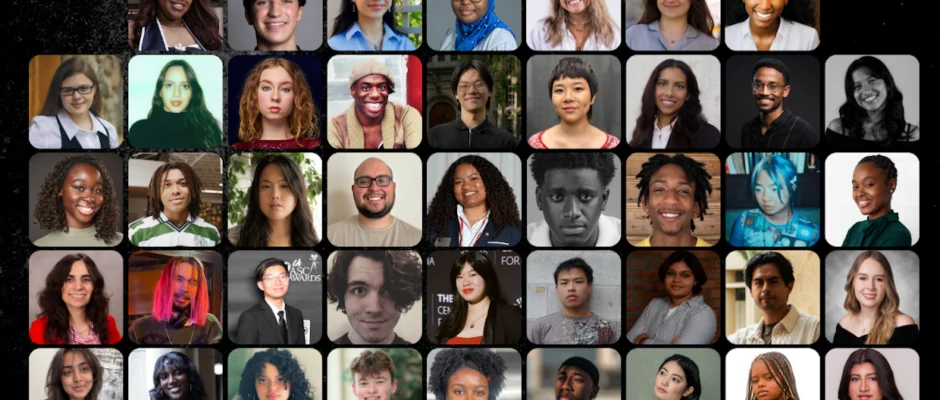
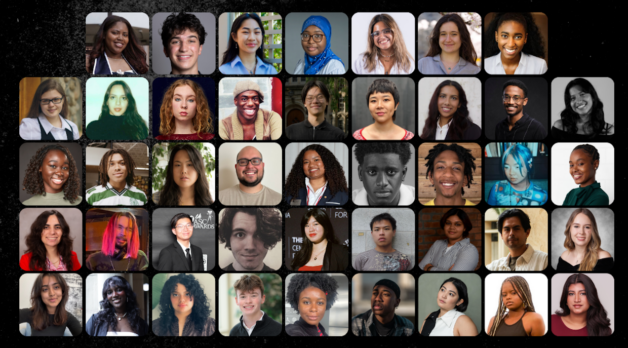
The Gotham Film & Media Institute, the non-profit organization and publisher of Filmmaker Magazine, has officially revealed the 43 students selected for the 2026 edition of its EDU Film and Media Career Development Program. This eight-week intensive, held virtually to ensure nationwide accessibility, is designed to bridge the gap between academic study and professional practice in the rapidly evolving entertainment landscape. By providing a direct pipeline to industry veterans, the program offers a roadmap for the next generation of storytellers, executives, and media entrepreneurs.
Starting June 15 and concluding on August 6, the 2026 cohort will engage in a rigorous curriculum consisting of curated workshops, one-on-one mentorship, and practical pitch feedback sessions. The program’s eighth iteration represents a significant milestone in its history, nearly doubling in size since its inception in 2020. This year’s participants hail from 31 different colleges and universities, representing a broad geographic and demographic cross-section of the American student population.
A Specialized Approach to Career Development
The Gotham EDU program distinguishes itself through a specialized track system, allowing students to focus on the specific niche of the industry that aligns with their career aspirations. For the 2026 cycle, the program offers six distinct pathways:
- The Sidney Poitier Initiative (SPI) Track for Multi-Hyphenates: Designed for students who refuse to be categorized by a single role, this track supports those pursuing simultaneous careers in acting, directing, writing, and producing.
- The Executive Leadership and Ambassador Track: Focused on the business and administrative side of film, this track prepares students for roles in development, distribution, and talent management.
- The Television/Episodic Creator Track: Aimed at the booming world of streaming and broadcast TV, this pathway focuses on series architecture, pilot writing, and the "showrunning" process.
- The Documentary Filmmaker Track: Dedicated to non-fiction storytelling, this track emphasizes research, ethics, and the unique funding structures of the documentary world.
- The Narrative Filmmaker Track: The traditional path for feature film creators, focusing on visual storytelling, cinematography, and indie film production.
- The Entrepreneurship in Media Track: A forward-looking track that explores new business models, media tech, and the intersection of content and commerce.
This structured approach ensures that students do not receive a generic overview of the industry but rather targeted insights that apply to their specific professional goals.
Strategic Growth and Historical Context
The Gotham EDU Film and Media Career Development Program was launched in 2020, a year defined by the global pandemic and a radical shift toward remote work and learning. Originally debuting with a modest group of 22 students, the program was a response to the sudden lack of internships and networking opportunities available to film students.
Over the last six years, the program has transitioned from a temporary solution into a cornerstone of The Gotham’s educational outreach. The decision to maintain a virtual format for the 2026 edition is a strategic one, allowing the institute to recruit talent from institutions that may not have the resources or proximity to major hubs like Los Angeles or New York City. Despite the virtual nature of the primary curriculum, the program offers tangible "real-world" integration, including invitations for select students to attend Gotham Week—a major industry marketplace—taking place from September 27 to October 3, 2026.
Leadership and Industry Integration
The program’s success is largely attributed to its ability to attract high-level industry participation. Previous iterations have featured speakers and mentors from powerhouse organizations such as Netflix, MGM, MACRO, United Talent Agency (UTA), ColorCreative, NBCUniversal, Blumhouse, NEON, SFFILM, Kinema, and WILLA.
Kia Brooks, Managing Director of The Gotham, emphasized the transformative nature of the program in a recent press statement. "Watching students arrive with a vision then leave with a real roadmap is what Gotham EDU is about," Brooks stated. She noted that the 2026 cohort is among the "most diverse and driven" the organization has seen, highlighting that the tracks were specifically built to reflect the current direction of the entertainment industry.
Jeffrey Sharp, Executive Director of The Gotham, echoed these sentiments, pointing to the practical utility of the resources provided. "What keeps this program vital is the honesty and practicality of these resources—students get unfiltered access to professionals who tell them what the work really looks like," Sharp said. This "unfiltered" access is a hallmark of the program, moving beyond theoretical classroom learning to address the realities of production budgets, contract negotiations, and the complexities of the modern marketplace.
Funding and Philanthropic Support
A critical component of the Gotham EDU program is its commitment to equity. Through the support of corporate, philanthropic, and institutional partners, the Career Development Program provides full tuition for all 43 selected students. This eliminates the financial barrier that often prevents talented students from participating in high-level career intensives.
The 2026 edition is supported by a diverse group of backers, including the Burke Family Foundation, NBCUniversal, Colgate University, and Yale University. Specific tracks also receive dedicated funding: the Sidney Poitier Initiative supports the Multi-Hyphenate track, while Joe and Christie Marchese provide the backing for the Entrepreneurship in Media track. This collaborative funding model allows the program to remain sustainable while offering its services at no cost to the participants.
Furthermore, students in the Executive Leadership and Ambassador Track are granted unique professional opportunities, such as shadowing roles with companies like Storm City Films, providing them with a front-row seat to the daily operations of a production house.
Broad Implications for the Entertainment Industry
The Gotham’s initiative comes at a time when the film and media industry is facing significant disruption. From the rise of generative AI to the restructuring of the streaming economy, the skills required for a successful career are in a state of flux. By focusing on "multi-hyphenates" and "media entrepreneurship," The Gotham is acknowledging that the modern filmmaker must be as savvy in business and technology as they are in creative expression.
The inclusion of 31 different colleges—ranging from Ivy League institutions like Yale and Brown to large state schools like The Ohio State University and specialized arts colleges like CalArts—suggests a concerted effort to democratize the industry’s talent pool. This diversity is not merely a social goal but a business imperative, as the industry seeks new voices to reach global and increasingly fragmented audiences.
The 2026 Gotham EDU Cohort
The following students have been selected for the 2026 Gotham EDU Film and Media Career Development Program, categorized by their respective tracks:
Executive Ambassador Track
- Ayana Ahuja – Brown University
- Layla Santana – St. John’s University
- Sierra Bleu Bivins – Emerson College
Executive Leadership Track
- Ashley Dunbar – Colgate University
- Ava Maire Mc Dermott – Pace University
- Avantika Matele – Princeton University
- Gabriela Acensio – Oglethorpe University
- Nil Mira Celik – American University
Narrative Filmmaker Track
- Chenjun Gao – Yale University
- Eduardo Diaz Sandoval – New Mexico State University
- Kai Tomizawa – New York University
- Lynn Nguyen – Brown University
- Nicholas Diodato – Rutgers University
- Tramaine Raphael Gray – CalArts
- Will Beere – Colgate University
SPI Track for Multi-Hyphenates
- Amber Dhall – New York University
- Brian Wade – Feirstein Graduate School of Cinema
- Chiamaka Okafor – University of Connecticut
- Ganiah Lucinda Bracy – Washington & Jefferson College
- Grant Fortune – Howard University
- Isabella Maaliki – New York University
- Mareme Fall – Vassar College
Entrepreneurship in Media Track
- Aric Julian Lopez – University of Southern California
- Dominique de Castro – Columbia University
- Kyara Gandara – San Diego State University
- Mary Moussa – Hunter College
- Saifeddine Lahmar – Northwestern University
- Xavier Peng – Chapman University
Television/Episodic Creator Track
- Amy B. Tiong – Northwestern University
- Essence Jackson – Howard University
- Haley Sakamoto – Stonybrook University
- Kahley Burwell – Loyola Marymount University
- Nathaniel Kron – Colgate University
- Nicole Viloria – Yale University
- Trish Owyang – Columbia College Chicago
Documentary Filmmaker Track
- Alexus Anderson – Georgia State University
- Alice Adriana Estrada – Tufts University
- Christian Lee – UCLA
- Edward Nguyen – Yale University
- Joshua Jones – Colgate University
- Kg Giroux – New York University
- Logan R. St Hilaire – The Ohio State University
- Toby Nicholson – Colgate University
Looking Forward: The Path to Gotham Week
As the eight-week program concludes in August, the journey for these students is only beginning. The transition from the virtual classroom to the industry floor will be formalized during Gotham Week in late September. This event serves as one of the premier gatherings for independent filmmakers in the United States, providing a venue for creators to pitch projects to financiers, distributors, and festival programmers.
By integrating the EDU cohort into Gotham Week, the institute ensures that the "roadmap" mentioned by Kia Brooks leads to a destination. For these 43 students, the program is more than just an educational supplement; it is a professional entry point into an industry that is notoriously difficult to penetrate. As the 2026 cohort prepares to begin their sessions, the eyes of the independent film community will be on these emerging leaders to see how they shape the future of media.