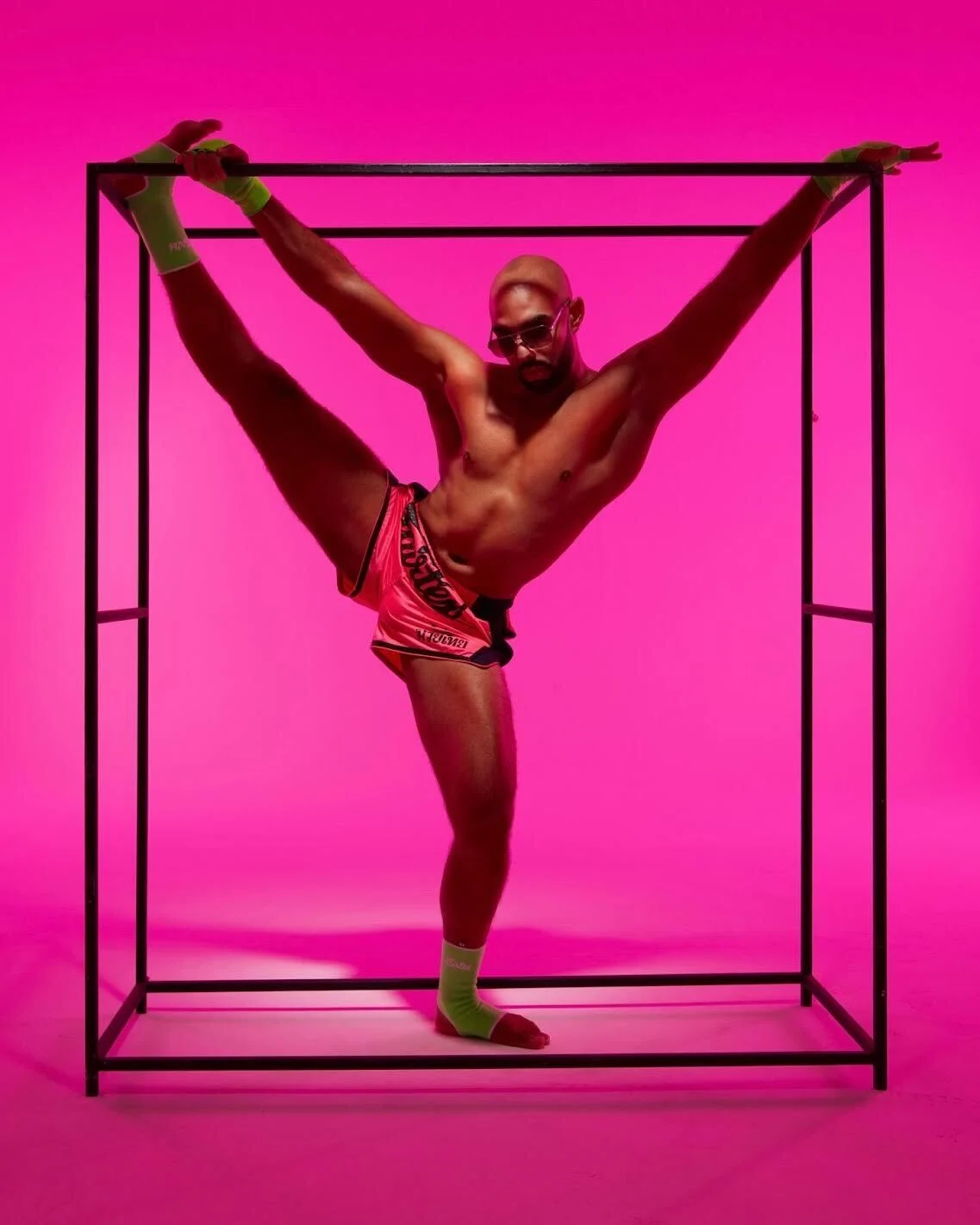
In an era defined by the rapid rise and fall of digital personalities, few stories capture the surreal intersection of influencer culture, crypto-marketing, and social satire quite like that of Brian Michael Hinds. Known to millions by his online moniker "Bottom G," Hinds has built a lucrative career by serving as the flamboyant, queer-coded antithesis to Andrew Tate, the former kickboxer and self-proclaimed "Top G" who has become the face of a controversial brand of hyper-masculinity. The tension between these two personas recently reached a boiling point following a high-stakes blackjack livestream hosted by the cryptocurrency-based online casino Duel, sparking a debate over authenticity and marketing tactics in the digital age.
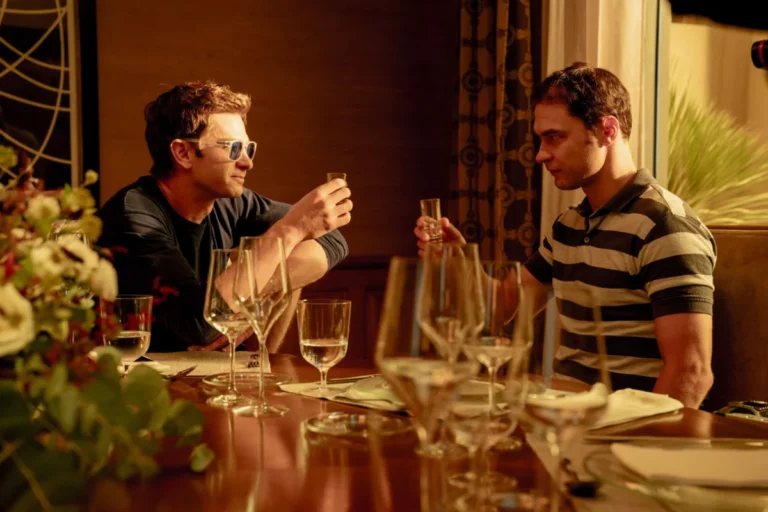
The event in question took place last month when Duel promoted a live blackjack session they claimed would feature Andrew Tate. When the cameras began rolling, viewers were greeted by a man who possessed a striking physical resemblance to Tate—bald head, dark stubble, and the signature aviator sunglasses—but whose behavior was anything but traditional. Instead of the stoic, aggressive posturing associated with the Tate brand, the performer engaged in vigorous twerking, performed a full split on the gambling table, and spontaneously kissed a male assistant. The performance was not a malfunction of character but a deliberate manifestation of the "Bottom G" persona, a character Hinds has cultivated to promote his music and performance art.
The Duel Controversy: Strategic Marketing or a Failed Bait-and-Switch
The aftermath of the livestream saw a flurry of conflicting statements from the involved parties. Ossi Ketola, the founder and owner of Duel, took to the casino’s Discord server to claim that the company had been "rugged" or defrauded by an influencer management agency. Ketola alleged that the casino had been promised a deal for the real Andrew Tate and only realized an "imposter" had arrived once the production was already underway. According to Ketola, the company proceeded with the stream only to "save face" after incurring significant production costs.
However, Brian Michael Hinds presents a vastly different account of the negotiations. In a series of statements, Hinds asserted that Duel was fully aware of his identity and specifically requested the "Bottom G" performance. Hinds, a 29-year-old of German and Barbadian descent, explained that the absurdity of the performance was the intended draw. "Of course that was the whole request," Hinds stated, noting that his specific brand of joie de vivre is what attracts fans and brands alike. Despite the public dispute, Hinds indicated that he plans to collaborate with the casino again, suggesting that the "controversy" may have served as a highly effective viral marketing strategy for both the casino and the performer.
Chronology of a Viral Persona: From Musician to Meme
The rise of Bottom G was not a calculated attempt to copy Andrew Tate from the outset, but rather a response to the algorithmic forces of social media. In 2022, Hinds was focused on his career as a singer and dancer. His background is rooted in traditional performance; he previously competed on Germany’s version of American Idol and worked as a dancer at the iconic Moulin Rouge in Paris.
As he began posting content to promote his music, his comment sections were flooded with users pointing out his resemblance to Andrew Tate, who was then reaching the peak of his global notoriety. Initially, Hinds ignored the comparisons, unfamiliar with Tate’s content. However, as the "Top G" brand became synonymous with a specific type of rigid, often misogynistic masculinity, Hinds recognized an opportunity for a subversive counter-narrative.
By late 2022, Hinds embraced the "Bottom G" title. The name itself is a play on the sexual subtext of "Top" and "Bottom," serving as a direct challenge to the patriarchal hierarchy championed by Tate’s followers. While Tate’s content often focuses on wealth, dominance, and traditional gender roles, Hinds’ content emphasizes freedom of movement, queer expression, and a refusal to take the "alpha male" archetype seriously.
The Economics of the Impersonator Industry
The financial implications of Hinds’ persona are substantial. While many online impersonators struggle to monetize their resemblance to celebrities, Hinds has successfully bridged the gap between meme and professional brand. According to Hinds’ management, live performances as Bottom G can command fees ranging from $10,000 to $15,000. For major brand deals and high-profile livestreams like the one conducted with Duel, the compensation can reach six figures.

This "impersonator economy" is fueled by the attention economy of platforms like TikTok, Instagram, and X (formerly Twitter). The viral nature of Hinds’ clips—often featuring him dancing in public spaces from Miami to Barcelona—serves as a low-cost, high-impact marketing tool for his primary passion: music. His most popular track, "Can We Talk About Us," has amassed nearly 4 million streams on Spotify, a figure bolstered significantly by the "Bottom G" phenomenon.
The irony of this success is not lost on the Tate family. In a strange turn of events, both Andrew and Tristan Tate have acknowledged Hinds. In 2022, Hinds claims Tristan Tate reached out via Instagram to express support for the parody. Later, the brothers were filmed listening and dancing to Hinds’ music in a sports car, effectively validating the parody and creating a feedback loop that increased Hinds’ visibility even further.
Legal and Ethical Context: The Shadow of the Tate Brothers
The success of the Bottom G persona exists against a backdrop of serious legal allegations surrounding the men Hinds parodies. Andrew and Tristan Tate are currently facing grave charges in Romania, including human trafficking, rape, and forming a criminal group to sexually exploit women. Additionally, they face legal challenges in the United Kingdom related to allegations of human trafficking and sexual assault. The brothers have consistently denied all allegations, claiming they are victims of a political "Matrix" designed to silence their message.
For Hinds, the association with such polarizing figures is a double-edged sword. While it has provided him with a global platform, it has also led to complications with digital service providers. Hinds has seen multiple social media accounts, particularly on TikTok, deleted without explicit explanation. He speculates that the platforms’ aggressive moderation of Andrew Tate’s content often catches his parody accounts in the crossfire. This digital instability led Hinds to briefly "hate" the Bottom G character in late 2023, as the risks of being de-platformed seemed to outweigh the financial rewards.
Broader Impact: Satire as a Tool of Subversion
The cultural significance of Bottom G extends beyond simple impersonation. In a digital landscape where the "manosphere"—a network of websites and influencers promoting traditionalist and often extremist views on masculinity—has gained significant traction, Hinds represents a unique form of resistance. By using the aesthetic markers of the manosphere to deliver a message of queer joy and flamboyant expression, Hinds effectively "de-claws" the aggressive imagery associated with the Tate brand.
Social analysts suggest that Bottom G’s popularity among both Tate fans and detractors indicates a complex relationship with the "Top G" archetype. For fans, Hinds is a humorous "what if" scenario; for detractors, he is a weapon of mockery that exposes the performative nature of hyper-masculinity. Hinds himself remains somewhat detached from the political implications, describing his approach as "maximalist." He has recently begun working with stylists to incorporate more "outlandish" and colorful wardrobes, intentionally distancing his personal fashion from the muted, "luxury-bro" aesthetic favored by Tate.
Future Outlook: Beyond the Shadow of the Top G
As Brian Michael Hinds looks toward the future, he is focused on evolving his brand into a sustainable career that transcends the "Bottom G" meme. He is currently working on a full-length album and recently released a single titled "Another Time," which explores themes of alienation and the transient nature of his globe-trotting lifestyle. Hinds describes himself as a "night person" with no fixed address, traveling wherever the next performance or brand deal takes him.
Despite the lucrative nature of the parody, Hinds has expressed a desire to eventually pivot away from the character. He has spoken about his long-term ambition to start a "legit male wig business," an idea born from his admiration for how hairpieces allow for dramatic transformations in appearance. "Maybe that’s my way out of this mess," Hinds remarked, suggesting that the fluidity of identity is not just a performance for him, but a core philosophy.
The saga of Bottom G serves as a case study in the complexities of modern fame. It demonstrates how individuals can hijack the algorithms of controversy to build independent platforms, even when those platforms are rooted in the shadow of notorious figures. Whether Hinds remains a viral sensation or successfully transitions into a mainstream pop star, his impact on the digital discourse of masculinity and identity remains a notable chapter in the history of internet culture. For now, the "Bottom G" continues to twerk through the controversy, proving that in the world of online influence, the most effective way to challenge a "Top" is to embrace the "Bottom" with unapologetic flair.