



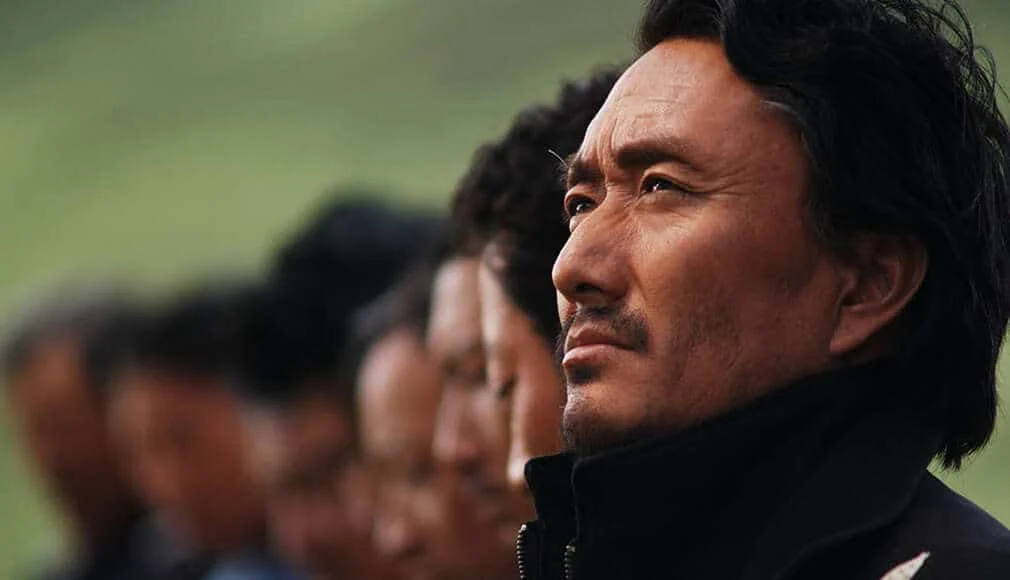
The cinematic portrayal of environmental activism and the harsh realities faced by those who protect endangered wildlife has resonated deeply with audiences and critics alike, as evidenced by the screening of "Kekexili: Mountain Patrol" at the Ulju Mountain Film Festival (UMFF) 2019. This powerful documentary, which immerses viewers in the unforgiving landscape of the Tibetan Plateau, chronicles the valiant efforts of the Wild Yak Brigade, a group of dedicated individuals who have committed themselves to safeguarding the Tibetan antelope, or "chiru," from the relentless threat of poaching.
The film’s presence at the UMFF, a festival renowned for its focus on human endeavors in mountainous regions and the natural world, underscores its significance as a piece of environmental advocacy cinema. "Kekexili: Mountain Patrol" not only tells a compelling story but also serves as a stark reminder of the ongoing challenges in conservation and the personal sacrifices involved. The documentary’s journey to international film festivals signifies a growing global awareness of the critical issues surrounding biodiversity loss and the importance of indigenous communities and local efforts in combating these threats.
The Genesis of the Wild Yak Brigade and the Chiru Crisis
The story at the heart of "Kekexili: Mountain Patrol" is rooted in a critical ecological crisis that began to escalate in the late 20th century. The Tibetan Plateau, a vast and ecologically sensitive region, became a battleground between conservationists and poachers driven by the lucrative international demand for shahtoosh, a luxurious fabric derived from the fine wool of the Tibetan antelope. The chiru, an animal uniquely adapted to the high-altitude environment, possesses incredibly soft and warm wool, making it a target for illegal hunting.
The formation of the Wild Yak Brigade in the 1990s was a direct response to the alarming decline in the chiru population. Facing insufficient government resources and a lack of widespread awareness, a group of determined individuals, primarily from the local Tibetan community, took it upon themselves to patrol the Kekexili (also known as Hoh Xil) nature reserve. Their mission was fraught with danger, pitting them against heavily armed poaching rings who operated with impunity in the remote and desolate landscape. The brigade’s early days were characterized by a desperate struggle for survival, both for themselves and for the animals they sought to protect. They faced extreme weather conditions, scarce resources, and the constant threat of violence.
A Cinematic Journey: From Local Struggle to Global Recognition
"Kekexili: Mountain Patrol," directed by Pema Tseden, has garnered significant international acclaim, highlighting the profound impact of the documentary on a global scale. The film’s selection and screening at prestigious events like the Golden Horse Film Festival and now the Ulju Mountain Film Festival, demonstrate its power to transcend cultural and geographical boundaries, bringing the plight of the chiru and its protectors to a wider audience. The film’s narrative focuses on the bravery and resilience of the Wild Yak Brigade, showcasing their arduous patrols, their confrontations with poachers, and the deep connection they share with their environment and the wildlife it harbors.
The film’s artistic merit has also been recognized, with its narrative style and visual storytelling contributing to its critical success. The raw and authentic portrayal of the Tibetan landscape and the daily lives of the patrol members offers a visceral experience for viewers, fostering empathy and understanding for their cause. The film’s ability to balance the harsh realities of conservation with moments of profound human connection and natural beauty has made it a standout in the documentary genre.
The Unseen Faces of Conservation: Profiles of the Brigade
The documentary shines a spotlight on the individuals who form the backbone of the Wild Yak Brigade, individuals whose stories are often overlooked in broader conservation narratives. Ga Yu, a key figure in the film, embodies the unwavering dedication of these mountain patrols. His journey, as depicted in the film, highlights the personal sacrifices and immense courage required to confront illegal hunting operations. The film also features other members like Ritai, who often undertakes dangerous solo missions, and Liu Dong, whose unwavering commitment to the cause is palpable. These individuals, driven by a deep sense of responsibility towards their environment and its inhabitants, risk their lives daily to combat poaching.
The film delves into the motivations behind their commitment, often revealing a profound spiritual connection to the land and its creatures, a sentiment deeply ingrained in Tibetan culture. Their patrols are not merely about enforcing laws; they are about preserving a way of life and protecting a sacred ecosystem. The narrative often portrays their arduous journeys across vast, desolate terrains, enduring extreme cold, scarce food, and the constant psychological toll of facing armed poachers. These personal stories serve as powerful testaments to the human spirit and the lengths to which ordinary people will go to protect what they hold dear.
Confrontations and Challenges: The Daily Reality of the Patrol
"Kekexili: Mountain Patrol" does not shy away from depicting the dangerous realities faced by the Wild Yak Brigade. The film illustrates their tense encounters with poaching gangs, often highlighting the stark imbalance in firepower and resources. The patrols frequently find themselves outgunned and outnumbered, relying on their knowledge of the terrain, their courage, and their sheer determination to thwart illegal activities. These confrontations are not just about apprehending poachers but also about recovering the pelts of the slaughtered antelopes and dismantling the illegal trade networks.
The documentary provides a chronological account of the brigade’s operations, illustrating the cyclical nature of poaching, which often intensifies during certain seasons. The film portrays the logistical challenges of operating in such a remote and vast area, from maintaining their vehicles to ensuring adequate supplies for extended patrols. The emotional toll on the patrol members is also evident, as they witness firsthand the devastating impact of poaching on the chiru population and the fragile ecosystem.
Data and Statistics: The Grim Picture of Chiru Decline
The urgency of the Wild Yak Brigade’s mission is underscored by the dire statistics surrounding the Tibetan antelope. Before the intense poaching of the late 20th century, estimates suggested a population of over a million chiru. However, by the early 2000s, this number had plummeted to as few as 20,000 to 50,000. The demand for shahtoosh, which can fetch exorbitant prices on the black market, fueled this drastic decline. A single shahtoosh shawl can require the wool of up to five antelopes, highlighting the scale of the slaughter.
The Kekexili National Nature Reserve, established in 1995, covers an area of approximately 45,000 square kilometers, making it one of the largest nature reserves in the world. Despite its designation, the vastness and remoteness of the region made enforcement a monumental task, necessitating the on-the-ground efforts of the Wild Yak Brigade. The film’s narrative implicitly highlights the critical role of such local initiatives in complementing official conservation efforts, especially in areas where state resources are stretched thin.
Official Responses and Broader Implications
The film’s international recognition has undoubtedly amplified the call for stronger conservation measures and increased support for anti-poaching efforts. While the film focuses on the grassroots activism of the Wild Yak Brigade, it implicitly calls for greater governmental and international cooperation in combating wildlife trafficking. The Chinese government has, over the years, increased its efforts to protect the Tibetan antelope, including enhancing patrols, imposing stricter penalties for poaching, and promoting public awareness campaigns.
The success of "Kekexili: Mountain Patrol" in raising awareness about the chiru and the dedication of the Wild Yak Brigade has broader implications for conservation globally. It underscores the vital role of local communities and indigenous knowledge in protecting biodiversity. The film serves as a powerful case study for other regions facing similar environmental challenges, demonstrating that determined individuals, even with limited resources, can make a significant difference. The ongoing fight to protect the chiru also highlights the complex interplay between economic pressures, cultural practices, and environmental sustainability, issues that resonate far beyond the Tibetan Plateau.
The Enduring Legacy of the Mountain Patrol
The screening of "Kekexili: Mountain Patrol" at the Ulju Mountain Film Festival serves as a timely reminder of the ongoing struggle for environmental preservation. The film’s narrative, though focused on a specific region and species, speaks to universal themes of courage, sacrifice, and the profound connection between humanity and nature. The dedication of the Wild Yak Brigade, brought to light through this powerful documentary, continues to inspire conservation efforts worldwide, urging us to recognize and support the unsung heroes who work tirelessly to protect our planet’s precious wildlife. The film’s journey from the remote Kekexili region to international film festivals is a testament to its ability to captivate, educate, and inspire action, ensuring that the story of the mountain patrol and the endangered chiru will not be forgotten.