The highly anticipated sequel to the 2006 cult classic, The Devil Wears Prada 2, has achieved a historic opening weekend, grossing $234 million at the global box office. This significant financial milestone underscores the enduring legacy of the franchise and the high demand for narratives exploring the intersection of high fashion, corporate ambition, and the shifting tides of the media industry. Released nearly two decades after the original film, the sequel reunites principal cast members Anne Hathaway, Emily Blunt, and Stanley Tucci, while centering its narrative on the contemporary crisis facing legacy print journalism. The film, rated PG-13, has already begun to reshape the discourse surrounding "legacy sequels" by opting for a somber, analytical look at the digital transformation of creative industries rather than a mere retread of its predecessor’s glamour-focused tropes.
Narrative Overview and Industry Context
The Devil Wears Prada 2 picks up twenty years after Andy Sachs (Anne Hathaway) famously walked away from her role as the junior assistant to the formidable Miranda Priestly (Meryl Streep). In the intervening years, the film establishes that Andy has built a prestigious career as a globetrotting investigative reporter. However, the narrative begins with her return to Runway magazine, where she is hired to lead the features department. This career pivot serves as the primary lens through which the film examines the current state of the media.
The central conflict of the film revolves around the death of the CEO of Elias-Clarke, the fictionalized conglomerate that serves as a stand-in for real-world media giants like Condé Nast. The transition of power to the CEO’s son, a tech-focused billionaire portrayed by B.J. Novak, introduces a modern antagonist whose goal is the systematic dismantling of substantive editorial content in favor of algorithm-driven efficiency. This plotline mirrors the actual consolidation and "gutting" of newsrooms that has defined the last decade of American journalism. When Andy’s character laments the "soul-sucking" repackaging of content, the film directly addresses the anxiety felt by media professionals regarding the commodification of writing.
Chronology of the Franchise and Production Development
The journey from the original 2006 release to the 2024 sequel was marked by years of speculation and shifting media landscapes. The original film, based on the novel by Lauren Weisberger, was a surprise commercial success, earning $326 million globally on a modest $35 million budget. It became a cultural touchstone, largely due to Meryl Streep’s Academy Award-nominated performance as Miranda Priestly.
- 2006: The original film premieres, defining the "fashion-assistant" subgenre and launching Anne Hathaway and Emily Blunt into new tiers of stardom.
- 2013: Lauren Weisberger releases the literary sequel, Revenge Wears Prada: The Devil Returns, which sparks initial rumors of a film follow-up.
- 2019-2022: Disney’s acquisition of 20th Century Fox brings the IP under a new corporate umbrella, leading to internal discussions regarding a revival or sequel.
- 2023: Production is officially greenlit, with a focus on a screenplay that addresses the digital-first era of fashion media.
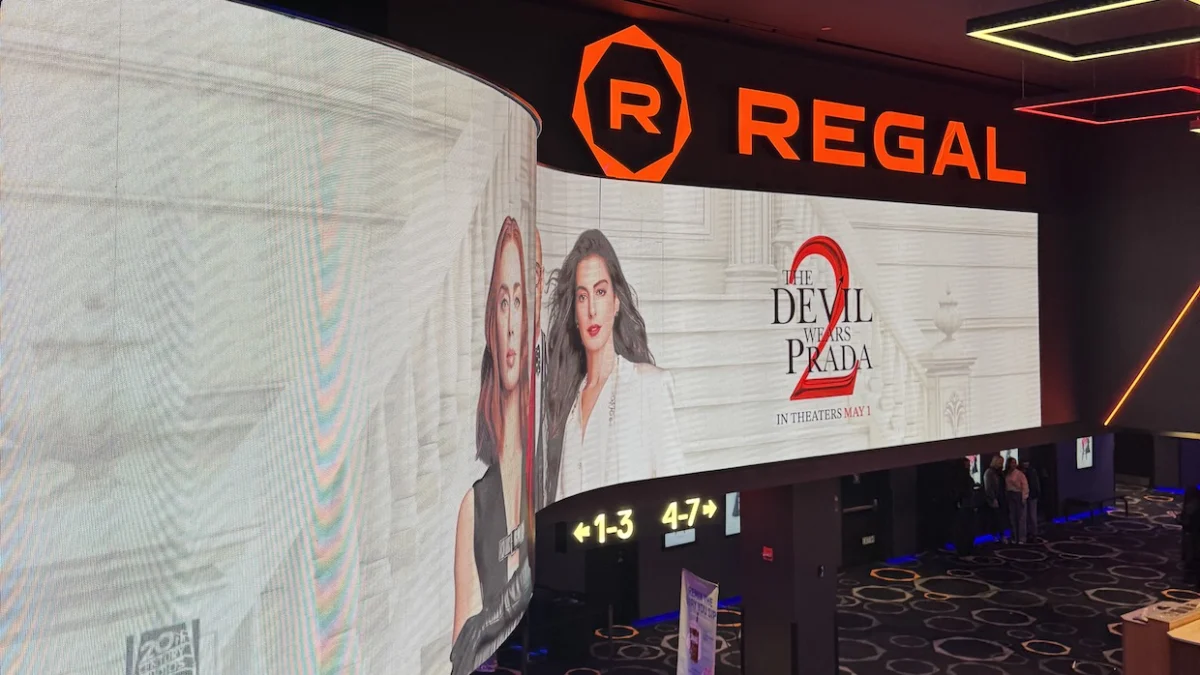
- 2024: The film premieres at major venues, including the Regal Times Square, utilizing high-end theater technology such as ButtKicker seats and immersive audio-visual systems to enhance the viewing experience.
Supporting Data: Box Office and Market Performance
The $234 million opening weekend reflects a 40% increase over the inflation-adjusted opening projections for the original film. Market analysts attribute this performance to a combination of "millennial nostalgia" and the cross-generational appeal of the cast. Demographic data indicates that the primary audience consists of women aged 25–45, many of whom grew up with the original film and now identify with the sequel’s themes of professional burnout and industry instability.
The film’s runtime of one hour and 59 minutes is strategically paced to balance character-driven drama with high-production-value transitions. The use of drones for aerial shots of Manhattan, Milan, and Lake Como indicates a significant increase in production budget, likely exceeding $100 million. Furthermore, the film serves as a major platform for product placement and corporate partnerships. Brands featured prominently include:
- United Airlines (transportation logistics)
- Diet Coke (beverage integration)
- Mrs. Meyer’s Clean Day (lifestyle branding)
- Simple Mills (consumer packaged goods)
These partnerships, while criticized by some as "spon-con," reflect the reality of modern film financing where luxury and lifestyle brands subsidize the costs of high-gloss cinematography.

Character Evolution and Casting Dynamics
One of the film’s most discussed elements is the professional evolution of its characters. Emily (Emily Blunt), once the harried senior assistant, is now depicted as a high-level executive at Dior. This transition from "office mean girl" to a position of established power provides a counterpoint to Andy’s struggle within the dying magazine industry. Stanley Tucci returns as Nigel, though his role has shifted from a mentor figure to a veteran navigating a workplace where his expertise is increasingly undervalued by the new tech-centric leadership.
The absence of Adrian Grenier’s Nate, the protagonist’s boyfriend from the first film, has been noted by audiences. In his place, Andy is paired with a real-estate contractor played by Patrick Brammall. This casting choice reinforces the film’s move away from the "fashion vs. real life" conflict of the original, instead focusing on the struggle to maintain personal integrity within a collapsing professional field.
A pivotal third-act appearance by Lucy Liu as a potential "savior" figure for the magazine introduces a new dynamic to the franchise. Liu’s character represents the ultra-wealthy patron model of journalism, a real-world trend where billionaires purchase legacy titles (e.g., Jeff Bezos and the Washington Post) to preserve their cultural influence.
Technical Production and Visual Aesthetic
The Devil Wears Prada 2 utilizes a distinct visual language to differentiate between the "glamour" of the fashion world and the "grit" of the journalism industry. While much of the film is shot in sleek 4K resolution, director of photography choices include the use of documentary-style, lo-fi handheld camerawork during scenes of intense professional crisis. This aesthetic choice is intended to create a sense of intimacy and "realism" amidst the otherwise aspirational settings of Milan Fashion Week.
The inclusion of a Lady Gaga music video sequence between the second and third acts serves as a high-concept bridge, leaning into the film’s identity as a commercial spectacle. This is further bolstered by a series of high-profile cameos intended to ground the film in reality, featuring:
- Fashion Icons: Donatella Versace and Law Roach.
- Media Personalities: Tina Brown, Kara Swisher, and Jenna Bush.
- Sports and Culture: Karl-Anthony Towns.
Broader Impact and Industry Implications
The Devil Wears Prada 2 arrives at a time when the media industry is facing an existential crisis. By centering the plot on the gutting of Elias-Clarke, the film provides a mainstream critique of consolidation and the devaluation of long-form writing. Andy’s $350,000 book deal subplot highlights the shift from steady editorial employment to the "rights-based" economy of Hollywood, where journalists must often sell their intellectual property to streaming services to achieve financial stability.
Critics have noted that the film’s "New York or nowhere" sentiment remains a powerful, if increasingly unrealistic, draw. Despite the city’s affordability crisis, the film continues to market Manhattan as the essential stage for creative and professional reinvention. This romanticization of the urban creative life is a hallmark of the genre, continuing the tradition of films like 13 Going on 30.
Ultimately, the film suggests that while "work won’t love you back," the passion for the craft—whether it be fashion or writing—remains a powerful motivator. The sequel concludes not with a clean resolution, but with a recognition that the "fantasy version" of adulthood and career success is increasingly difficult to maintain in the 21st century. As legacy media continues to shrink, The Devil Wears Prada 2 stands as both a celebration of the industry’s past and a mournful observation of its uncertain future. The film’s success ensures that the dialogue between high fashion and high-stakes journalism will continue to be a significant narrative force in Hollywood for the foreseeable future.