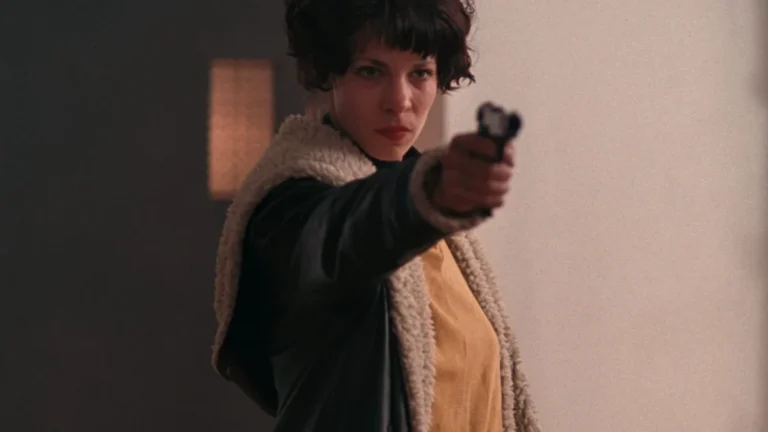



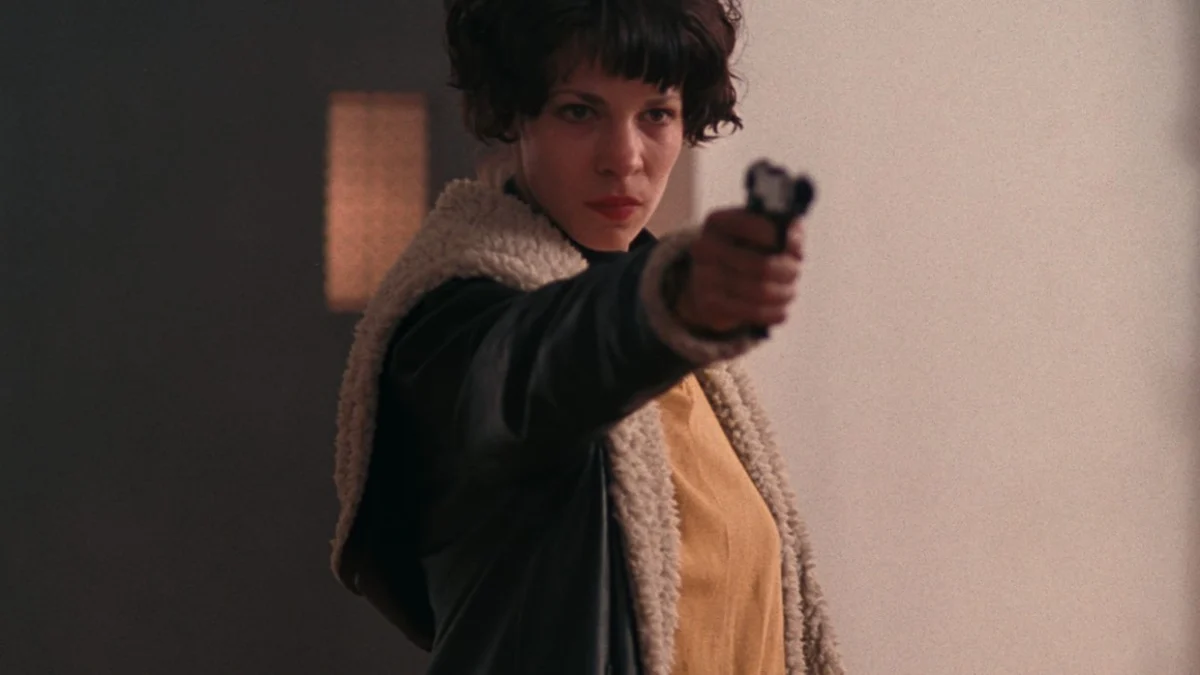
The release of a 4K restoration of Mary Harron’s 1996 debut feature, I Shot Andy Warhol, marks a significant milestone in the preservation of American independent cinema. Supervised by the film’s original cinematographer, Ellen Kuras, the restoration brings a renewed visual clarity to a work that has long been celebrated for its unflinching portrayal of Valerie Solanas, the radical feminist who attempted to assassinate pop art icon Andy Warhol in 1968. The film, which served as a precursor to Harron’s later exploration of American pathology in American Psycho (2000), remains a vital document of both the 1960s avant-garde scene and the 1990s indie film movement. Its return to the screen offers an opportunity to re-examine the complex intersections of art, gender politics, and the nature of outsiderhood that Solanas came to represent.
The Technical and Aesthetic Significance of the 4K Restoration
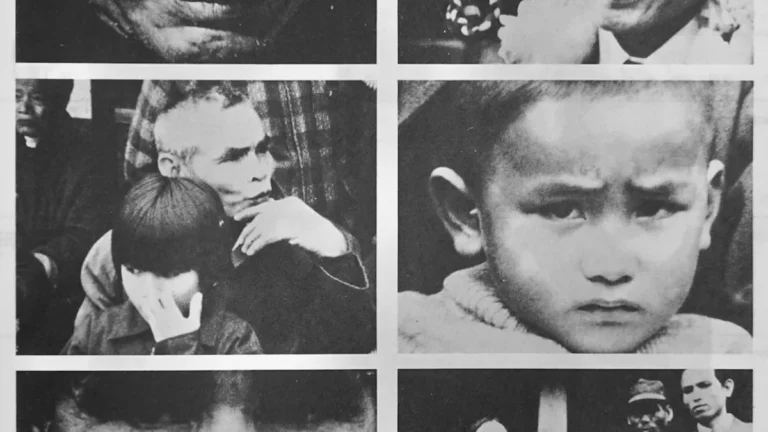
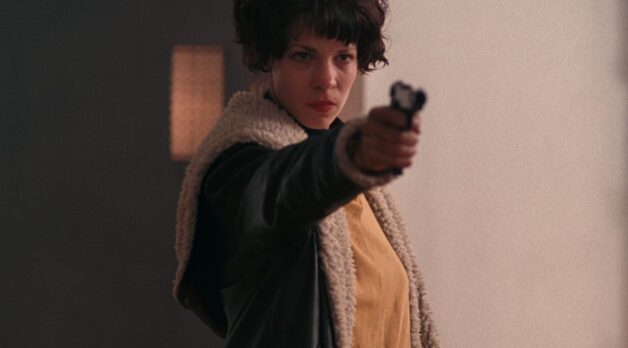
The restoration process, overseen by Kuras, focuses on preserving the film’s unique visual language, which Harron describes as a balance between grit and "poetic realism." Utilizing naturalistic lighting and available light sources, the cinematography sought to differentiate the mundane reality of Solanas’s life from the "dream world" of Warhol’s Factory. The 4K playback reveals the intricate details of the production design, which drew heavily from documentary sources and the photography of Diane Arbus to capture the negative space and isolation of Solanas’s environment.
Harron has noted that the restoration highlights the "magical world" created within the Factory sequences, characterized by colored lights and a surreal atmosphere, while maintaining the "grunginess" of the New York streets where Solanas lived and worked. This aesthetic choice was deliberate; by avoiding the overly stylized tropes of traditional period dramas, Harron and Kuras created a "living document" of a specific moment in New York history. The restoration ensures that the film’s visual texture—originally inspired by the 1995 film Kids—retains its raw, energetic quality for contemporary audiences.
Historical Context: Valerie Solanas and the SCUM Manifesto
At the center of the film is Valerie Solanas, portrayed by Lili Taylor in a performance that has become a touchstone of 1990s independent acting. Solanas is best known for the SCUM Manifesto, a radical feminist text she self-published in 1967. The manifesto, which Solanas sold on the streets of Greenwich Village for one dollar to women and two dollars to men, is a provocative critique of patriarchal society. While often interpreted as a work of extreme misandry, it is also recognized for its sharp irony and sophisticated prose.
In the late 1980s and early 1990s, when Harron began researching the film, the SCUM Manifesto existed largely on the fringes of feminist discourse. Unlike the works of mainstream feminist theorists such as Shulamith Firestone or Betty Friedan, Solanas’s writing was often dismissed as the product of mental instability. However, Harron’s research—which began while she was working on a Warhol documentary—led her to view the text as a brilliant, albeit disturbing, piece of social satire. The film’s narrative follows Solanas as she attempts to navigate the male-dominated spheres of publishing and art, eventually drifting into the orbit of Warhol’s Factory in a desperate bid to have her play, Up Your Ass, produced.
The Dynamics of the Factory and the Shooting of Andy Warhol
The film provides a nuanced look at the power dynamics within Andy Warhol’s Factory, a space that both empowered and exploited the "superstars" who inhabited it. Warhol, played by Jared Harris, is depicted not as a traditional antagonist, but as a fragile and elusive figure whose attention could make or break those around him. Harron’s portrayal of Warhol emphasizes his role as a discoverer of talent—such as Candy Darling, Ondine, and Jackie Curtis—while also acknowledging the coldness with which he could discard individuals who became too difficult or demanding.
The events leading up to June 3, 1968, when Solanas shot Warhol at his office, are framed through the lens of Solanas’s increasing desperation and her belief that Warhol and publisher Maurice Girodias were conspiring to control her work. The shooting nearly cost Warhol his life and profoundly altered his personality and creative output for the remainder of his career. By focusing on Solanas’s perspective, Harron avoids a simple "hero vs. villain" narrative, instead inviting the audience to consider the systemic pressures that drive an outsider to violence.
Production History and the 1990s Indie Scene
The journey of I Shot Andy Warhol to the screen was a five-year process that reflected the burgeoning energy of the New York independent film scene. Harron, who started her career directing comedic parodies and documentaries for the BBC, struggled to find traditional backing for a film with such explicitly radical feminist themes. The project eventually gained momentum when Harron met producers Christine Vachon and Tom Kalin, key figures in the "New Queer Cinema" and independent film boom of the 1990s.
The film’s production was also marked by creative challenges, most notably regarding its soundtrack. After Lou Reed denied permission to use the music of the Velvet Underground, Harron enlisted John Cale, a founding member of the band, to compose the original score. The resulting soundtrack, which also featured contemporary indie bands like Yo La Tengo and Pavement, helped ground the film in its own era while paying homage to the 1960s. This blend of periods contributed to the film’s reputation as a work that felt immediate and "alive" rather than a stagnant historical recreation.
Re-evaluating Solanas in the Modern Era
In the decades since the film’s release, the cultural perception of Valerie Solanas and the SCUM Manifesto has undergone significant shifts. Once viewed as a historical footnote, Solanas has been reclaimed by various radical feminist and queer theory circles. The manifesto has been republished multiple times and even adapted into graphic novels, reflecting its enduring fascination.
Harron has observed that Solanas’s struggle for visibility and autonomy resonates differently in the age of social media. While Solanas was an outsider who lacked a platform in the 1960s, contemporary "Gen Z" culture and internet discourse offer new avenues for marginalized voices to find an audience. However, this same environment also facilitates the rise of "irony-poisoned" content and extremist ideologies that echo the more nihilistic elements of Solanas’s writing. The film’s exploration of whether Solanas’s work was sincere, satirical, or a product of delusion remains a "productively open" question that mirrors current debates over digital identity and political expression.
Broader Impact and Implications for Feminist Discourse
The re-release of I Shot Andy Warhol coincides with a period of intense debate regarding feminist rage and the forms it is permitted to take in the public sphere. Harron notes that the mid-1990s were characterized by a "backlash" against feminism, as documented in Susan Faludi’s seminal book of the same name. During that era, many women were hesitant to adopt the feminist label, fearing it was synonymous with anger or social exclusion.
Today, the political landscape is marked by what Harron describes as a "brutal, clumsy backlash" that often borders on the absurd. In this context, the film’s portrayal of a woman whose rage is both articulate and destructive strikes a poignant chord. The decision to conclude the film with a note on the SCUM Manifesto’s status as a feminist classic, rather than focusing solely on Solanas’s lonely death in a welfare hotel in 1988, highlights the survival of her ideas over her physical circumstances.
Conclusion: The Enduring Power of the Outsider Narrative
I Shot Andy Warhol remains a cornerstone of independent cinema because of its refusal to provide easy answers. Mary Harron’s debut feature challenged the conventions of the biopic by focusing on a "loner" whom society could not easily metabolize. Through the 4K restoration, a new generation of viewers can experience the film’s sophisticated blend of humor, tragedy, and radical politics.
As a document of the 1960s, it captures the fragility of the avant-garde; as a product of the 1990s, it reflects the daring spirit of independent filmmaking; and as a piece of contemporary art, it continues to provoke essential questions about power, gender, and the cost of being an outsider. The restoration ensures that the "lightning bolt" of Solanas’s vision, as captured by Harron and Taylor, will continue to exert its influence on the cinematic landscape for years to come.