


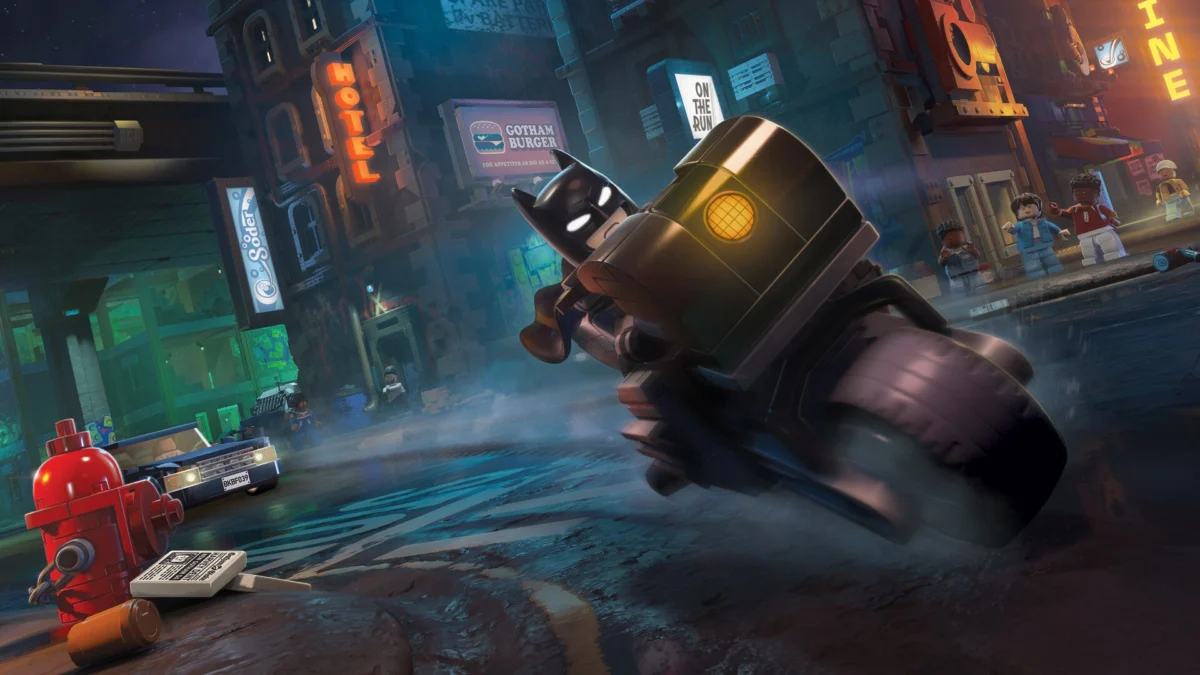
Warner Bros. Games and developer TT Games have officially unveiled the most ambitious entry in their long-standing partnership to date with Lego Batman: Legacy of the Dark Knight. Representing a significant departure from the formulaic structure of earlier titles, this upcoming release serves as a sprawling retrospective of the Batman mythos, spanning over eighty years of media across comic books, television, and cinema. Following an extensive two-hour hands-on preview, the title demonstrates a clear shift toward sophisticated gameplay mechanics, deeper narrative integration, and a visual fidelity that utilizes modern hardware to its fullest extent.
A New Architectural Vision for the Dark Knight
The development of Lego Batman: Legacy of the Dark Knight follows the technical groundwork laid by Lego Star Wars: The Skywalker Saga, but applies it to the noir-inspired corridors of Gotham City. The game’s narrative scope is vast, beginning with the foundational tragedy of Thomas and Martha Wayne and extending through Bruce Wayne’s tutelage under the League of Shadows. Players are tasked with navigating a timeline that encompasses Batman’s entire career, facing an expansive rogues’ gallery that includes The Joker, Bane, Two-Face, and Poison Ivy.
According to TT Games, the objective was to create a "living museum" of Batman’s history. This is evidenced by the inclusion of content inspired by the 1960s television series, the gritty realism of Matt Reeves’ The Batman, and the gothic aesthetics of the Tim Burton era. By synthesizing these disparate versions of the character into a cohesive Lego universe, the developers aim to provide a definitive experience that appeals to both young audiences and veteran enthusiasts of the DC Multiverse.
Sophisticated Combat and Difficulty Systems
One of the most notable deviations from the established Lego game template is the introduction of a more nuanced combat engine. Often referred to by developers and early testers as "Arkham for kids," the system borrows heavily from the "Freeflow" combat popularized by Rocksteady Studios’ Batman: Arkham series. Rather than the traditional "button-mashing" approach that defined early Lego titles, Legacy of the Dark Knight requires strategic timing, parrying, and the tactical deployment of gadgets.
The difficulty settings have been redesigned to accommodate a broader demographic. Beyond the standard "casual" mode, the game introduces higher difficulty tiers that feature:
- Enhanced AI Aggression: Enemies utilize coordinated attacks and defensive maneuvers.
- Specialized Combat Abilities: Assailants may carry shields or weapons that require specific gadget counters.
- Limited Life System: A high-stakes mode where depletion of health leads to a "Game Over" screen, a rarity in the Lego franchise which typically employs infinite respawns at the cost of collected currency.
Executive Producer Matt Ellison emphasized the necessity of these changes, stating that players will need to demonstrate "mastery of the mechanics and all the gadgets" to overcome the game’s more grueling encounters.
Mission Analysis: From the Iceberg Lounge to Haly’s Circus
The preview highlighted three distinct missions that showcase the variety of gameplay styles integrated into the title.
.png)
The Iceberg Lounge: Stealth and Environmental Interaction
The first mission, set within Carmine Falcone’s Iceberg Lounge, draws heavy inspiration from the 2022 film The Batman. This level emphasizes the game’s environmental destructibility. Nearly every object—from dumpsters to furniture—can be shattered into "studs," the game’s primary currency. The level design also introduces advanced stealth mechanics. Players can utilize verticality to perform silent takedowns, with AI companions like Commissioner Gordon intelligently reacting to the player’s chosen approach. The mission concludes with a multi-layered brawl through a nightclub environment, featuring haptic feedback on controllers to simulate the tactile sensation of wading through obstacles like ball pits.
The Jewel Heist: Collaborative Puzzles
The second mission features a heist alongside Selina Kyle, also known as Catwoman. This segment focuses on environmental puzzles rather than combat. Catwoman’s unique abilities—such as using a whip to manipulate heavy machinery or deploying a feline companion to navigate narrow ducts—are essential for progression. This mission demonstrates the game’s commitment to "intuitive" puzzle-solving. While the game provides subtle narrative cues if a player is stuck, it avoids overt hand-holding, allowing for a more rewarding sense of discovery.
Haly’s Circus: Platforming and Boss Encounters
The third mission introduces Dick Grayson (Robin) in a setting inspired by the 1995 film Batman Forever. This level is a high-stakes platforming adventure involving trampolines, tightropes, and traps. Robin’s "Cable Launcher" gadget adds a layer of complexity to traversal, allowing players to create bridges or pull distant objects to clear paths. The mission culminates in a boss fight against Poison Ivy, requiring seamless character switching. Batman’s brute strength and Robin’s specialized immobilization gadgets must be used in tandem to neutralize Ivy’s super-evolved flora.
Gotham City: An Open-World Evolution
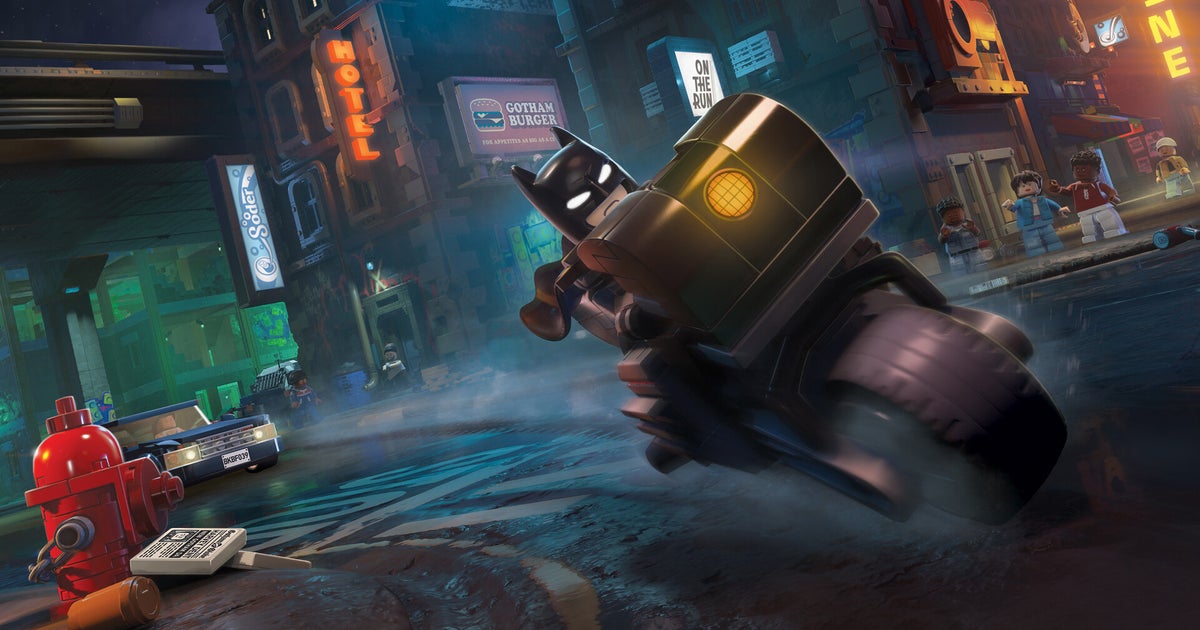
Beyond linear missions, Lego Batman: Legacy of the Dark Knight features a massive, crime-riddled open world. Gotham City is presented as a "dingy, detailed playground" that facilitates smooth traversal. Improvements to the grappling and gliding mechanics allow players to move from street level to the highest skyscrapers with minimal friction.
.png)
The city is populated with "Riddler Puzzles," side quests, and emergent crimes that the player can intervene in. Unlike previous entries where vehicles were often cumbersome, the new driving physics for the Batcycle and Batmobile feel integrated into the urban exploration. Verticality is a key focus, with every character possessing "bat-wings" or similar gliding apparatuses to ensure that movement across the skyline is as viable as movement on the ground.
The Batcave and Character Customization
The Batcave serves as the game’s central hub and evolves as the player progresses through the story. It functions as a trophy room for the player’s achievements and a repository for Batman’s extensive history. At launch, the game is expected to feature approximately 100 different "Batsuits," each representing a different era of the character’s history. These range from the classic grey-and-blue comic book attire to the high-tech armor of the Christopher Nolan films. In addition to suits, the Batcave houses a collection of Batmobiles and Batcycles, allowing players to customize their loadout for open-world exploration.
Shifts in Game Economy and Legacy Features
In a surprising move for long-time fans, TT Games has altered several "legacy" features that have been staples of the franchise since 2005. The traditional "Minikits"—ten hidden canisters per level—have been removed from the missions themselves. Instead, they are now consolidated within the Batcave, with missions offering unique collectible trophies and equipment upgrades in their place.
Furthermore, the "True Hero" stud bar, which filled up as players collected currency, has been replaced by a dynamic multiplier system. Matt Ellison explained that the economy has been restructured to reward continuous collection. "To get more studs in this game, you have to collect lots of studs and keep collecting lots of studs," Ellison noted. This change is intended to make the act of gathering currency feel more organic to the gameplay flow rather than a static progress bar.

Industry Impact and Strategic Implications
The release of Lego Batman: Legacy of the Dark Knight comes at a pivotal time for the Lego gaming franchise. Since the first Lego Batman game in 2008, the series has sold millions of copies, contributing significantly to the over 200 million total Lego games sold worldwide. By moving toward a more sophisticated "Arkham-lite" model, Warner Bros. Games is likely attempting to bridge the gap between their younger audience and the older demographic that consumes more mature DC content.
This strategy mirrors a broader trend in the gaming industry where "all-ages" titles are increasing their mechanical depth to retain aging player bases. By integrating eighty years of lore, the game also serves as a potent marketing tool for the DC brand, reinforcing the character’s status during a period of cinematic transition for the DC Universe (DCU) under new leadership.
Conclusion: A Definitive Vision
Lego Batman: Legacy of the Dark Knight appears to be more than a simple sequel; it is a comprehensive celebration of a cultural icon. By balancing the series’ trademark humor with a surprisingly deep combat system and a meticulously detailed open world, TT Games is positioning the title as the ultimate Batman experience for a multi-generational audience. While the removal of certain franchise staples like Minikits may ruffle the feathers of completionists, the additions—ranging from the 100-suit wardrobe to the revamped stealth mechanics—suggest a bold step forward for the Lego brand. As the title nears its release, it stands as a testament to the enduring versatility of the Caped Crusader, proving that even in brick form, the Dark Knight remains a formidable force in the gaming landscape.