

The creative partnership between filmmaker Christopher Nolan and editor Jennifer Lame has continually evolved since their initial collaboration on the 2020 science-fiction thriller Tenet. That project, which required Lame to transition from intimate independent dramas to high-concept, reverse-chronological action sequences, established a working dynamic built on rhythmic intensity and psychological momentum. Their subsequent work on the Academy Award-winning biographical drama Oppenheimer (2023) further refined this approach, utilizing fractured timelines and subjective perspectives to mirror complex human memory. This trajectory culminates in their third feature together, The Odyssey (2026), an adaptation of Homer’s ancient Greek epic that applies their signature propulsive editing style to classical literature. By discarding traditional historical-epics pacing in favor of an impressionistic, memory-driven structure, Nolan and Lame have transformed a foundational text of Western civilization into a visceral exploration of trauma, time, and human consciousness.
Main Facts of the Production and Creative Vision
The Odyssey, slated for release in July 2026, features a high-profile ensemble cast including Matt Damon as Odysseus, Anne Hathaway as Penelope, Elliot Page as Sinon, Robert Pattinson as Antinous, and a cameo appearance by musician Travis Scott as a classical bard. Rather than adhering to the linear, sweeping theatricality historically associated with antiquity-set epics—such as The Robe (1953) or Kingdom of Heaven (2005)—Nolan and Lame constructed the film around the synaptic logic of the human mind.
The narrative framework discards standard establishing shots and lingering vistas of the Mediterranean in favor of rapid-fire cuts. Shots rarely exceed a few seconds, creating an atmosphere of breathless urgency. This stylistic choice reflects the psychological state of Odysseus, whose memories of the Trojan War and his subsequent ten-year journey home emerge in jagged fragments. The film operates on the premise that memory is non-linear, connecting past atrocities, present struggles, and future anxieties through emotional resonance rather than chronological exactitude.
Background Context: The Evolution of Nolan’s Editing Style

Christopher Nolan’s career-long fascination with temporal manipulation began with his self-edited 1998 micro-budget debut, Following. Over the subsequent two decades, working alongside veteran editors such as Dody Dorn on Memento (2000) and Lee Smith across the Dark Knight trilogy and Interstellar (2014), Nolan developed a distinct grammar of cinematic speed. His early works utilized structural puzzles—such as the reverse-chronological progression of Memento or the nested dreams of Inception (2010)—to engage audiences intellectually.
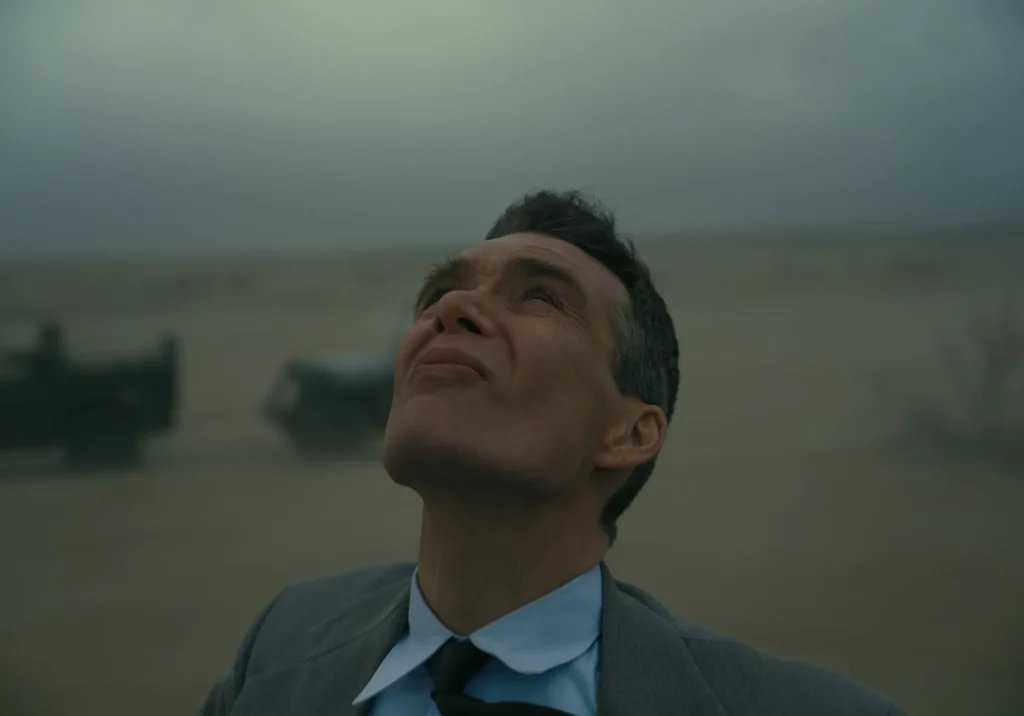
However, the introduction of Jennifer Lame to Nolan’s creative team marked a shift from intellectual puzzles to emotional impressionism. Lame brought a background rooted in character-focused independent cinema, having edited Noah Baumbach’s Frances Ha (2012) and Marriage Story (2019), Kenneth Lonergan’s Manchester by the Sea (2016), and Ari Aster’s Hereditary (2018). Her experience with the delicate emotional shifts of flashback structures in Manchester by the Sea provided a vital proving ground for Oppenheimer. On that biographical drama, Lame implemented character-specific editing passes, ensuring that every rapid transition between timelines carried profound psychological weight rather than mere narrative exposition.
Timeline and Structural Breakdown of The Odyssey
The structural mechanics of The Odyssey mirror the multi-layered narrative complexity of Homer’s original text, which famously begins in media res and utilizes extensive flashbacks. Nolan and Lame streamline this narrative architecture while preserving its chronological dislocations.
The film opens with a sequence spanning three distinct timelines simultaneously. Travis Scott appears as a bard recounting the tale of the Trojan Horse, establishing the mythic foundation of the story. Concurrently, glimpses of Odysseus and Sinon are shown alongside a modern-to-classical visual juxtaposition: Penelope standing behind a metal screen, urgently commanding the bard to cease recounting a tale of war that has defined her decades of isolation.
As the narrative progresses, the bulk of Odysseus’s legendary trials are revealed through flashbacks recounted to the nymph Calypso. These memories surface erratically as Odysseus emerges from a prolonged, drug-induced haze. By anchoring the grand mythological monsters and perilous seas to the fractured consciousness of its protagonist, the film prioritizes internal emotional reality over external spectacle. The rapid cutting slows only during moments of intense intimacy, such as a prolonged sequence featuring Penelope weaving at her loom while Antinous attempts to court her, creating a deliberate contrast to the chaotic battlefield recollections of Troy.

Statements, Reactions, and Industry Implications
While formal studio press tours and critical reactions will accompany the wide theatrical release of The Odyssey in mid-2026, early industry analyses and retrospective interviews with the filmmakers illuminate the intentionality behind their methodology. In past discussions regarding their collaboration, Lame emphasized the importance of treating audiences with respect through purposeful editing choices.
"Every time we switch timelines, it has to be incredibly emotional," Lame noted during the press cycle for Oppenheimer. This philosophy is amplified in The Odyssey, where the shattering of chronological continuity serves to replicate the psychological fragmentation of soldiers returning from prolonged conflict.
Film historians and industry analysts suggest that Nolan and Lame’s ongoing collaboration represents a significant departure from contemporary blockbuster editing standards, which frequently rely on hyper-extended action sequences and predictable narrative arcs. By treating inanimate objects and fast-paced vehicular or nautical movements with the rhythmic cadence of dialogue scenes—a technique Lame first deployed during Tenet—they have established a new benchmark for high-budget filmmaking. The success of The Odyssey points toward an evolving cinematic language where classical adaptations are no longer constrained by historical naturalism, but are instead liberated to explore the deeper, universal architectures of human memory and emotion.