



The Karlovy Vary International Film Festival (KVIFF) has marked a historic milestone, celebrating its Diamond Anniversary edition—its 60th installment spanning an 80-year timeline of geopolitical turmoil, ideological compromise, and artistic survival. Founded in 1946 in the historic spa town in western Czechoslovakia, just weeks before the inaugural Cannes Film Festival and immediately following the restoration of the nation from Nazi occupation, KVIFF has evolved into one of Europe’s most prestigious cultural institutions.
This year’s commemorative edition, colloquially branded as the "Vary Special" festival, brought together international cinephiles, industry leaders, and historians to reflect on a legacy intricately tied to the broader history of 20th-century Central and Eastern Europe. The festival’s survival through alternating eras of democratic revival, Soviet-imposed domination, and post-communist independence underscores its enduring resilience as a premier Category-A film festival, a designation awarded by the International Federation of Film Producers Associations (FIAPF) as early as 1958.

Chronology of Survival: From Post-War Hope to the Soviet Freeze
The historical trajectory of KVIFF serves as a mirror to the geopolitical shifts of the European continent. Following its successful 1946 debut, the festival operated independently for over a decade before the geopolitical realities of the Cold War intervened. Following the 1948 Czechoslovak coup d’état and the consolidation of state communism, the festival was subjected to direct political alignment.
A critical turning point occurred in 1959, when the Soviet Union mandated that Karlovy Vary alternate its hosting duties with the Moscow International Film Festival. This arrangement remained in place for 35 years, effectively subverting KVIFF’s autonomy until 1994—two years after the peaceful dissolution of Czechoslovakia and the birth of the independent Czech Republic.
Despite the ideological baggage of its communist past, contemporary KVIFF has successfully embraced its architectural and cultural inheritance without succumbing to political subjugation. The brutalist facade of its primary headquarters, the Hotel Thermal, continues to evoke the nostalgic atmosphere of a Soviet-era sanatorium. However, the programming within has pivoted toward progressive European cinema, balancing regional debuts of major international festival hits from Sundance, the Berlinale, and Cannes with extensive retrospectives of Eastern European deep cuts.

Retrospective Programming: The Out of the Past 60/80 Showcase
A centerpiece of the diamond jubilee was the expansive retrospective section titled "Out of the Past – KVIFF 60/80," curated to highlight milestone films that defined the festival’s eight-decade history. This dedicated program featured digitally restored repertory prints and historical touchstones that resonated with the socio-political realities of their eras.
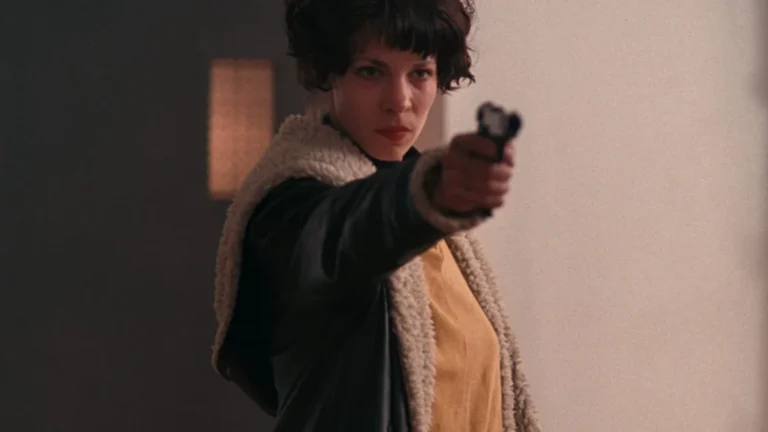
Among the standout screenings was a pristine, high-resolution restoration of Jonathan Glazer’s 2000 crime thriller Sexy Beast, which played to a packed house at the Grand Hall, alongside a revival of Věra Chytilová’s 1988 psychosexual tragicomedy Tainted Horseplay, which explored themes surrounding the AIDS epidemic in late-communist Czechoslovakia.
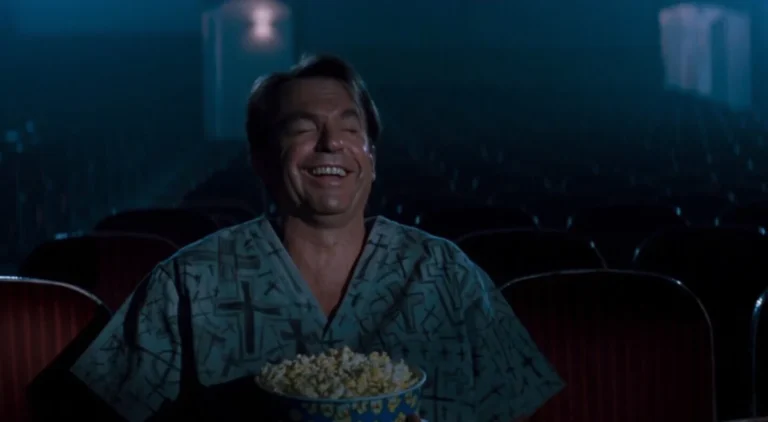
The historical retrospective also honored works that navigated the treacherous waters of state censorship. Highlights included Powell and Pressburger’s fabulist war melodrama A Matter of Life and Death (1946), which reached Czechoslovak audiences immediately following the end of World War II, and Ján Kadár and Elmar Klos’s courtroom drama The Defendant (1964), a major Crystal Globe winner.

Furthermore, the program revisited Juraj Jakubisko’s Birds, Orphans and Fools (1969)—a film that remained suppressed and shelved by authorities until the fall of communism in 1990—and Ken Loach’s Kes (1970), which secured top honors shortly after the suppression of the Prague Spring. International representation was similarly honored through screenings such as Glauber Rocha’s Barravento (1962), marking a historical nod to Brazilian Cinema Novo pioneers who found an early platform within the Eastern Bloc.
Competitive Showcases and Critical Standouts
KVIFF’s competitive framework, divided between established international auteurs and emerging voices, yielded a diverse array of awarded and critically acclaimed features. The Proxima section—which was restructured five years ago to replace the regionally restricted East of the West competition—continues to champion boundary-pushing, borderless cinema for rising filmmakers.
The Proxima Grand Prix was awarded to Lover, Not a Fighter, the debut feature by Slovak director Martina Buchelová. The film chronicles the life of a disaffected 20-year-old protagonist navigating self-destructive tendencies against the backdrop of an impending societal crisis. Buchelová’s incorporation of scrappy, fragmented vertical phone footage and reflexive subtitling was noted by critics for introducing a contemporary formal urgency to the festival’s lineup.

In the Crystal Globe competition, dedicated to established global filmmakers, Aung Phyoe’s Yangon-set romance Fruit Gathering claimed the top prize, while Slovak auteur Ivan Ostrochovský’s Only Beautiful Things to Look At received the FIPRESCI prize.
However, one of the most intellectually discussed entries in the non-competitive and sidebar screenings was the Bulgarian-directed feature Black Money for White Nights, helmed by Kristina Grozeva and Petar Valchanov. The film follows an elderly couple who spent decades accumulating minor bribes at their respective jobs to finance a dream trip to St. Petersburg to witness the "white nights." Their final savings arrive precisely as Russia launches its full-scale invasion of Ukraine, prompting the characters to ignore the geopolitical reality reported on their television screens in favor of an idealized, romanticized vision of Soviet culture.
Critics analyzed the film not merely as an exposé of regional corruption, but as a universal fable regarding the psychological illusion of political detachment and the inescapable consequences of complicity.

Institutional Resilience and Future Implications
As KVIFF concluded its 60th edition, the festival’s leadership and participating filmmakers reflected on the broader implications of maintaining a world-class cinematic event in an era of renewed European conflict and political polarization.
Festival organizers noted that the event’s ticket-booking cap—limiting attendees to three screenings per day—has successfully mitigated festival fatigue while encouraging deliberate engagement with both high-profile international premieres and demanding historical retrospectives. Films such as Emmanuel Marre’s A Man of His Time, a meticulous study of creeping fascism and moral compromise during the Vichy regime starring Swann Arlaud, and Sandra Wollner’s grief-focused memory piece Everytime, underscored the festival’s commitment to intellectually rigorous programming.
Industry analysts observe that Karlovy Vary’s unique ability to reconcile its complicated institutional history with forward-looking curation has solidified its status as an indispensable bridge between Western European film markets and Eastern European artistic traditions. By confronting its historical legacy openly—ranging from the legacy of state censorship to the enduring appeal of anti-fascist narratives—KVIFF enters its seventh decade not merely as a regional cultural celebration, but as a resilient global forum for cinematic discourse.