The annual television awards cycle has entered its most critical phase as the May 31 eligibility deadline approaches, marking the culmination of a year-long campaign effort that rivals the intensity of the Academy Awards. While the cinematic awards season often dominates public discourse during the winter months, the television industry operates on a distinct timeline where the months of April and May serve as a high-stakes "sprint" for streamers and networks alike. As the Television Academy prepares to review hundreds of submissions, the industry is grappling with a landscape reshaped by corporate consolidation, the conclusion of the "Streaming Wars," and a strategic shift in how content is marketed to voting members.
The Mechanics of the Emmy Eligibility Window
The Emmy Awards eligibility period traditionally runs from June 1 of the previous year to May 31 of the current year. This calendar creates a unique phenomenon often referred to by industry analysts as "recency bias." Marketing and public relations teams frequently schedule their most high-profile premieres for the spring, hoping that these shows will remain "top-of-mind" for voters when the nomination ballots are distributed in June.
Unlike the Academy Awards, which typically nominate five films per category—with the exception of Best Picture—the Emmy nomination process utilizes a sliding scale based on the number of submissions in a given category. This mathematical approach often leads to larger fields; for instance, the Comedy and Drama Series categories typically feature eight nominees, while the Limited or Anthology Series categories feature five. This structure allows for a broader representation of the television landscape but also creates a more crowded and competitive environment. Historical data highlights the scale of this competition: in previous cycles, shows such as The Bear and The Studio have tied for the most comedy nominations in a single year with 23 nods each, while the drama record remains held by Game of Thrones with 32 nominations in a single season.
The Impact of Industry Consolidation on the 2025 Race
The current awards landscape is significantly influenced by the aftermath of the "Streaming Wars," an era defined by aggressive spending and a proliferation of platforms that has recently transitioned into a period of corporate stabilization. The race is now largely a contest between a few legacy conglomerates and tech giants. The primary contenders represent Disney (encompassing ABC, FX, and Hulu), Paramount (CBS and Showtime), Warner Bros. Discovery (HBO and Max), and Comcast’s NBCUniversal (NBC and Peacock). These entities compete directly with the "Big Three" streamers: Netflix, Apple TV+, and Prime Video.
This consolidation has led to a "smidge fewer" shows overall compared to the peak of the 2020-2022 era, but the concentration of high-budget, "prestige" content remains high. Analysts note that this consolidation has also standardized the campaign process. The "For Your Consideration" (FYC) season now involves a rigorous schedule of billboards along the Sunset Strip, exclusive screenings, and Q&A sessions designed to secure a spot in a field where, as many veteran publicists argue, "the nomination is the win."
Drama Series Frontrunners and the "Water Cooler" Effect
In the Drama Series category, HBO Max’s The Pitt has emerged as the clear frontrunner following the conclusion of its second season. The medical drama has achieved what few shows manage in the fragmented streaming era: "water cooler" status. By releasing episodes on a weekly basis, the series has fostered sustained social media discourse and "rabid" fan engagement, a strategy that contrasts with the "binge-drop" model often favored by Netflix.
However, the field remains highly competitive. Previous nominees and established hits such as Prime Video’s Fallout, Apple’s The Morning Show, and Netflix’s Stranger Things continue to command significant attention. New entries like Apple’s Pluribus and HBO’s Task are also vying for the remaining slots. The Drama category is particularly difficult for newcomers to break into, as the Emmys often reward longevity and consistency, unlike the Oscars, which reset their focus on new releases every year.

The Comedy Category: A Battle of Legacies and Newcomers
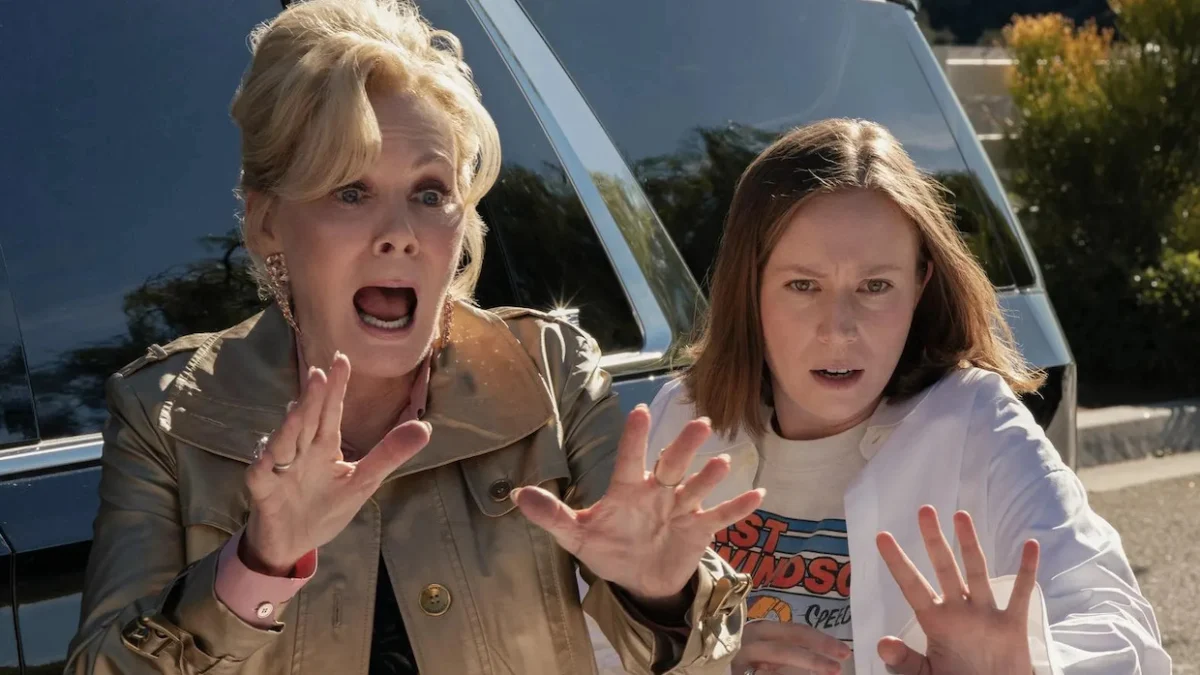
The Comedy Series race presents a compelling narrative of veteran performers versus rising stars. HBO Max’s Hacks is widely expected to be a dominant force as it enters the race for its final season. Lead actress Jean Smart, who has already secured four consecutive wins, is positioned to potentially win a fifth. Industry insiders suggest that Hacks benefits from its "backstage comedy" premise, which resonates deeply with industry voters who recognize the realism of the Hollywood-centric plot.
The competition includes FX’s The Bear, a previous winner that remains a critical darling despite a potential "voter fatigue" factor. The Bear famously saw its winning streak interrupted by Hacks in 2024, setting the stage for a high-profile rematch. Other notable contenders include:
- Abbott Elementary (ABC): Representing the "endangered species" of the network sitcom, the show remains a sentimental and critical favorite as it reaches its fifth season.
- Nobody Wants This (Netflix): A strong sophomore contender that has benefited from high viewership numbers.
- Shrinking (Apple TV+): Continuing to build momentum after a successful debut season.
- Margot’s Got Money Troubles (Apple TV+): Currently regarded as the strongest of the debut series in the comedy field.
- The Comeback (HBO): A potential "spoiler" entry. Despite being a beloved Hollywood satire with previous nominations in 2006 and 2015, the show has never secured a nomination for Best Comedy Series, a feat it hopes to achieve this year.
The Limited and Anthology Series: A Unique Competitive Sphere
The Limited or Anthology Series category remains a favorite among critics due to its unpredictable nature. Unlike the recurring series categories, this field is almost entirely composed of new content each year, with the exception of subsequent seasons of anthology shows.
The 2025 cycle is heavily populated by narratives focusing on complex interpersonal relationships and "harrowing" social commentaries. Netflix’s Beef and HBO’s DTF St. Louis are leading the conversation in terms of relationship-driven drama. Additionally, FX’s Love Story: John F. Kennedy Jr. & Carolyn Bessette is tapping into the perennial interest in historical American figures.
Other high-profile entries in this category include:
- Half Man (HBO): A new series from Richard Gadd, following the massive success of his 2024 series Baby Reindeer. Early reviews suggest the project is even more intense than its predecessor.
- Lord of the Flies (Netflix): A fresh adaptation of the classic novel. Netflix is leveraging its previous success with British-led dramas like Adolescence to market this "fucked-up British boys" narrative.
- Bait (Prime Video): A half-hour dark comedy starring Riz Ahmed. The meta-narrative, which involves Ahmed playing an actor in the running for the next James Bond, is expected to perform well with voters who appreciate industry-reflexive storytelling.
Strategic Implications and Industry Trends
The 2025 Emmy race is not merely a competition for trophies; it is a reflection of broader industry shifts. Three primary trends have emerged as central themes in this year’s contenders:
- The Integration of AI and Technology: Several shows are tackling the nuances and existential threats posed by Artificial Intelligence, reflecting the real-world anxieties that led to the recent Hollywood strikes. Voters are expected to favor programs that address these contemporary issues with sophistication.
- Genre Blending: The line between comedy and drama continues to blur. Many of this year’s top "comedies" deal with heavy themes of grief and trauma, while "dramas" are increasingly utilizing dark humor to provide social commentary.
- Political Chaos and Social Impact: The current global political climate has significantly impacted television storytelling. From dystopian futures to grounded political thrillers, the shows under consideration often serve as a mirror to the "political chaos" of the modern era.
Chronology of the 2025 Emmy Awards Season
The road to the 77th Primetime Emmy Awards follows a strict timeline designed to maximize visibility and voter participation:
- June 1, 2024 – May 31, 2025: The official eligibility period for all television programs.
- March – April 2025: The "Early Campaign" phase, featuring initial screenings and "For Your Consideration" events.
- May 2025: The "Peak Campaign" phase, characterized by a rush of high-profile premieres and heavy advertising spending.
- June 2025: Nomination voting begins. Members of the Television Academy cast their ballots for their respective peer groups.
- July 2025: The official announcement of the Emmy nominations.
- August 2025: Final voting period.
- September 2025: The Primetime Emmy Awards ceremony.
As the industry moves toward the nomination announcement, the volume of content remains the primary challenge for both voters and critics. With hundreds of shows vying for attention, the 2025 Emmy Awards will ultimately serve as a barometer for the health of the television industry in a post-"Peak TV" world, highlighting the projects that managed to "cut through the noise" of a crowded and consolidating market.