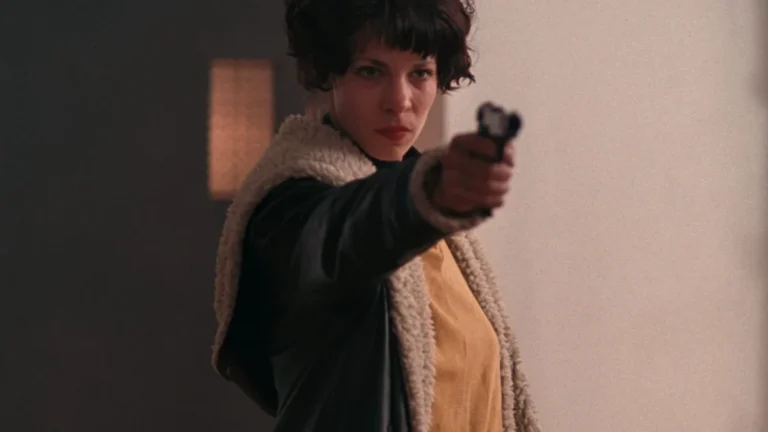



The 15th edition of the Taiwan International Documentary Festival (TIDF) concluded this May, reaffirming its position as a critical node in the global circuit of non-fiction cinema. Established in 1998, just eleven years after the cessation of four decades of martial law, the festival emerged during a transformative period for Taiwanese media. At its inception, the TIDF was a response to a burgeoning era of independent video activism and the rise of community-based media models that sought to bypass traditional state-controlled distribution. Since then, it has evolved into a premier venue for politically engaged cinema, specifically focusing on regional Asian narratives that are often overlooked by Western-centric festivals. This year’s program, organized by the Taiwan Film and Audiovisual Institute (TFAI), featured over 150 films, blending new contemporary works with significant archival restorations that challenge established historical narratives.
Historical Evolution and the Foundation of TIDF
The TIDF was founded at a time when only a few festivals, such as Japan’s Yamagata International Documentary Film Festival (established in 1989), were dedicated to championing Asian non-fiction. The inaugural 1998 edition introduced the Asian Visions Competition and the Taiwan Competition, strands that remain central to the festival’s identity. These categories were designed to foster a unique cinematic language for a region undergoing rapid democratization and social upheaval. Over the last quarter-century, the festival has transitioned from a biennial event to a cornerstone of Taiwan’s cultural diplomacy, documenting the island’s shift from a monolithic nationalist state to a pluralistic society.
The 2024 edition arrived at a particularly poignant moment, following the passing of several pioneers of Taiwanese image-making. The festival’s focus on "restored" histories served not only as a tribute to these figures but also as an interrogation of how the past is curated and weaponized by political powers.
The Archive of Li Guang-hui: A Case Study in Myth-Making
One of the most significant events of the 15th TIDF was the screening of Archive: Li Guang-hui (1979/2024). This 30-minute work was compiled from television newsreel outtakes by the late renowned photographer and filmmaker Chang Chao-tang. The footage, captured between 1975 and 1979 while Chang worked as a photojournalist for the China Television Company (CTV), had remained in his private archives until his death in early 2024, when his son donated the materials to the TFAI.
The film documents the return of Suniuo, an Indigenous Amis man from Taiwan who had been conscripted into the Japanese Imperial Army during World War II. Dispatched to the Indonesian island of Morotai, Suniuo remained in the jungle for 30 years, unaware that the war had ended. Upon his discovery in 1974, he was thrust into a complex geopolitical tug-of-war. He was known by three names: his Indigenous name Suniuo, his Japanese name Teruo Nakamura, and his newly assigned Mandarin name, Li Guang-hui.
The Kuomintang (KMT) government swiftly integrated his return into a nationalist narrative, framing him as a "loyal hero" of the Republic of China who had resisted Japanese imperialism. However, historical nuances suggest a different reality; some accounts indicate Suniuo may have simply deserted as the Japanese forces faced defeat. Chang Chao-tang’s film eschews the traditional documentary format by refusing to add modern voiceovers or interviews. Instead, it relies on a chronological assembly of media appearances where Suniuo remains silent.
A central sequence features the legendary folk singer Chen Da performing a song that frames Suniuo’s life as a Ulyssean epic. The camera lingers on Suniuo’s face, capturing a look of profound incomprehension as he listens to a Mandarin song—a language and cultural tradition entirely foreign to him. This associative montage highlights the tragedy of a man whose private trauma was erased to serve the needs of a state-building narrative.
War Memories and the Hybridity of Taiwanese Identity
The 15th TIDF featured two specific archival programs that expanded on these themes: "Reel Taiwan," focusing on 1980s social movements, and "War Memories, Shifting Identities," which explored the experiences of conscripted Taiwanese soldiers during the Japanese colonial period. These programs collectively reconsidered the hybrid identity of Taiwan, shaped by successive layers of colonial subjugation and collective resistance.
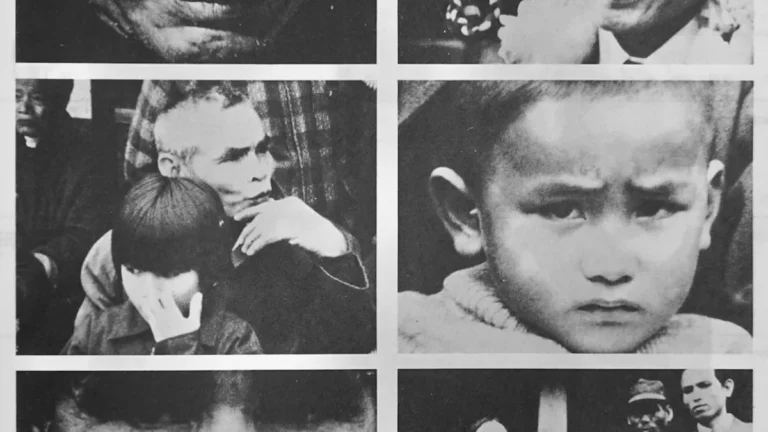
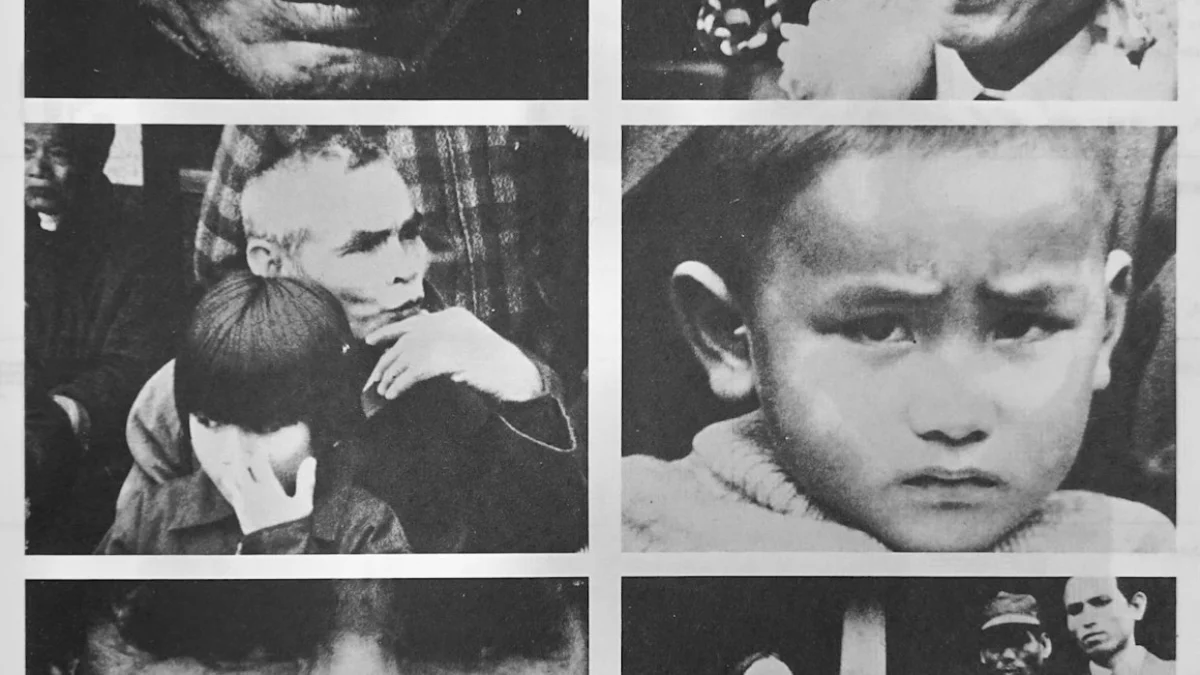
A highlight of this strand was the 1973 film Asia Is One by the leftist collective NDU. This work provides a prismatic view of East Asian relations, stitching together testimonies from Taiwanese fishermen in Okinawa, Zainichi Okinawan miners in mainland Japan, and Tayal Indigenous villagers. The film illustrates the diverse and often contradictory reactions to Japanese colonialism, ranging from fierce criticism to nostalgic loyalty.
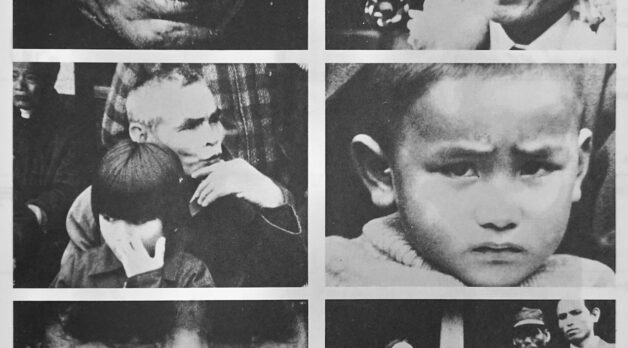
Data from historical archives presented alongside the screenings noted that approximately 207,000 Taiwanese men served in the Japanese military during WWII, with over 30,000 confirmed killed in action. The festival’s focus on these "hidden" histories serves as a counter-narrative to Sinocentric perspectives, instead highlighting Taiwan’s archipelagic connections across the Pacific and its contested status between the competing interests of the United States and China.
Urban Development and the Individual vs. the State
Beyond archival works, the festival showcased contemporary films dealing with the physical transformation of the Asian landscape. Hu Sanshou’s Xiangzidian Village: The Stage (2026), a 150-minute epic filmed over six years, exemplifies this focus. The film documents the slow destruction of a village to make way for a highway.
Unlike many social-issue documentaries that rely on aggressive "cinema vérité" to shock audiences, Hu adopts a patient, distanced approach. The villagers are often framed in wide shots, dwarfed by massive earth-moving equipment that Hu’s voiceover likens to "new gods." The film functions as a collective obituary, naming and mourning the elders who passed away during the production process. This methodical pacing provides a stark contrast to the "pic ‘n’ mix" style of many independent Chinese documentaries that cater to European festival circuits by highlighting the most sensational aspects of marginalization.
The Architecture of Political Trauma in Southeast Asia
The festival also turned its lens toward Thailand with Anocha Suwichakornpong’s Narrative (2026). The film addresses the 2010 Bangkok massacre, where pro-democracy "Red Shirt" protesters were killed by military forces. Suwichakornpong structures the film around a theatrical workshop involving the families of the victims.
The film is divided into three acts:
- Memory: Participants describe past experiences without naming the associated emotion.
- Legal Mediation: A discussion with a lawyer regarding the fifteen-year pursuit of justice.
- Gratitude: Participants are asked to articulate what they are thankful for.
Narrative exposes the failures of the Thai legal system, which treated the 2010 deaths as isolated incidents rather than a collective state-sponsored tragedy. This fragmentation forced families into an exhausting search for individual soldiers to hold accountable, effectively shielding the military institution as a whole. By overriding the dialogue of the final act with a score by Eiko Ishibashi, Suwichakornpong critiques the "narrative of resolution" often demanded by audiences, suggesting that true healing is impossible without systemic restitution.
Post-Pandemic Realities and the Aesthetics of Exhaustion
The closing sections of the festival were marked by Luo Li’s Air Base (2025), a "city symphony" set in post-pandemic Wuhan. The film depicts a city returning to public life with a sense of wary exhaustion. Luo Li uses staged, Beckettian sequences—a man directing traffic from an overpass where he has no authority, or a woman asking strangers to sigh into a microphone—to capture the absurdity of modern urban existence.
The public reactions to these gestures are telling. Passersby often refuse to sigh, viewing the act as "pessimistic" or "ungrateful" toward the state. Others simply obey the fake traffic controller out of a habit of acquiescence to authority. The film’s recurring motif of a broom falling repeatedly on an upward-moving escalator serves as a metaphor for a "Sisyphean" social state: a suspended duration where time moves forward, but no progress is made.
Global Solidarity and Future Implications
The 15th TIDF concluded with a significant program titled "Palestine and Its Archiveless Archive." This segment framed the struggle for Palestinian sovereignty as part of a global continuum of anti-imperialist resistance, drawing parallels between the erasure of Palestinian history and the long-suppressed Indigenous and colonial histories of Taiwan.
By focusing on local histories that resonate with global struggles, the TIDF has moved beyond being a mere showcase for films. It has become a site of historical revisionism and a laboratory for new forms of political expression. The festival’s emphasis on archival integrity and the "patient" observation of social change offers a defiant alternative to the rapid, often superficial consumption of digital media. As geopolitical tensions in the Taiwan Strait and across Asia continue to escalate, the TIDF’s commitment to documenting the "peculiar, prickly forms" of resilience ensures that the island remains a vital center for the world’s documentary community.