


The Catalyst for Development: Fan Advocacy and Market Validation
The path to Spyro: A Realm Beyond was paved not by corporate mandate alone, but by a sustained demonstration of market demand. According to Toys for Bob studio head Paul Yan and associate creative director Lou Studdert, the project was "manifested" by a global community that remained vocal through nearly twenty years of the franchise’s dormancy as a primary platforming series.
A critical factor in greenlighting the project was the commercial performance of the Spyro Reignited Trilogy. Released in 2018, the collection of remakes served as a litmus test for the character’s contemporary relevance. The trilogy eventually surpassed 11 million units sold, a figure that placed it among the most successful platforming revivals in recent memory. This data provided the necessary "proof of concept" for Toys for Bob when pitching a brand-new adventure to Microsoft and Xbox leadership.
"Every year, every gaming event, we hear the fanbase show up," Paul Yan stated in a recent interview. He noted that the community’s persistence—often characterized as "loud and consistent"—was a primary driver in the studio’s decision to pursue the IP. The studio executives described the pitch to Xbox as a "no-brainer," citing the pre-existing, highly engaged audience that had been clamoring for a new title long before formal planning began.
A Legacy of Platforming: The Chronology of Spyro the Dragon
To understand the weight of the A Realm Beyond announcement, it is necessary to examine the franchise’s complex history. Created by Insomniac Games in 1998, the original Spyro the Dragon became a cornerstone of the PlayStation 1 library, alongside titles like Crash Bandicoot. The original trilogy—consisting of the debut title, Ripto’s Rage!, and Year of the Dragon—defined the "collectathon" genre with its open-ended levels and fluid movement mechanics.
Following the transition to the PlayStation 2 and original Xbox era, the franchise saw a shift in creative direction. Insomniac Games moved on to develop Ratchet & Clank, leaving Spyro in the hands of various developers, including Checkpoint Studios and Etranges Libellules. This period saw the release of titles such as Enter the Dragonfly (2002) and A Hero’s Tail (2004), which received mixed critical receptions and struggled to maintain the momentum of the original trilogy.
In 2011, the franchise was reimagined through the Skylanders series. While Skylanders: Spyro’s Adventure was a massive commercial success and pioneered the "toys-to-life" genre, it fundamentally changed the character’s design and role, moving away from the traditional platforming roots that original fans cherished. It was not until Toys for Bob developed the Reignited Trilogy in 2018 that the classic interpretation of the character returned to the spotlight, setting the stage for the upcoming 2027 release.
Technical Ambitions and Platform Strategy
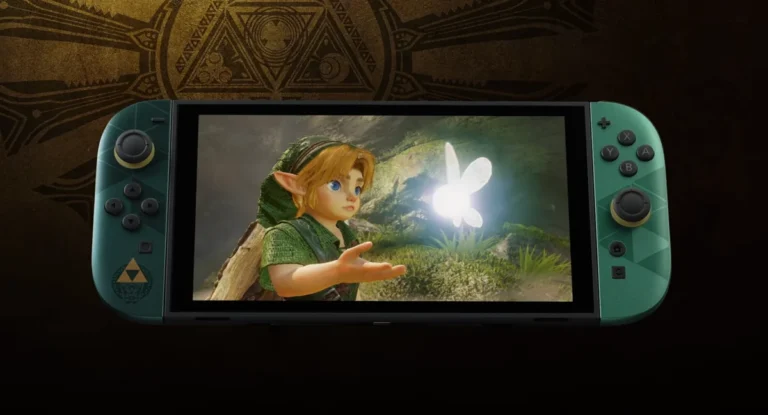
Spyro: A Realm Beyond is scheduled for a Spring 2027 release window. The timing suggests a development cycle optimized for current-generation hardware and beyond. The game is confirmed for the Xbox Series X/S, PlayStation 5, and PC. Notably, the announcement also included a confirmation for the "Nintendo Switch 2," the much-anticipated successor to Nintendo’s hybrid console.
The inclusion of the Switch successor is a strategic move, as the platformer genre has historically performed exceptionally well on Nintendo hardware. The Reignited Trilogy saw a significant portion of its long-tail sales on the original Switch, and Toys for Bob appears keen to leverage the increased technical capabilities of the next-gen Nintendo system to deliver high-fidelity environments and complex particle effects—features that were often compromised on the aging hardware of the first Switch.
From a technical standpoint, A Realm Beyond is expected to utilize Unreal Engine 5, allowing for the "overwhelming odds" and expansive worlds hinted at by Lou Studdert. The studio aims to bring the character forward into a modern gaming landscape, utilizing advanced lighting and physics to enhance the "dragon-feel" of flight and combat that defined the original series.
The Creative Core: Toys for Bob and the Independent Shift
The development of Spyro: A Realm Beyond comes at a unique moment in the history of Toys for Bob. Formerly a subsidiary of Activision Blizzard, the studio recently transitioned to an independent entity while maintaining a close publishing partnership with Microsoft. This independence has allowed the studio to return to its creative roots as a specialist in character-driven platformers.
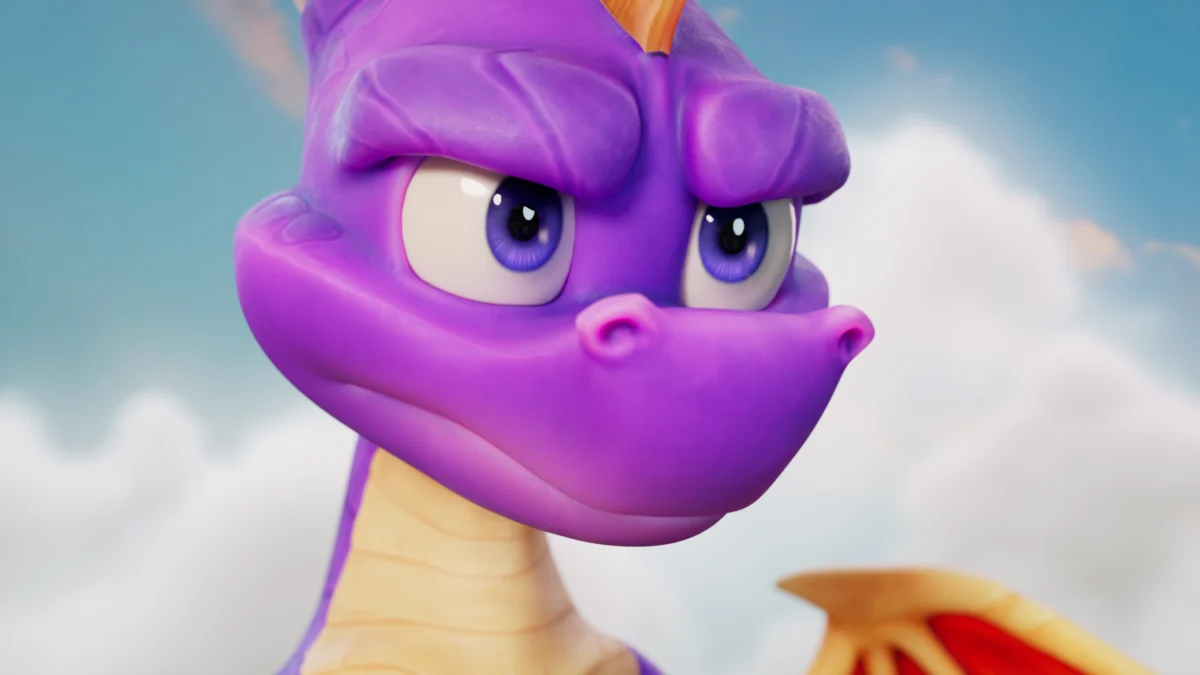
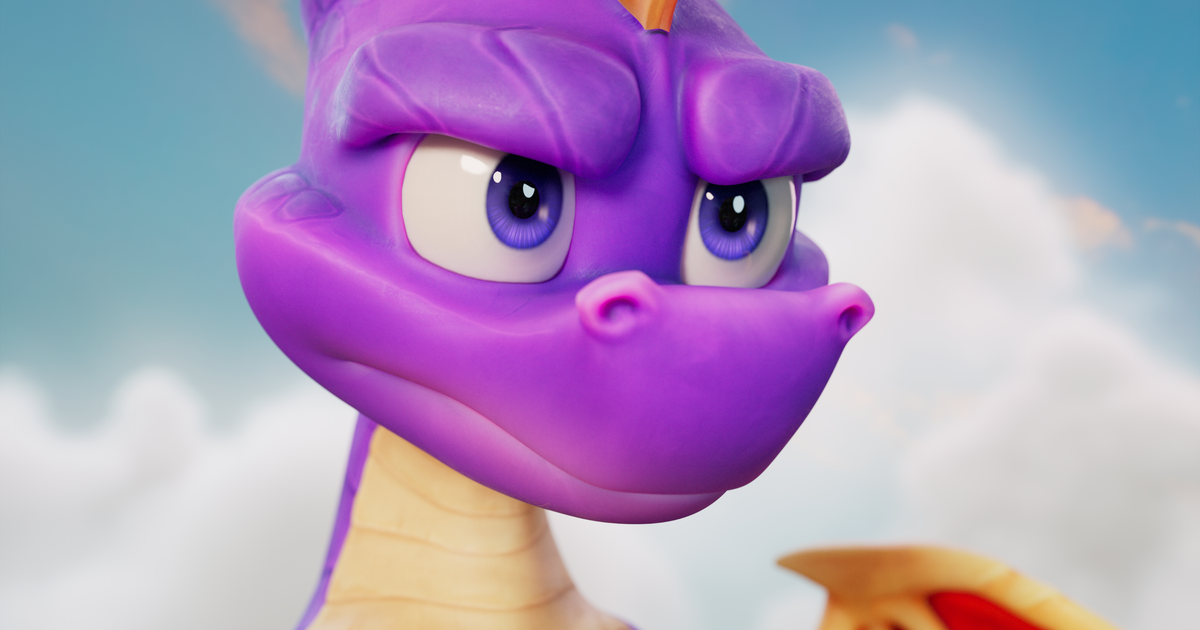
Lou Studdert reflected on the studio’s affinity for the character, describing Spyro as a "small but mighty underdog." This sentiment mirrors the studio’s own trajectory within the industry. After years of supporting the Call of Duty franchise as a co-developer, Toys for Bob has re-established itself as a leader in the revival of the mascot platformer, a genre that many industry analysts once considered obsolete.
"We love Spyro, love Banjo, love all these types of titles," Yan remarked, hinting at the studio’s broader interest in the classic platforming catalog now owned by Microsoft. The commitment to A Realm Beyond suggests that Microsoft views the Spyro IP as a pillar of its family-friendly gaming portfolio, filling a gap in a library that has recently leaned heavily toward shooters and RPGs.
Authenticity Through Voice: The Return of Tom Kenny
For many fans, the identity of Spyro is inextricably linked to his voice. The announcement that Tom Kenny will return to voice the titular dragon in A Realm Beyond has been met with widespread acclaim. Kenny, perhaps best known as the voice of SpongeBob SquarePants, took over the role of Spyro in 1999’s Ripto’s Rage! and returned for the 2018 remakes.

The decision to retain Kenny is a calculated move to ensure tonal consistency and appeal to the nostalgia of the core fanbase. The studio emphasized that while the game will explore "a realm beyond" the traditional Dragon Realms, the heart of the character remains anchored in the personality established decades ago. This balance of innovation and tradition is central to the studio’s philosophy for the new title.
Broader Implications for the Gaming Industry
The development of Spyro: A Realm Beyond carries implications that extend beyond a single franchise. It represents a broader trend in the video game industry: the resurgence of the "AA" and "AAA" mascot platformer. Following the success of Crash Bandicoot 4: It’s About Time (also developed by Toys for Bob) and Insomniac’s Ratchet & Clank: Rift Apart, publishers are increasingly recognizing that there is a massive, multi-generational audience for high-quality, non-shooter action games.
Furthermore, the project highlights the shifting dynamics of intellectual property management following Microsoft’s acquisition of Activision Blizzard. By allowing Toys for Bob to operate independently while funding a major project like Spyro, Microsoft is signaling a more flexible approach to its internal and partner studios. This strategy may lead to the revival of other dormant IPs within the Activision and Xbox vaults.
Summary of Known Information and Timeline
As of mid-2026, the following details are confirmed regarding Spyro: A Realm Beyond:
- Developer: Toys for Bob (Independent).
- Publisher: Xbox Game Studios / Microsoft.
- Release Window: Spring 2027.
- Platforms: Xbox Series X/S, PlayStation 5, PC, and Nintendo Switch 2.
- Lead Voice Talent: Tom Kenny.
- Narrative Scope: The game will serve as the first original mainline entry in nearly 20 years, focusing on a new threat that requires Spyro to travel beyond the known Dragon Realms.
- Historical Context: The project was greenlit following the 11-million-unit success of the Reignited Trilogy and persistent fan demand at major industry events.
As the industry moves toward 2027, Spyro: A Realm Beyond stands as a testament to the power of community engagement. In an era where many legacy franchises are relegated to mobile spin-offs or microtransaction-heavy live services, the return of Spyro as a premium, single-player platforming experience is a rare example of a studio and a publisher responding directly to the desires of a dedicated audience. The "underdog" dragon is poised for a return that seeks to bridge the gap between 1990s nostalgia and the technical possibilities of the late 2020s.