

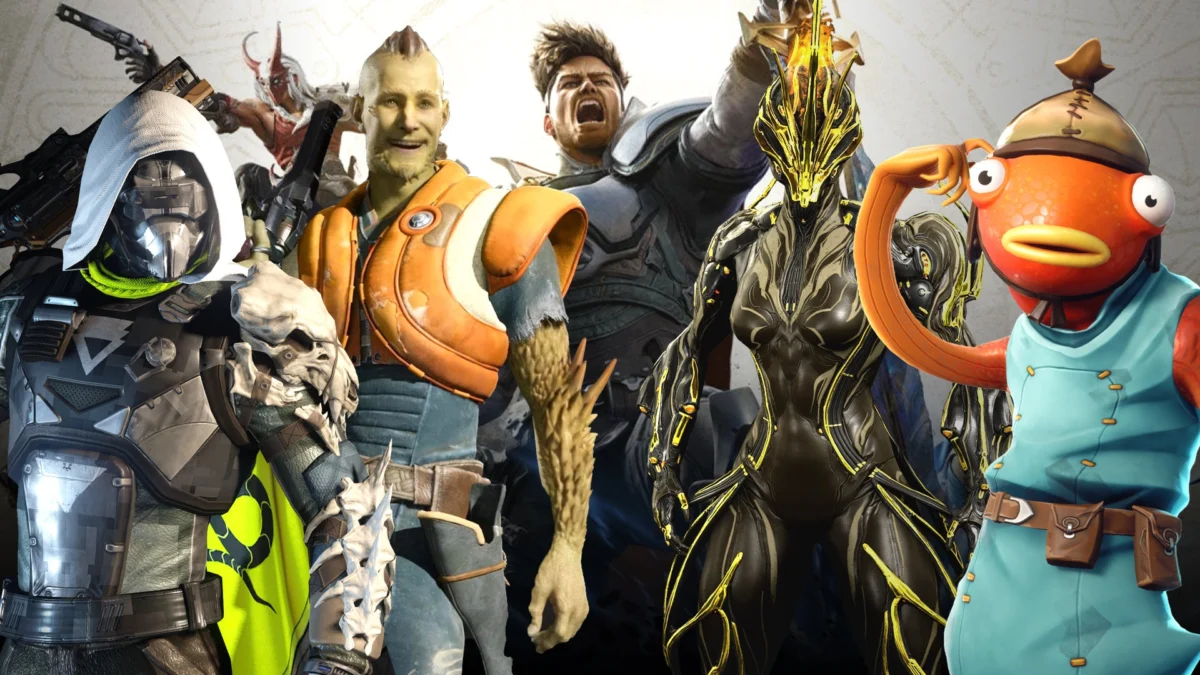
Sony Interactive Entertainment (SIE) President Hideaki Nishino has formally reaffirmed the company’s dedication to the live-service gaming model, despite a series of high-profile project cancellations, studio closures, and the recent commercial failure of the hero shooter Concord. In an extensive interview with the Japanese publication Famitsu, Nishino emphasized that the organization views live-service titles as a critical pillar for global user engagement and long-term market vitality. The executive’s comments arrive at a precarious moment for the PlayStation brand, as it navigates the complexities of transitioning from a hardware-centric, single-player powerhouse to a diversified digital ecosystem reliant on recurring revenue.
Nishino stated that Sony continues to believe live-service games possess the unique ability to "attract users on a global level," reinforcing the company’s intent to revitalize the market through a mix of first-party and third-party content. Acknowledging the inherent risks and the relatively nascent nature of the genre, Nishino noted that the company remains committed to "taking on challenges within that context," even as the industry at large grapples with oversaturation and shifting player preferences.
The Strategic Vision: From Single-Player Dominance to Recurring Revenue
The current trajectory of Sony’s software strategy can be traced back to 2022, under the leadership of former SIE CEO Jim Ryan. During a period of aggressive expansion, Ryan famously predicted that the future of the industry lay in live-service models rather than traditional subscription services like PlayStation Plus, which he argued would never reach the market penetration seen in the film or music industries.
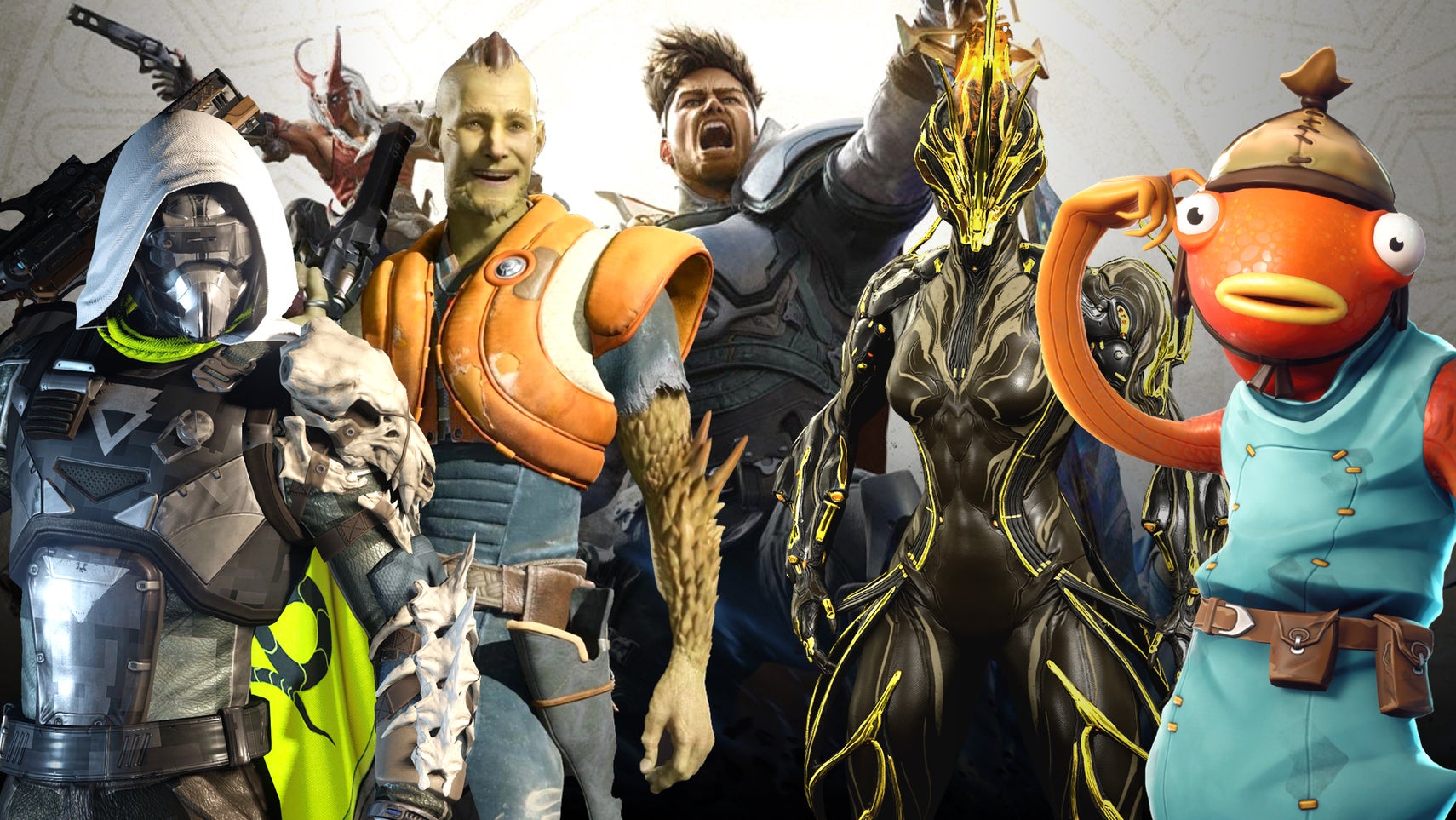
In early 2022, Sony announced an ambitious roadmap to launch more than 10 live-service games by March 2026. This initiative was backed by the landmark $3.6 billion acquisition of Bungie, the developer behind Destiny 2. Bungie was positioned not only as a premiere developer but as a strategic consultant intended to vet and guide Sony’s internal studios through the difficult process of creating sustainable, multi-year online experiences. However, the implementation of this "live-service push" has been fraught with structural difficulties and creative pivots.
A Chronology of Setbacks and Cancellations
Since the 2022 announcement, Sony’s live-service portfolio has undergone a radical contraction. While the company initially sought to leverage its prestigious single-player studios for multiplayer projects, many of these efforts failed to meet internal quality standards or commercial viability metrics during development.
In 2023, Naughty Dog, the studio behind The Last of Us and Uncharted, officially cancelled its standalone multiplayer project set in the world of The Last of Us. The studio admitted that the resource requirements for maintaining a live-service game would have fundamentally compromised their ability to produce the high-quality single-player narratives for which they are known. This was followed by a series of closures and cancellations in 2024:
- London Studio: A veteran developer known for SingStar and VR innovation, London Studio was shuttered in early 2024, leading to the cancellation of an unannounced high-budget co-op fantasy game.
- Firespite’s Twisted Metal: Reports surfaced that a live-service reboot of the Twisted Metal franchise, being developed by Firespite, had been cancelled as part of broader restructuring efforts.
- Insomniac Games: Leaked internal documents and footage revealed the existence of Spider-Man: The Great Web, a cancelled live-service project that would have allowed players to traverse New York City together.
- Guerrilla Games: While a Horizon-themed multiplayer project remains in development, another title, Horizon: Hunters Gathering, reportedly faced significant hurdles or internal deprioritization.
The Concord Crisis and the Dissolution of Firewalk Studios
The most significant blow to Sony’s live-service ambitions occurred in late 2024 with the release of Concord. Developed by the Sony-owned Firewalk Studios, Concord was intended to be a flagship hero shooter for the PS5 and PC. However, the game suffered one of the most disastrous launches in modern gaming history.

Industry analysts estimated that Concord sold fewer than 25,000 copies globally within its first two weeks. The game struggled to find an audience in a market dominated by free-to-play giants like Overwatch 2, Apex Legends, and Valorant. On September 6, 2024, just two weeks after its debut, Sony pulled Concord from sale and took the servers offline, offering full refunds to all purchasers.
The fallout was immediate. Game director Ryan Ellis stepped down from his position, and by the end of October 2024, Sony announced the permanent closure of Firewalk Studios alongside mobile developer Neon Koi. This decision resulted in the loss of hundreds of jobs and served as a stark reminder of the financial volatility inherent in the live-service market.
The Bungie Paradox: Mentorship Amidst Turmoil
Central to Sony’s live-service strategy was Bungie, yet the studio itself has not been immune to the industry’s downturn. In late 2024, Bungie studio head Justin Truman stepped down following a massive restructuring that put at least 292 staff members at risk of redundancy. A WARN (Worker Adjustment and Retraining Notification) notice in Washington state detailed the extent of the cuts, which Sony framed as necessary to integrate Bungie more closely into the SIE infrastructure.
Despite these layoffs, Bungie remains tasked with overseeing the development of Marathon, an upcoming extraction shooter that Sony hopes will provide the sustainable revenue stream it currently lacks. The relationship between Sony and Bungie highlights the difficulty of the "mentor" model; even the industry’s most experienced live-service developers are finding it increasingly difficult to maintain growth and stability in a post-pandemic economic environment.

The Helldivers 2 Exception
While much of the discourse surrounding Sony’s live-service strategy is focused on failures, the massive success of Helldivers 2 serves as the primary justification for Nishino’s continued commitment. Developed by Arrowhead Game Studios and published by Sony, Helldivers 2 became a viral phenomenon in early 2024, selling over 12 million copies in its first 12 weeks.
The success of Helldivers 2 provided a blueprint for what Sony hopes to achieve: a mid-budget title with a compelling gameplay loop, a fair monetization model, and strong community engagement. It proved that there is still a massive appetite for cooperative online experiences if the product is distinct enough from the competition. Nishino’s comments to Famitsu suggest that Sony is looking to replicate this success by "continuously providing something" new to players, rather than relying solely on the prestige of its existing IP.
Future Projects and the Marvel Collaboration
During the Famitsu interview, Nishino teased upcoming projects that align with this revitalized strategy. He specifically mentioned a new title, Marvel Tōkon: Fighting Souls, which is planned for release this year. While details on the project remain scarce, its inclusion in a discussion about live services suggests it will feature ongoing updates and seasonal content.
Furthermore, Nishino indicated that Sony is not only focusing on new intellectual properties but is also evaluating how to leverage its back catalog. "We are not only focusing on promoting new releases, but also considering what we can do with older titles in the medium to long term," he stated. This could imply that more legacy PlayStation franchises may be adapted into live-service or multiplayer-centric formats, a move that has historically met with mixed reactions from the core fanbase.

Market Implications and Consumer Sentiment
Sony’s unwavering stance on live services comes at a time when consumer trust in digital ownership is being tested. Recently, Sony notified PlayStation customers that hundreds of "previously purchased" digital movies from Studio Canal would be removed from user libraries due to licensing arrangements. This incident, combined with the sudden disappearance of Concord from digital storefronts, has fueled a growing debate regarding the ephemeral nature of live-service games and digital content.
From an economic perspective, Sony’s pivot is a response to the rising costs of "AAA" single-player development. Games like Marvel’s Spider-Man 2 and Horizon Forbidden West now require budgets exceeding $200 million and half a decade of development time. Live-service games, while risky, offer the potential for high-margin, long-term revenue that can subsidize the production of Sony’s signature cinematic adventures.
Conclusion: The High-Stakes Gamble
Hideaki Nishino’s reaffirmation of the live-service model confirms that Sony is not deterred by the recent string of "high-profile flops." Instead, the company appears to be doubling down, viewing the current period of instability as a necessary phase of experimentation in a "relatively new" genre.
The challenge for Sony in the coming years will be balancing this pursuit of recurring revenue with the high standards of quality that have defined the PlayStation brand for three decades. With Bungie’s future role being redefined and the shadow of Concord still looming over the company’s internal studios, the success of upcoming titles like Marathon and the newly announced Marvel project will determine whether Nishino’s vision is a viable path forward or a costly miscalculation in an increasingly crowded marketplace. For now, Sony remains committed to the "challenge," signaling to investors and players alike that the live-service era of PlayStation is far from over.