

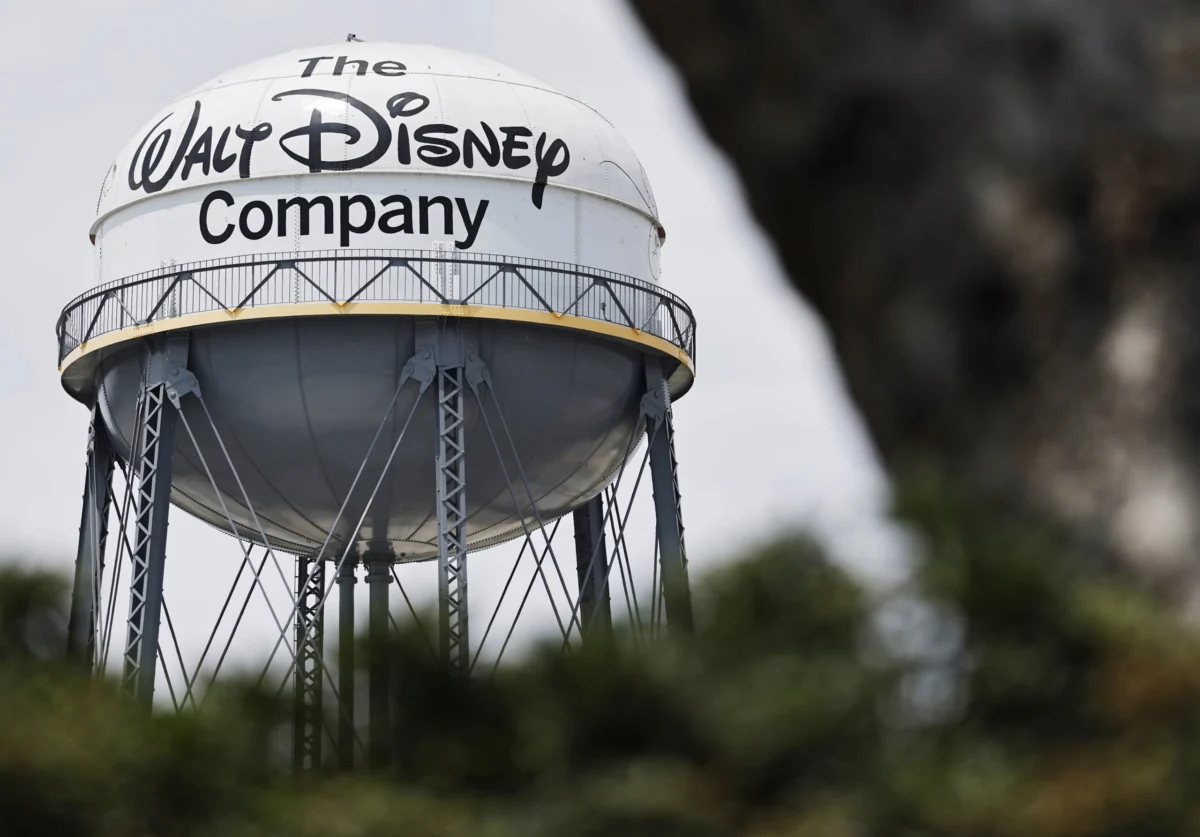
The Walt Disney Company has initiated a new round of workforce reductions, impacting approximately 300 employees across its corporate infrastructure. This latest move marks a continuation of the aggressive cost-cutting measures adopted by CEO Josh D’Amaro, who assumed the company’s top leadership role earlier this year. According to individuals familiar with the matter who spoke on the condition of anonymity, the reductions are primarily concentrated within the company’s human resources and technology divisions, reflecting a broader shift toward operational efficiency in an increasingly digitized media landscape.
This latest adjustment is part of a deliberate, phased strategy to streamline Disney’s expansive enterprise. The company has been signaling these structural changes for months, particularly as it seeks to harmonize its disparate business units under D’Amaro’s "One Disney" initiative. While the human cost of these layoffs remains a significant point of concern for labor advocates and industry analysts, Disney leadership maintains that these reductions are a necessary component of the company’s long-term financial health and its capacity to invest in future growth.
A Chronology of Corporate Restructuring
The current reduction of 300 roles follows a series of systematic cuts throughout 2026, illustrating a consistent trend of organizational tightening under the new administration. The timeline of these changes provides a clear view of the company’s current priorities:
- March 2026: Josh D’Amaro succeeds Bob Iger as Chief Executive Officer, immediately signaling a move toward a more integrated, "flywheel-based" business model.
- April 2026: Disney announces plans to eliminate up to 1,000 positions, focusing primarily on the consolidation of its enterprise marketing division to reduce redundancy.
- July 2026: Further downsizing occurs, with several hundred roles eliminated across corporate functions. Significant impacts are reported within Pixar Animation Studios, National Geographic, ESPN, and Disney Entertainment Television.
- August 2026: During the third-quarter earnings report, Disney explicitly warns shareholders of ongoing efforts to reduce Selling, General, and Administrative (SG&A) expenses. The company concurrently offers voluntary early-retirement packages to senior executives as a means to reduce headcount without involuntary terminations.
- September 2026: The current round of 300 layoffs is finalized, primarily targeting the tech and HR sectors, as the company continues its mid-stream evaluation of labor costs.
Financial Context and Cost-Reduction Mandates
Disney’s aggressive cost-cutting measures are rooted in the financial realities facing the legacy media sector. In its August 2026 earnings statement, the company articulated a clear mandate: "We remain highly focused on reducing costs across the enterprise to create incremental capacity to invest for growth and are evaluating a variety of levers, including reductions in labor and SG&A."
This language suggests that the company is attempting to balance the high capital expenditures required for its streaming platforms, such as Disney+ and Hulu, against the fluctuating profitability of its linear television and theatrical segments. By trimming administrative and technological bloat, Disney is attempting to preserve its margins while funneling resources into high-growth areas like digital integration and interactive media.
The strategy of offering early-retirement packages indicates that the company is attempting to manage this transition with some degree of sensitivity toward its long-tenured workforce. However, the recurring nature of these layoffs has created a climate of uncertainty within the Burbank-based organization, as employees grapple with the ongoing "mid-stream" nature of the company’s internal review process.
The One Disney Strategy: A New Operational Philosophy
At the heart of these personnel changes is Josh D’Amaro’s "One Disney" vision. This strategy aims to dismantle the silos that have traditionally separated Disney’s various creative and operational divisions. The objective is to create a "seamless flywheel" where intellectual property (IP) is leveraged across the entire ecosystem—from the silver screen and streaming platforms to theme parks, consumer goods, gaming, and sports media.
For example, a film franchise produced by Walt Disney Studios is now expected to be more effectively integrated with theme park experiences, digital merchandise, and specialized gaming content. By aligning these divisions under a more unified management structure, D’Amaro aims to reduce the overhead associated with redundant marketing and administrative departments that were previously operating in relative isolation.
However, industry analysts point out that this integration is as much about cultural change as it is about technology. The layoffs in the technology sector, in particular, suggest that Disney is looking to centralize its digital infrastructure, likely moving away from bespoke, department-specific tech stacks toward a unified enterprise-wide platform.
Industry Implications and Labor Impact
Disney is not alone in this endeavor. The broader media landscape—including companies like Warner Bros. Discovery, Paramount, and NBCUniversal—has spent the last two years engaging in similar belt-tightening exercises. The transition from traditional cable-based revenue models to direct-to-consumer streaming services has necessitated a re-evaluation of how many employees are required to support legacy businesses that are, in many cases, experiencing secular decline.
The impact of these cuts extends beyond the individual employees affected. The reduction in HR and technical staff suggests a long-term shift in how Disney manages its internal resources. By reducing administrative staff, the company may be signaling a move toward more automated human resources systems and a leaner corporate structure that requires less centralized oversight.
Furthermore, the focus on Pixar and National Geographic in previous rounds of layoffs highlights the vulnerability of prestige content labels within a cost-conscious conglomerate. As Disney seeks to maximize efficiency, there is a lingering concern among industry observers about whether such deep cuts will impact the creative output and long-term brand equity of these historically high-performing studios.
Looking Ahead: The Path Toward Stability
Disney has signaled that its efforts to reshape the organization are not yet complete. The phrase "mid-stream in this work" in the company’s latest financial reports suggests that shareholders and employees should anticipate further adjustments in the coming quarters. While the company has not provided a specific target for total headcount reduction, the recurring nature of these announcements indicates that "right-sizing" remains a primary objective of the D’Amaro administration.
For the company, the ultimate success of these measures will be measured by its ability to achieve profitability in its streaming business while maintaining the high quality of its entertainment output. The integration of its divisions under the "One Disney" banner is designed to provide the necessary agility to compete with tech-native rivals, but the path to achieving that agility has proven to be a difficult period for the company’s workforce.
As Disney moves into the final quarter of the fiscal year, all eyes will be on the executive team to see if the current pace of layoffs will taper off or if more substantial restructuring is required to meet the company’s ambitious financial targets. For now, the workforce remains in a state of watchful waiting, as the company continues to navigate the complex, often painful transition from a legacy entertainment giant to a streamlined, tech-integrated global media powerhouse.
In conclusion, the current environment at Walt Disney Studios is defined by a fundamental pivot in business strategy. While the headline figures—300 jobs here, 1,000 jobs there—are significant, they are ultimately symptoms of a much larger shift. Under D’Amaro, Disney is prioritizing a model that favors scale, integration, and efficiency, potentially setting the stage for a new era of corporate operations that emphasizes the power of the Disney brand as a singular, unified, and highly optimized entity. Whether this approach preserves the "Disney magic" while satisfying the demands of Wall Street remains the central question for the company’s future.