



The entertainment landscape is bracing for a transformative year as Netflix prepares a robust, high-stakes cinematic lineup for 2027. Following a crowded and occasionally turbulent 2026 calendar that saw several marquee projects pushed into the next cycle, the streaming giant has curated an ambitious slate that balances massive franchise IP, prestige dramas, and star-studded genre pieces. This upcoming year represents a tactical pivot for the platform, as it moves toward longer theatrical windows for its most significant investments—most notably Greta Gerwig’s adaptation of Narnia—while continuing to leverage its exclusive partnerships with industry titans like Adam Sandler and the Russo Brothers.

The Strategic Shift in Release Windows
The 2027 slate is defined by a newfound emphasis on theatrical-first releases for tentpole films. This shift, which acknowledges the changing consumer demand for cinema-quality experiences, is best exemplified by the seven-week theatrical window granted to Narnia: The Magician’s Nephew. By allowing the film a significant presence in IMAX and traditional theaters starting February 12, 2027, before its streaming debut on April 2, Netflix is attempting to bridge the gap between traditional studio distribution and digital convenience. Industry analysts suggest that this strategy is designed to maximize global box office revenue and cultural penetration, ensuring these high-budget projects command the "event film" status necessary to justify their substantial production costs.
Franchise Expansion and IP Development
Netflix’s commitment to building and sustaining franchises remains a cornerstone of its 2027 strategy. The return of the Extraction series with Extraction 3 highlights the platform’s desire to own the action-thriller space. With Sam Hargrave returning to the director’s chair and the addition of international stars like Ma Dong-seok and Pierce Brosnan, the project is clearly intended to serve as a cornerstone of the platform’s "Homegrown Franchise" model.

Similarly, the revival of the Luther franchise through Luther 2 (working title) underscores the value of established television IP. By bringing back Idris Elba alongside Ruth Wilson, the studio is capitalizing on a proven audience base. The integration of high-level production values—shot in London throughout the first half of 2026—suggests that Netflix is moving away from smaller-scale sequels in favor of "event-sized" cinematic continuations that can stand alone as major motion pictures.
The Adam Sandler and Creative Partnership Dominance
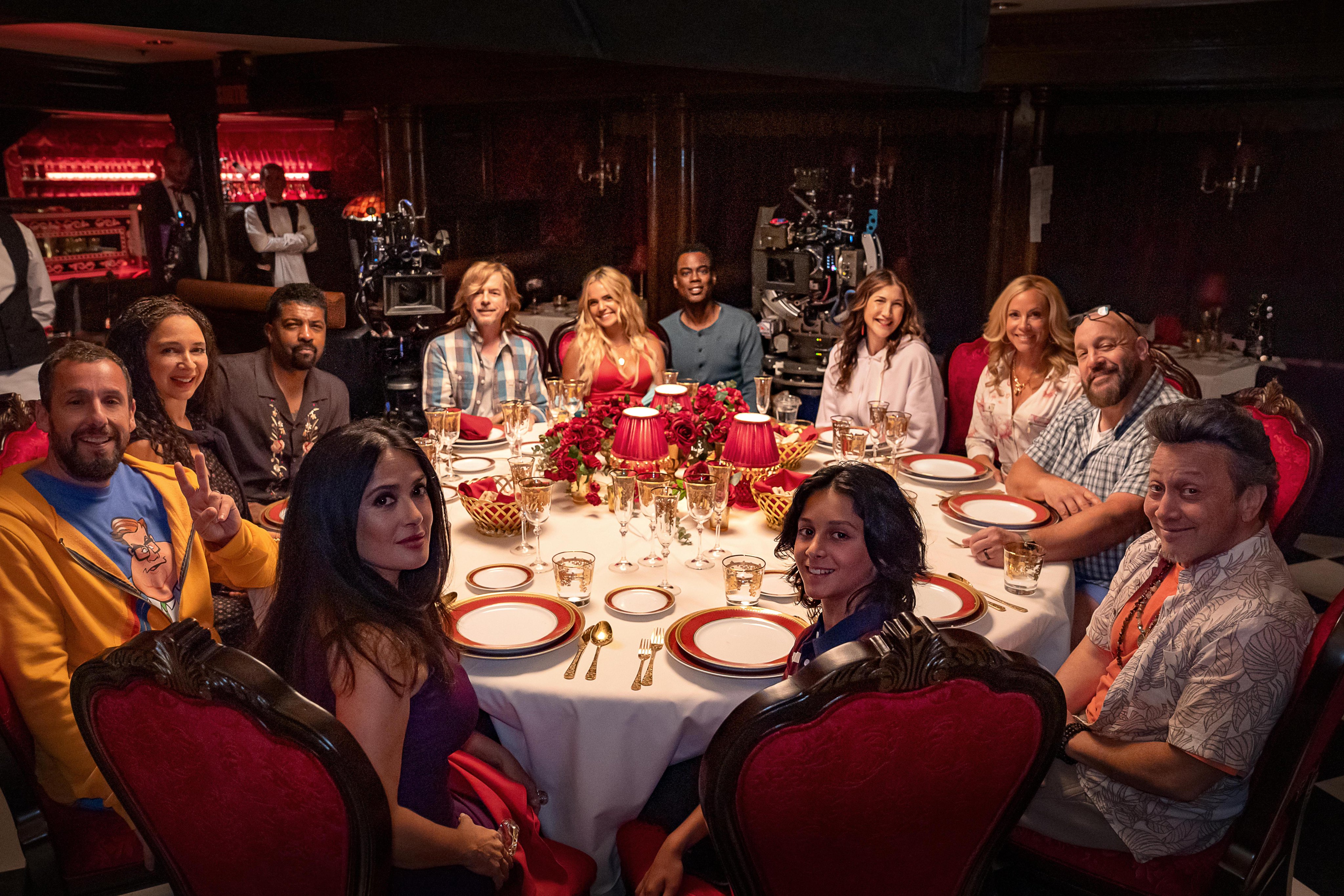
Few partnerships have proven as lucrative for Netflix as that of Happy Madison Productions. The 2027 slate features a bifurcated approach to the Adam Sandler brand. On one hand, Grown Ups 3 provides the mass-market, comedic appeal that has historically driven massive viewership numbers. On the other, the psychological drama Time Out, directed by Scott Cooper, represents Sandler’s continued pursuit of critical acclaim following his performances in Uncut Gems and Hustle. The inclusion of Willem Dafoe and F. Murray Abraham in the cast of Time Out suggests a project tailored for the late-year awards season, positioning Netflix to compete directly with traditional prestige studios.

Genre Diversity and Mid-Budget Prestige
Beyond the blockbusters, 2027 sees a resurgence in the "prestige rom-com" and psychological thriller genres. Films like Good Sex, directed by Lena Dunham and starring Natalie Portman, underscore a significant financial commitment to director-driven projects. With a reported $55 million acquisition cost, Good Sex is positioned as a benchmark for what Netflix expects from its auteur-led romantic comedies.
The thriller category is equally stacked. The Last Mrs. Parrish, directed by Robert Zemeckis, and An Innocent Girl, led by Kerry Washington and James Marsden, reflect a strategy of utilizing proven literary sources and established stars to anchor mid-budget content. These films provide a consistent stream of high-quality, genre-focused entertainment that keeps subscribers engaged between the larger blockbuster drops.

Production Chronology and Technical Hurdles
The 2027 schedule is the result of years of development, with several projects having been "in the can" for significant periods to manage complex visual effects and post-production workflows. For instance, the live-action Gundam adaptation, led by director Jim Mickle, has faced a notoriously long gestation period since its initial announcement in 2018. Having finally wrapped filming in July 2026, the project is currently undergoing an extensive VFX phase, reflecting the technical demands of a big-budget mecha production.
Similarly, the Roald Dahl-inspired Charlie vs. the Chocolate Factory has transitioned from a proposed TV series to a wide-release theatrical animated musical. This evolution demonstrates the flexibility of Netflix’s production arm; when a project displays the potential for global scale, the studio is willing to pivot its distribution plan mid-development.

Market Implications and Future Outlook
The 2027 movie slate serves as a clear indicator of where Netflix believes the industry is heading. By consolidating its IP—such as bringing the Grown Ups franchise in-house from Sony—the company is reducing its reliance on external licensing deals. Furthermore, the decision to hold onto high-interest films like Here Comes the Flood and Saturn Return to ensure they receive a "premium" release date suggests a move toward a more disciplined, high-quality, and lower-volume output.
The following table summarizes the anticipated primary releases for 2027:
| Film Title | Genre | Key Talent | Anticipated Window |
|---|---|---|---|
| Narnia: The Magician’s Nephew | Fantasy | Greta Gerwig, Meryl Streep | Q2 2027 |
| Extraction 3 | Action | Chris Hemsworth, Idris Elba | Q4 2027 |
| Time Out | Drama | Adam Sandler, Willem Dafoe | Q3/Q4 2027 |
| Charlie vs. the Chocolate Factory | Animation | Taika Waititi, Kate Winslet | Q4 2027 |
| Gundam | Sci-Fi | Sydney Sweeney, Noah Centineo | Q3/Q4 2027 |
Official Stance and Audience Expectations
While Netflix has not officially finalized every release date, the current tracking data—led by Denzel Washington’s Here Comes the Flood—indicates that subscriber anticipation for these projects is at an all-time high. The studio’s messaging emphasizes a "something for everyone" approach, balancing the high-octane excitement of the Extraction universe with the contemplative, character-driven narratives of projects like Saturn Return.
As 2026 draws to a close, the focus for the company remains on navigating the logistical challenges of a packed 2027 calendar. The success of these films will likely dictate the company’s long-term relationship with theatrical exhibition and its continued dominance in the streaming wars. With a lineup that spans nearly every major genre and features some of the most recognizable faces in Hollywood, Netflix is positioning 2027 to be a pivotal year in its history, aiming to prove that it can not only sustain a platform but also define the modern cinematic experience.