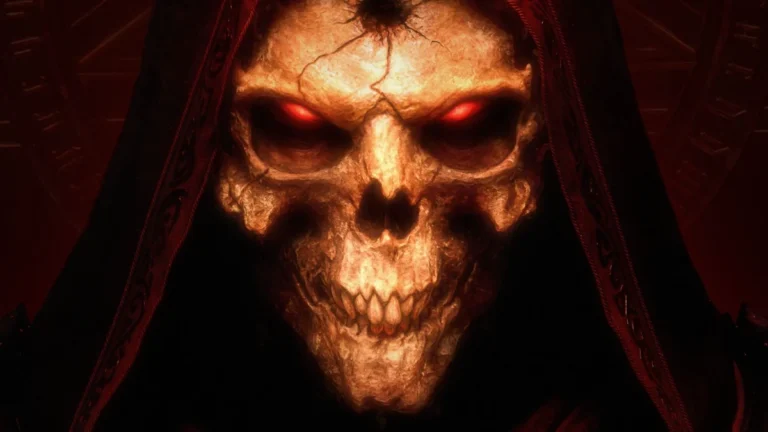



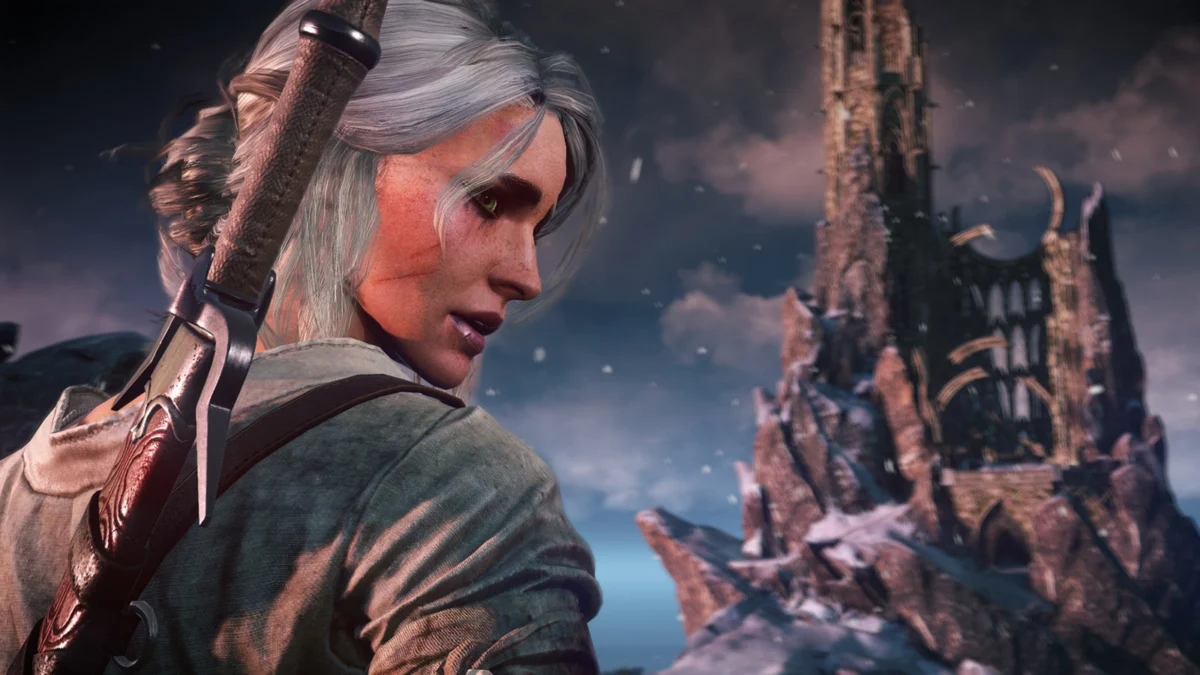
Kwan Perng, a seasoned narrative specialist recognized for their pivotal contributions to major live-service expansions including Destiny 2: The Final Shape and Guild Wars 2: End of Dragons, has officially joined CD Projekt Red as the Lead Writer for Project Sirius. This high-profile recruitment marks a significant step forward for the development of the multiplayer-focused Witcher spin-off, which has undergone substantial internal restructuring over the past eighteen months. Perng confirmed the appointment through professional social media channels, expressing a commitment to the dark, eclectic universe of The Witcher while acknowledging the weight of the franchise’s legacy. The addition of a writer with extensive experience in evolving, long-term narratives suggests that Project Sirius will place a heavy emphasis on storytelling despite its departure from the traditional single-player RPG format that defined the series’ previous entries.
The Narrative Pedigree of Kwan Perng
Kwan Perng arrives at CD Projekt Red with a portfolio that aligns closely with the ambitions of a multiplayer narrative experience. Most recently, Perng served as a narrative lead on Destiny 2: The Final Shape, the critically acclaimed expansion that concluded a decade-long story arc for Bungie’s flagship title. The Final Shape was praised by critics and players alike for its ability to weave complex emotional stakes into a high-octane multiplayer environment—a skill set that is directly applicable to the challenges facing Project Sirius.
Prior to their tenure at Bungie, Perng held a senior narrative role at ArenaNet, working on the Guild Wars 2: End of Dragons expansion. Guild Wars 2 is frequently cited as a benchmark for narrative integration in the Massively Multiplayer Online (MMO) genre, particularly for its "Living World" updates that provide consistent, story-driven content. Perng’s experience also extends to the action-RPG genre, with recent credits on Eleventh Hour Games’ Last Epoch, a title that has seen significant commercial success in the "diablo-clone" market. By securing a writer capable of balancing procedural or multiplayer gameplay with deep lore, CD Projekt Red appears to be addressing the primary concern of its core fanbase: whether a multiplayer Witcher game can retain the atmospheric depth of Geralt of Rivia’s adventures.
The Evolution and Restructuring of Project Sirius
Project Sirius was first unveiled in October 2022 as part of CD Projekt Red’s ambitious long-term strategy, which included a new Witcher trilogy (Project Polaris), a remake of the original Witcher (Project Canis Majoris), and a sequel to Cyberpunk 2077 (Project Orion). Initially, development was spearheaded by The Molasses Flood, a Boston-based studio known for the survival title The Flame in the Flood, which CD Projekt acquired in 2021.
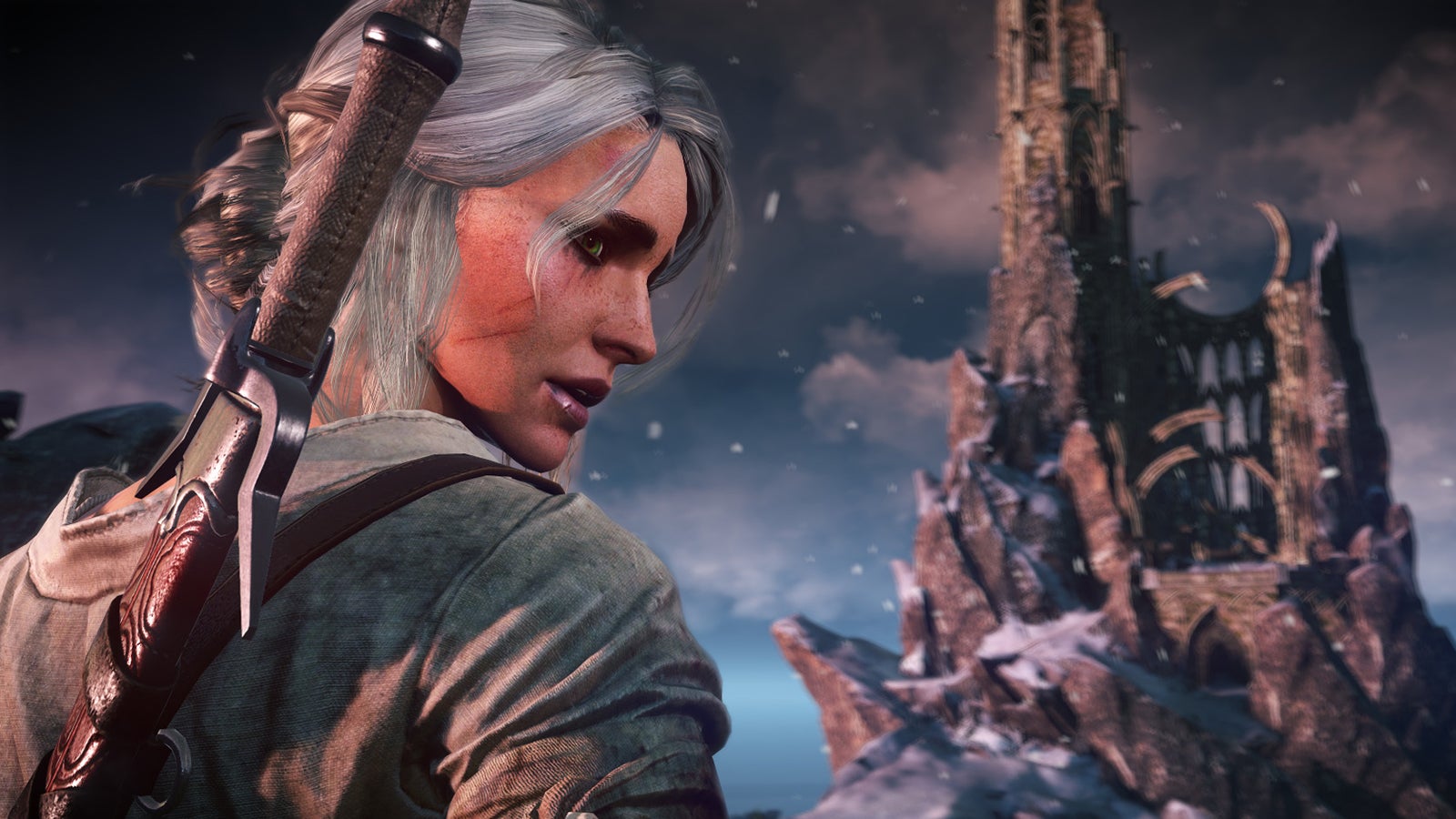
However, the path to production has not been linear. In March 2023, CD Projekt Red announced a "new framework" for Project Sirius, effectively rebooting the project. This decision was accompanied by a significant financial disclosure: an impairment charge of 42.9 million PLN (approximately $10.7 million USD) related to the development costs incurred up to that point. In a subsequent earnings call, CD Projekt’s Chief Financial Officer, Piotr Nielubowicz, stated that the decision to reboot was based on an internal evaluation of the project’s commercial potential and its alignment with the company’s quality standards. Following the reboot, a portion of the staff at The Molasses Flood was laid off as the studio was more tightly integrated into the broader CD Projekt Red infrastructure.
The appointment of Kwan Perng suggests that the "new framework" has solidified and that the project is now moving into a more intensive phase of narrative construction. While the game is expected to feature multiplayer elements—a first for a major Witcher title—CD Projekt has clarified that it will also offer a robust single-player experience, likely serving as a gateway for the franchise’s traditional audience.
A Chronology of The Witcher Franchise Expansion
To understand the context of Perng’s hire, it is necessary to examine the current timeline of the Witcher intellectual property. Following the global success of The Witcher 3: Wild Hunt, which has sold over 50 million copies, CD Projekt Red has shifted from a single-project studio to a multi-project powerhouse.
- 2021: CD Projekt acquires The Molasses Flood to begin work on a unique Witcher project.
- October 2022: The "Sirius" codename is revealed alongside the broader "Polaris" saga.
- March 2023: Sirius is rebooted to ensure "innovative" gameplay that appeals to both new and existing fans.
- Late 2023: CD Projekt Red shifts the majority of its workforce—over 400 developers—to Project Polaris (The Witcher 4), which is currently in full production using Unreal Engine 5.
- Early 2024: Development of the Cyberpunk 2077 sequel begins in earnest at the newly established CDPR Boston hub.
- Mid-2024: Kwan Perng is hired as Lead Writer for Project Sirius, signaling a stabilization of the project’s creative direction.
Supporting Data and Strategic Shifts
The hiring of Perng is part of a larger trend of CD Projekt Red recruiting Western talent to staff its North American operations. The company has been vocal about its transition from the proprietary REDengine to Epic Games’ Unreal Engine 5. This technological shift is intended to streamline development across multiple studios and make it easier to integrate veteran developers from the North American industry who are already proficient in the engine.
Financial data from CD Projekt’s most recent fiscal reports indicate that the company is in a strong position to support these concurrent developments. Despite the costs associated with the Sirius reboot, the company reported a net profit of 481 million PLN for the 2023 fiscal year, bolstered by the success of the Cyberpunk 2077: Phantom Liberty expansion. This financial cushion allows the studio to take its time with Sirius, ensuring that the multiplayer elements do not feel tacked on but are instead a core part of a high-quality narrative experience.

Official Reactions and Industry Implications
While CD Projekt Red has remained tight-lipped about the specific mechanics of Project Sirius, the reaction from the development community regarding Perng’s hire has been overwhelmingly positive. Industry analysts suggest that the "live-service" or "persistent world" expertise Perng brings could be the key to solving the "Witcher multiplayer" puzzle. Unlike traditional competitive multiplayer, Project Sirius is rumored to focus on cooperative play and "emergent storytelling," where players might take on the roles of various witchers or characters within the Continent’s lore.
In their announcement, Perng noted, "It’s humbling to get the opportunity to tell stories in this world and in the company of such talented developers." This sentiment reflects a broader cultural shift within CD Projekt Red following the turbulent launch of Cyberpunk 2077 in 2020. The company has since implemented a "Red 2.0" strategy, focusing on sustainable development cycles, improved QA processes, and a more transparent communication style with its community.
The Broader Impact on the Gaming Landscape
The success or failure of Project Sirius will likely dictate the future of the Witcher IP beyond the mainline RPGs. As the cost of AAA game development continues to rise, major publishers are increasingly looking toward multiplayer or "live" components to provide recurring revenue streams. However, the RPG genre is notoriously difficult to translate into multiplayer formats, as evidenced by the mixed reception of titles like Fallout 76 or the early years of The Elder Scrolls Online.
By hiring a writer who has successfully navigated these waters with Destiny 2 and Guild Wars 2, CD Projekt Red is signaling that it does not intend to sacrifice the "Witcher identity" for the sake of monetization. Perng’s task will be to create a narrative framework that feels reactive to player choice—a hallmark of the series—while functioning within a shared world.
As of late 2024, Project Sirius remains without a confirmed release window, though it is widely expected to follow the launch of Project Polaris, which is not anticipated until at least 2026 or 2027. In the immediate future, fans are looking toward the 10th anniversary of The Witcher 3: Wild Hunt for potential updates on the franchise’s trajectory. With Kwan Perng now at the helm of the narrative department for Sirius, the project moves one step closer to reality, promising a new way for players to inhabit the world created by Andrzej Sapkowski and immortalized by CD Projekt Red.