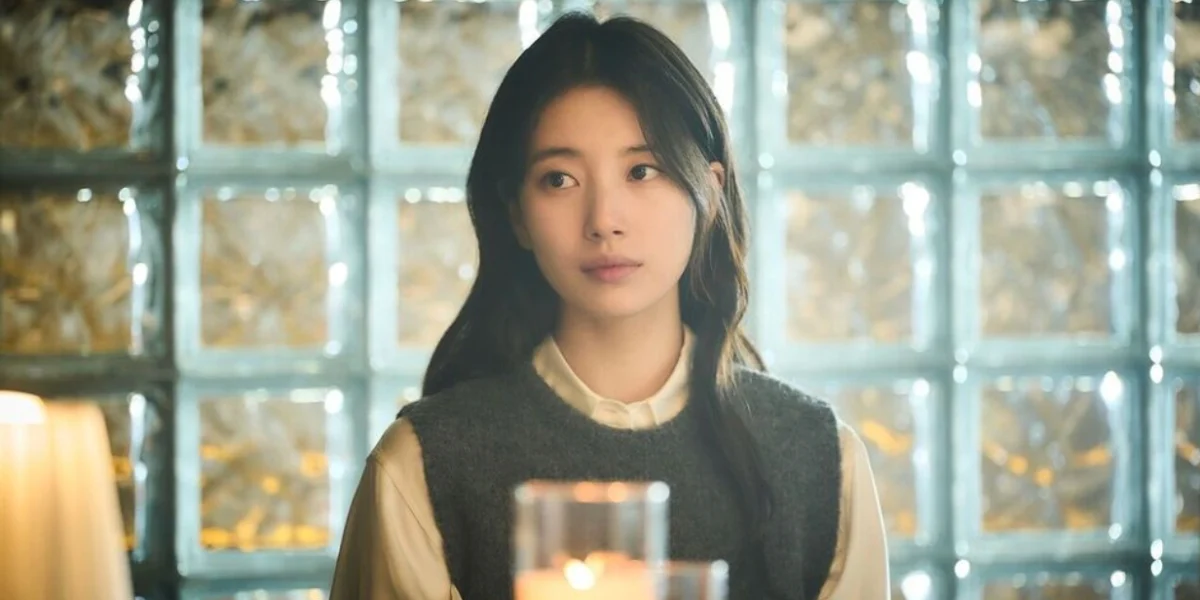
The film "Seven O’Clock Breakfast Club for the Brokenhearted," a poignant exploration of love, loss, and the unexpected paths to healing, has emerged as a standout at this year’s Tribeca Film Festival. Directed by Sun-ae Lim and co-written by Lim and Yi-an Jung, the 108-minute feature delves into the universal experience of heartbreak, offering a refreshingly romantic and relatable narrative that resonated deeply with festival attendees. Starring Suzy, Lee Jin-wook, Yoo Ji-tae, and Keum Sae-rok, the film centers on two individuals grappling with the aftermath of failed relationships who find solace and connection in an unconventional support group.
The Premise: A Community for the Crushed Heart
At its core, "Seven O’Clock Breakfast Club for the Brokenhearted" poses a profound question: how does one truly recover from a shattered heart? The narrative unfolds as two lovelorn souls, Sa-gang (Suzy), a flight attendant recovering from an affair with a married man, and Ji-hoon (Lee Jin-wook), who has recently ended a long-term relationship, independently seek solace. Their paths converge when they are invited to the titular "breakfast club," a unique gathering designed to offer a therapeutic space for those navigating the treacherous waters of heartbreak.
This unconventional club functions as a sanctuary where members can share meals, vent their frustrations, and collectively process their emotional wounds. A central tenet of the club involves attendees bringing a memento, a tangible symbol from their past relationships, to trade with another member. This ritual of exchange serves as a catalyst for introspection and a means of symbolically releasing the past. The film’s central conflict is ignited when Ji-hoon, having left a camera behind at the club, later regrets this decision and embarks on a quest to retrieve it. His search leads him to Sa-gang, the member who acquired the camera. This pursuit, even before their direct encounter, forces both characters to confront their lingering feelings, grief, and the complex process of moving forward.
The Tribeca Debut: A New Horizon for Romance Cinema
The Tribeca Film Festival, an annual celebration of independent cinema held in New York City, has a well-established reputation for showcasing films that push creative boundaries and offer fresh perspectives on universal human experiences. Founded by Robert De Niro, Jane Rosenthal, and Craig Hatkoff in 2001, the festival emerged in the wake of the September 11th attacks as a means to revitalize Lower Manhattan and celebrate the enduring spirit of storytelling. Over the years, Tribeca has become a crucial platform for emerging filmmakers and a bellwether for trends in the film industry, attracting a diverse audience of cinephiles, industry professionals, and critics.
"Seven O’Clock Breakfast Club for the Brokenhearted" premiered at the festival, joining a curated selection of films designed to engage, provoke, and inspire. The film’s inclusion in the festival lineup signifies its perceived artistic merit and its potential to connect with a discerning audience. The festival’s programming often highlights films that offer emotional depth and explore nuanced human relationships, making "Seven O’Clock Breakfast Club for the Brokenhearted" a fitting addition to its esteemed roster. The reception at Tribeca, particularly among audiences seeking emotionally resonant narratives, suggests that the film has successfully tapped into a collective desire for stories that acknowledge and validate the pain of heartbreak while ultimately offering a message of hope and connection.
A Strong Foundation: Concept and Performance
The film’s conceptual strength lies in its immediate relatability. The idea of a community where individuals can openly discuss their heartbreaks and find shared understanding taps into a fundamental human need for connection and validation. As the review notes, "Everyone has been heartbroken and wanted somewhere to go to unload everything and find community." This inherent resonance makes the subsequent introduction of a romance feel like a natural and organic progression. The script, by Sun-ae Lim and Yi-an Jung, is lauded for its strength, allowing the connection between Sa-gang and Ji-hoon to feel authentic from their initial interactions.
The performances by Suzy and Lee Jin-wook are central to the film’s success. They are credited with skillfully portraying the profound loneliness that often accompanies heartbreak, as well as the solace that can be found in forging new connections, not just with each other but within the broader community of the breakfast club. The film allows for various interpretations of the characters’ journeys, whether viewed through the lens of the five stages of grief or a more chaotic path toward closure. Ultimately, the review suggests that the character arcs feel "very earned and sweet by the film’s end," a testament to the actors’ ability to imbue their roles with emotional authenticity and depth.
Visual Storytelling and Pacing
Director Sun-ae Lim crafts a visually rich cinematic experience. The film is described as possessing a "dreamlike, hazy quality" in its aesthetic, a style that is juxtaposed with "snappy yet effective editing choices." This deliberate visual approach contributes to the film’s unique atmosphere, creating a sensory immersion for the viewer. The pacing of the film is characterized as "methodical," with a deliberate build-up to the characters’ meeting. While this initial period of anticipation might seem lengthy, the review clarifies that it "doesn’t feel like a drag," indicating that the narrative effectively maintains engagement through its parallel intrigue points: the developing romance and the dynamics of the breakfast club itself.
The anticipation surrounding Sa-gang and Ji-hoon’s eventual meeting is highlighted as a particularly compelling aspect of the film, with the build-up described as "more exciting and enveloping than when they finally end up meeting." This suggests that the film excels in its creation of yearning and emotional tension. While the subsequent interactions are not deemed underwhelming, the reviewer notes that the "spark doesn’t explode in a way that makes the film a slam dunk." Nevertheless, the film concludes on a note of sweetness and catharsis, offering a satisfying sense of resolution. However, the review posits that the post-meeting dynamic, while enjoyable, does not quite achieve the same magnetic, romantic pull as films like "Before Sunrise" or "Columbus," which the film appears to draw inspiration from.
Challenges to Full Potential: Music and Tone
Despite its many strengths, "Seven O’Clock Breakfast Club for the Brokenhearted" faces certain challenges in reaching its full potential as a romance film, primarily stemming from its musical score and tonal inconsistencies. The music, while pleasant at times, is described as "overbearing in some key moments," which, according to the review, "really detracts from the overall emotions." This suggests that the score occasionally works against the intended emotional impact of specific scenes, pulling the audience out of the narrative rather than deepening their engagement.
Furthermore, the film experiences moments that are perceived as "a little too hokey and sentimental," which "really halts the momentum." While these "cheesier moments" might possess a certain charm in isolation, their juxtaposition with the film’s generally "patient, natural-leaning energy" causes them to fall flat. The reviewer observes a potential disconnect, feeling as though "there are two filmmakers at work at some points," with one side leaning towards a "quiet, yearning indie film" and the other towards a "more traditional studio romance." This duality results in a film that feels "a tad uneven," ultimately impacting the satisfaction of its romantic resolutions. The ending’s tone, caught between these two sensibilities, leaves room for improvement, with the suggestion that "a few scenes tinkered throughout, something really special could’ve been made here."
Broader Implications: The Universality of Heartbreak and Healing
The enduring appeal of "Seven O’Clock Breakfast Club for the Brokenhearted" lies in its exploration of a universally relatable human experience. Heartbreak, a painful yet inevitable part of life, affects individuals across all demographics and backgrounds. The film’s success at Tribeca suggests a continued audience appetite for stories that acknowledge this pain and offer pathways toward healing. The concept of a support group, even one as unconventional as a breakfast club, highlights the importance of community and shared experience in navigating difficult emotional terrain. In an era where mental health awareness is increasingly prioritized, films that depict healthy coping mechanisms and the therapeutic value of human connection hold significant cultural relevance.
The film’s narrative also subtly underscores the role of tangible objects in our emotional lives. The act of bringing a memento to the club and trading it with another person is a powerful metaphor for processing and releasing past attachments. This element of the story can be seen as a commentary on how we imbue objects with memories and emotions, and how the act of relinquishing them can be a crucial step in personal growth.
The film’s blend of independent spirit and mainstream romantic sensibilities, while presenting a challenge in terms of tonal consistency, also speaks to the evolving landscape of romantic cinema. Audiences today often seek a balance between authentic, character-driven narratives and the aspirational, swoon-worthy elements that have long defined the genre. The success of "Seven O’Clock Breakfast Club for the Brokenhearted" at Tribeca indicates that filmmakers are finding innovative ways to explore these dynamics, offering stories that are both emotionally resonant and broadly appealing. As the film potentially moves towards wider distribution, its ability to connect with audiences beyond the festival circuit will be a key indicator of its lasting impact and its contribution to the contemporary romance genre. The presence of established actors like Yoo Ji-tae and Keum Sae-rok alongside Suzy and Lee Jin-wook also suggests a strategic casting approach, aiming to attract a broad audience while ensuring strong performances that can carry the emotional weight of the story. The film’s modest running time of 108 minutes also positions it as an accessible entry point for viewers seeking a focused and impactful cinematic experience.