

Sandfall Interactive, the Montpellier-based studio that rose to international prominence with the release of its debut title, Clair Obscur: Expedition 33, has signaled a resolute commitment to creative autonomy as it begins preliminary work on its second major project. Guillaume Broche, the founder of Sandfall Interactive and director of the critically acclaimed RPG, recently addressed the heightened expectations surrounding the studio’s sophomore effort, emphasizing a philosophy that prioritizes artistic vision over market-driven trends. In an industry currently grappling with significant volatility, layoffs, and the cancellation of experimental projects, Broche’s stance represents a broader shift toward independent-led innovation in the role-playing game (RPG) sector.
The Chronology of an Unprecedented Debut
The trajectory of Sandfall Interactive began with the ambitious goal of revitalizing the turn-based RPG genre, a format that many AAA publishers had moved away from in favor of real-time action systems. Founded in France, the studio sought to blend high-fidelity visuals—powered by Unreal Engine 5—with the tactical depth of classic RPGs. When Clair Obscur: Expedition 33 was first revealed, it immediately drew comparisons to genre stalwarts, yet its unique aesthetic, inspired by the French Belle Époque, set it apart.
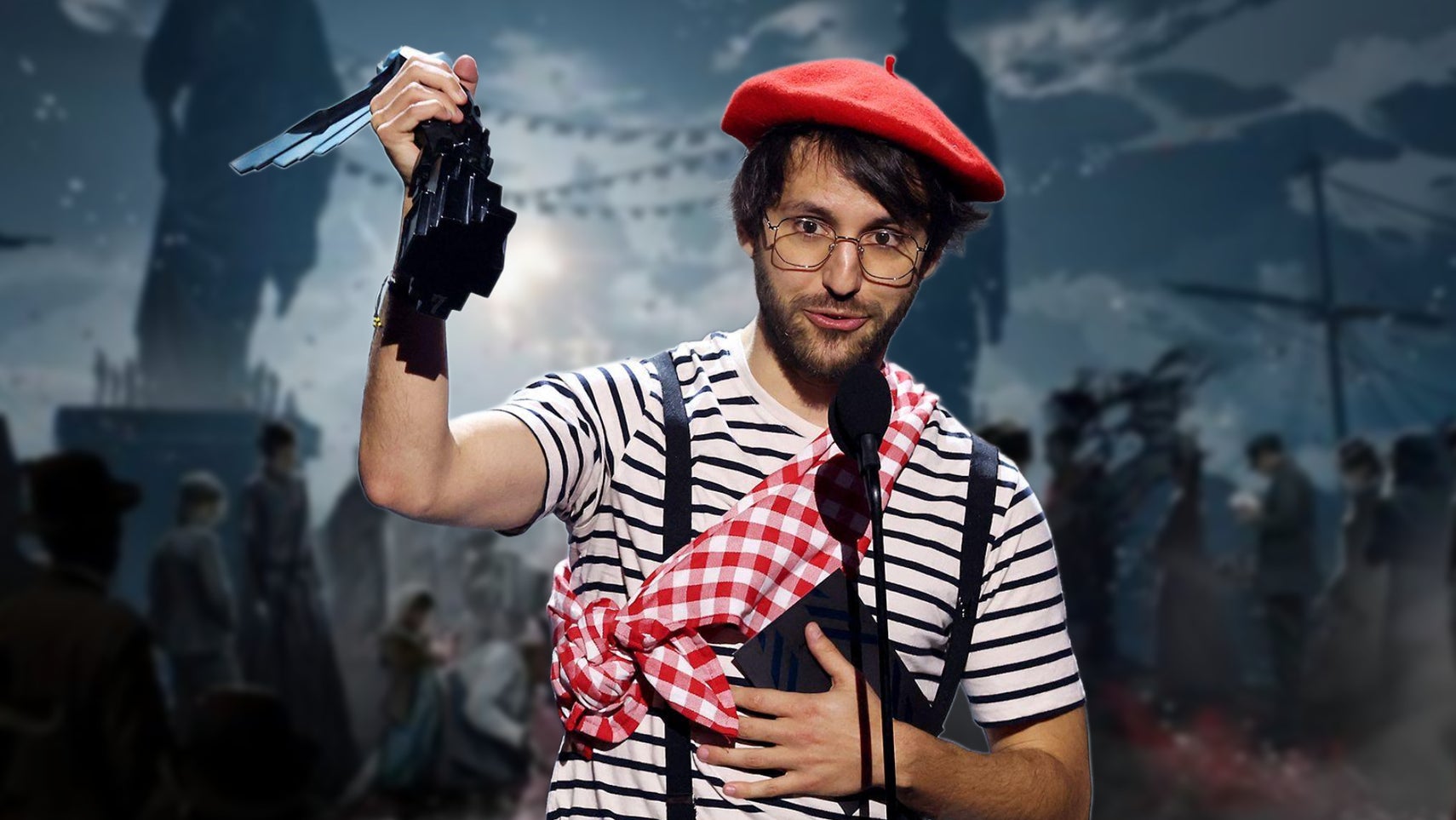
The timeline of the studio’s success reached a crescendo during the 2025-2026 awards season. Following its launch, the game became a critical darling, culminating in three BAFTA Games Awards, including the prestigious "Best Game" category. This was followed by a "Game of the Year" win at the D.I.C.E. Awards, solidifying the studio’s position at the vanguard of modern game design. The cultural impact of the game was so significant that it garnered public acknowledgment from the French presidency, highlighting the importance of the video game sector to the national economy and cultural output of France.
Statistical Benchmarks and Market Performance
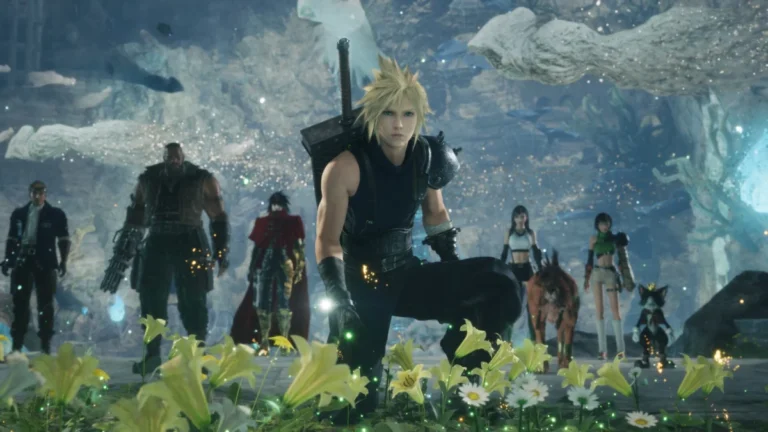
The commercial performance of Clair Obscur: Expedition 33 provides a stark contrast to the performance of established "mega-franchises" in the current market. Industry estimates suggest the title has surpassed 6 million copies sold, a figure that is particularly notable when compared to traditional heavyweights. For instance, Square Enix’s Final Fantasy XVI, a title with decades of brand recognition and a massive marketing budget, saw lifetime sales estimated at approximately 4.5 million units.
The fact that a new IP from a technically independent studio could outperform a flagship Japanese RPG (JRPG) franchise by over 1.5 million units indicates a significant shift in consumer behavior. Analysts suggest that younger audiences and veteran RPG fans alike are increasingly gravitating toward new experiences that offer a distinct creative voice rather than iterative sequels. This data supports Sandfall’s belief that creative risks can lead to higher commercial rewards than safe, trend-focused development.
Leadership Philosophy and the "Second Game" Challenge
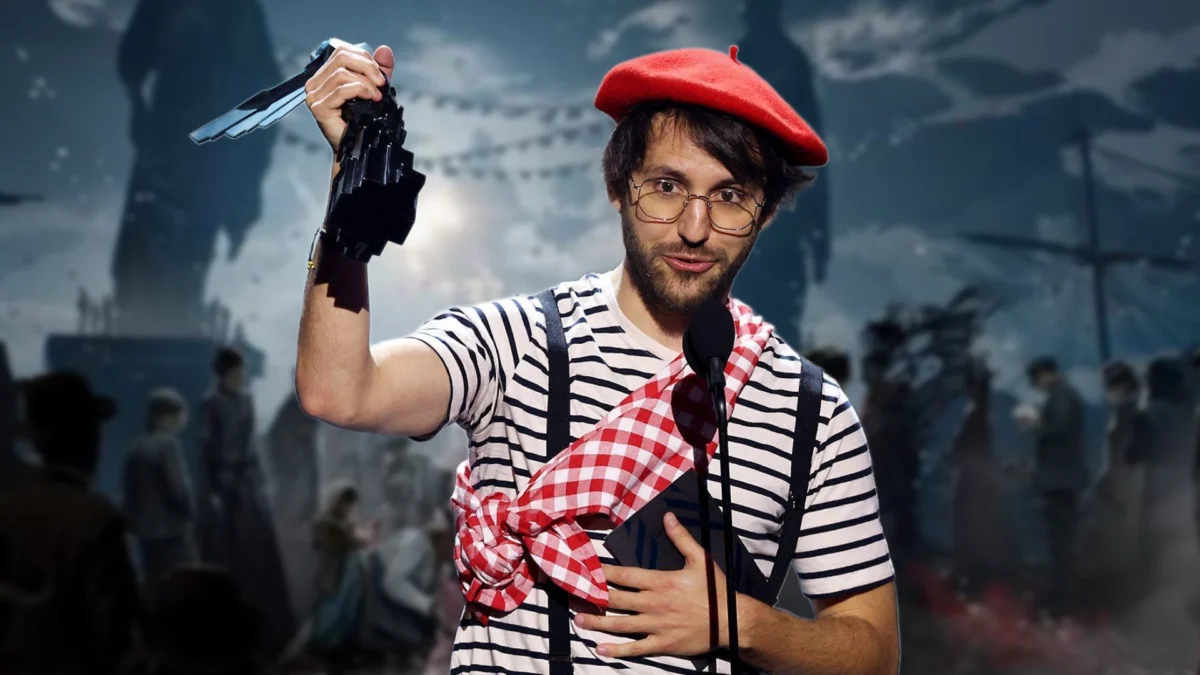
Addressing the pressure of following up on a historic success, Guillaume Broche remains focused on the internal motivations of the team rather than external validation. In a recent interview with Video Game Club on the Konbini YouTube channel, Broche stated, "Maybe people won’t like it. That’s life. We didn’t make the first game to please anyone, and I think that’s why it worked." This sentiment was echoed by the studio’s Chief Operating Officer and Production Director, François Meurisse, who noted that the team feels a greater need to trust their instincts than to succumb to fan or investor pressure.
The studio’s leadership has consistently pointed to a "creative-first" model. Lead writer Jennifer Svedberg-Yen has observed that media projects often lose their "heart" when they are swayed by the desire to please a broad demographic. By maintaining an independent spirit—despite being published by Kepler Interactive—Sandfall aims to avoid the pitfalls of "design by committee," which has been a frequent criticism of large-scale AAA productions in recent years.

Technical Influences and Genre Evolution
The success of Clair Obscur: Expedition 33 is frequently attributed to its sophisticated synthesis of various gameplay influences. Broche has cited Persona 5 as a primary inspiration for the game’s dynamic camera work and stylized user interface (UI). Additionally, the integration of reactive, quick-time mechanics into turn-based combat was influenced by Xbox-era classics such as Lost Odyssey and Blue Dragon.
By taking the torch from Larian Studios—whose Baldur’s Gate 3 proved that turn-based systems could achieve massive mainstream success—Sandfall Interactive has helped prove that the "active turn-based" subgenre is not only viable but highly desirable. Looking toward the future, there is significant speculation regarding whether the studio will explore the "Active Time Battle" (ATB) system, a mechanic famously pioneered by Final Fantasy IV and perfected in Final Fantasy VIII. Broche’s personal affinity for Final Fantasy VIII, which he has cited as his favorite game of all time, suggests that the studio may continue to iterate on these classic systems, modernizing them for a contemporary audience.
The Broader Impact on the Video Game Industry
The rise of Sandfall Interactive occurs against a backdrop of significant contraction within the traditional gaming industry. The "big reset" currently being undertaken by major platform holders like Xbox has resulted in the closure of several prominent studios and a narrowed focus on established intellectual properties such as Halo, Call of Duty, and Fallout. Similarly, even successful independent developers like IO Interactive (the studio behind the Hitman series and the upcoming 007 First Light) have faced workforce reductions due to shifting investment landscapes.
In this environment, Sandfall Interactive serves as a case study for the "AA" or "Indie-plus" model of development. This model involves:

- Creative Sovereignty: Maintaining control over the IP and creative direction.
- Targeted Innovation: Focusing on specific genres (like turn-based RPGs) that have been underserved by larger publishers.
- Visual Excellence: Utilizing modern engines to bridge the gap between indie budgets and AAA expectations.
The success of titles like Clair Obscur, alongside other viral sensations like Meccha Chameleon, reinforces the theory that the "mega-franchise" era may be reaching a point of diminishing returns. As consumers become more discerning, the value of a unique creative vision is becoming the primary driver of market success.
Future Implications and Studio Outlook
While specific details regarding Sandfall’s second project remain under wraps, the studio has confirmed that they are already exploring "great ideas" that have energized the development team. The industry at large is watching closely to see if Sandfall can achieve the rare feat of back-to-back successes with entirely new concepts.
The studio’s trajectory suggests that they will continue to ignore the "capitalist cynicism" that often dictates the development of live-service games and microtransaction-heavy titles. Instead, Sandfall appears committed to the "premium" single-player experience. If their next project follows the same path of honoring genre history while pushing technical boundaries, it could solidify the Montpellier region as a global hub for RPG development.
Ultimately, the message from Guillaume Broche and his team is clear: the future of gaming lies not in chasing the ghosts of past successes, but in the bold, often risky pursuit of something personal. As the industry continues to navigate a period of intense transformation, Sandfall Interactive stands as a testament to the fact that when developers make the games they want to play, the audience will follow. The "Thundaga" of their debut may have been a historic strike, but with their current philosophy, the studio is positioning itself for a sustained and influential presence in the global market.