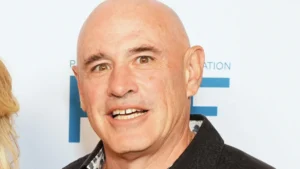

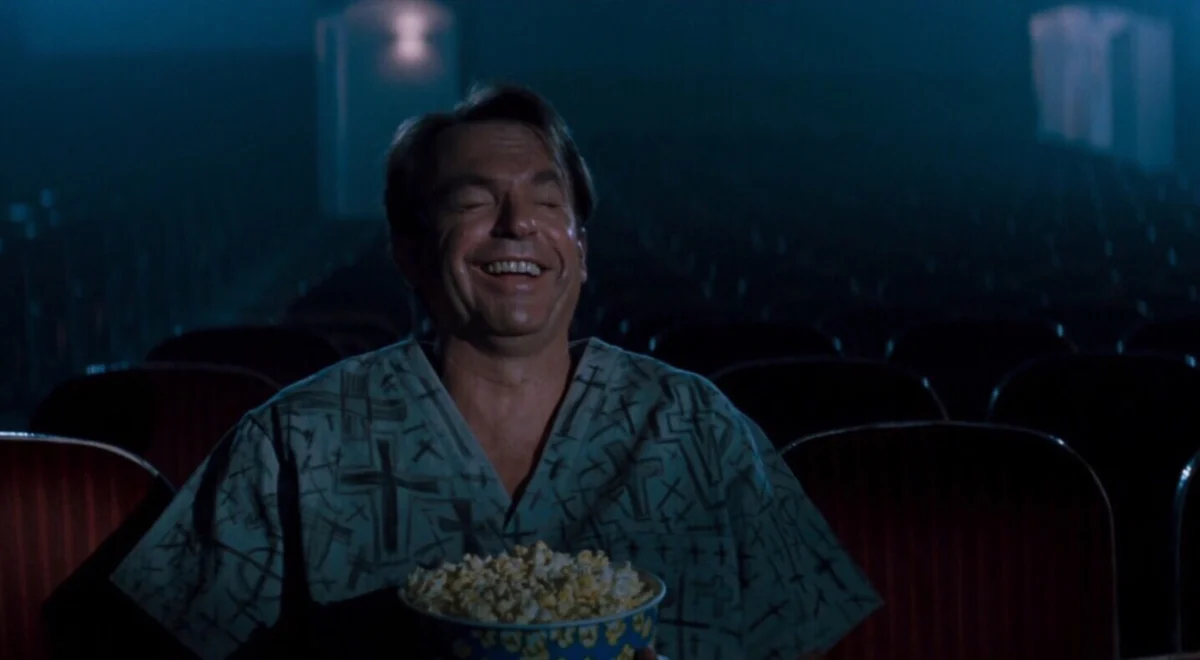
The passing of legendary actor Sam Neill at the age of 78 marks the conclusion of a remarkable career spanning more than five decades, leaving an indelible imprint on both international blockbuster cinema and independent arthouse filmmaking. Renowned globally for his portrayal of paleontologist Dr. Alan Grant in Steven Spielberg’s groundbreaking 1993 epic Jurassic Park, Neill’s body of work extended far beyond prehistoric thrills. Throughout his life, he transitioned effortlessly between psychological horror, romantic drama, science fiction, and gritty survival thrillers, establishing a reputation not only as a consummate professional and a stalwart cinematic collaborator, but also as an environmental advocate and a dedicated organic vintner in his native New Zealand.
Main Facts and Career Overview
Sam Neill’s cinematic trajectory was defined by an uncommon range that defied typecasting. While mainstream audiences most readily associate him with the sun-drenched, dinosaur-infested jungles of Isla Nublar, cinephiles celebrate his fearless dives into the macabre and the uncanny. From playing the Antichrist in The Omen III: The Final Conflict to embodying the descent into cosmic madness in John Carpenter’s 1994 cult classic In the Mouth of Madness, Neill brought a grounding gravity, wry humor, and profound pathos to lurid material.

Rather than leaning into the aloof detachment typical of many leading men of his generation, Neill possessed a rare alchemical ability to elevate his co-stars. His career is punctuated by memorable performances alongside some of the most celebrated actresses of the late 20th century, including Meryl Streep in A Cry in the Dark, Holly Hunter in The Piano, Isabelle Adjani in Possession, Nicole Kidman in Dead Calm, and Laura Dern in Jurassic Park. His capability to function effectively both as a solo anchor and as an empathetic scene partner cemented his status as a foundational pillar of modern cinema.
Chronology and Professional Milestones
Born in Northern Ireland in 1947 and raised in New Zealand, Neill’s formative artistic years were rooted in the nascent New Zealand film renaissance of the late 1970s.
- 1979: Neill gained international attention in Gillian Armstrong’s arthouse landmark My Brilliant Career, starring opposite Judy Davis. His performance caught the eye of legendary actor James Mason, who recommended Neill for high-profile international casting.
- 1981: Neill experienced a breakout year in American and European cinema. He starred as Damien Thorn in The Omen III: The Final Conflict and delivered a tour de force performance in Andrzej Żuławski’s polarizing psychological horror masterpiece, Possession.
- 1987: Neill partook in a famously brief and reluctant flirtation with the James Bond franchise, undertaking a screen test for The Living Daylights that he would later describe in interviews and his 2023 memoir, Did I Ever Tell You This?, as a profoundly mortifying experience.
- 1988: He delivered a tersely heroic, physically demanding lead performance in Phillip Noyce’s Australian survival thriller Dead Calm, opposite Nicole Kidman, which directly influenced Steven Spielberg’s decision to cast him in his career-defining role.
- 1993: The release of Jurassic Park propelled Neill into unprecedented global superstardom as Dr. Alan Grant, a role he would reprise in subsequent franchise installments, culminating in his return for Jurassic World Dominion in 2022.
- 1994–1997: Neill cemented his standing as a master of genre cinema by headlining John Carpenter’s In the Mouth of Madness (1994) and Paul W.S. Anderson’s sci-fi horror film Event Horizon (1997).
- 1995: Alongside filmmaker Judy Rymer, Neill codirected Cinema of Unease, a critical, self-reflective documentary exploring the history, psychology, and underlying fears of New Zealand cinema.
- 2023: Following a diagnosis of non-Hodgkin lymphoma, Neill published his candid memoir, Did I Ever Tell You This?, while maintaining an active public presence centered on his family, his environmental activism, and his Central Otago wine estate, Two Paddocks.
Supporting Data and Industry Context
In an industry frequently characterized by transient celebrity and manufactured public personas, Neill cultivated a remarkably consistent reputation for warmth, integrity, and humility. Beyond his filmography—which encompasses more than 150 film and television credits—Neill was deeply invested in agricultural pursuits and land stewardship. His Central Otago vineyard, Two Paddocks, established in the 1990s, served as both a successful organic farming enterprise and a digital sanctuary for his widely followed social media presence, where he routinely posted humorous updates featuring farm animals and advocates for ecological preservation.

Statistical and historical analyses of Neill’s box office footprint reveal an actor who anchored multiple billion-dollar cinematic properties without losing his footing in independent, regional productions. Jurassic Park alone grossed over $1 billion globally during its initial theatrical run and subsequent re-releases, establishing a high-water mark for computer-generated visual effects integration. Yet, despite his commercial viability, Neill maintained a deliberate artistic balance, continually returning to antipodean projects that interrogated the cultural identity, historical trauma, and social landscape of New Zealand and Australia.
Official Responses and Industry Tributes
Following the announcement of his passing, tributes poured in from across the global entertainment community, reflecting the deep affection and professional respect he commanded.
Director John Carpenter shared his grief publicly, posting on social media: "The world has lost a remarkable actor, father, farmer, and friend. I’m heartbroken to hear about Sam. We made two movies together, and every day on set was a masterclass in collaboration and humanity."
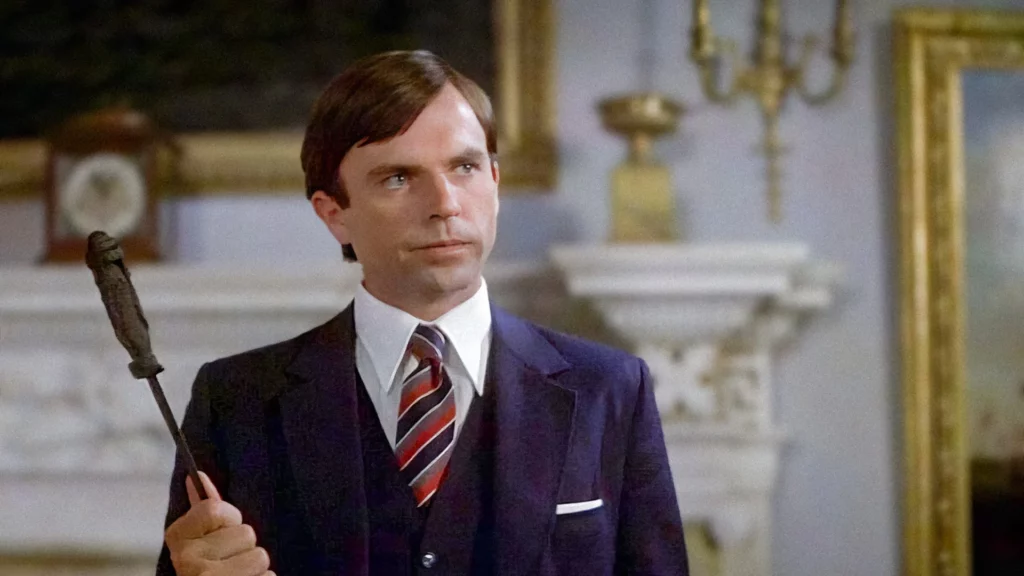
Gillian Armstrong, who directed Neill in My Brilliant Career, reflected on his early magnetic screen presence, noting how effortlessly he bridged traditional leading-man charisma with vulnerability. Former co-stars, directors, and cultural institutions across the globe echoed these sentiments, emphasizing his off-screen generosity, his sharp wit, and his refusal to take Hollywood’s mythology too seriously. Notably, his transition away from platforms like Twitter following its corporate acquisition underscored his commitment to civil discourse, choosing to step away from digital environments he deemed divisive.
Broader Impact and Implications
The legacy of Sam Neill extends far beyond the nostalgic appreciation of 1990s blockbusters or the cult followings of his horror collaborations. As an artist, he bridged the gap between classical Hollywood craftsmanship and the unpredictable psychological depths of European and Australasian arthouse cinema. His performances consistently challenged the archetypes of traditional masculinity, offering audiences rationalists who faltered, heroes who felt fear, and intellectuals who possessed physical and emotional grit.
Furthermore, Neill’s public openness regarding his health challenges late in life—particularly his treatment for non-Hodgkin lymphoma—broadened cultural conversations around aging, mortality, and the appreciation of everyday existence. As he stated in a 2023 interview with the BBC: "I’m not afraid of dying. What I don’t want to do is to stop living, because I really enjoy living."
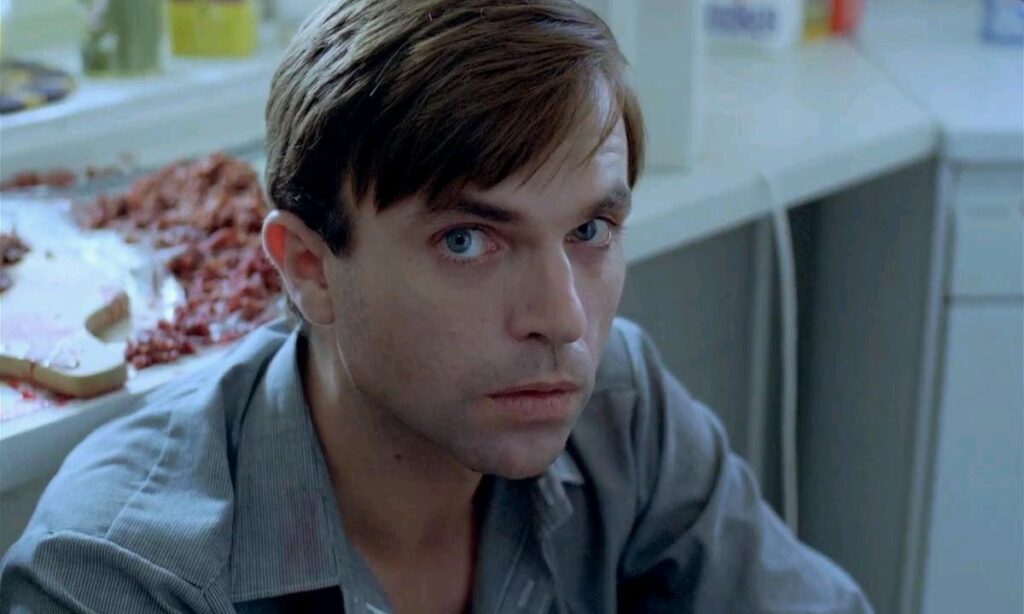
In an era where cinematic icons are frequently commodified, Sam Neill remained stubbornly, delightfully human—a farmer, an environmentalist, a dedicated father, and an actor of peerless versatility whose work will continue to captivate, frighten, and delight audiences for generations to come.