
The 30th iteration of the Bucheon International Fantastic Film Festival (BIFAN), held annually in Bucheon, South Korea, concluded its run by showcasing a diverse and expansive program that underscored the dynamism of global genre cinema and its increasing intersection with cutting-edge production technologies. The festival presented a formidable lineup of 321 works hailing from 50 countries, comprising 170 feature films, 85 short films, and a notable expansion into new media with 38 Artificial Intelligence (AI) productions and 28 Extended Reality (XR) projects. This year’s BIFAN not only continued its established legacy of championing Korean genre cinema, now amplified through the newly designated Bucheon Choice Korean sections, but also boldly embraced the future with the introduction of the Bucheon Choice AI Films category, signaling a commitment to exploring the evolving landscape of filmmaking. The festival was further illuminated by a series of engaging masterclasses, insightful interviews, and the presence of cinematic luminaries such as Takashi Miike, Yuen Woo-ping, Josie Ho, and Fan Bingbing, whose contributions enriched the discourse on genre filmmaking.
A Spotlight on Korean Genre Innovation and Its Challenges
The Korean selection at the 30th BIFAN was particularly distinguished by its audacious and often unique conceptualizations. A recurring theme observed across many Korean productions was the ambition to tackle complex ideas and push creative boundaries. However, a consistent challenge encountered was in the execution, frequently stemming from directorial approaches that sometimes overextended their reach. Several films introduced an abundance of narrative threads, struggled to maintain thematic cohesion, or faced difficulties in delivering satisfying resolutions in their final acts. Despite these hurdles, the festival also celebrated a significant number of impressive debuts, bold experiments, and technically accomplished works that demonstrated the vitality and ingenuity of Korean independent genre filmmaking. Complementing these cinematic offerings, the festival’s extensive interview program provided invaluable insights into the multifaceted challenges faced by independent filmmakers, the burgeoning impact of AI on the industry, advancements in visual effects, and the nuanced craft of performance.
Key Films and Notable Moments from BIFAN 2026
The Last Jiangshi: A Nostalgic and Poignant Homage
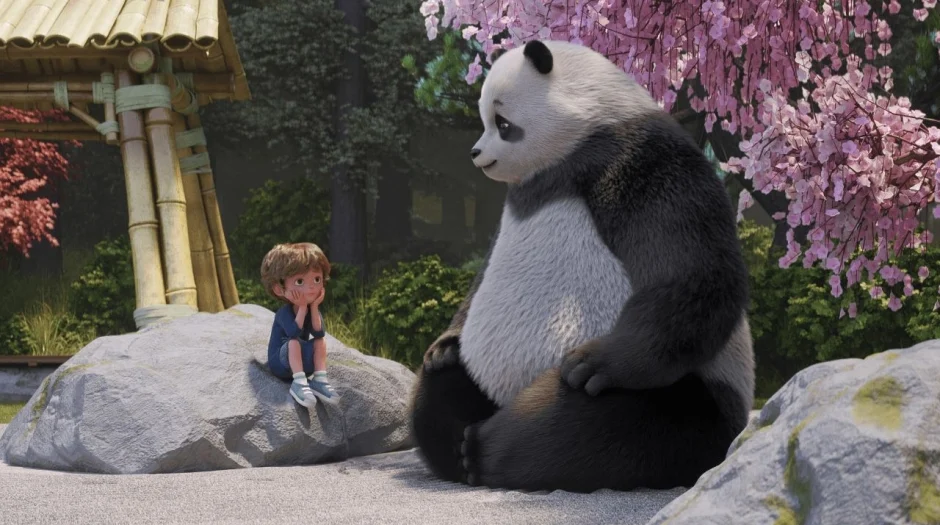
Yu Chih-chieh’s short film, "The Last Jiangshi," operates on a dual level, offering both a heartfelt tribute and a subtle social commentary. At its core, the 20-minute piece is an affectionate homage to the classic "Mr. Vampire" franchise, replete with numerous references and Easter eggs that celebrate the iconic jiangshi (hopping vampire) mythology. The film playfully engages with established tropes while injecting a fresh perspective. Beyond its nostalgic appeal, "The Last Jiangshi" delves into the plight of Lao Li, a protagonist who has existed for so long that he finds himself profoundly out of sync with a rapidly evolving society. He is not merely the last of his kind in a cinematic sense but a cultural relic whose identity and place in the world have gradually eroded. This dual narrative results in a remarkably touching and often humorous short that artfully blends reality, fiction, and affectionate homage. It culminates in an unexpected poignancy, reflecting on themes of aging, cultural displacement, and the struggle to adapt to societal change. The film’s resonance was recognized with the Audience Award in the Bucheon Choice World: Shorts category.
The Mage: A Visually Striking, Yet Stylistically Unorthodox Thriller
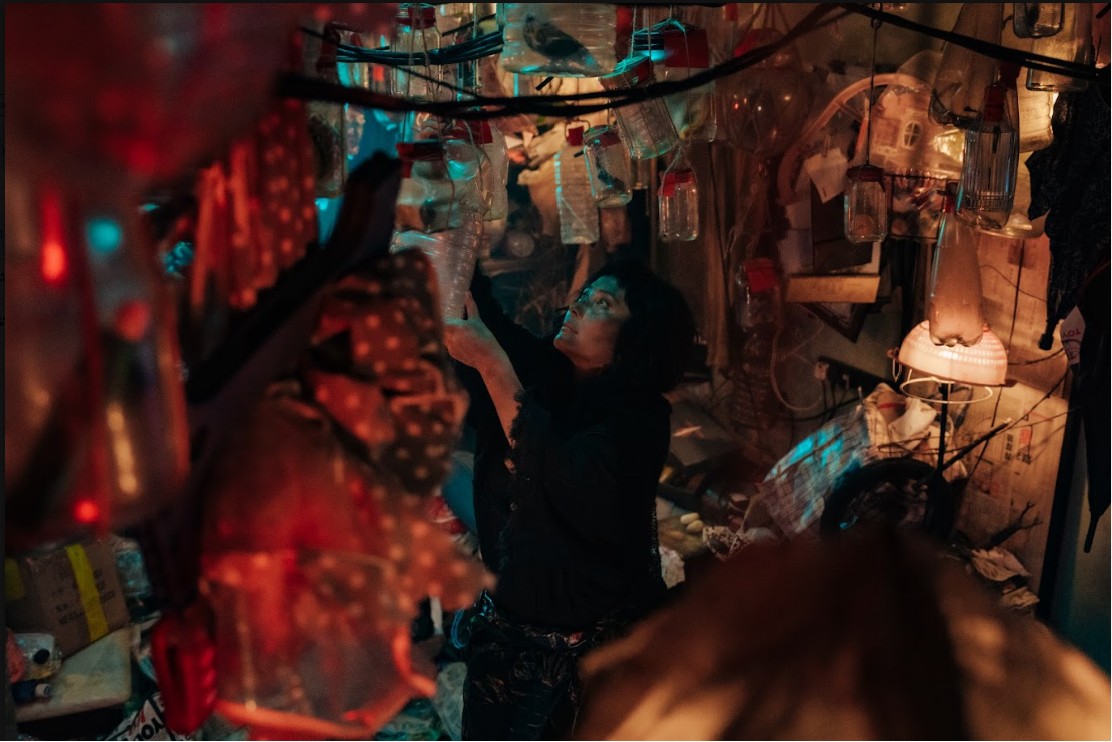
Directed by the Pang brothers, "The Mage" presents a feature film that, while visually arresting, wears its stylistic eccentricities and narrative shortcomings openly. The film adopts an exaggerated approach, a hallmark of some older Hong Kong productions, where logical coherence often takes a backseat to pivotal, often grotesque, imagery. Consequently, characterization can feel peculiar and illogical, plot twists are delivered abruptly, and the narrative arc sometimes feels rushed. Nevertheless, the film’s visual presentation is undeniably impressive. Cinematographers Hung Mo To and S. K. Yip employ a deliberately desaturated color palette, which effectively amplifies the impact of stark splashes of red, gruesome depictions of violence, and dynamic action sequences. The sound design and visual elements masterfully convey the protagonist’s fear of water, amplified by pervasive rain, while the unsettling presence of garbage surrounding the character Lan contributes to both the oppressive atmosphere and her characterization. During BIFAN, actress Josie Ho, a recipient of the Fantastic Icon Award, discussed the evolving role of AI in cinema. While acknowledging AI’s potential to support budget-constrained productions or overcome reshoot challenges, Ho emphasized that certain scenes and emotional nuances remain intrinsically human, underscoring the irreplaceable value of human actors. Like many classic Hong Kong CAT III genre films, "The Mage" requires viewers to suspend disbelief for maximum enjoyment, offering an entertaining and visually spectacular experience for those willing to embrace its unique logic.
Line: A Masterclass in Single-Take Tension and Social Commentary
Yoon Hye-ju’s short film "Line" offers a compelling exploration of community dynamics through a striking visual metaphor. Within Korean culture, the red thread traditionally symbolizes an invisible connection binding individuals. In "Line," however, this symbol is rendered tangible and unsettling, stretching across landscapes and private properties. What was once a familiar emblem of unity and destiny becomes a visible impediment, exposing the suspicion, resentment, and divisions festering within a rural community. While Boss Park is the immediate instigator of conflict, a palpable disdain for outsiders, particularly those from Seoul, permeates the film. The commentary on insular small-town mentalities is sharp and incisive, highlighting the pervasive gossip and the intense scrutiny of private lives that characterize such environments. The red line, in this context, becomes a potent parody of this mentality and the complex interactions between locals and outsiders. A significant strength of "Line" is its cinematography, which appears to have been executed in a single, unbroken take. The camera fluidly navigates the setting, frequently drawing close to the characters’ faces, while the red thread itself provides a powerful visual motif. "Line" is an intelligent and exceptionally well-shot short that thrives on its building tension and compelling visuals, marking Yoon Hye-ju as a director of considerable promise.
Brunch with a Depressed Zombie: An Ambitious Yet Uneven Exploration of Care and Connection
Kim Eun-young’s "Brunch with a Depressed Zombie" presents an unconventional premise, shifting the focus from traditional zombie horror to the possibility of coexisting with the infected. Zombiehood is reframed as an illness that alters relationships rather than ending them. The film centers on Byeong-jin’s efforts not to cure his partner Seon-woo, but to understand her new needs, adapt to her changed behavior, and find ways to care for her within their altered reality. This unique approach allows the film to draw parallels between the zombie condition and themes of depression, emotional withdrawal, and the profound difficulties of communicating with someone whose internal world has become inaccessible. Culinary endeavors become a surrogate language when words fail, with the emphasis on local and traditional foods adding another layer of depth, as the narrative is structured into chapters named after the dishes Byeong-jin prepares. Despite its intriguing conceptual framework, the film struggles with cohesion, with transitions between different timelines—Byeong-jin’s childhood, the couple’s past, the present outbreak, and the culinary segments—often feeling awkward. The editing frequently disrupts the emotional momentum, preventing one timeline from effectively illuminating another. In a candid interview, Kim revealed that the initial connection between depression and zombiehood stemmed from her personal experiences with depression, and she described care as a tradition passed down through generations, akin to a recipe. While the finished film contains a compelling collection of ideas and several touching observations about care, it falls short of coalescing into the cohesive feature it had the potential to be.
Company Sports Day: A Whimsical Yet Insightful Critique of Corporate Culture
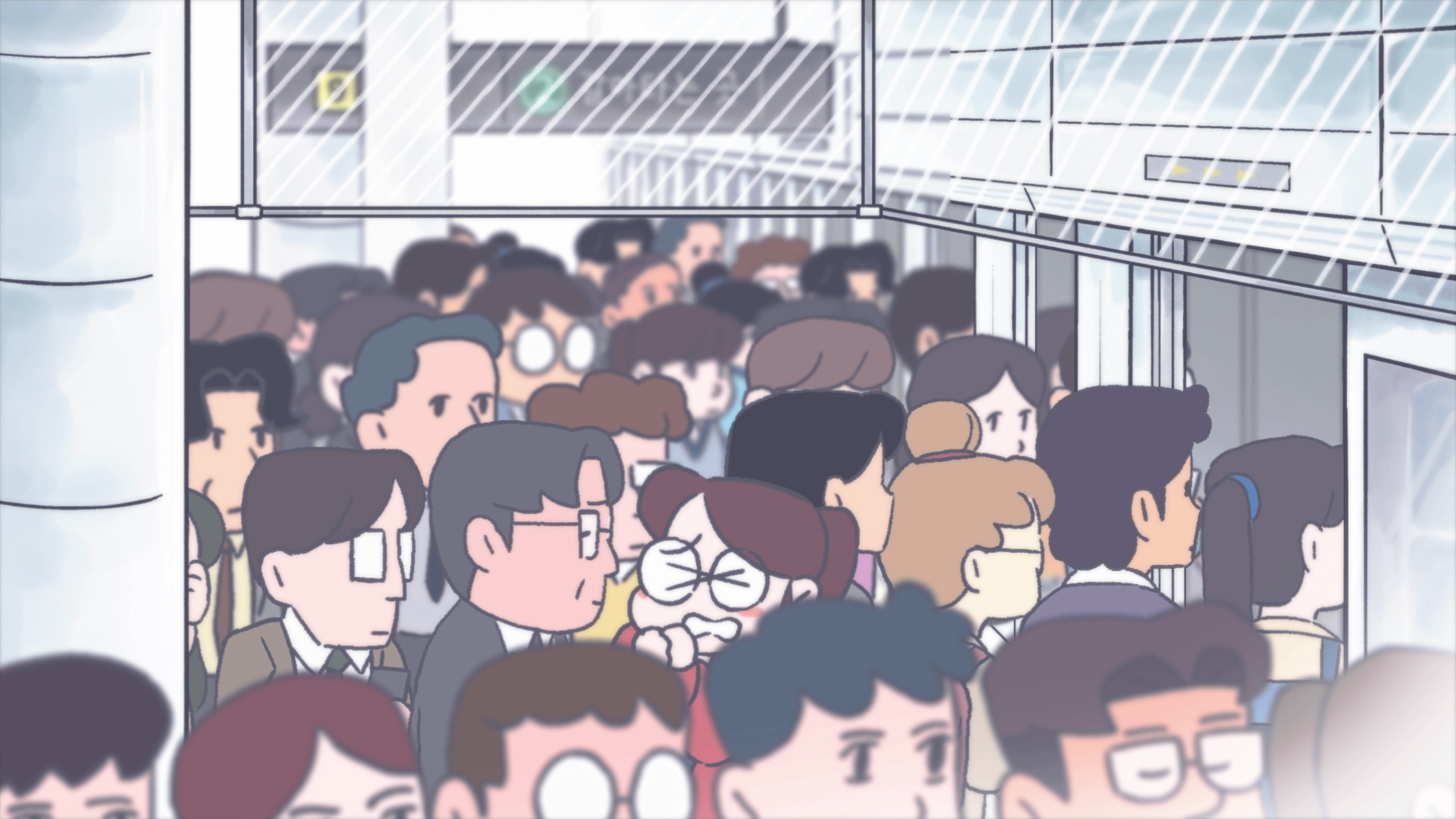
Lee Yong-sun’s "Company Sports Day" offers a thorough, albeit whimsical, exploration of the corporate world. The characters are largely archetypal, yet their integration into the narrative feels organic, encompassing familiar figures like the office alcoholic, the office belle, the voyeur, the athletic employee, and those who abuse their authority. This creates a portrait that is both comprehensive and engaging. The film’s critique of corporate hierarchies and the resulting office politics becomes increasingly pointed as the narrative ascends the organizational ladder. The climax vividly underscores this aspect, punctuated by a series of absurd sports scenes, with the table tennis match standing out as a particularly memorable moment. This fusion of sharp, realistic critique and playful absurdism forms the backbone of the film. In an era where animation often achieves remarkable audiovisual heights, frequently supported by substantial budgets, "Company Sports Day" serves as a potent reminder that compelling storytelling and contextual relevance can also be prioritized. The film was recognized with the NongHyup Distribution Award at BIFAN.
Killing Time: A Sharp Examination of Online Content and Exploitative Violence
"Killing Time" stands out for its incisive commentary on the dynamics of web content creation, particularly the pressure faced by creators to constantly escalate their output to maintain audience attention. In this hyper-competitive digital landscape, fear is not merely a subject but a commodity, packaged, streamed, and monetized to surpass previous iterations. The exoticization of violence becomes a key element of its appeal, and the characters’ willingness to re-engage with horror content following prior tragedies raises immediate questions about their moral compass. The film’s setting in an abandoned psychiatric hospital is highly effective, immediately establishing a chilling horror atmosphere while isolating the characters and gradually eroding their sense of control. When the production fully embraces its slasher identity, it does so with impressive brutality, delivering visceral and visually impactful action. However, the narrative occasionally suffers from incoherence and illogical plot developments, with some character transformations proving difficult to comprehend. Ultimately, "Killing Time" resonates most strongly when it dissects the uneasy relationship between online entertainment and violence. Its brutality, evocative setting, and central concept are robust enough to position it as an engaging Korean horror entry, even if the balance between contemporary anxieties and traditional slasher thrills is not always perfectly struck.
Prototype: A Technically Ambitious AI Experiment
The time-loop structure employed in "Prototype" is one of its most intelligent narrative devices. From a practical standpoint, it is almost audacious, allowing the creators to efficiently reuse frames and scenarios without immediate detection. The repetition is organically justified by the premise, and the significant changes introduced in each subsequent cycle prevent the story from feeling stagnant. Visually, the production is remarkable, showcasing a level of polish in its environments, character designs, and action sequences that immediately sets it apart within the realm of AI-generated works. While the character designs are not without their flaws, notably often featuring disproportionately large heads, this stylistic choice allows for greater facial detail, which proves crucial in a narrative centered on panic, confusion, suspicion, and dawning realization. Within the broader context of Korean genre cinema, "Prototype" feels less like a definitive statement and more like a compelling experiment. It has yet to achieve the full expressive power of live-action filmmaking, and some of its dramatic leaps are too extreme to be entirely convincing. Nevertheless, it successfully demonstrates that AI cinema can transcend mere visual spectacle when anchored by a clear genre concept and a narrative that creatively leverages its inherent limitations. The film was honored with a Jury’s Special Mention in the Bucheon Choice AI Films category.
My Dad Is a Zombie: A Metaphorical Look at Invisibility in the Film Industry
"My Dad Is a Zombie" eschews a traditional reinvention of zombie mythology in favor of a more metaphorical exploration. The film uses the figure of the zombie extra to shed light on those who operate on the periphery of the film industry. Bit part actors rarely become central figures in narratives; when they appear, they are often relegated to comic relief, anonymous background players, or mere set dressing. Kwak Kyung-taek and Kang Min-woo, however, bring these individuals to the forefront, depicting the challenges they face, the indignities they endure, and the peculiar dedication that compels them to return to sets where they are not always treated with full humanity. The zombie, in this context, becomes a metaphor not for contagion or societal collapse, but for invisibility. A man who spends his professional life covered in makeup, groaning, falling, being attacked, or ignored gradually becomes someone whom others fail to perceive beyond the confines of his costume. While the ending veers into melodrama, particularly in its emphasis on father-son sentiment, the emotional core has been so effectively established that it largely holds together. The film’s blend of family drama and backstage comedy proves successful, and its focus on bit actors offers a refreshingly unique perspective within Korean cinema.
Nameless: A Bleak and Grotesque Exploration of Identity and Power
Hideo Jojo’s "Nameless" presents an intriguing central premise: a name is not merely a word but a fundamental proof of recognition, affection, and existence. Taro’s tragedy stems from his apparent lack of this basic signifier of belonging, born with a power that renders ordinary interaction with the world impossible. The concept of an invisible weapon is both fascinating and uneven in its execution. While the audience understands what is happening, the inability of the victims and police to perceive the weapon creates striking moments of dramatic irony. However, this cinematic conceit does not always translate effectively, as the gap between the visible and the implied occasionally leads to confusion rather than suspense. Jiro Sato’s performance as Taro is a significant draw; the character is portrayed as childish, impulsive, and intensely physical, communicating more through facial expressions and sudden outbursts than through elaborate dialogue. "Nameless" possesses enough originality and intensity to stand out as a bleak, grotesque, and frequently disturbing genre piece. However, its brutality, uneven structural integrity, and somewhat awkward handling of its supernatural rules prevent it from fully realizing the potential of its compelling premise.
The Fertilizer Home: An Atmospheric Tale of Environmentalism and Familial Bonds
Jeong Hyo-jung’s "The Fertilizer Home" weaves an intricate narrative across multiple dimensions. The most apparent theme is environmentalism, with Jeong critiquing the practices of even small factories and highlighting the complex ethical dilemmas that arise when such an establishment is a primary source of income for a local community. This is further complicated by commentary on close-knit societies, where gossip, interference, and a strong sense of community are inextricably linked. The film introduces a particularly intriguing element through the concept of individuals contracting a disease that compels them to kill their most loved ones. This raises the compelling question of whom the protagonists cherish most, leading to profound explorations involving fathers, daughters, and lovers. The movie excels in its atmospheric tension, with pervasive questions, an underlying sense of danger, and a shifting balance of power creating an unsettling sense of mystery. Lee Do-hyun’s cinematography enhances this atmosphere, with shadows and darkness dominating the imagery. Despite some narrative issues toward the conclusion, "The Fertilizer Home" remains a competent production that thrives on its atmosphere, multilayered context, striking visuals, and strong performances. It was honored with the Méliès International Festivals Federation Award for Best Asian Film.
Forte: A Haunting Critique of the Music Industry Through a Horror Lens
Kimbo Kim’s "Forte" offers a critique of the music industry by focusing on an often-overlooked aspect: soundtrack and music composition, while gradually veering into horror territory. The film’s strength lies in its masterful buildup to the horrific elements and its pervasive atmosphere. The sense that something is amiss becomes apparent from the outset, conveyed through the treatment of Yeonji and the increasingly intense and absurd behavior of Haejoon. The bucolic setting, the unsettling intermingling of trees, mud, dreams, and violence, and the protagonist’s unsettling transformation further enhance the oppressive atmosphere, carrying the film from beginning to end. Park Jeong-min’s cinematography and the film’s audiovisual approach are among its most striking features. The transformation of the studio within the forest from an idyllic location to a place of dread is impressively rendered. Im Chae-young delivers an excellent performance, particularly in her portrayal of the protagonist’s shift from an enthusiastic young woman to something entirely different. Despite minor narrative imperfections, "Forte" successfully combines a captivating audiovisual experience with an intriguing narrative.
Silver Hammer: A Promising Concept That Lacks Deeper Exploration
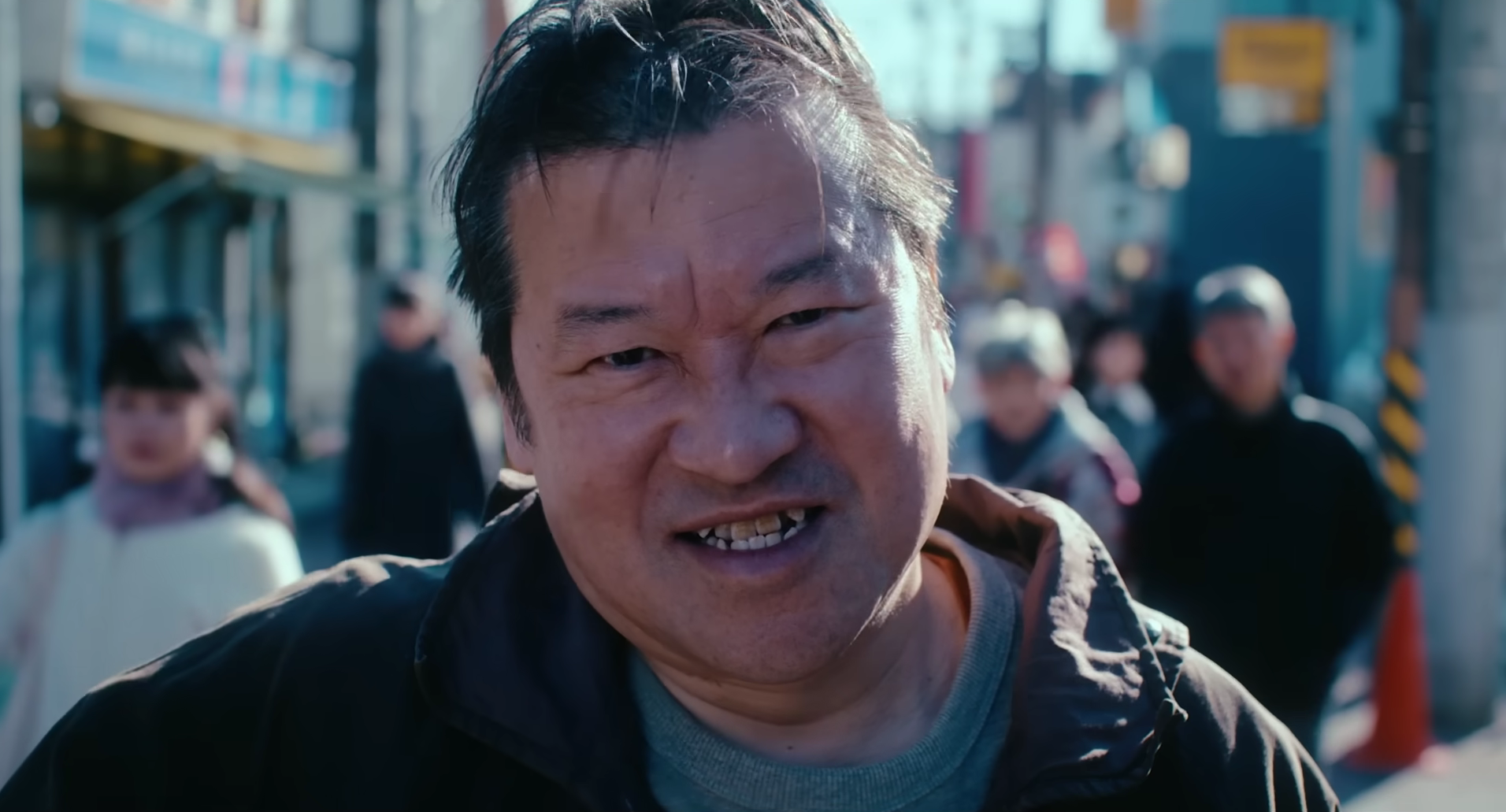
The opening of "Silver Hammer" is highly promising, with Kim Jeong-yeon introducing Jin-su as a spiritually depleted individual, a commuter trapped in a fluorescent purgatory. The premise immediately suggests a bleak portrait of modern labor, portraying Jin-su’s isolation within the company not merely as unemployment or employment but as a punitive measure designed to erase him while maintaining his physical presence. However, the film gradually shifts its focus, treating this profound situation more as a charming premise than a genuine symptom of labor’s dehumanizing effects. While there is intelligence in the core idea and occasional moments where the narrative transitions smoothly from the office to the mystery surrounding the hammer, this intelligence often feels superficial rather than deeply ingrained in the film’s worldview. The production begins with a strong foundation, a potentially rich central object, several effective visual ideas, and an appealingly strange mystery. Unfortunately, its concepts never quite achieve the weight they deserve. The film gestures towards the absurd violence of the modern workplace and hints at a more brutal, grotesque satire, but it ultimately fails to delve deeply enough into the pain, anger, or existential dread that underpins such realities.
Knock: A Mockumentary Masterpiece Rewriting Genre Conventions
Jeong Beom’s "Knock" was a significant highlight of BIFAN, sweeping multiple awards including Best of Bucheon, the SHOWBOX Audience Award, and the NETPAC Award. This recognition was not surprising for those who had already witnessed its brilliance, as the feature proved to be the festival’s quiet revelation. Following his co-directing debut on "The Berefts," Jeong demonstrates a mature reflection on marginalized individuals grappling with crisis situations. The narrative maturity evident in "Knock" is particularly striking. The film skillfully revitalizes mockumentary conventions, handling them with exceptional harmony and distinctive personality. The near-perfect balance achieved throughout the film serves as a testament to the power of well-crafted cinema to deceive, drawing audiences into an invented narrative and blurring the lines between fact and fiction with remarkable skill. The story is fragmented and unfolds across multiple dimensions, both in front of and behind the lens, yet the shifts in perspective never feel jarring or bothersome. "Knock," whose title’s meaning only becomes clear as the story progresses, coalesces into a single, fluid entity that admirably transitions into thriller territory, enriching its dramatic elements with confusion and mystery. This ambitious work, meticulously crafted with evident passion by its cast and crew, stands as a significant achievement.
Takashi Miike: A Masterclass in Creative Freedom and Cinematic Violence
As the guest of honor at the 30th BIFAN, acclaimed director Takashi Miike graced the festival for the 4K restoration screening of his seminal work, "Ichi the Killer," celebrating its 25th anniversary. The screening was followed by a masterclass where Miike engaged in a profound discussion on creative freedom, the portrayal of cinematic violence, the categorization of genre films, and his approach to adapting literary source material. Miike expressed his fascination with engaging with younger audiences, many of whom were not yet born at the time of "Ichi the Killer’s" release. He posited that revival screenings often stem from nostalgia and audiences reclaiming films as their own. However, with a generational shift, these screenings offer an opportunity to experience cinema in an entirely new light. Miike also stated his disinclination to "correct" perceived imperfections in his older works using contemporary technology, asserting that these flaws are integral to the period in which they were created. Reflecting on his career, which spans over 30 years and more than 100 directorial credits, Miike admitted that his trajectory has far exceeded his wildest expectations. Paradoxically, this success has led him to a state where he feels he has "nothing left to protect." He conveyed a sense of profound creative liberation, stating that he would have no regrets even if his career concluded with his next project.
The Only Child in the Butchery: A Debut Exploring Ambiguous Familial Obligations
At the heart of Yoo Hyoung-joon’s narrative in "The Only Child in the Butchery" lies the profound impact of choices on an individual’s entire existence. Tae-seop’s decision to resort to blackmail is unequivocally wrong, yet Yoo meticulously establishes the years of exploitation that drive him to this precipice. While his guardian provided him with shelter as a child, this act of benevolence has evolved into an instrument of perpetual control. This pressure of perceived benevolence is one of the film’s most compelling elements. Tae-seop is technically free to leave, but emotionally and financially, he remains tethered to the butcher shop. His guardian has instilled in him the belief that being raised within the household necessitates surrendering the right to define his own future. Consequently, the shop becomes both his place of work and his prison. Despite its concise runtime, the narrative is impressively layered. Yoo adeptly shifts between styles, commencing with an understated family drama before introducing elements of adultery, surveillance, and blackmail. "The Only Child in the Butchery" is an engaging and layered debut that utilizes crime and black comedy to explore the complex and often ambiguous obligations that arise within families. Yoo received the Best Director Choice award, and Jeong Hyeong-seok was recognized with a Special Mention for his performance.
Savon: A Whimsical but Overstuffed Exploration of Reality and Entertainment
Lee Jun-sup’s "Savon" wholeheartedly embraces eccentricity and whimsy, with a retro advertisement for soap serving as a particularly memorable opening. The film features a cast of characters, including members of a cleaning service and the protagonist Won-sup, who contribute to the pervasive absurdity. The unfolding events and the protagonist’s gradual descent into a fractured reality create a uniquely bizarre and consistently entertaining amalgam. The film also offers a commentary on the workings of the Korean entertainment industry. Furthermore, the recurring motif of soap, appearing at the most ludicrous moments, adds a layer of narrative intricacy, though its specific commentary remains somewhat vague. A common issue within the Korean selection, "Savon" presents an excess of ideas, with the narrative fragmenting into numerous directions. This results in a convoluted and overly ambitious film, despite the inherent interest of its individual components. "Savon" showcases Lee Jun-sup’s originality and his flair for presentation; however, a greater degree of restraint would have allowed for a more compact and focused work. Jung Yi-ju received a Special Mention for her performance, and the production secured the Hive Filmworks International Distribution Award.
The Invisibles: A Warm Family Road Movie with a Message of Love and Control
Ryo Takebayashi’s "The Invisibles" offers a particularly intriguing approach to its central theme: a father who seemingly torments his children in the name of protection. Gaku imposes severe restrictions on their movements, dismisses his daughter Fuko’s filmmaking aspirations, and views any contact with the outside world as a constant threat. However, Takebayashi wisely avoids portraying him as a one-dimensional villain. His actions stem from grief, trauma, and an overwhelming fear that his daughter Hikari will face rejection or exploitation if her condition becomes known. Simultaneously, Hikari’s invisibility serves as a powerful metaphor for individuals with disabilities or special needs whose families may resort to hiding or over-shielding them in response to societal prejudice. Gaku operates under the assumption that the world is incapable of accepting his daughter, but he rarely allows Hikari the opportunity to discover this for herself. In an interview, Takebayashi explained that he and screenwriter Natsuo Saori had developed the project for years, initially envisioning a quieter story with a strong social message. They ultimately transformed it into a faster-paced family road movie designed to entertain both children and adults. Actor Katsuya Maiguma added that the father’s excessive anxiety should be understood as love expressed outwardly. While "The Invisibles" occasionally suffers from repetition and its final dramatic turn does not seamlessly integrate with the preceding narrative, Takebayashi successfully reinterprets the traditional invisible-person trope into a heartwarming family road movie that explores grief, disability, parental anxiety, and the dangers of conflating love with control. The production was awarded the Children’s Fantastic Choice Award.
Death Drive: A Competent Yet Flawed Social Realist Thriller
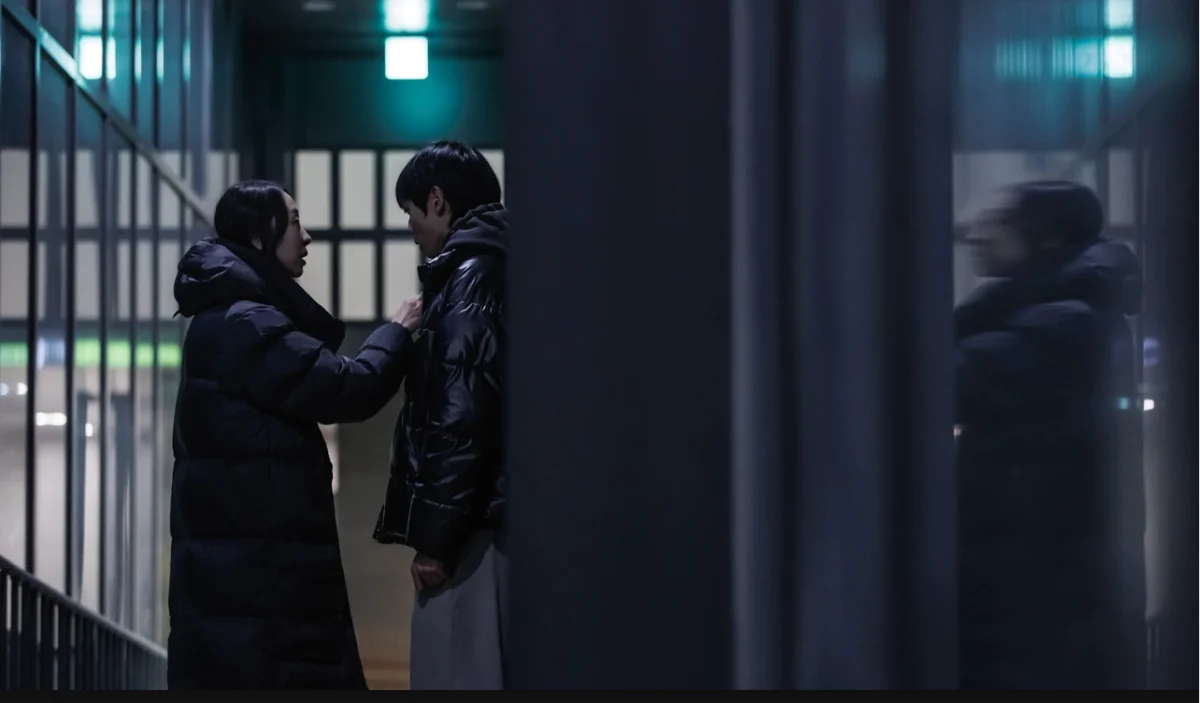
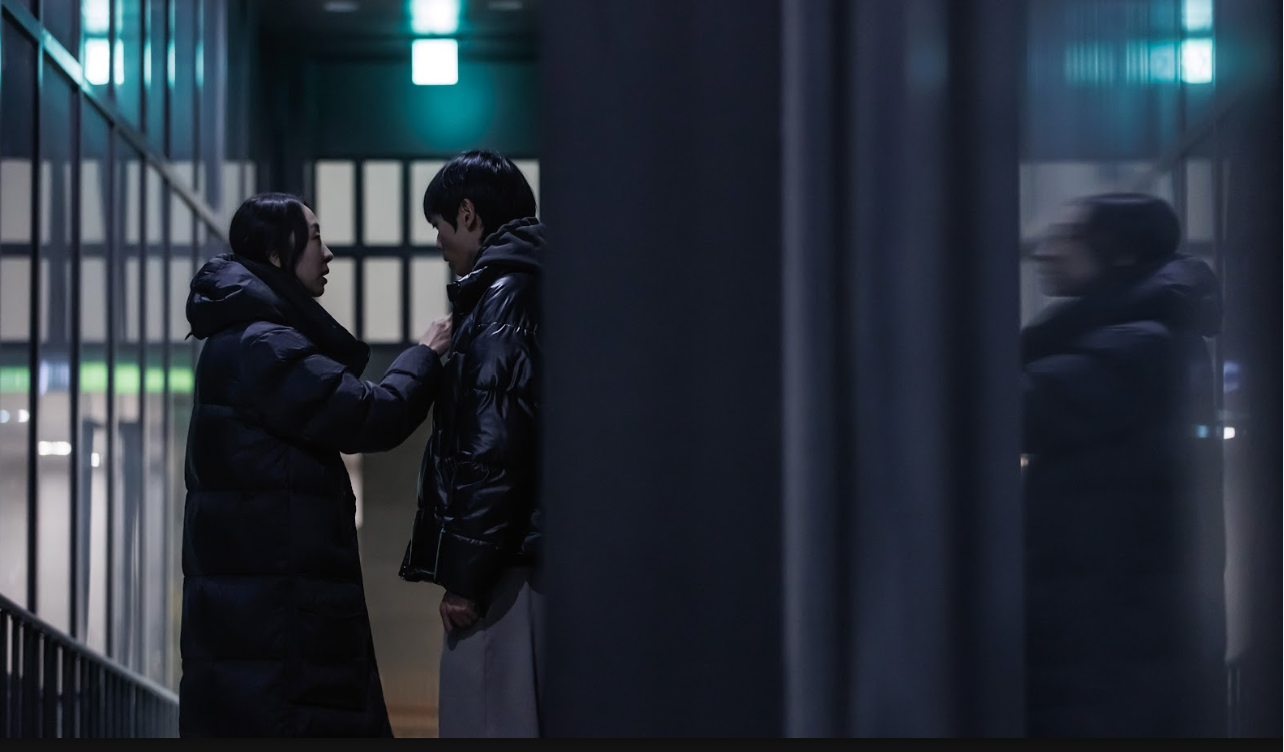
Park Eol-gul’s "Death Drive," employing a technique of multiple lengthy shots that predominantly follow the protagonist, delivers a pointed commentary on the lives of delivery workers in contemporary Korean society, extending its critique to the broader lower social strata. Tae-ho is burdened with repaying a loan and supporting his family of four, as well as his aging parents, through a profession characterized by declining earnings and escalating workloads. Tae-ho’s constant humiliation renders him a truly tragic figure and steadily heightens the suspense as his breaking point is repeatedly tested. Given the film’s opening, the audience anticipates that his escalating rage will ultimately culminate in a crime. The central questions of who the victim will be, when the incident will occur, and why it happens contribute to an pervasive sense of agony. The film’s ending represents its most significant flaw, becoming overly melodramatic and protracted. Arriving so late in the narrative, it concludes the story on a negative note, undermining the impactful impression built throughout. Despite this flaw, "Death Drive" stands as a very competent work, both narratively and technically, and emerged as one of the year’s pleasant surprises.
Delivery Man: A Technically Impressive but Narratively Lacking Thriller
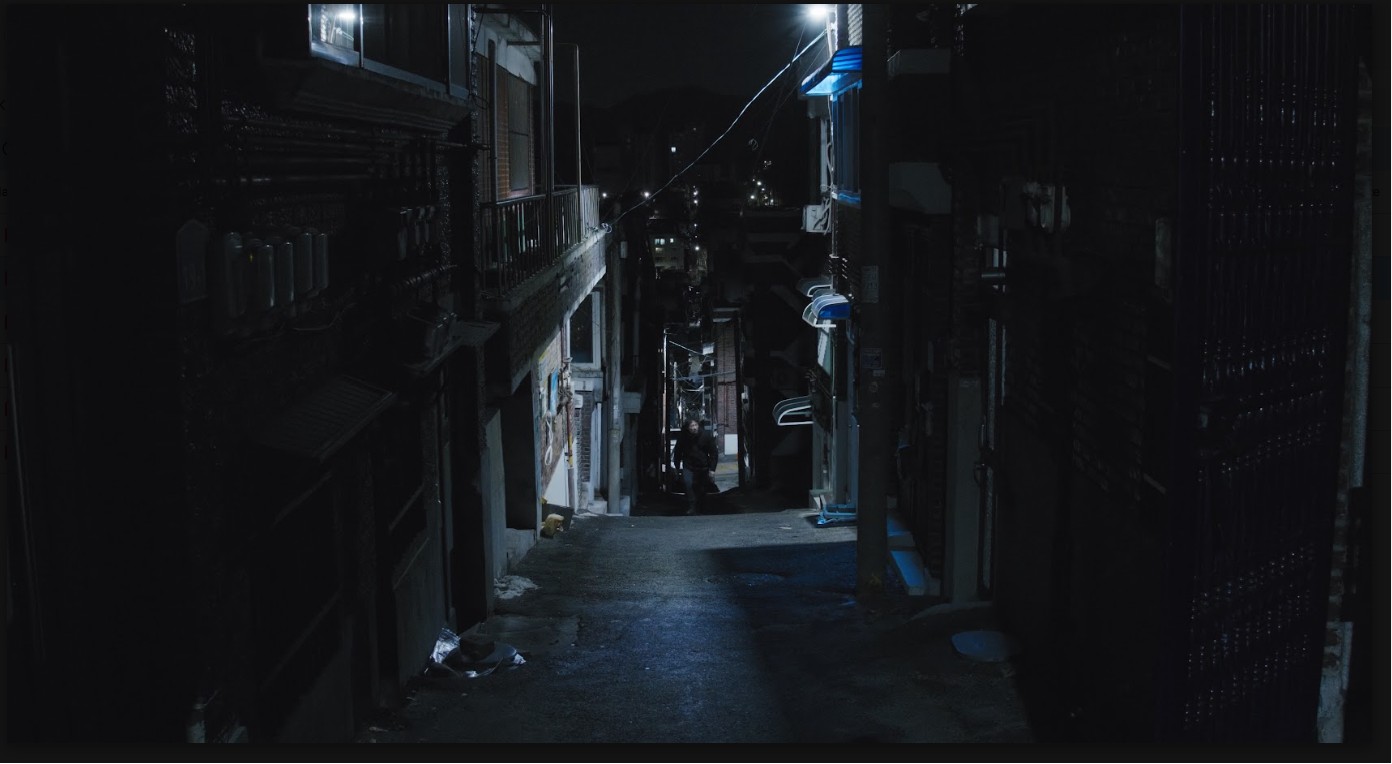
Ornusa Donsawai and Pun Homchuen’s "Delivery Man" presents an intriguing narrative foundation. The film initially focuses on Guy’s voyeuristic and stalking tendencies, which intensify as the story progresses. Gradually, themes of sex, violence, abuse, and murder come to the forefront, creating a hybrid genre piece that oscillates between thriller and horror. The conflict between Guy and Dith provides a compelling genre framework that appeals to a broad audience. However, the narrative becomes increasingly ludicrous as the story unfolds, a criticism that also applies to the characters, whose actions grow increasingly erratic and illogical. The romantic subplot lacks coherence, and the film’s apparent romanticization of stalking is a significant concern. Despite the version screened being incomplete in terms of special effects and post-production elements, "Delivery Man" is technically impressive. The cinematography, particularly in its framing, is excellent, with the voyeuristic scenes being especially noteworthy. However, despite this technical prowess and the intriguing narrative setup, the direction falters, resulting in a missed opportunity rather than a fully realized film.
The Robber: A Promising Debut Exploring Youthful Thievery and Modern Crime
As noted in previous reviews of Korean features at BIFAN, the scripts presented this year were exceptional in their conception. "The Robber" is no exception, offering a compelling central premise: two high school thieves who initially clash, forge a friendship, and eventually confront a more formidable criminal. This dynamic provides an appealing narrative foundation. The fact that both thieves come from broken families, albeit to different degrees, adds another layer of interest. Their connection is forged when they question each other about why they steal—a question no one had previously posed. The film further emphasizes this by depicting their kleptomania as neither treated nor diagnosed, with their behavior simply being labeled as thievery. The introduction of Min-jun, who operates within the realm of deepfakes and blackmail, highlights the potential for AI and social media to be exploited for criminal purposes, devastating individuals’ lives. Despite some concluding narrative issues, "The Robber" emerges as a very competent debut that effectively leverages its intriguing central idea. Song Hyeon-bum is a director poised to make a significant impact in the coming years.
Huh Gun: Visual Ambition and the Pursuit of Human Connection in Science Fiction
Huh Gun’s debut feature, "Last Mankind," supported by BIFAN and previously showcased through the Fantastic 7 program at Cannes, returned to Bucheon with a distinctive visual identity. The film, maintained with tenacity despite severe budget constraints, tells a gentle story of redemption, escape from loneliness, and the profound search for human connection. Huh explained that the project, shot in 2022, utilized a traditional visual effects pipeline. Only the actors and the objects they interacted with were real; everything else was reconstructed during a post-production process that spanned approximately five years. AI was ultimately employed to complete the creatures within the laboratory capsules, a task that proved impossible to realize convincingly through low-budget computer-generated imagery. The director’s initial ambition was to prove that Korean independent cinema could produce compelling science fiction. However, during the extended post-production, he recognized that the visual approach should not overshadow the importance of Sina’s journey or the expressivity of the performers. Having navigated the challenges of the production process, Huh stated that he no longer fears VFX or AI and is actively considering further science-fiction projects.
BIFAN 2026: A Reflection on the State of Asian Genre Cinema
The 30th edition of BIFAN ultimately served as a powerful showcase, highlighting both the considerable strengths and the persistent weaknesses of contemporary Asian genre cinema. The Korean selection repeatedly demonstrated the capacity of local screenwriters and directors to generate original, timely, and highly engaging concepts. However, a recurring challenge emerged in translating these compelling ideas into coherent narratives, with excessive subplots, abrupt tonal shifts, and problematic final acts frequently detracting from the overall impact. Concurrently, films such as "Knock," "The Only Child in the Butchery," "The Fertilizer Home," "Company Sports Day," "Prototype," and "The Invisibles" underscored the remarkable diversity and ambition that continue to solidify BIFAN’s position as one of Asia’s most significant platforms for fantastic cinema. The festival’s forward-looking embrace of emerging technologies like AI and XR, coupled with its unwavering support for independent voices, positions it as a vital nexus for the future of genre filmmaking.