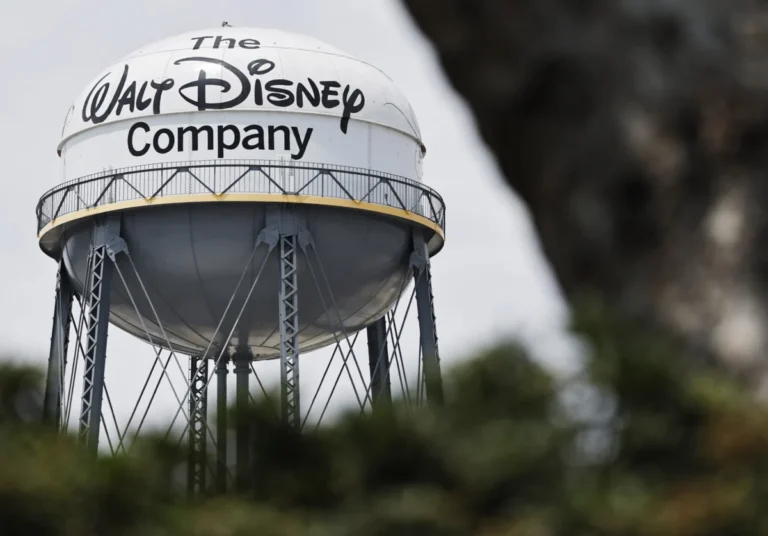


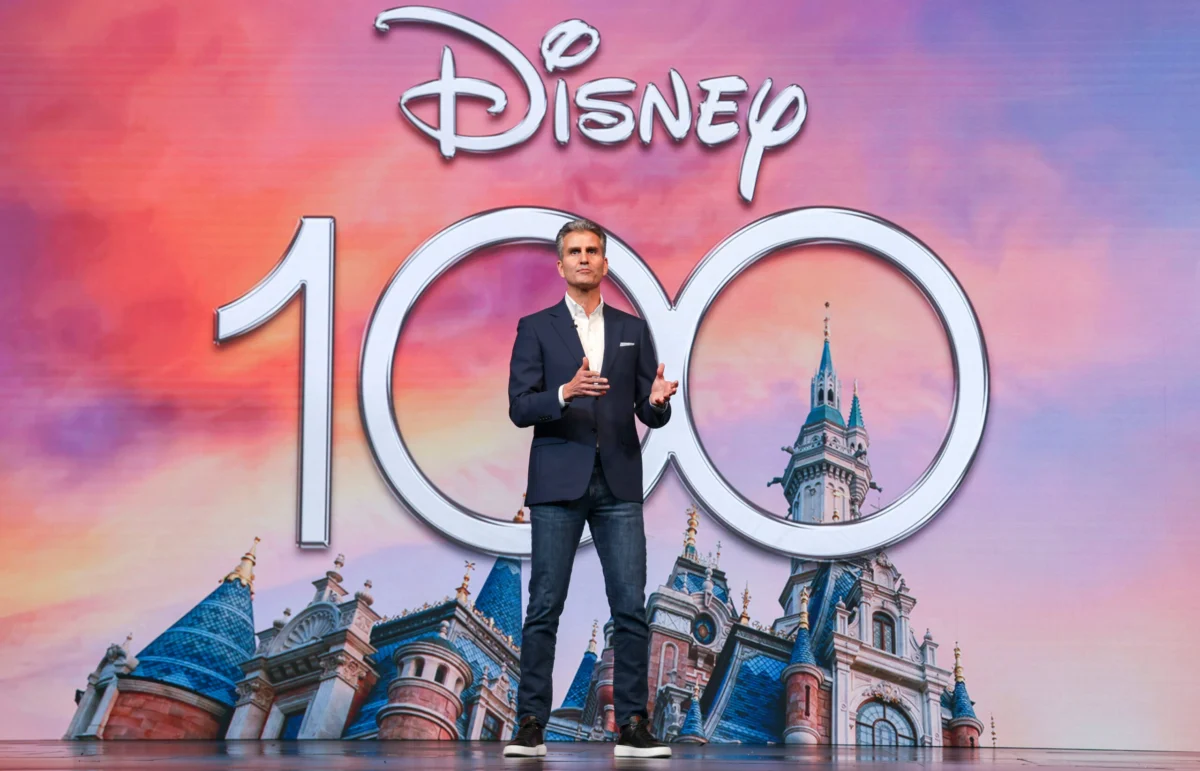
The Walt Disney Company is set to report its fiscal second-quarter earnings on Wednesday morning, a financial milestone that represents more than just a routine accounting of profit and loss. This report marks the inaugural earnings call for Josh D’Amaro in his capacity as Chief Executive Officer, following his appointment to the top position in March 2026. As D’Amaro steps into the spotlight previously occupied by Bob Iger—who led the company through two separate tenures spanning nearly two decades—investors and industry analysts are looking for signals of how the former head of Disney’s theme parks division will navigate a media landscape defined by rapid consolidation, shifting consumer habits, and geopolitical volatility.
The transition comes at a period of intense internal and external scrutiny for the entertainment giant. Since taking the helm, D’Amaro has already initiated a significant round of corporate layoffs and has had to manage escalating political tensions surrounding the company’s media assets, specifically involving late-night host Jimmy Kimmel. This earnings cycle is being characterized by market observers as a "gut check" for the new leadership, testing whether D’Amaro’s operational success in the "Experiences" sector can be replicated across the broader, more fragmented world of global streaming and traditional broadcasting.
The CEO Transition: A New Chapter for Disney
The appointment of Josh D’Amaro as CEO followed a period of intense speculation regarding Bob Iger’s ultimate successor. Iger, who returned from retirement in late 2022 to stabilize the company, spent much of the last three years restructuring Disney’s core segments and attempting to steer the streaming business toward profitability. D’Amaro, formerly the Chairman of Disney Experiences, was widely seen as a frontrunner due to his successful management of the company’s most consistent profit engine: its global network of theme parks and resorts.
Under D’Amaro’s previous leadership, the Experiences division saw the grand opening of high-profile expansions, such as the Zootopia-themed land at Shanghai Disney Resort in late 2023. His tenure was marked by a focus on "storyliving" and the integration of next-generation technology into the guest experience. However, the move from managing physical assets to overseeing a massive media and content engine requires a different set of strategic muscles. Analysts are keen to see if D’Amaro will maintain Iger’s content-heavy strategy or if he will pivot toward a more lean, operationally focused model that prioritizes the bottom line over subscriber growth at any cost.
Chronology of Recent Events and Corporate Restructuring
The lead-up to the fiscal second-quarter report has been marked by several significant developments that will likely dominate the discussion during the earnings call:
- March 2026: Josh D’Amaro officially succeeds Bob Iger as CEO, ending a multi-year search for leadership.
- Early April 2026: Disney initiates a broad round of layoffs affecting several divisions, including Disney Entertainment and corporate support roles. These cuts are part of a wider effort to streamline operations and reduce the company’s debt load.
- Mid-April 2026: Political pressure mounts following a series of monologues by ABC’s Jimmy Kimmel that drew sharp criticism from conservative figures. This has renewed debates regarding Disney’s perceived political stance and its impact on the brand’s "middle-of-the-road" appeal.
- Late April 2026: Geopolitical tensions in the Middle East, specifically involving the United States, Israel, and Iran, lead to a sharp spike in global oil prices. This macroeconomic shift has direct implications for travel costs and consumer discretionary spending.
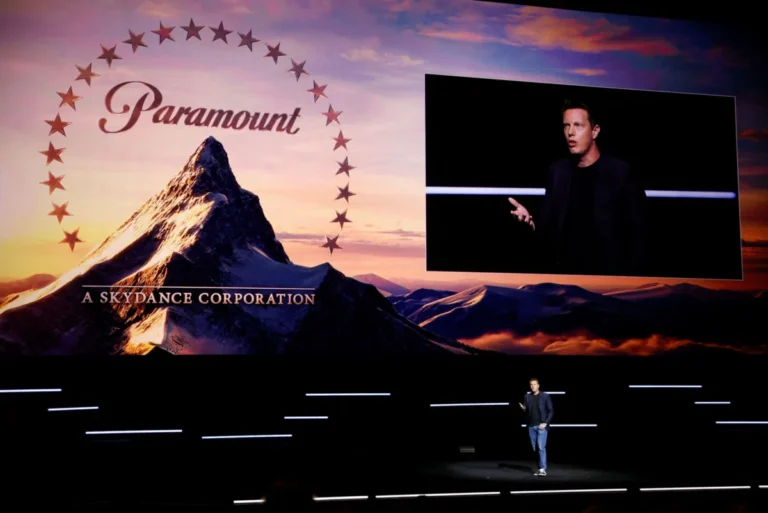
- May 2026: Rumors of a potential merger between Warner Bros. Discovery’s HBO Max and Paramount Global’s Paramount+ begin to solidify, threatening to reshape the competitive hierarchy of the streaming market.
Financial Expectations and the Streaming Strategy
According to data from LSEG, Wall Street is looking for specific indicators of health within Disney’s diverse portfolio. However, a recent change in how Disney reports its numbers has made direct year-over-year comparisons more challenging. Last quarter, the company moved to a reporting structure that groups traditional TV, streaming services, and theatrical releases under a single "Entertainment" segment. Crucially, Disney has ceased providing a granular breakdown of revenue and operating income for each sub-segment and has stopped reporting quarterly subscriber numbers for Disney+.
This lack of transparency has been met with mixed reactions. While some analysts argue it allows the company to focus on long-term profitability rather than "vanity metrics" like subscriber counts, others worry it masks the true cost of the transition from linear television to digital platforms.
"Streaming remains the primary focus for media investors, but the narrative is changing," noted Mike Proulx, research director at Forrester. "It is no longer just about how many people are signed up; it is about the average revenue per user (ARPU) and the path to sustained margins. If a combination of Paramount+ and HBO Max becomes a reality, Disney+ will face a competitor with a library that rivals its own in terms of scale and prestige. D’Amaro must articulate a defense for Disney’s ecosystem that goes beyond just the brand name."
The "Experiences" Division: The Core Profit Engine
While streaming captures the headlines, the "Experiences" unit—encompassing domestic and international theme parks, cruise lines, and consumer products—remains Disney’s financial bedrock. In February, Disney issued guidance suggesting "modest" growth in operating income for this division. However, this forecast was provided before the recent escalation of Middle Eastern conflicts and the subsequent rise in energy prices.
High oil prices historically correlate with higher airfares and increased gasoline costs, both of which can act as a deterrent for domestic visitation at Walt Disney World in Orlando and Disneyland in Anaheim. Furthermore, international parks like Shanghai Disney and Disneyland Paris face their own sets of headwinds, ranging from local economic cooling in China to fluctuating currency exchange rates.
Investors will be looking for updates on the $60 billion investment plan Disney announced for its parks and cruises over the next decade. D’Amaro’s deep familiarity with this segment means he will likely face pointed questions regarding the timing of these investments and whether the company will pull back on capital expenditures if the global economy slows.
Traditional Media and the Linear Decline
The decline of the traditional pay-TV bundle continues to be a significant drag on Disney’s legacy assets. Networks like ABC and the Disney Channel, once the primary drivers of profit, are seeing a steady erosion of advertising revenue and affiliate fees as consumers "cut the cord."
Despite this, linear TV remains a vital source of cash flow that Disney uses to fund its streaming ambitions and content production. The challenge for D’Amaro is managing the "managed decline" of these assets without alienating the advertisers who still value the reach of live sports and broadcast television. The performance of ESPN is particularly noteworthy, as the company prepares for a full direct-to-consumer launch of the sports network in the coming years.
Political Pressures and Brand Sentiment
Beyond the balance sheet, D’Amaro must navigate the cultural waters that have occasionally proven turbulent for Disney. The recent friction surrounding Jimmy Kimmel’s monologues is a reminder of the scrutiny Disney faces as a major media owner. In an era of deep political polarization, the company’s content and its public-facing personalities are often lightning rods for controversy.
Analysts suggest that D’Amaro may take a more "neutral" public stance than some of his predecessors, focusing on the company’s core mission of entertainment rather than engaging in broader social or political debates. This "back-to-basics" approach could be a key component of his strategy to stabilize the brand’s reputation among all demographics.
Broader Impact and Market Implications
The results of this earnings call will have implications far beyond Disney’s stock price. As a bellwether for the media and entertainment industry, Disney’s performance will influence how investors view other legacy media companies like Comcast, Warner Bros. Discovery, and Paramount.
If D’Amaro can demonstrate that Disney is successfully navigating the transition to streaming while maintaining the dominance of its theme parks, it could restore confidence in the "integrated media" model. Conversely, if the results show a sharper-than-expected decline in linear revenue or a slowdown in park attendance, it may fuel further calls for industry consolidation or even the spin-off of certain assets.
In summary, Wednesday’s earnings call is a defining moment for Josh D’Amaro. It is his opportunity to prove that he is not just a "parks guy," but a strategic visionary capable of leading one of the world’s most complex corporations through a period of historic change. With the streaming wars entering a new phase of consolidation and the global economy facing fresh uncertainties, the stakes for the "House of Mouse" have rarely been higher.