


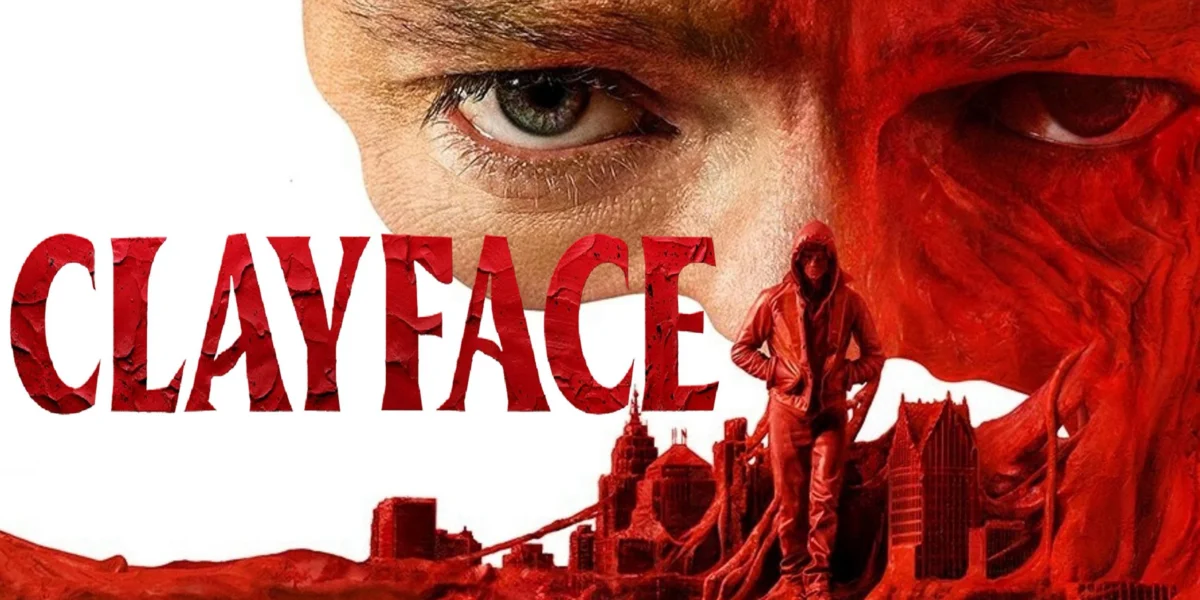
The latest installment in the James Gunn-led DC Universe (DCU), titled Clayface, has arrived as a distinctive departure from the standard superhero blockbuster template. By leaning heavily into the visceral subgenre of body horror, the film represents a tactical shift in the DC brand’s cinematic strategy, prioritizing character-driven, lower-budget storytelling over the large-scale spectacle typically associated with comic book adaptations. The film, directed by James Watkins—known for his recent work on the American remake of Speak No Evil—and written by a collaborative team including horror veteran Mike Flanagan and screenwriter Hossein Amini, explores the tragic transformation of an actor seeking to reclaim his physical form following a brutal encounter with organized crime.
Production Chronology and Creative Direction
The development of Clayface signals a specific pivot for the DCU under the oversight of co-CEOs James Gunn and Peter Safran. Unlike the interconnected, high-budget epics that defined previous iterations of the DC film slate, this production was conceived as a standalone villain origin story. Production timelines for the project accelerated throughout the fiscal year, with casting announcements confirming Tom Rhys Harries, Naomi Ackie, David Dencik, Max Minghella, and Eddie Marsan as the principal ensemble.
The creative team was carefully curated to emphasize the psychological and physical stakes of the narrative. James Watkins was tapped to direct, bringing a refined aesthetic for suspenseful, grounded horror, while the involvement of Mike Flanagan—whose filmography includes projects like Doctor Sleep and a host of acclaimed horror series—suggests a focus on the thematic weight of the protagonist’s disfigurement. Hossein Amini’s participation, noted for his work on The Snowman, provided a structural narrative framework that balances the film’s genre aspirations with the requirements of a classic origin story.
Narrative Framework and Genre Analysis
The plot centers on an actor, whose career and personal identity are shattered by a mobster, leading him to enlist the help of a mysterious scientist. This premise serves as a springboard for body horror, a genre that has historically performed well during the October release window. By focusing on the protagonist’s desperate attempt to restore his physical appearance, the film explores themes of vanity, obsession, and the grotesque, moving away from the "superhero" archetype to focus on the human—or post-human—condition.
From a production standpoint, the decision to maintain a smaller budget allowed the filmmakers to experiment with practical effects. The integration of makeup, gore, and visual effects serves as the centerpiece of the film’s promotional appeal, particularly for audiences seeking a more mature, horror-oriented experience within the DC brand ecosystem. This strategy mimics successful industry trends where limited-budget genre films generate higher returns on investment and cultivate strong, niche audience engagement.
DC Universe Strategic Implications
The release of Clayface is part of a broader, long-term strategic realignment of the DC Universe. Following the mixed critical and commercial performances of previous tentpole films, the current administration is testing the viability of "Elseworlds" or standalone character studies. By decoupling these stories from a mandatory shared universe requirement, Warner Bros. Discovery aims to mitigate the risk associated with massive budget allocations while simultaneously diversifying its content library.
Industry analysts note that this approach aligns with a market shift toward "prestige genre" cinema. By utilizing recognized IP like the Batman rogues gallery but applying a distinct, auteur-driven lens, the studio is effectively rebranding its secondary characters. If successful, Clayface could serve as a blueprint for future DC projects, suggesting that the studio will continue to prioritize tonal variety over narrative uniformity.

Analysis of Critical Reception and Audience Engagement
The Next Best Picture Podcast recently conducted an extensive review of the film, featuring a panel of industry critics, including Katie Johnson, Cody Dericks, Lauren LaMagna, and Will Mavity. The discussion served as a comprehensive autopsy of the film’s technical and narrative achievements. Central to their analysis was the effectiveness of the film’s gore and makeup effects, which critics noted were essential to selling the film’s premise.
The panel’s evaluation of the performances highlighted the challenge of anchoring a horror-focused narrative on a character defined by his physical transformation. Tom Rhys Harries’ portrayal of the titular character was a primary point of discussion, with critics analyzing how much of the character’s emotional arc remained visible beneath the prosthetic layers. Furthermore, the film’s Oscar prospects were briefly scrutinized, specifically regarding technical categories such as Best Makeup and Hairstyling and Best Sound, areas where horror films occasionally find traction during the awards season.
The Role of Independent Media in Film Discourse
The podcast review, distributed as part of the Evergreen Podcasts Network, highlights the growing influence of specialized film commentary platforms. These outlets provide granular analysis that often fills the gap between promotional marketing and broad-audience reviews. By offering deep-dive, spoiler-heavy discussions, such platforms allow for a more nuanced understanding of how films like Clayface function within their respective genres.
For listeners, the availability of these reviews across various formats—including video and audio—represents the evolution of modern film journalism. The ability to engage with the creators behind the criticism, as well as the film’s content in real-time, facilitates a more interactive consumption experience. This model is supported by community-funded platforms like Patreon, which enable independent journalists to maintain editorial independence while providing ad-free, high-quality content to their audience.
Broader Economic and Cultural Context
The release of Clayface during the Halloween season was a calculated commercial decision. Historically, horror films have proven to be the most reliable genre for box office consistency, often requiring less marketing spend than summer blockbusters to achieve profitability. For a franchise-heavy studio, a successful, low-cost horror hit provides a necessary hedge against the inherent risks of the comic book genre.
Furthermore, the film’s reliance on practical effects over digital rendering is a growing trend among directors who seek to ground their stories in a tangible reality. This shift is not only an aesthetic choice but also a financial one, as high-end CGI continues to face scrutiny regarding quality control and cost-overruns. By focusing on physical makeup and prosthetics, the production team has likely managed to produce a high-impact visual product that feels distinct from the CGI-heavy environments of recent superhero fatigue-prone cinema.
Conclusion and Future Outlook
As the DCU continues to unfold, the success of Clayface will likely be measured by more than just its domestic box office gross. The film’s ability to broaden the demographic reach of the DC brand and its success in critical circles will inform the studio’s future development choices. Should the film resonate with both horror enthusiasts and casual viewers, it will validate the studio’s decision to greenlight lower-budget, high-concept character studies.
The ongoing discourse surrounding the film, as documented by the Next Best Picture team and other film critics, underscores the critical role that independent voices play in the cinematic landscape. As audiences continue to seek out more varied, darker, and thematically complex narratives, the DC Universe appears to be shifting its focus toward a more sustainable and creatively diverse model. Whether this transition will result in a sustained streak of high-quality genre entries remains to be seen, but the industry is watching closely as the studio attempts to rewrite the rules of the modern superhero cinematic universe. The integration of horror elements into the broader DC mythos, as seen in Clayface, represents a significant, if experimental, evolution in the studio’s ongoing narrative project.