
The intersection of contemporary indie-pop and retro gaming reached a new milestone this week with the release of the music video for "Lost Boys," the latest single from critically acclaimed artist Phoebe Bridgers. While the track has garnered praise for its atmospheric production and Bridgers’ signature emotive vocals, the production has captured the attention of the global gaming community for its prominent inclusion of Old School RuneScape (OSRS). This appearance marks the first time the iconic massively multiplayer online role-playing game (MMORPG) has been featured in a high-profile music video of this scale, signaling a deepening overlap between "geek culture" and mainstream artistic expression.
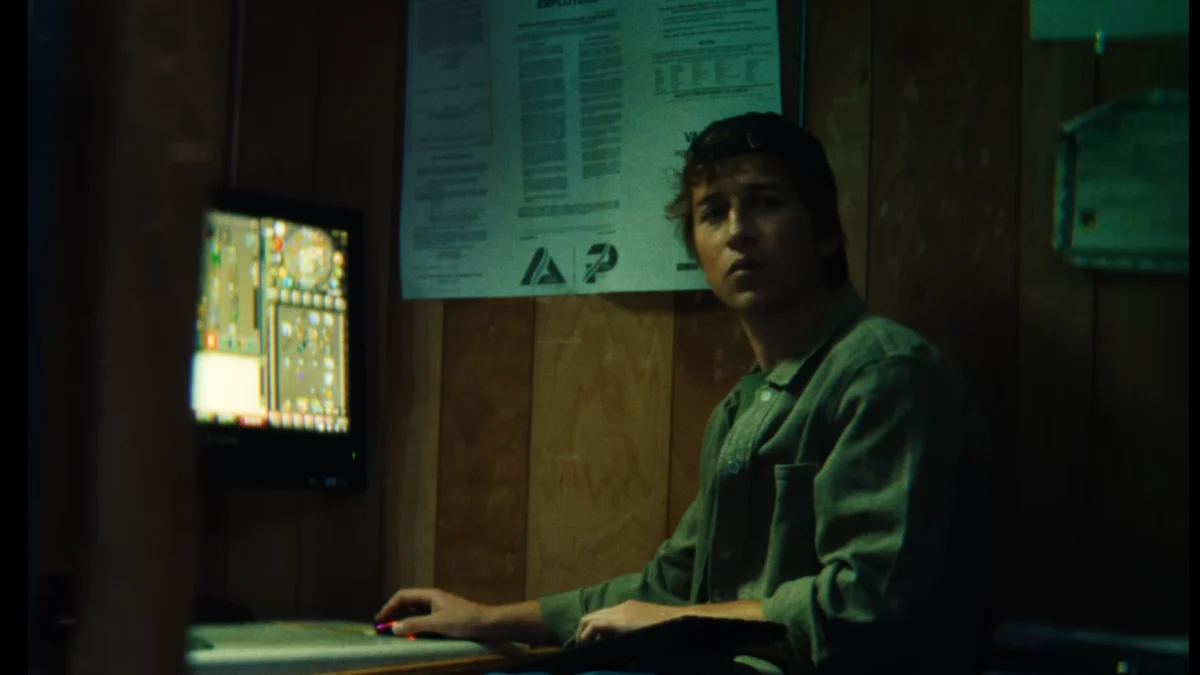
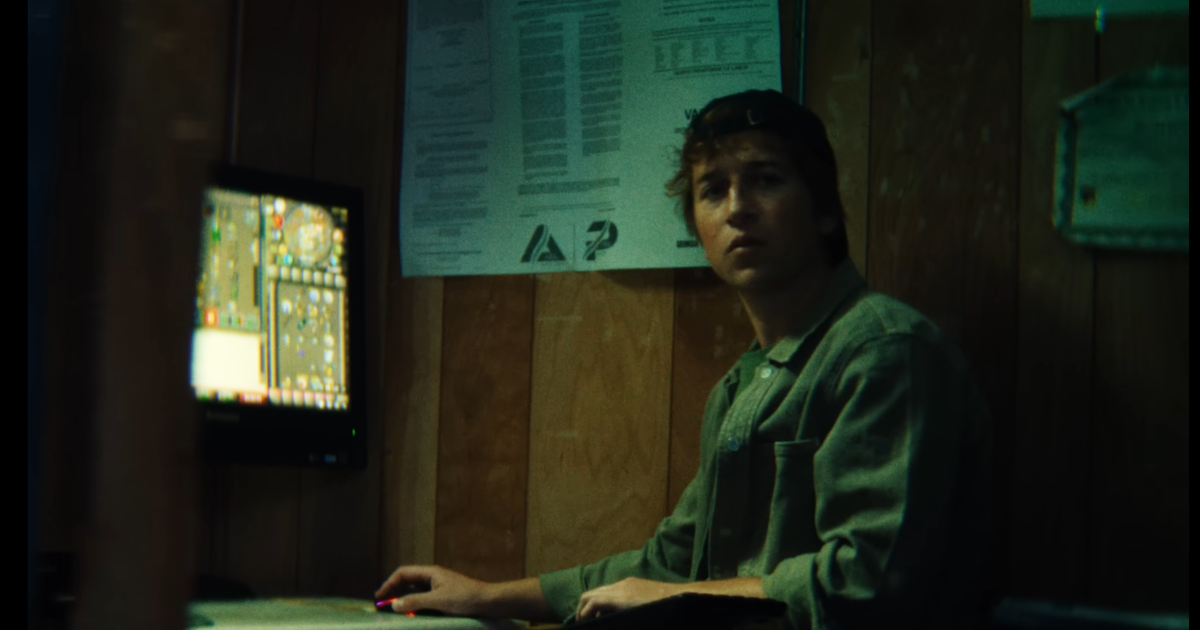
The music video, directed by frequent collaborator Lance Bangs, utilizes the aesthetic of Old School RuneScape not merely as a background element but as a narrative catalyst for the video’s protagonist. At the one-minute and twenty-nine-second mark, the camera focuses on a middle-aged petrol station attendant who is visibly engrossed in the game during his shift. The inclusion of the game has been noted by fans for its authenticity, portraying the specific "on the clock" playstyle that has become a staple of the RuneScape community’s identity.
A Detailed Breakdown of the Lost Boys Narrative
The "Lost Boys" music video follows a surrealist narrative arc that begins in the mundane setting of a rural petrol station. The attendant, played by a character actor whose performance centers on a sense of quiet isolation, is seen navigating the pixelated landscapes of Gielinor on a desktop computer behind the counter. The gameplay footage is not a generic simulation but is sourced from a specific, well-known video within the RuneScape community titled "I played Old School RuneScape for 1,000 hours," created by the popular content creator known as Spoonkid.
The narrative shifts when Phoebe Bridgers and her entourage enter the station. In a sequence that blends the mundane with the fantastical, Bridgers asks the attendant to scan her hand with the retail price scanner. Upon doing so, a flash of light appears to trigger a psychological or spiritual awakening in the character. Inspired by this interaction, the attendant returns to his home, specifically a cluttered basement, to prepare for what appears to be a real-life quest.
In a direct nod to his digital hobby, the character gathers various tools that mirror in-game items: a pickaxe (the primary tool for the Mining skill), a farming hoe, a bicycle helmet, and a hammer. The video’s climax occurs in a wooded area where the attendant joins Bridgers and her group, who are dressed in eclectic, fantasy-inspired attire. The protagonist kneels before Bridgers and is gifted a medieval knight’s helmet. The video concludes with a sequence of light and dance under a disco ball, followed by a post-credits scene showing the character "respawned" in a digital environment, stripped of his knightly gear—a visual metaphor for the cyclical nature of gaming and mortality.
The Source of the Footage and Community Reaction
The discovery that the footage belonged to Spoonkid added a layer of meta-contextual depth to the release. Spoonkid, a prominent figure in the survival and MMO gaming niches, confirmed the cameo on social media platforms, expressing his gratitude to Bridgers and the production team for the inclusion. The specific clip used in the music video comes from a marathon gaming session that has amassed millions of views on YouTube, highlighting the director’s intent to use authentic community content rather than a staged recreation of the game.
The RuneScape community, known for its longevity and dedication, responded with a mixture of surprise and enthusiasm. Forums such as Reddit’s r/2007scape were flooded with frame-by-frame analyses of the attendant’s "gear" and "stats." Observers noted that while the character utilized a hammer, his perceived "Construction level"—a reference to one of the game’s more expensive and labor-intensive skills—might not have been sufficient for the tasks at hand, a humorous observation that underscores the deep familiarity the audience has with the game’s mechanics.
Official Responses from Jagex and the Creative Team
Jagex, the Cambridge-based developer behind RuneScape and Old School RuneScape, issued an official statement expressing their excitement regarding the collaboration. A spokesperson for the company highlighted the cultural resonance of the game, which celebrated its 25th anniversary recently.
"It’s incredible to see Old School RuneScape showing up in unexpected places like this," the Jagex spokesperson stated. "We’re huge admirers of Phoebe’s work and Lance’s filmmaking, so when they contacted us to talk about getting a small piece of Gielinor into the music video, it was genuinely exciting. It goes to show the wide-reaching cultural impact this game has had. Our community reaction has been so positive, and moments like this remind us how Old School and RuneScape continue to live well beyond the games themselves. We’re grateful for Phoebe and Lance for featuring us and to have played a small part in the feeling the song ‘Lost Boys’ evokes in us all."
While Jagex did not confirm any immediate in-game events related to Phoebe Bridgers, the company has a history of acknowledging its presence in popular culture. Following a 2011 reference in the television series White Collar, Jagex added an "Easter egg" to the game. Analysts suggest that a similar tribute to Bridgers, perhaps in the form of a "Lost Boy" NPC or a specific cosmetic item, could be integrated into a future update.
The Longevity and Cultural Reach of Old School RuneScape
To understand the significance of this cameo, one must look at the unique trajectory of Old School RuneScape. Originally launched in 2013 as a legacy server based on a 2007 build of the game, OSRS was intended to satisfy a nostalgic niche. However, it quickly grew to surpass the "modern" version of the game in terms of active daily players. As of 2024, the game maintains a consistent concurrent player count of over 100,000, driven by a democratic voting system where the community decides on every major content update.

The game’s appearance in a Phoebe Bridgers video is symptomatic of a broader trend: the "Mainstream-ification" of retro aesthetics. The low-fidelity, "polygonal" look of 2000-era Java games aligns with the current "lo-fi" and "vaporwave" aesthetic preferences of Gen Z and Millennial audiences. Bridgers, whose brand often explores themes of nostalgia, digital isolation, and suburban ennui, finds a natural thematic partner in a game that many of her listeners played during their formative years.
Chronology of Gaming Cameos in Mainstream Media
The "Lost Boys" video adds to a growing timeline of instances where video games serve as central motifs in non-gaming media:
- 2011: White Collar (Season 3, Episode 10) features a character mentioning his "level 80 Smithing" in RuneScape, one of the first major network television nods to the game.
- 2019: Lil Nas X incorporates various gaming aesthetics into his visual identity, bridging the gap between esports and hip-hop.
- 2022: The film Everything Everywhere All At Once utilizes UI elements and "gamified" logic, reflecting the pervasive nature of gaming in modern storytelling.
- 2024: Phoebe Bridgers’ "Lost Boys" utilizes authentic, community-sourced OSRS footage to ground its surrealist narrative.
Analysis of Implications for Jagex and the Music Industry
For Jagex, this level of exposure is invaluable. Under the ownership of CVC Capital Partners and Haveli Investments, the company has been seeking to expand the RuneScape IP into new media. An association with an artist of Bridgers’ caliber—a multi-Grammy nominee and member of the supergroup Boygenius—places the brand in front of a demographic that may have drifted away from the game but retains a strong sentimental connection to it.
For the music industry, the video demonstrates a shift away from generic "video game" tropes toward hyper-specific references. In previous decades, a music video might have shown a character playing a generic, nameless arcade game. In 2024, the director chose a specific 1,000-hour video from a specific YouTuber about a specific 21-year-old game. This level of specificity rewards "deep-lore" fans and creates a sense of authenticity that resonates in the digital age.
As the lines between virtual worlds and physical reality continue to blur, "Lost Boys" serves as a poignant exploration of how we find meaning in the digital "grind." Whether the protagonist is scanning groceries or mining virtual coal, the video suggests that the quest for identity and belonging remains the same. With the positive reception from both music critics and the "Scapers" of Gielinor, this collaboration may pave the way for more sophisticated integrations of gaming culture into the fine arts.