
Kinetic Games, the independent developer behind the viral cooperative horror phenomenon Phasmophobia, has officially announced a significant restructuring of its development roadmap, pushing the highly anticipated 1.0 full release to 2027. This strategic shift comes alongside the announcement of several major content updates scheduled for the remainder of 2024 and throughout 2025, including a comprehensive rework of the fan-favorite Willow Street map and a transition to the Unity 6 engine. The decision to delay the full release marks a pivotal moment for the title, which has remained in Steam Early Access since its initial launch in September 2020. According to a press release issued by the studio, the revised timeline is intended to prioritize "quality over speed," ensuring that the final product meets the increasingly high expectations of its massive global player base.
The Revised Roadmap and Immediate Content Deliverables
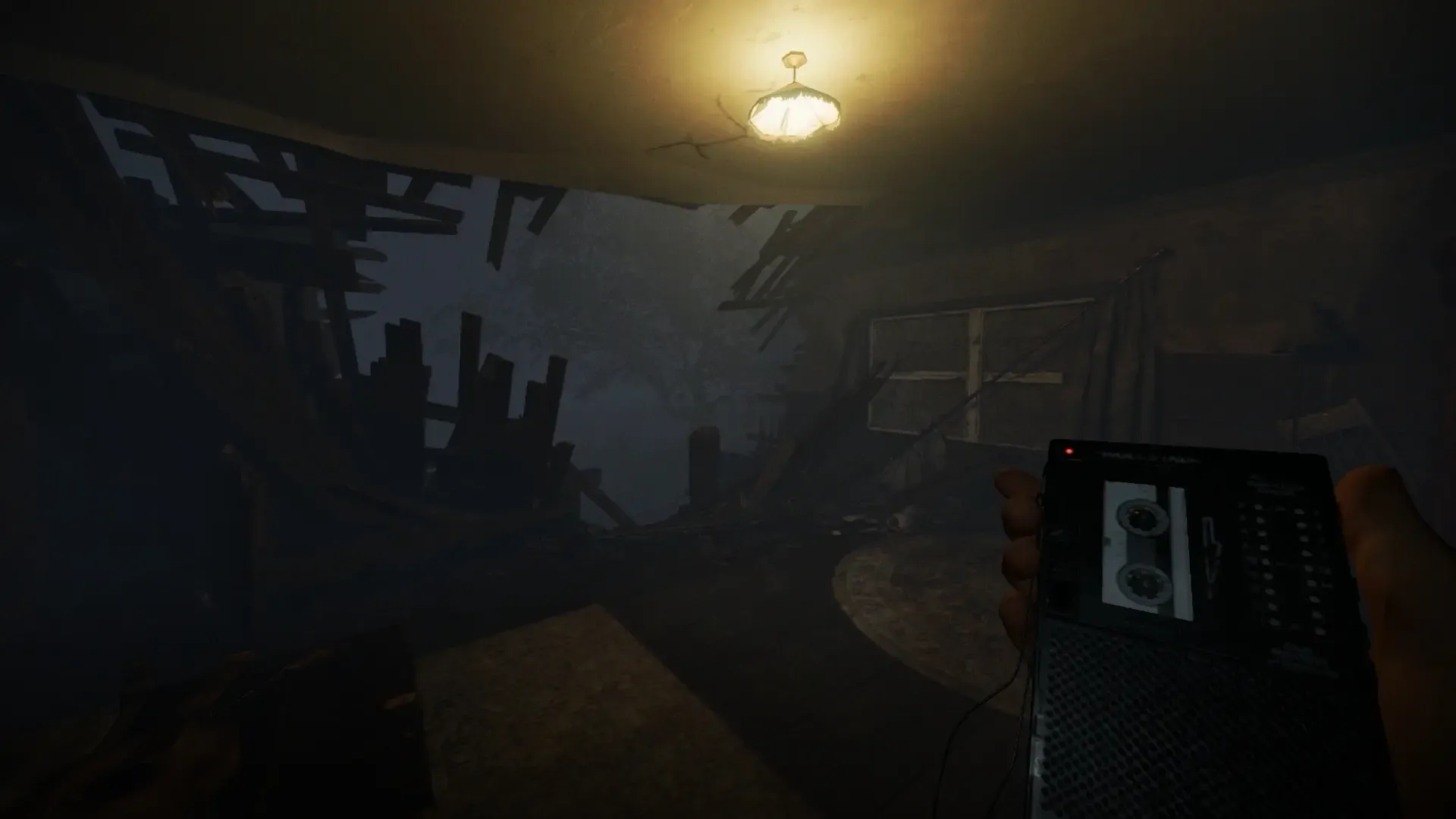
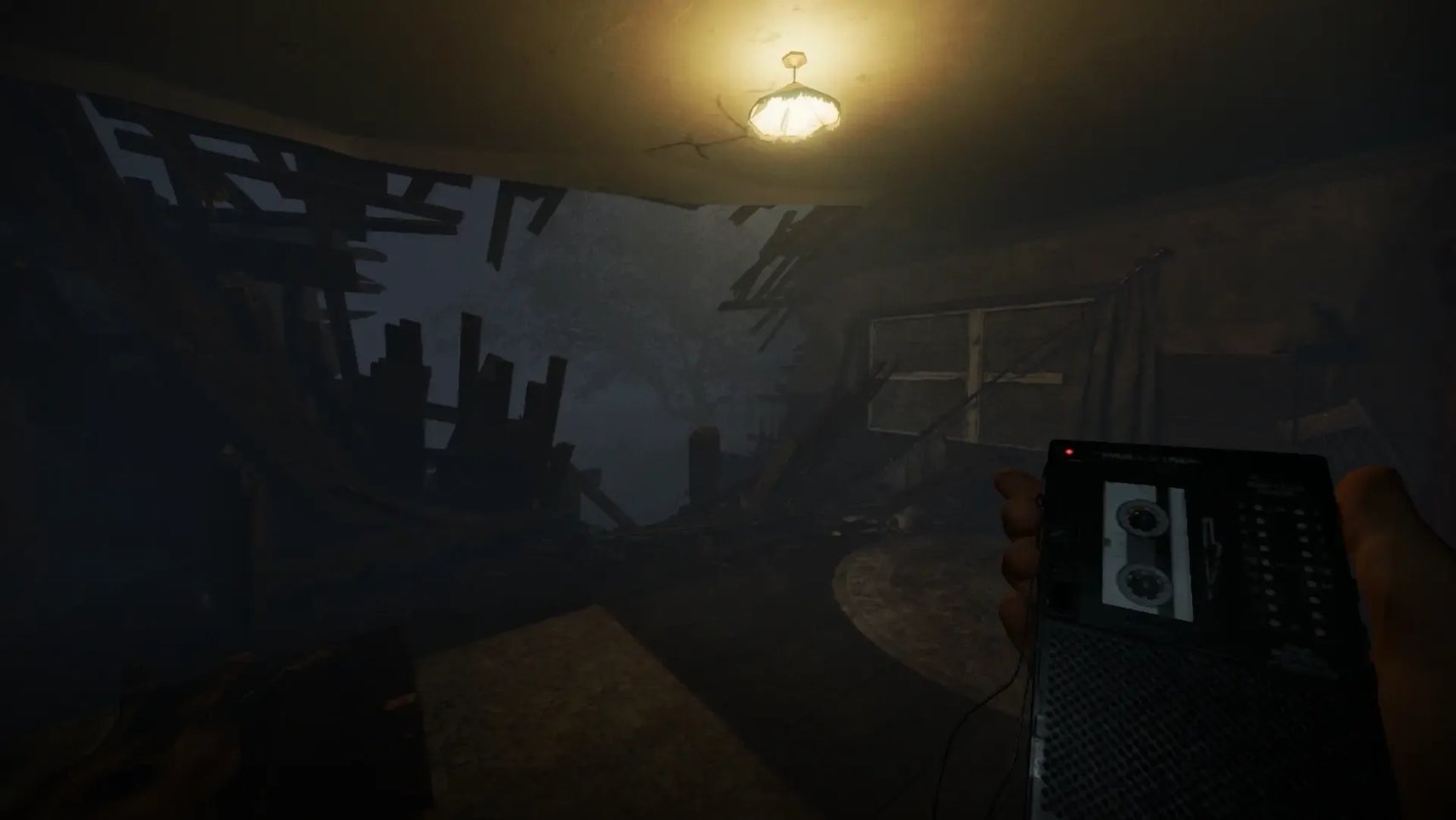
The immediate focus for Kinetic Games is the rollout of the Willow Street rework, which is confirmed for release on July 21. This update is described as a ground-up refresh of one of the game’s most iconic locations, shaped heavily by years of community feedback regarding layout, atmospheric tension, and gameplay balance. The July update will not be limited to environment changes; it is set to include "integrated, never-before-seen lore," suggesting a deeper narrative layer being woven into the investigative experience. Furthermore, the update will introduce significant improvements to player character models, animations, and customization options—addressing a long-standing criticism regarding the stiff and dated visuals of the investigator avatars.
Following the July release, the studio has outlined a sequence of "major quality-of-life updates" designed to stabilize the game’s core systems. These updates will bridge the gap between current content and the eventual migration to Unity 6. Looking toward the end of 2024, players can expect the return of seasonal events, including the "Crimson Eye" Halloween event and "Winter’s Jest" for the holiday season. Additionally, a rework of the Edgefield map is currently slated for a December release, continuing the studio’s effort to modernize older assets to match the visual fidelity of newer locations like Sunny Meadows.
Strategic Delay of Version 1.0 and the Vision for 2027
The announcement that Phasmophobia 1.0 will not arrive until 2027 has sparked significant discussion within the gaming community. For a game that has already been in early access for nearly four years, a further three-year development cycle suggests a massive expansion in scope. Kinetic Games has clarified that the 1.0 release will be more than just a "launch patch"; it will represent a total overhaul of the Phasmophobia experience.
Key features promised for the 1.0 milestone include:
- Ghost Model Overhaul: Replacing the current shared assets with a roster of unique ghosts, each possessing distinct appearances, custom animations, and specific backstories.
- Enhanced Lore Systems: Expanding the narrative through environmental storytelling and "ghost-specific conduits," creating deeper connections between the entities and the locations they haunt.
- Technical Refinements: Comprehensive upgrades to weather systems, spatial audio, and immersive investigation mechanics.
- Platform Expansion: Confirmation of the game’s arrival on the Nintendo Switch 2, alongside its existing presence on PC, PlayStation 5, and Xbox Series X/S.
CEO and Game Director Dan Knight emphasized that this extended timeline is a direct result of the studio’s growth and the evolving complexity of the project. Knight stated that the vision for Phasmophobia has expanded alongside the studio, which has grown from a small indie outfit to a team of over 50 professionals. This increased manpower allows the studio to pursue more ambitious technical goals that were previously unattainable.
Lessons from the Player Character Update Controversy
The decision to slow down development and focus on refinement is also a response to recent setbacks. In June 2024, Kinetic Games released a "Player Character Update" that was met with widespread criticism from the community. Players reported numerous bugs, visual inconsistencies, and a general lack of polish that many felt detracted from the horror atmosphere.

In a candid apology issued last month, Kinetic Games admitted that they "missed the mark" and failed to deliver on the promises made to the community. The studio acknowledged the frustration of the player base and has since released a series of hotfixes (v0.17.10 and v0.17.12) to address the most egregious issues. Dan Knight noted that the feedback from this specific update was a catalyst for the roadmap revision. "Everyone’s feedback showed that we have many areas to address before moving further along our roadmap," Knight explained. "We’re going to take this time to improve and expand this update to shape the game into the refined horror experience our players expect."
Technical Migration to Unity 6
One of the most technically significant aspects of the new roadmap is the migration to Unity 6. This transition is expected to provide the developers with more robust tools for lighting, performance optimization, and cross-platform compatibility. For a game that relies heavily on shadow play and atmospheric lighting to generate fear, the advanced rendering capabilities of Unity 6 could represent a generational leap in visual quality.
The move to Unity 6 also facilitates the studio’s goal of achieving parity across all platforms. With Phasmophobia currently available on PC and PlayStation VR2, and with Xbox and standard PS5 versions in the pipeline, maintaining a single, high-performance codebase is essential. The mention of the "Nintendo Switch 2" in the roadmap is particularly noteworthy, as it positions Phasmophobia as one of the first major indie titles to publicly commit to Nintendo’s unannounced next-generation hardware.
Analysis of Studio Growth and Market Position
The evolution of Kinetic Games mirrors the broader trend of "perpetual early access" seen in successful indie titles like 7 Days to Die or Project Zomboid. However, unlike many titles that languish in development hell, Phasmophobia has maintained a consistently high player count and a dominant position on streaming platforms like Twitch. Its success has spawned an entire sub-genre of "investigative horror," yet Phasmophobia remains the gold standard for the category.

The growth of the team to over 50 employees indicates a shift in the studio’s operational capacity. Managing a team of this size requires more structured development cycles and longer lead times for major features. By setting the 1.0 date for 2027, Kinetic Games is attempting to move away from the "hotfix culture" of early development toward a more sustainable, high-quality production model. This move is likely a safeguard against "developer burnout" and an effort to ensure that the eventual console launches are as stable as possible.
Implications for the Horror Genre and Community Expectations
The reaction from the Phasmophobia community has been a mix of disappointment regarding the long wait and relief that the developers are prioritizing quality. The horror genre is particularly sensitive to technical flaws; a bug that breaks immersion can instantly turn a terrifying experience into a comedic one. By focusing on unique ghost models and better animations, Kinetic is addressing the primary factor that currently limits the game’s "scare factor"—the predictability of the current assets.
From a broader industry perspective, Kinetic Games’ transparency regarding their failures and their willingness to delay a major milestone to "get it right" is a departure from the "launch now, fix later" mentality that has plagued several AAA releases in recent years. The long-term success of Phasmophobia will likely depend on whether the studio can maintain community engagement through the smaller, incremental updates planned for 2025 and 2026.
As the July 21 update approaches, all eyes will be on the Willow Street rework to see if Kinetic Games can regain the momentum lost during the character update controversy. If the studio can deliver a polished, lore-rich experience this summer, it will go a long way in validating the ambitious—and distant—2027 goal for the full 1.0 release. For now, the "ghost hunting" community remains in a state of cautious anticipation, waiting to see if the roadmap’s promise of a "refined horror experience" can truly be realized.