


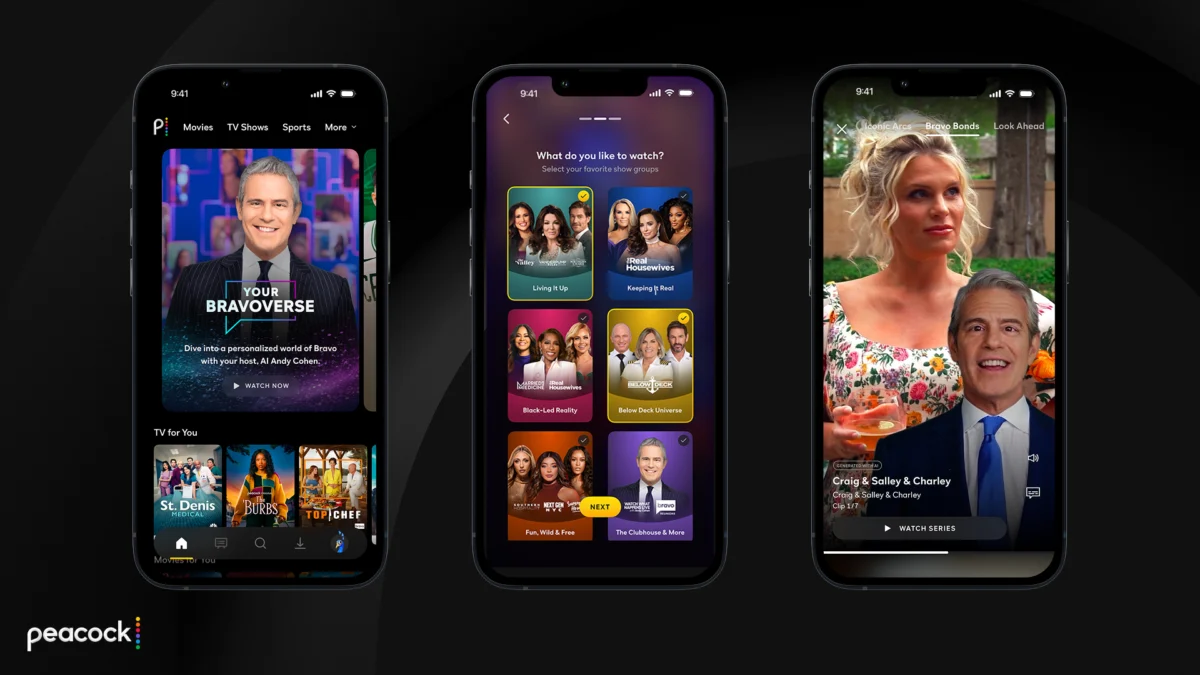
NBCUniversal’s streaming platform, Peacock, is embarking on an ambitious new chapter in its content strategy, officially debuting a slate of original shows that represent a significant departure from its traditional offerings. On Monday, the service will launch its first-ever vertical microdramas, spearheaded by the unscripted series Campus Confidential, a direct collaboration with the popular reality television brand, Bravo. This move signals a major mobile content push for Peacock, strategically leaning into vertical video and experiences specifically tailored for smartphone consumption, aiming to cultivate deeper and more frequent engagement from its burgeoning user base.
The Evolving Landscape of Digital Consumption and Peacock’s Strategic Pivot
The decision to embrace vertical video is a direct response to the profound shift in how audiences, particularly younger demographics, consume media. The rise of platforms like TikTok, Instagram Reels, and YouTube Shorts has normalized, and indeed popularized, short-form, vertically oriented content. These platforms have demonstrated the immense power of brief, engaging clips in capturing and retaining user attention, often leading to multiple daily interactions. Traditional streaming services, historically focused on long-form, horizontally formatted movies and television series, are now grappling with the imperative to adapt to these evolving viewing habits.
Matt Strauss, the chairman of NBCUniversal Media Group, articulated the core motivation behind this strategic redirection in an interview with The Hollywood Reporter. "We’re trying to give people reasons to open up our app every single day," Strauss stated, emphasizing the measurable value of incremental engagement. "We know the value of one incremental hour per user per month, we know the value of a user who spends one more day on our platform." This objective underscores the intense competition within the streaming market, where daily active users and time spent on platform are critical metrics for success and investor confidence. Peacock’s approach is described as "very surgical," focusing on "identifying the fandoms that we believe we can super serve, and how do we drive and generate more of that share of time by ensuring that we are the absolute best destination for these fans to want to spend more of their video calories on Peacock." This targeted strategy aims to leverage existing brand loyalties, particularly those cultivated by NBCUniversal’s extensive portfolio of intellectual property.
Bravo’s Role: Fueling the Microdrama Revolution with Campus Confidential
The inaugural vertical microdrama series, Campus Confidential, is an unscripted production brought to life by Bravo, a network renowned for its successful "docusoap" format and a highly engaged fanbase. The choice of Bravo is deliberate and strategic. Liz Jenkins, chief business officer for NBCUniversal Entertainment, drew a compelling parallel between these new microdramas and classic soap operas. "If you think about microdramas, essentially, microdramas are very soap opera-esque, and one could argue that Bravo and these docusoaps are sort of the current iteration, or at least a close cousin to the legacy soap opera," Jenkins explained. This lineage suggests a natural evolution of storytelling, where the dramatic, episodic nature of traditional soaps finds a contemporary home in the bite-sized, mobile-first format.
Bravo’s consistent ability to generate fervent "fandoms" makes it an ideal launchpad for this new content type. Its shows, characterized by compelling interpersonal drama, aspirational lifestyles, and often intense, rapid-fire narratives, are inherently suited to short, impactful segments. By leveraging Bravo’s established brand and its loyal viewership, Peacock aims to immediately connect with an audience already predisposed to this style of storytelling, thereby accelerating adoption of the new vertical format within its app. Jenkins further highlighted Peacock’s position within the broader NBCUniversal ecosystem: "Peacock is one piece of NBCUniversal’s flywheel, and our IP and our franchises are the things that fuel that flywheel… storytellers and IP come first, but we should show up where and how audiences are consuming content, and so I think obviously with an increasing amount of consumption happening on the mobile device, it’s important that we show up there in a format that is organic or authentic to that."
A Multi-Pronged Approach: Beyond Microdramas
The launch of Campus Confidential is merely one facet of Peacock’s comprehensive mobile-first strategy, which encompasses a diverse array of content and technological innovations. This "slew of experiments and bets" demonstrates a commitment to exploring every avenue for mobile engagement.
Live Vertical Sports Content: Recognizing the immediacy and communal experience of live sports, Peacock has already ventured into offering live vertical sports content, including segments from the NBA and the FIFA World Cup. This allows fans to consume real-time highlights and critical moments in a format optimized for on-the-go viewing, tapping into the social media-driven desire for instant updates.
Mobile Games: Expanding its interactive offerings, Peacock has introduced mobile games tied to its popular franchises, such as Law & Order and Jeopardy! Today. Gamification serves as a powerful tool for increasing time spent within the app and fostering a deeper, more active form of engagement beyond passive viewing. These games leverage familiar intellectual property to attract existing fans and provide an alternative entertainment option within the platform.
Shop What Happens: Integrating e-commerce directly into content, Peacock launched Shop What Happens, a vertical live series with click-to-buy capabilities. This innovative approach allows viewers to instantly purchase products featured in the content, blurring the lines between entertainment and retail. It represents a potential new revenue stream for Peacock and a convenient, immersive shopping experience for users, capitalizing on impulse buys generated by compelling visuals.
Licensing from ReelShort: In a pragmatic move to quickly expand its vertical video library and normalize the format, Peacock has also quietly begun licensing select microdramas from ReelShort. Strauss views this as a strategic step in "building an ecosystem where people get used to watching vertical video content," suggesting that acquired programs can effectively complement and accelerate the adoption of its original vertical offerings. This hybrid approach allows Peacock to test the waters and gather user data while developing its proprietary content.
Technological Prowess and Future Vision
Peacock’s mobile strategy is not solely about content; it’s heavily underpinned by advanced technology designed to enhance user experience and streamline content creation.
AI-Powered Personalization: The platform is leaning into artificial intelligence, most notably with an AI-powered version of Andy Cohen, the iconic host and executive producer of Bravo’s Watch What Happens Live. This AI entity is designed to guide viewers through Bravo clips, offering a personalized and interactive experience that leverages the familiarity and appeal of a beloved personality. Such AI integration promises to make content discovery more engaging and tailored to individual preferences.
Automated Vertical Conversion: To efficiently scale its vertical video offerings from its vast existing library, Peacock has developed advanced technology that automates the process of converting live and on-demand video from a horizontal format to a vertical one. This is a critical innovation, as manually re-editing extensive catalogs for vertical viewing would be a prohibitively time-consuming and expensive endeavor. This automation allows Peacock to repurpose and present its rich archive in a mobile-friendly format, unlocking new value from existing assets.
Strauss envisions a future where this technology can be applied across NBCUniversal’s entire content catalog. "We’ve designed this in a way that it could be extrapolated to any large catalog of programming, like imagine The Office being an experience, or SNL," he suggested. This hints at a grander strategy to transform how viewers interact with iconic shows, potentially offering bite-sized, vertical-optimized versions of classic moments, bloopers, or character-centric narratives. "So when you combine these four elements of clips, live vertical video, originals and innovation, you know this is not something that happened overnight," Strauss concluded, emphasizing the comprehensive and deliberate nature of this strategic shift.
Phased Rollout and Industry Trends
The implementation of Peacock’s vertical video strategy will unfold in phases. The Hollywood Reporter has learned that Peacock will launch a dedicated vertical video feed this month, initially focusing on clips. This foundational step will pave the way for the later addition of "Your Bravoverse" this summer, an expansion that will further consolidate Bravo-centric vertical content into a dedicated hub.
Peacock is not alone in recognizing the growing importance of vertical video. Major competitors in the streaming space, including Disney+ and Netflix, have also significantly refreshed their vertical video offerings in recent months. Disney+, for example, introduced "Shorts" for its Marvel and Star Wars content, while Netflix has experimented with similar formats for its original series. This collective movement by industry giants underscores a broader consensus that embracing mobile-first, vertical content is crucial for driving engagement, attracting new subscribers, and, critically, extending the lifespan and relevance of valuable intellectual property.
Broader Implications and The Enduring Power of IP
The implications of Peacock’s aggressive push into vertical content are far-reaching. For the platform itself, it represents a concerted effort to increase daily active users, improve retention rates, and potentially unlock new monetization avenues through integrated e-commerce and more targeted advertising within short-form content. By meeting users on their preferred devices and in their preferred format, Peacock aims to solidify its position in a fiercely competitive streaming market.
For NBCUniversal as a whole, this strategy reinforces the "flywheel" concept – a continuous cycle where established IP fuels new content, which in turn strengthens brand loyalty and drives engagement across various platforms. Jenkins eloquently summarized the enduring value of intellectual property in this dynamic environment: "The interesting thing about IP and these franchises and that emotional connection is they stand the test of time… These franchises, big IPs, have lasted for decades and decades and survived lots of different cycles of innovation and expansion of these platforms." She clarified that while engagement metrics are important, the deeper goal is about "how do you continue to nurture and extend the health relevance of these franchises and deliver fans what they need?"
The integration of vertical video is not merely a tactical maneuver; it’s a strategic investment in the future relevance of NBCUniversal’s content empire. It acknowledges that the definition of "premium content" is expanding to include highly produced, yet easily digestible, mobile-optimized experiences. While challenges remain – such as ensuring high production values for rapid-fire content and effectively monetizing new formats – Peacock’s comprehensive approach positions it as a significant player in shaping the next evolution of digital entertainment.
Ultimately, Peacock’s strategy boils down to a fundamental understanding of its audience: fans, it turns out, increasingly use their phones for content. Peacock’s mission is clear: to meet them precisely where they are, with content designed for that experience, ensuring its beloved franchises continue to thrive in the mobile-first era.