
The television industry has undergone a fundamental structural shift, transforming the summer months from a period of broadcast stagnation into a primary window for high-budget premieres and critical releases. Historically characterized as the "doldrums" of the viewing cycle, the warmest months were once reserved for network reruns and low-cost reality programming designed to occupy a diminished audience. However, the ascent of streaming services and the subsequent disruption of the traditional 22-episode fall-to-spring schedule have realigned consumer habits. According to recent Nielsen "The Gauge" reports, streaming platforms now consistently account for nearly 40% of total television usage in the United States, with viewership peaks often occurring during the summer as platforms deploy "tentpole" content to retain subscribers during vacation periods.
This new seasonal paradigm is defined by a strategic curation of content that mirrors contemporary societal shifts, technological advancements, and the enduring power of established intellectual property (IP). The current slate of programming represents a cross-section of the industry’s most significant trends: the expansion of cinematic universes, the revitalization of classic animation, and the exploration of dystopian themes that resonate with modern anxieties. As the industry navigates the post-peak TV era, the following eleven series have been identified as the most significant contributors to the cultural and technological discourse of the current season.
The Dominance of High-Fantasy and Franchise Prequels
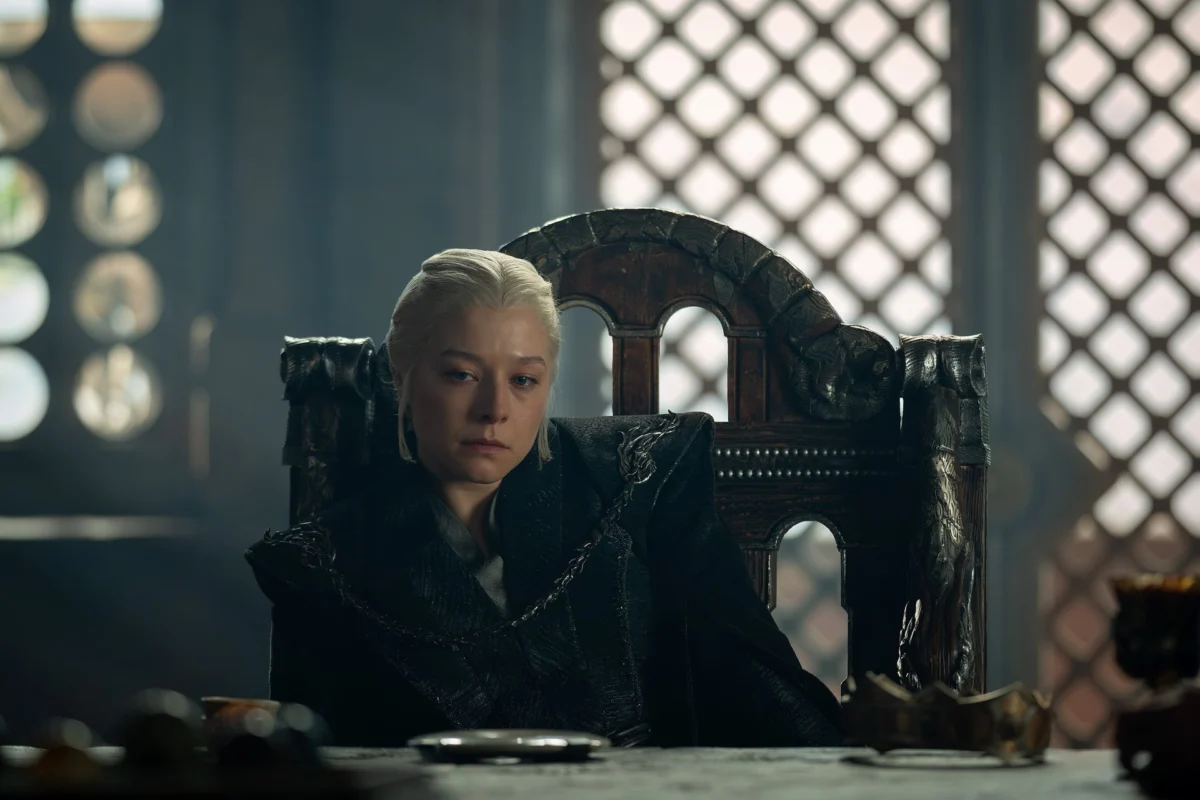
The pursuit of "the next Game of Thrones" remains a central driver for premium cable and streaming investments. HBO’s House of the Dragon serves as the primary case study for this strategy. Set approximately 200 years before the events of the original series, the prequel chronicles the internal collapse of House Targaryen. The series returned for its third season on June 21, continuing the narrative of King Viserys I’s succession crisis. While the production has faced public scrutiny—including recent blog posts by author George R.R. Martin regarding creative deviations from the source material—its commercial impact remains undeniable. The production reportedly commands a budget exceeding $20 million per episode, reflecting a broader industry trend toward "cinematic" television.
Simultaneously, Netflix has found success in the live-action adaptation of Avatar: The Last Airbender. Originally a Nickelodeon animated staple (2005–2008), the property has been reimagined for a global audience. The second season, released in late June, explores the escalating conflict between the Fire Nation and the elemental "Benders" of the Water, Earth, and Air nations. Netflix’s commitment to a third and final season, already in production, indicates a shift toward long-term planning for high-fantasy IP, despite the lengthy production cycles required for extensive visual effects.
The Renaissance of Animation and Intellectual Property Reimagining
Animation is no longer relegated to younger demographics; instead, it has become a sophisticated medium for exploring complex character dynamics and nostalgia. My Adventures With Superman, which debuted its third season on Adult Swim on June 13, exemplifies this shift. By adopting an anime-inspired aesthetic and a romantic-comedy tone, the series offers a human-centric perspective on Clark Kent (voiced by Jack Quaid) and Lois Lane. This approach has yielded a rare 100% critical rating on review aggregators, suggesting that audiences are receptive to "de-powered" or more intimate portrayals of iconic superheroes.
Similarly, X-Men ’97 serves as a direct continuation of the 1992-1997 animated series, leveraging multi-generational nostalgia. Released on Disney+, the series picks up the narrative threads of the original "mutant" struggle, focusing on the team’s survival following the loss of Professor Charles Xavier. The success of this revival—marked by its return on July 1—demonstrates the viability of "legacy sequels" in the streaming era, where original voice casts and classic art styles are used to bridge the gap between older fans and new viewers.
For fans of surrealist storytelling, Adventure Time: Side Quests returns to the Land of Ooo. Developed by Nate Cash, a veteran of the original series, this project functions as a prequel or companion to the early seasons. By returning to the "monster-of-the-week" format, the series reinforces the durability of Pendleton Ward’s original universe, which famously allowed its characters to age in real-time—a rarity in the medium.
Sci-Fi Legacies and the Global Distribution Model
The distribution of long-running franchises like Doctor Who highlights the increasing complexity of international licensing. The legendary British science fiction series, which has spanned over six decades, currently faces a transitional period following the departure of the Fifteenth Doctor, Ncuti Gatwa. The series’ history is now fragmented across multiple platforms: the original "Classic" era resides on BritBox and Tubi, while the modern "NuWho" era (Seasons 1-13) moved to AMC+ on June 11. The newest iterations remain exclusive to Disney+ in the United States. This fragmentation reflects the broader "streaming wars" strategy where platforms compete for portions of a single franchise’s history to anchor their libraries.
In the realm of modern science fiction, Star Trek: Strange New Worlds continues the legacy of Captain Christopher Pike and the U.S.S. Enterprise. Premiering its fourth season on July 23, the Paramount+ series has been lauded for returning to the episodic, optimistic exploration of the 1960s original. Industry analysts note that Strange New Worlds serves as a critical pillar for Paramount+, bridging the gap between the serialized Star Trek: Discovery and the broader expansion of the Trek universe.
Dystopian Narratives and Psychological Commentary
Television continues to reflect societal anxieties through dystopian and psychological dramas. Apple TV+’s Silo, based on the "Wool" trilogy by Hugh Howey, returns for its third season on July 3. The series, led by Rebecca Ferguson, explores a subterranean society governed by "The Pact," a set of restrictive laws designed to prevent residents from questioning their environment. The show’s success lies in its exploration of misinformation and authoritarian control—themes that resonate in the contemporary "post-truth" era.
On a more intimate scale, The Listeners provides a psychological exploration of isolation and conspiracy culture. Starring Rebecca Hall, the five-part miniseries follows a woman who begins hearing a low-frequency hum that others cannot perceive. Adapted from Jordan Tannahill’s novel, the series arrives in the U.S. after a successful BBC run. Critics have noted its timely depiction of how shared "fringe" experiences can lead individuals into insular communities, mirroring the rise of real-world digital echo chambers.
Preservation of Television History and Cultural Documentation
The current season also emphasizes the preservation of television’s avant-garde history. The Criterion Channel is re-releasing the 1967 cult classic The Prisoner on July 1. Created by and starring Patrick McGoohan, the 17-episode series is a foundational text for the "mystery box" genre, influencing later hits like Twin Peaks and Lost. Its themes of individual identity versus state surveillance remain strikingly relevant, and its availability on a high-definition platform ensures its accessibility for a new generation of creators, including directors like Christopher Nolan who have long expressed interest in the property.
Finally, the documentary format is being used to examine modern cultural phenomena. The Man Will Burn, a four-part HBO docuseries debuting July 9, provides a comprehensive history of the Burning Man festival. Directed by Jehane Noujaim and Vikram Gandhi, the project uses three decades of archival footage to trace the event’s evolution from a 1986 bonfire on a San Francisco beach to a massive Nevada desert gathering. The series critically examines the festival’s "gentrification" by Big Tech billionaires and social media influencers, offering a factual analysis of the tension between counterculture ideals and commercial reality.
Broader Industry Implications and Future Outlook
The diversification of the summer television lineup indicates that the industry is no longer operating on a seasonal "off-switch." The convergence of high-fantasy epics, experimental animation, and deep-dive documentaries suggests a strategy of "constant engagement." For streaming providers, the goal is to reduce "churn"—the rate at which subscribers cancel their services—by ensuring that high-value content is available year-round.
Furthermore, the reliance on established IP (Superman, Star Trek, X-Men) underscores a risk-averse financial environment where studios prefer known quantities with built-in fanbases. However, the inclusion of original psychological thrillers and the revival of cult classics like The Prisoner provide a necessary balance, catering to "prestige" audiences who seek intellectual stimulation alongside spectacle. As the industry moves toward 2025, the success of this summer’s slate will likely dictate the production budgets and release strategies for the coming years, further cementing the summer as the most critical season in the television calendar.