

Eiji Uchida’s latest cinematic offering, Night Flower, marks a poignant return to his thematic preoccupations, delving once again into the lives of society’s often-overlooked inhabitants. This new film, which premiered at the prestigious Nippon Connection Film Festival in 2026, echoes the profound social commentary and empathetic character studies that defined his critically acclaimed 2020 drama, Midnight Swan. That earlier work garnered significant accolades, including the coveted Best Film and Best Actor awards at the Japan Academy Film Prize, solidifying Uchida’s reputation as a director capable of illuminating the human condition within challenging societal frameworks. Night Flower continues this trajectory, showcasing Uchida’s signature blend of gritty realism and quiet emotional resonance.
The Dual Trajectory of Desperation
The narrative of Night Flower is intricately woven, initially presenting two distinct yet converging storylines that underscore the pervasive nature of hardship. The first thread follows Natsuki (Keiko Kitagawa), a woman thrust into a desperate struggle for survival following the abrupt disappearance of her husband. His departure leaves behind not only emotional devastation but also a crippling burden of debt. Natsuki finds herself the sole provider for her young son and daughter, a responsibility she juggles with relentless dedication. Her days are consumed by two part-time jobs, a relentless grind that extends into the night as a hostess. The immense pressure and constant exhaustion inevitably lead to moments of fractured patience with her children, episodes she invariably regrets in the quiet aftermath.
Parallel to Natsuki’s plight is the story of Tamae (Misato Morita), a determined and tomboyish young woman carving out a precarious existence as a mixed martial arts (MMA) fighter. Her ambition to build a career in the demanding world of combat sports is constantly undermined by financial instability. To make ends meet, Tamae supplements her income through sex work, a dangerous necessity that further underscores the systemic vulnerabilities faced by women in precarious economic situations. The film meticulously portrays the toll these dual lives take, highlighting the courage and resilience required to navigate such challenging circumstances.
An Unlikely Alliance Forged in Necessity
The critical juncture in Night Flower arrives when Natsuki, on her way home one evening, inadvertently witnesses a drug deal escalate into violence. The ensuing chaos leaves one participant incapacitated and a bag of illicit substances abandoned. Driven by sheer desperation, with her dwindling finances barely enough for basic necessities, Natsuki makes the fateful decision to seize the drugs, hoping to turn them into much-needed capital. Her initial attempts at dealing are fraught with peril and lack of success. However, it is during this period of intense vulnerability that she encounters Tamae, who intervenes and offers her assistance.
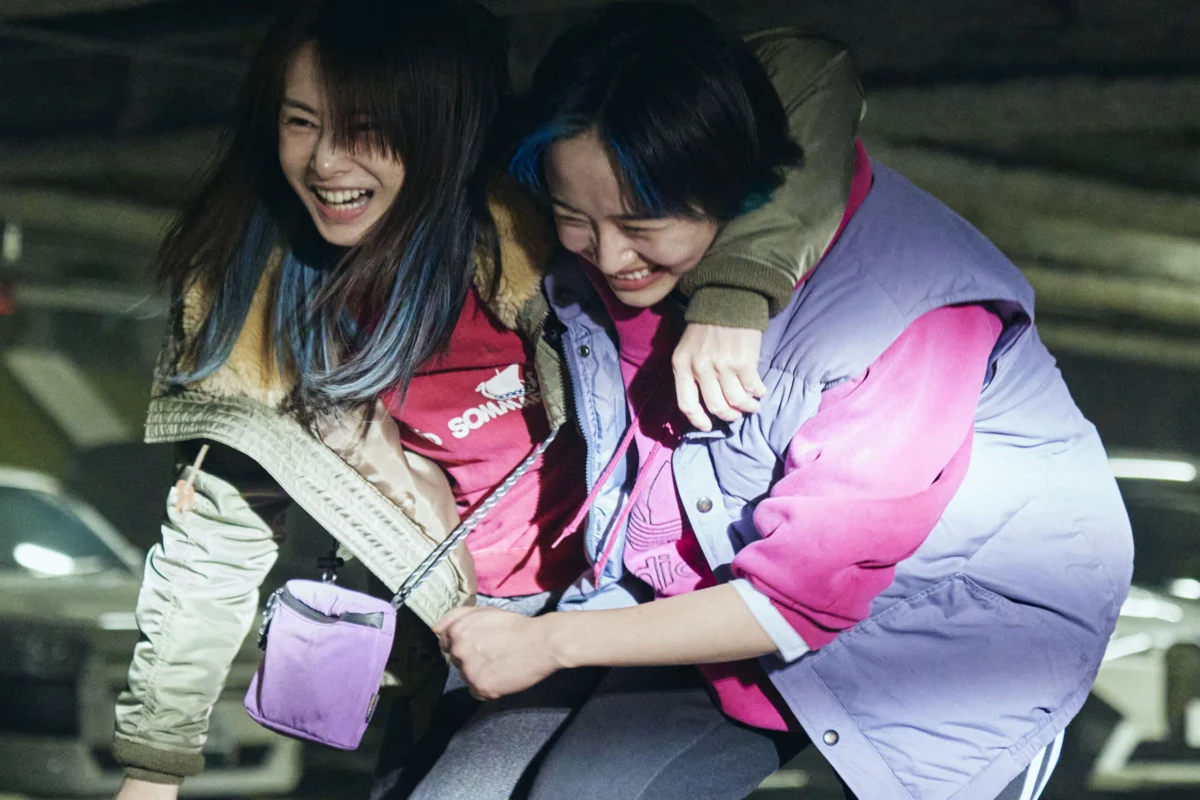
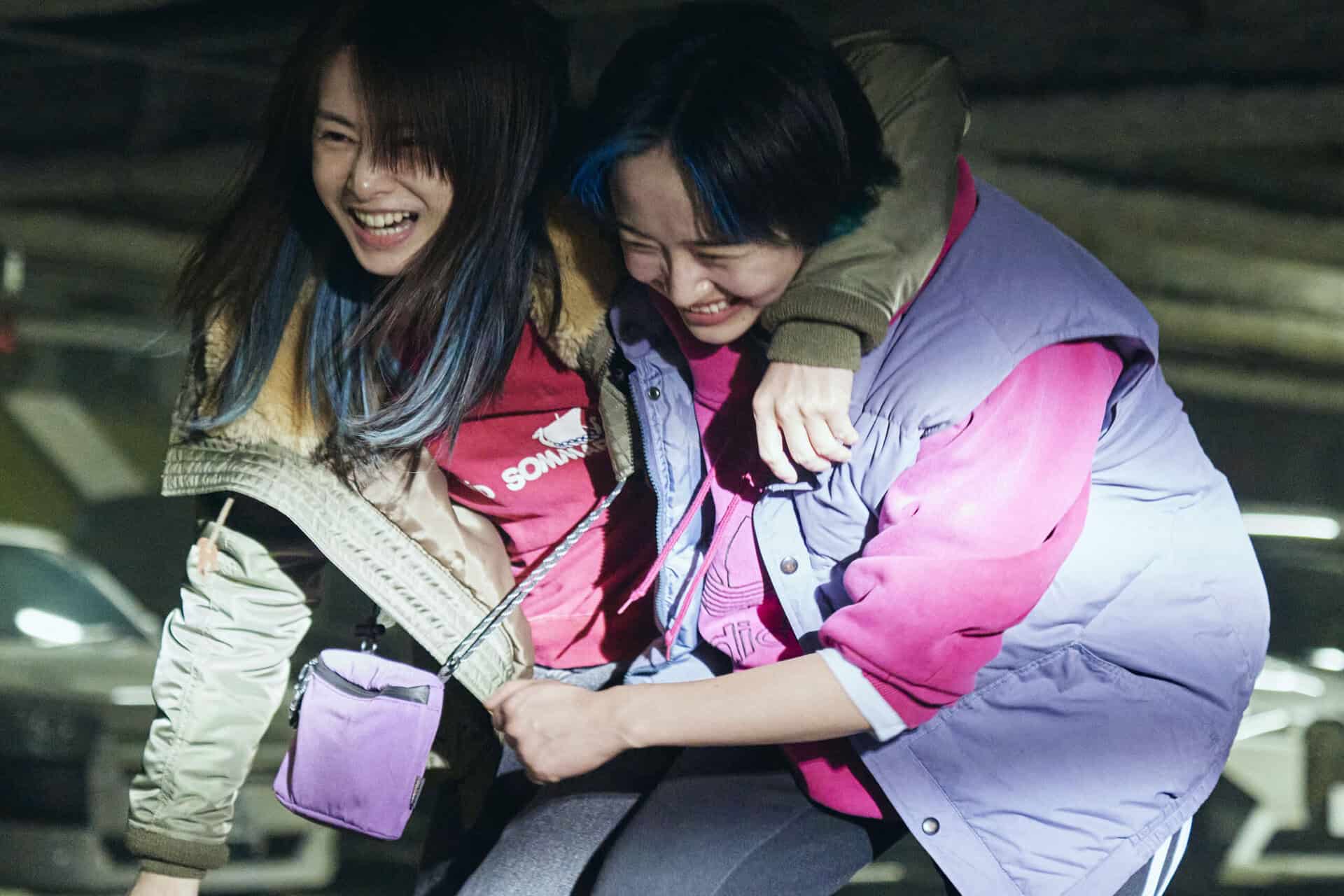
Recognizing a shared desperation and a mutual understanding of the unforgiving realities they face, Natsuki and Tamae forge an unlikely partnership. Under the precarious control of a local drug lord, portrayed by Ryuta Shibuya, Natsuki assumes the role of the dealer, while Tamae provides protection. This symbiotic relationship, born out of necessity and a primal urge for survival, allows them to navigate the dangerous underworld. However, their fragile operation is irrevocably disrupted when they encounter one of their clients: a young woman from a privileged, affluent background. This encounter triggers a cascade of unforeseen consequences, quickly spiraling beyond their control and thrusting the two women, now a makeshift family bound by shared hardship, into a far more perilous situation than they could have ever imagined. The film thus transitions from individual struggles to a collective fight for survival against escalating threats.
The Emergence of a "Found Family"
While the narrative premise of a desperate mother resorting to illicit activities to support her family is not entirely novel in cinematic storytelling, Night Flower distinguishes itself by shifting its central focus. The film’s true power lies in its exploration of the "found family" that gradually blossoms between Natsuki, Tamae, and Natsuki’s children. Together, they cultivate a bond that transcends biological ties, forging a fragile yet profoundly emotional connection rooted in shared adversity, the relentless pursuit of survival, and the pervasive sting of loneliness. This emergent family unit becomes a testament to the human capacity for connection and resilience, even in the most challenging environments.
Uchida’s Masterful Restraint and Understated Power
What truly elevates Night Flower is the distinct and deliberate tone that Eiji Uchida employs throughout the film. Eschewing overt melodrama, gratuitous dialogue, or an overpowering musical score, Uchida opts for an approach characterized by understatement and restraint. It is precisely within this quietude that the film derives its immense power. The cinematography, the nuanced performances, and the pervasive atmosphere collectively carry more narrative weight than any explicit exposition.
Some of the film’s most emotionally resonant moments unfold with striking silence. A particularly poignant scene depicts Natsuki’s unexpected encounter with her daughter, who is busking on a street corner, playing the violin for spare change. The scene is devoid of dialogue, its impact stemming solely from the raw emotion conveyed through Natsuki’s gaze – a silent testament to her despair and maternal anguish. This scene serves as a powerful illustration of Uchida’s directorial prowess, demonstrating his ability to elicit profound emotional responses through subtle visual storytelling. Similarly, Tamae, a character of few words, communicates a wealth of internal struggle and resilience through her quietude, her unspoken thoughts and feelings resonating deeply with the audience.
A Systemic Critique and the Failure of Support
Beyond the intimate drama of its central characters, Night Flower functions as a potent critique of the societal structures that permit individuals like Natsuki and Tamae to fall through the cracks. The film offers clear, unflinching references to the Japanese welfare system, particularly highlighting Natsuki’s experience. Her attempts to seek assistance are met not with empathy or support, but with a discernible hostility, as if she were perceived as an exploiter of the system rather than a victim of its failings. This portrayal underscores the systemic deficiencies that exacerbate the struggles of vulnerable populations, leaving them with few viable options for escape or redemption.
The film’s examination of systemic failures is further amplified by its subtle exploration of contrasting familial ideals. Juxtaposed against Natsuki and Tamae’s hard-won solidarity is a subplot involving a spoiled young woman from a wealthy, traditionally upper-middle-class family. In this setting, the father is consumed by his professional life, leaving the mother to shoulder the responsibility of raising their daughter. However, this mother proves incapable of effectively guiding or understanding her child. When the family unit begins to fracture, the mother’s actions are driven not by genuine love, but by a palpable sense of guilt, a stark contrast to the protective instincts displayed by Natsuki and Tamae.
Art as an Avenue of Escape and Liberation
A recurring motif that connects Night Flower to Midnight Swan is the presentation of art as a potential avenue of escape from dire circumstances. In Midnight Swan, the young protagonist harbors dreams of becoming a ballerina, a symbol of aspiration and a pathway to a different life. In Night Flower, Natsuki’s daughter is revealed to be a gifted violinist. Across both narratives, there is an underlying suggestion that artistic expression offers children a crucial means of transcending their harsh realities, serving as a form of survival, liberation, and a beacon of hope. This thematic link emphasizes Uchida’s consistent belief in the transformative power of creativity.
Fleeting Moments of Levity and Human Connection
Despite the pervasive bleakness of the situations depicted, Uchida masterfully injects moments of unexpected humor, offering glimpses of humanity and levity that serve to underscore the resilience of the human spirit. One such instance involves Tamae’s awkward yet endearing contrast between her naturally masculine demeanor and the high heels she is compelled to wear as part of her sex work. These moments of incongruity provide brief respites from the narrative’s intensity. Furthermore, the film offers a touching portrayal of the intimidating drug lord, whose hardened exterior is subtly softened by Natsuki’s burgeoning maternal instinct, hinting at the complex layers of human connection that can emerge even in the most unlikely of circumstances.
Stellar Performances Anchor the Narrative
The film’s emotional impact is significantly bolstered by two powerful central performances. Keiko Kitagawa and Misato Morita exhibit a compelling and effective chemistry, their interactions forming the emotional core of the film. Misato Morita, whose prior work has already garnered her critical acclaim, including Best Supporting Actress awards, delivers a performance that is both controlled and deeply expressive, conveying a profound inner life with remarkable subtlety. Both leads imbue their roles with a raw, physical honesty that lends authenticity to their struggles and their burgeoning bond.
The supporting cast also features notable presences. Daisuke Sakuma of the popular idol group Snow Man appears in a role that, while present, feels more tied to his established star persona than the specific demands of the character. In contrast, Ryuta Shibuya of the rock band Super Beaver proves more convincing as the formidable head dealer, bringing a grounded gravitas to the role. Additionally, Kiyohiko Shibukawa, a frequent collaborator with director Uchida, makes a brief but welcome appearance as a private investigator, reinforcing his consistent presence within the director’s cinematic universe and adding another layer to the film’s intricate tapestry.
Conclusion: A Testament to Marginalized Lives
In summation, Night Flower unequivocally reaffirms Eiji Uchida’s enduring commitment to exploring the lives of those on the fringes of society. The film adeptly balances incisive social critique with a profound emotional precision, all while incorporating subtle touches of humor. It is a testament to Uchida’s skill that he can craft narratives that are both deeply personal and universally resonant, offering a powerful and empathetic lens through which to view the struggles and triumphs of the marginalized. The film’s success at Nippon Connection further solidifies its place as a significant contribution to contemporary cinema, prompting reflection on societal inequalities and the enduring strength of the human spirit. The festival, running from May 27 to June 1, 2026, showcases a diverse range of Japanese cinema, and Night Flower‘s inclusion highlights its critical and artistic merit within this international platform.