

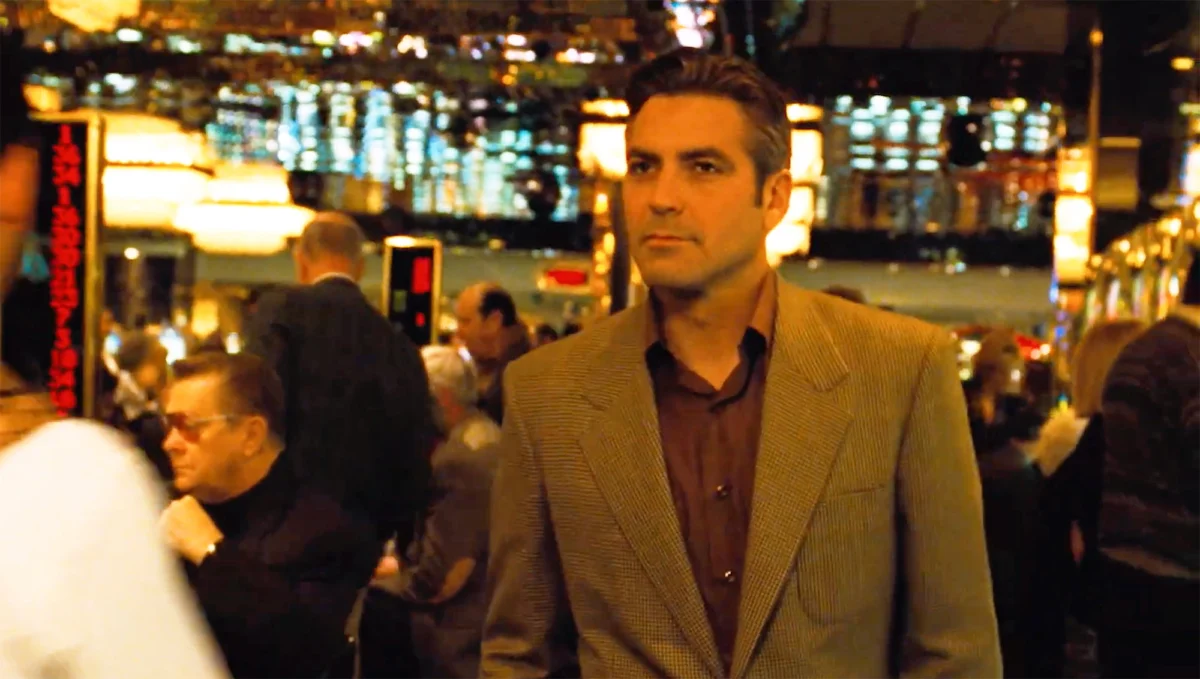
Fathom Entertainment has announced a special two-night theatrical re-release for Steven Soderbergh’s acclaimed 2001 heist comedy masterpiece, Ocean’s Eleven, commemorating its 25th anniversary. The film, widely celebrated for its intricate plot, stellar ensemble cast, and stylish direction, will return to cinemas nationwide on June 21st and June 24th, 2026. This limited engagement offers audiences a unique opportunity to experience the cinematic classic on the big screen, complete with exclusive supplementary content, including insights from renowned film critic Leonard Maltin. Tickets for these special screenings are already available, signaling significant anticipation for the return of Danny Ocean and his crew.
The Enduring Legacy of a Modern Classic
Released on December 7, 2001, Ocean’s Eleven arrived at a pivotal time, offering a much-needed dose of sophisticated escapism. It quickly distinguished itself as a benchmark in the heist genre, masterfully blending suspense, humor, and a compelling narrative with an unparalleled level of cool. The film, a remake of the 1960 Rat Pack vehicle, transcended its predecessor to establish its own formidable legacy, grossing over $450 million worldwide against an $85 million budget and earning widespread critical acclaim. Its enduring appeal lies not only in its meticulously choreographed heist sequence but also in the palpable chemistry among its A-list cast and Soderbergh’s signature directorial flair.
A Heist Masterpiece: Production and Craftsmanship
Steven Soderbergh, fresh off his Oscar-winning success with Traffic (2000), brought a refined artistic sensibility to Ocean’s Eleven. His direction is characterized by a sleek visual style, often employing natural light and unconventional camera angles that imbue the film with an authentic, lived-in feel despite its glamorous setting. Soderbergh, who also served as cinematographer under the pseudonym Peter Andrews, crafted a visual language that perfectly complemented the film’s intricate plot.
The screenplay, penned by Ted Griffin, is a marvel of narrative construction. It intricately weaves together multiple character arcs with a complex, multi-layered heist plan, ensuring that every piece of the puzzle contributes to the larger picture. The dialogue is sharp, witty, and often understated, enhancing the film’s sophisticated tone without sacrificing accessibility. Griffin’s script successfully updated the original concept, infusing it with modern sensibilities while retaining the charm and audacity inherent in a grand casino heist.
The film’s soundtrack, composed by David Holmes, became an iconic element, perfectly capturing the mood and rhythm of the narrative. Its blend of jazzy, funky, and electronic elements provided a distinctive sonic backdrop that further cemented the film’s stylish identity. From the opening credits to the final, iconic shot, Holmes’s score is inseparable from the film’s overall appeal, often cited as one of the best contemporary film scores.
From Rat Pack to Star-Studded Ensemble: The Film’s Genesis
The journey of Ocean’s Eleven from concept to screen involves a fascinating evolution from its 1960 origins. The original Ocean’s 11, directed by Lewis Milestone, starred the legendary "Rat Pack" – Frank Sinatra as Danny Ocean, Dean Martin as Sam Harmon, Sammy Davis Jr. as Josh Howard, Peter Lawford as Jimmy Foster, and Joey Bishop as Mushy O’Connors. This version, while iconic for its cast and period charm, was a more relaxed, character-driven caper, focusing on eleven World War II veterans attempting to rob five Las Vegas casinos in one night. It was known more for the camaraderie of its stars than for a complex plot.
Soderbergh’s decision to remake the film was a bold move, given the reverence for the original and its legendary cast. However, his vision was not merely to replicate but to reimagine. He aimed to elevate the heist genre with a more intricate plot, higher stakes, and a contemporary aesthetic, while still paying homage to the original’s spirit of cool. The casting of George Clooney as Danny Ocean was instrumental, drawing parallels to Sinatra’s charismatic leadership but with a more refined, almost melancholic edge.

The assembly of the new "Eleven" became a masterstroke of casting, featuring an unprecedented collection of A-list talent: George Clooney (Danny Ocean), Brad Pitt (Rusty Ryan), Matt Damon (Linus Caldwell), Julia Roberts (Tess Ocean), Andy García (Terry Benedict), Bernie Mac (Frank Catton), Don Cheadle (Basher Tarr), Casey Affleck (Virgil Malloy), Scott Caan (Turk Malloy), Elliott Gould (Reuben Tishkoff), Carl Reiner (Saul Bloom), and Qin Shaobo (Yen). This ensemble not only brought immense star power but also an undeniable chemistry that propelled the film. Each actor, from the leads to the supporting players, delivered performances that were nuanced, engaging, and essential to the film’s intricate dance.
Box Office Triumph and Critical Acclaim
Upon its release in December 2001, Ocean’s Eleven immediately captivated audiences and critics alike. Its domestic box office run saw it collect $183.4 million, while its international performance pushed its global total to $450.7 million, making it the fifth-highest-grossing film of 2001. This financial success underscored the public’s appetite for sophisticated, star-driven entertainment.
Critically, the film was lauded. Review aggregator Rotten Tomatoes reports an approval rating of 83% based on 176 reviews, with an average rating of 7.1/10. The consensus praises it as "a witty, stylish, and fast-paced caper flick that’s as cool as its cast." Metacritic assigned the film a weighted average score of 74 out of 100, based on 35 critics, indicating "generally favorable reviews." Critics frequently highlighted Soderbergh’s masterful direction, Ted Griffin’s sharp screenplay, the electric chemistry of the ensemble cast, and the film’s overall entertainment value. It was nominated for several awards, including the Broadcast Film Critics Association Award for Best Acting Ensemble and the Writers Guild of America Award for Best Original Screenplay. Its recognition solidified its status not just as a popular success but also as a critically respected work.
Fathom Entertainment’s Strategy: Reviving Cinematic Memories
Fathom Entertainment, known for its unique model of presenting event cinema, plays a crucial role in bringing Ocean’s Eleven back to the big screen. As a leading distributor of cinema events, Fathom specializes in offering limited theatrical engagements for classic films, live performances, documentaries, and special content that provides an enhanced viewing experience. Their strategy capitalizes on audience nostalgia, the desire for communal movie-going experiences, and the opportunity to see beloved films as they were originally intended – on a large screen with theatrical sound.
The re-release of Ocean’s Eleven aligns perfectly with Fathom’s mission. By offering these special screenings, Fathom caters to multiple demographics: original fans eager to relive the magic, younger generations discovering the film for the first time in a theatrical setting, and cinephiles who appreciate the opportunity to revisit a celebrated work. This business model has proven highly successful for Fathom, which regularly brings back iconic films like Casablanca, The Godfather, and E.T. the Extra-Terrestrial for similar anniversary celebrations, consistently drawing significant audiences. The re-release of Ocean’s Eleven is expected to follow this trend, reinforcing the value of event cinema in an evolving entertainment landscape.
The 25th Anniversary Edition: What to Expect
The 25th-anniversary re-release of Ocean’s Eleven on June 21st and June 24th, 2026, promises more than just a trip down memory lane. Fathom Entertainment has confirmed that these special screenings will include "exclusive insight from Leonard Maltin." Maltin, a celebrated film critic, historian, and author, is renowned for his encyclopedic knowledge of cinema and his insightful commentary. His inclusion is a significant value-add, offering audiences deeper context, behind-the-scenes anecdotes, and critical analysis that enriches the viewing experience. This supplementary content transforms a simple re-screening into a curated cinematic event, aligning with Fathom’s commitment to delivering unique content to moviegoers.
For fans, this means not just seeing the film again but engaging with it on a new intellectual level, guided by one of the most respected voices in film criticism. The "two nights only" nature of the release emphasizes its exclusivity, creating a sense of urgency and making attendance a sought-after experience for enthusiasts.
The Cultural Impact and Influence of Ocean’s Eleven

Beyond its box office success and critical acclaim, Ocean’s Eleven left an indelible mark on popular culture and the heist genre. Its sophisticated plotting, charismatic characters, and stylish execution set a new standard for modern caper films. It demonstrated that a remake could not only be successful but could also surpass its original in terms of artistic merit and cultural impact.
The film’s success spawned a highly profitable franchise. George Clooney, Brad Pitt, Matt Damon, and Julia Roberts reprised their roles in Ocean’s Twelve (2004) and Ocean’s Thirteen (2007), further expanding the universe of Danny Ocean and his crew. In 2018, the franchise was revitalized with Ocean’s 8, a female-led spin-off starring Sandra Bullock as Danny Ocean’s sister, Debbie Ocean, alongside Cate Blanchett, Anne Hathaway, Mindy Kaling, Sarah Paulson, Awkwafina, Rihanna, and Helena Bonham Carter. This expansion into a broader cinematic universe, predating the pervasive trend of shared movie universes, showcased the enduring appeal and versatility of the Ocean’s concept.
Ocean’s Eleven also influenced countless subsequent films and television series, inspiring filmmakers to explore intricate planning, ensemble dynamics, and the "cool factor" in their own narratives. Its aesthetic and narrative precision became a benchmark, proving that intelligence and entertainment could coexist seamlessly within a mainstream blockbuster. The film’s continued relevance is a testament to its timeless quality, its ability to entertain across generations, and its status as a definitive entry in the pantheon of Hollywood classics.
A Look Back at the Cast and Their Chemistry
The strength of Ocean’s Eleven is undeniably rooted in its ensemble cast. George Clooney’s portrayal of Danny Ocean established him as a suave, strategic leader with a hidden vulnerability, making him one of Hollywood’s most captivating anti-heroes. Brad Pitt’s Rusty Ryan, with his effortless cool and constant snacking, provided the perfect foil and comedic relief, cementing their on-screen partnership as iconic. Matt Damon’s Linus Caldwell evolved from an eager rookie to a crucial member of the team, embodying the audience’s journey into the world of high-stakes thievery.
Julia Roberts, as Tess Ocean, provided the emotional core, her character’s relationship with Danny adding a layer of romantic tension and motivation to the heist. Andy García’s Terry Benedict was a formidable and elegant antagonist, a worthy adversary for Ocean’s crew. Beyond the marquee names, the supporting cast shone brightly. Bernie Mac’s Frank Catton brought sharp wit and street smarts, Carl Reiner’s Saul Bloom offered seasoned experience and comic timing, and Elliott Gould’s Reuben Tishkoff provided the financial backing and a compelling backstory. Don Cheadle’s Basher Tarr, despite his famously divisive Cockney accent, delivered a memorable performance as the explosives expert. The chemistry among these diverse personalities was not merely manufactured; it was organic and infectious, making the audience feel like they were part of the crew.
Conclusion: A Timeless Heist Returns to the Big Screen
The 25th-anniversary re-release of Steven Soderbergh’s Ocean’s Eleven is more than just a nostalgic trip; it is a reaffirmation of the film’s enduring brilliance and its significant place in cinematic history. As Fathom Entertainment brings this modern classic back to theaters, it offers a fresh opportunity for audiences to appreciate its intricate storytelling, impeccable style, and the unforgettable performances of its star-studded cast. The inclusion of exclusive insights from Leonard Maltin further elevates this event, providing a richer, more immersive experience.
In an era dominated by ever-evolving film technologies and viewing habits, the return of Ocean’s Eleven to the big screen underscores the timeless appeal of well-crafted narratives and the communal magic of the cinema. It serves as a reminder that some films are simply meant to be seen larger than life, allowing new and old fans alike to rediscover the thrill of the perfect heist, executed with unparalleled precision and panache. The summer of 2026 will undoubtedly see a new wave of appreciation for a film that many consider nothing short of a masterpiece.