

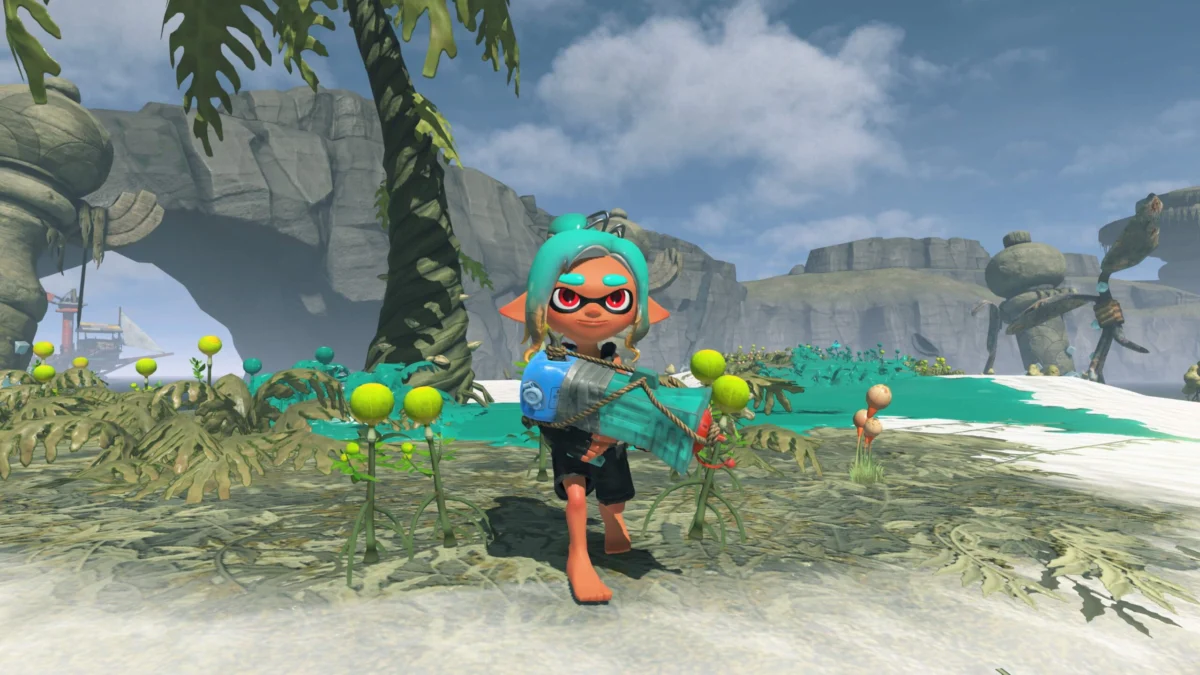
Nintendo is set to expand its most successful modern intellectual property with the launch of Splatoon Raiders on July 23, marking a significant strategic shift for the franchise as it transitions to the highly anticipated Switch 2 hardware. To commemorate the release, Nintendo has published a comprehensive installment of its "Ask the Developer" series, featuring four central figures from Nintendo’s Entertainment Planning & Development (EPD) division. The interview—featuring producer Seita Inoue, director Yoshihiko Ito, art director Koji Sonoyama, and sound director Shu Tamura—provides an unprecedented look into the creative pivot that transformed a competitive ink-based shooter into a progression-heavy, solo and cooperative looter-shooter.
The arrival of Splatoon Raiders represents more than just a new entry in a popular series; it serves as a flagship title for the Switch 2, utilizing the upgraded processing power of the new console to facilitate larger-scale encounters and more complex physics-based ink interactions. By moving away from the strictly competitive focus of the primary trilogy, Nintendo EPD is attempting to capture a different segment of the market—those who prefer the rhythmic progression of "looter-shooters" such as Destiny or Borderlands, but within the vibrant, unconventional aesthetic of the Splatoon universe.
A Strategic Departure from Competitive Traditions
Since its debut on the Wii U in 2015, the Splatoon series has been defined by its 4v4 Turf War matches. However, as the franchise matured, Nintendo identified a growing demand for robust single-player and cooperative content. This demand was partially addressed by the "Salmon Run" mode in Splatoon 2 and 3, but Splatoon Raiders is the first title to build an entire experience around PvE (Player vs. Environment) loops.
Producer Seita Inoue clarified during the "Ask the Developer" session that the decision to label the game as a spin-off rather than "Splatoon 4" was intentional. "We thought it might be interesting to create something with a slightly different approach to gameplay, where you can really savor the action on your own," Inoue stated. He reassured the core fanbase that competitive gameplay remains a pillar of the brand’s future, but emphasized that Raiders was designed to explore a different "flavor" of the world.
This move follows a broader industry trend where established franchises spin off into different genres to maintain brand relevance between major numbered releases. For Nintendo, this allows the EPD team to experiment with mechanics that might otherwise disrupt the delicate balance of competitive multiplayer.
From Tower Defense to Dynamic Action: The Development Chronology
The development history of Splatoon Raiders reveals a series of iterative experiments that nearly took the game in a vastly different direction. Director Yoshihiko Ito revealed that the project’s earliest incarnation was rooted in the "tower defense" genre. In the initial prototypes, the gameplay was centered on fortification and stationary combat.
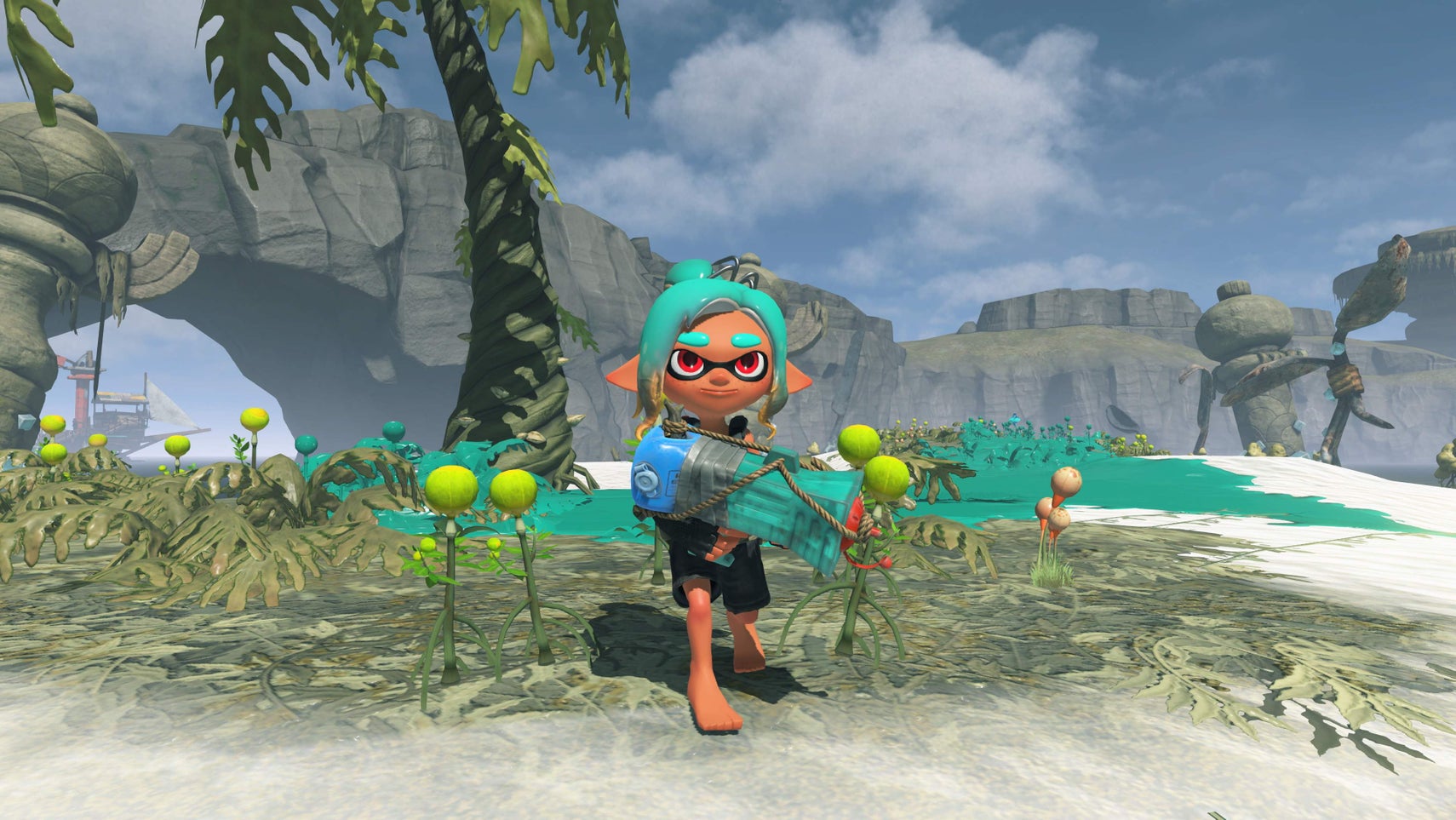
"The first thing we tried was building gameplay around placing traps," Ito explained. "The idea was to place traps all over the place and to fight alongside them." This concept was intended to capitalize on the tactical nature of inking territory, allowing players to set up ink-based hazards to slow down encroaching Salmonids. However, internal testing suggested that this approach felt passive. Developers noted that players would often build an elaborate fortress and then simply watch the game play itself, which resulted in a loss of the "Splatoon-ness"—the tactile, kinetic energy associated with the series.
To regain that sense of "unity between the player and the character," which Inoue attributes to the series’ pioneering use of gyro controls, the team scrapped the trap-heavy focus. They instead pivoted toward "gadgets"—active-use items and abilities that enhance the player’s mobility and offensive capabilities. This shift ensured that the "strong sense of action" found in the competitive titles was preserved, even when the objective shifted from painting ground to harvesting loot.
Mechanical Innovations: Gadgets and the Looter-Shooter Loop
The core gameplay of Splatoon Raiders revolves around repeatable missions where players descend into various environments to battle hordes of Salmonids and massive bosses. Unlike previous entries, where weapon stats were largely fixed for the sake of competitive balance, Raiders introduces a deep progression system. Players collect resources and "loot" from fallen enemies to upgrade their gear, creating a "power fantasy" that is new to the series.
Director Yoshihiko Ito highlighted the "ultimate multitasker" concept as the end-goal for players. By strengthening both their equipment and their personal proficiency with the game’s new gadgets, players can eventually manage overwhelming numbers of enemies simultaneously. These gadgets are not merely secondary weapons; they are transformative tools that can alter movement physics, provide defensive barriers, or unleash high-intensity ink bursts, allowing for a degree of customization previously unseen in the Splatoon world.
The inclusion of these mechanics suggests that Nintendo is looking to increase the "long-tail" engagement of the title. By incorporating repeatable missions and a loot-based economy, Splatoon Raiders is positioned to be a "live" experience that keeps players returning for better gear and higher-difficulty challenges.
Audio-Visual Evolution on Switch 2 Hardware
Art director Koji Sonoyama and sound director Shu Tamura discussed how the move to the Switch 2 hardware allowed them to push the sensory boundaries of the franchise. Splatoon has always been known for its unique "liquid" physics and high-contrast color palettes. With the increased technical overhead of the new console, the team has been able to render more fluid ink effects and higher fidelity Salmonid models, which are essential for a game that features dozens of enemies on screen at once.
Tamura’s sound design also reflects the shift in tone. While the "Inkopolis" sound is traditionally upbeat and punk-inspired, Raiders introduces more atmospheric and tense compositions to suit the solo-exploration and boss-fight focus. The audio cues are now more functional than ever, helping players track enemy movements in a 360-degree environment without the aid of teammates.

Initial Reception and Market Implications
Early critical reception for Splatoon Raiders has been largely positive. Eurogamer awarded the title a four-star review, characterizing the experience as a "hectic, often overwhelming delight." While the reviewer noted that the core loop often boils down to "blasting something and trying to stay alive," the execution of the looter-shooter mechanics within the Splatoon framework was praised for its freshness and polish.
Industry analysts suggest that Splatoon Raiders could serve as a crucial "bridge" title for the Switch 2. By launching a spin-off of a massive IP early in the console’s lifecycle, Nintendo can drive hardware adoption while saving the inevitable "Splatoon 4" for a later date when the install base is larger. Furthermore, the focus on PvE and solo play addresses a common criticism of the series—that it is too reliant on a stable internet connection and a high-skill ceiling in the competitive ladder.
Future Outlook for the Splatoon Universe
As Splatoon Raiders prepares for its global launch tomorrow, the "Ask the Developer" interview concludes with a sense of optimism about the franchise’s versatility. The transition from a competitive shooter to a looter-shooter demonstrates Nintendo’s willingness to take risks with its top-tier brands.
The success of Raiders will likely influence how Nintendo approaches other franchises on the Switch 2. If players embrace the looter-shooter progression and the solo-centric mission structure, it may pave the way for more experimental spin-offs in the future. For now, the focus remains on the Salmonid threat and the new frontier of gear-based progression. Whether Splatoon Raiders can maintain the series’ momentum in a new genre remains to be seen, but the "Rethinkling" of the formula appears to have provided a solid foundation for the next generation of Nintendo gaming.
With the launch scheduled for July 23, the global gaming community will soon discover if the shift from competitive turf wars to cooperative raiding is the evolution the franchise needs to stay ahead in an increasingly crowded market. For Nintendo, the goal is clear: to prove that the world of Splatoon is deep enough to support a variety of gameplay styles without losing the "ink-redible" charm that made it a household name.