


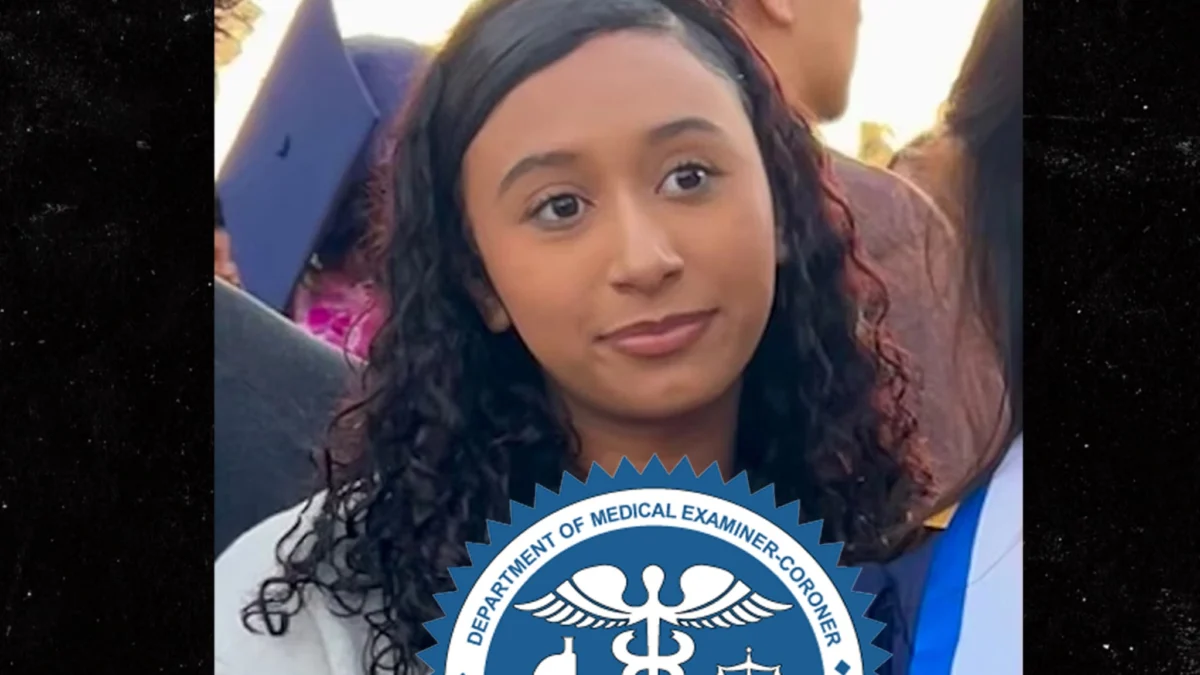
The family of Celeste Rivas has expressed profound devastation following the recent public release of autopsy findings concerning her death, which has been ruled a homicide. In the wake of these deeply distressing revelations, the Rivas Hernandez family has confirmed they will not be attending the upcoming court hearing for D4vd, who stands accused of her murder. This decision underscores the immense emotional toll the tragedy and the subsequent legal proceedings have taken on them, as they grapple with the "horrible and gruesome" details contained within the report.
A Family’s Grief and Plea for Privacy
Speaking through their legal counsel, the Rivas Hernandez family conveyed their suffering, emphasizing the "profound emotional pain" inflicted by the detailed autopsy report. They have since issued a heartfelt request for privacy, understanding, and patience from the public and media as they navigate this intensely difficult period of grief and processing. The parents of Celeste, Jesus and Mercedes Rivas, specifically stated their inability to face the accused in court, indicating the severity of their anguish. Their absence from D4vd’s scheduled hearing on Thursday highlights the personal agony that often accompanies such high-profile criminal cases, where victims’ families must balance their desire for justice with the need to protect their own emotional well-being.
The family’s statement serves as a poignant reminder of the human cost behind every statistic and headline in criminal justice. For many families who lose loved ones to violence, the legal process, while necessary, can be a prolonged and agonizing ordeal, reopening wounds with every court date and evidentiary disclosure. The decision to abstain from attending the hearing is a testament to the unbearable weight of confronting the alleged perpetrator and the graphic details of their daughter’s final moments.
Delayed Revelations and the Quest for Transparency
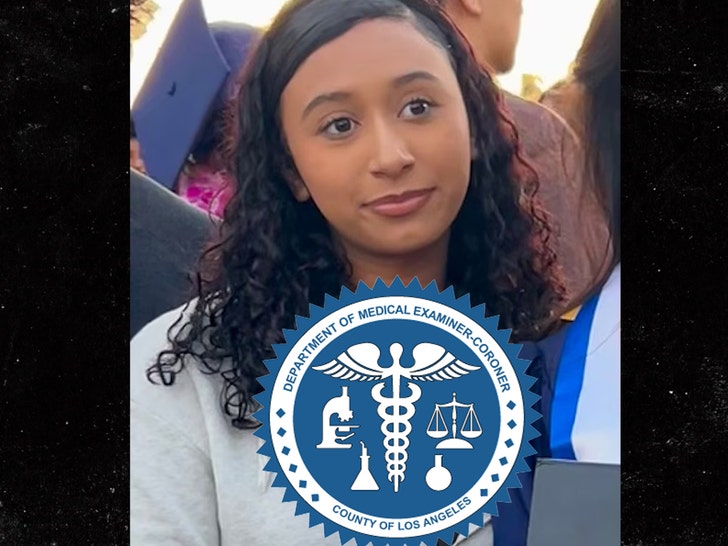
A critical aspect of this unfolding tragedy has been the protracted delay in making the official autopsy findings public. The Los Angeles County Medical Examiner’s office had, in fact, determined Celeste Rivas’s cause and manner of death on December 9, months before the recent public disclosure. However, these crucial findings were withheld from public view due to a court-ordered security hold, a measure typically requested by law enforcement agencies like the Los Angeles Police Department (LAPD) to protect the integrity of an ongoing investigation.
Such security holds are not uncommon in complex criminal investigations, particularly in homicide cases. Their primary purpose is to prevent the premature release of information that could compromise the investigation, alert suspects, taint potential jury pools, or interfere with witness testimony. While legally justified, these holds often come at a significant emotional cost to the grieving families, who are left in agonizing suspense, awaiting official confirmation and details surrounding the death of their loved one.
Dr. Odey Ukpo, the L.A. County Medical Examiner, has openly expressed his concern regarding this delay, stating it is "unfathomable" that the grieving family had to endure such a prolonged wait for answers. His comments underscore a broader debate within the justice system about the balance between investigative necessity and the public’s right to information, especially for the immediate family members of victims. Dr. Ukpo further emphasized the critical importance of transparency, not only for ensuring accountability within the legal system but also for helping communities comprehend and, hopefully, prevent similar tragedies in the future. This stance highlights the ethical responsibilities of public offices to maintain trust and facilitate healing, even amidst the stringent requirements of criminal investigations.
Chronology of a Developing Case
The timeline of events in Celeste Rivas’s case outlines a progression from discovery to arrest and, now, to the initial stages of legal proceedings:
- Prior to December 9, 2025: Celeste Rivas’s death occurred, prompting an investigation by the LAPD.
- December 9, 2025: The Los Angeles County Medical Examiner officially determined the cause and manner of Celeste Rivas’s death. Concurrently, a court-ordered security hold was placed on these findings at the request of the LAPD, citing ongoing investigative needs.
- April 16, 2026 (Approximately one week prior to current report): Authorities arrested D4vd in connection with Celeste Rivas’s murder. Following the arrest, D4vd was formally charged with the murder.
- April 22, 2026: The security hold on the autopsy findings was lifted, and the report was publicly released. The Rivas Hernandez family subsequently issued a statement expressing their devastation and confirming their non-attendance at the upcoming hearing. Dr. Odey Ukpo, the L.A. County Medical Examiner, also voiced his concerns regarding the delay in information release.
- April 24, 2026 (Upcoming Thursday): D4vd’s hearing is scheduled to take place, where initial legal proceedings will continue.
This chronology reveals a period of several months during which the family was aware of their daughter’s death but kept from specific details regarding its nature, while law enforcement worked to build a case against a suspect. The lifting of the security hold and the subsequent public release of the autopsy details marks a significant turning point, allowing the family and the public to finally gain insight into the circumstances of Celeste Rivas’s tragic passing.
The Autopsy Report: A Grim Revelation
The Medical Examiner’s report ultimately ruled Celeste Rivas’s death a homicide, attributing the cause to multiple "penetrating injuries" inflicted by unspecified object(s). While the report provides a definitive cause of death, the specifics regarding the weapon or instruments used remain undisclosed, likely to protect ongoing aspects of the prosecution’s case or due to the nature of the injuries themselves.
In forensic pathology, "penetrating injuries" refer to wounds where an object pierces the skin and enters a body cavity or organ. The term "multiple" indicates more than one such injury, suggesting a violent and sustained assault. The nature of these findings underscores the "horrible and gruesome" description used by the family’s attorney, painting a stark picture of the violence Celeste Rivas endured. The autopsy report is a critical piece of evidence in any murder trial, providing objective medical findings that can corroborate witness testimony, establish a timeline of events, and shed light on the nature of the crime. It forms a cornerstone of the prosecution’s case, providing factual evidence of the harm caused.
The Legal Landscape: Charges and Upcoming Proceedings
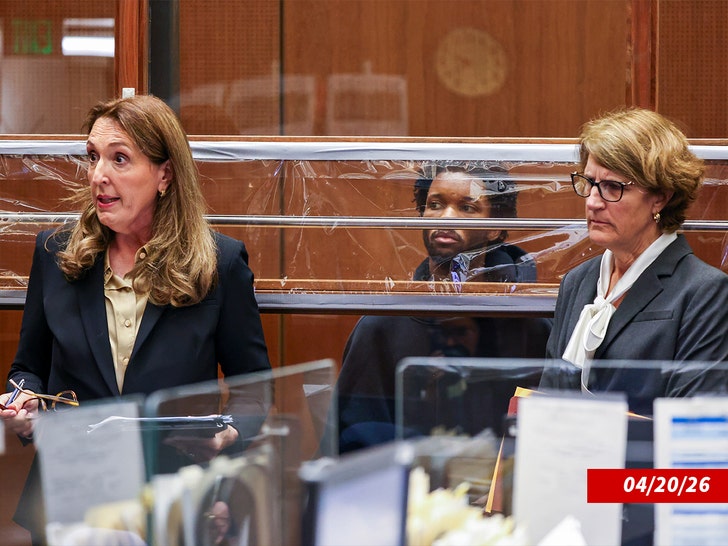
Following his arrest, D4vd has been formally charged with the murder of Celeste Rivas. In the American justice system, a murder charge is one of the most serious accusations an individual can face, carrying potentially severe penalties. The upcoming hearing for D4vd on Thursday will likely involve procedural matters, such as a preliminary hearing to determine if there is sufficient evidence to proceed to trial, or discussions regarding bail, if applicable. During such hearings, the defense typically has the opportunity to challenge the prosecution’s evidence and arguments.
For D4vd, facing a murder charge means a complex and lengthy legal battle ahead. He will be represented by legal counsel, who will work to build a defense. The legal process is designed to ensure due process and a fair trial for the accused, irrespective of the gravity of the charges. This involves stages such as arraignment, preliminary hearings, discovery (where both sides exchange evidence), pre-trial motions, and ultimately, if no plea agreement is reached, a full trial. Each step is meticulously designed to uphold the principles of justice and ensure that all evidence is properly presented and scrutinized.
Broader Implications: Transparency vs. Investigative Integrity
The situation surrounding the delayed release of Celeste Rivas’s autopsy report highlights a recurring tension within the criminal justice system: the delicate balance between the need for law enforcement to conduct thorough, uncompromised investigations and the public’s, and especially victims’ families’, right to transparency and information. While security holds are crucial tools for investigators, their protracted application can erode public trust and inflict further trauma on those already suffering immense loss.
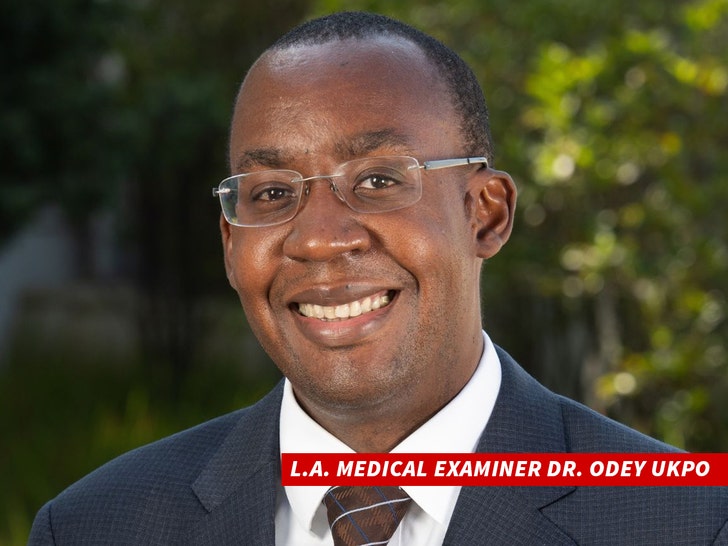
Dr. Ukpo’s comments about the unfathomable delay and the importance of transparency resonate with broader calls for reforms aimed at streamlining information flow without jeopardizing justice. This case may prompt further discussions within Los Angeles County and potentially beyond, regarding protocols for security holds on medical examiner reports. Questions may arise about whether mechanisms can be improved to provide sensitive information to immediate family members earlier, perhaps under strict confidentiality agreements, while still preserving the integrity of ongoing investigations. Such considerations aim to mitigate the emotional burden on families while upholding the investigative imperative.
The Rivas Hernandez family’s devastating experience serves as a powerful illustration of how procedural delays, even those with legitimate investigative rationales, can profoundly impact grieving individuals. Their plea for privacy and their decision to forgo attending the hearing reflect a deep personal pain that extends beyond the legal framework of the case. As the legal proceedings against D4vd continue, the focus will remain on achieving justice for Celeste Rivas, while the broader implications of this case may contribute to ongoing dialogues about transparency, victim support, and the human element within the justice system. The community, like the family, now awaits the further unfolding of legal processes, hoping for a resolution that brings accountability and a measure of peace.