


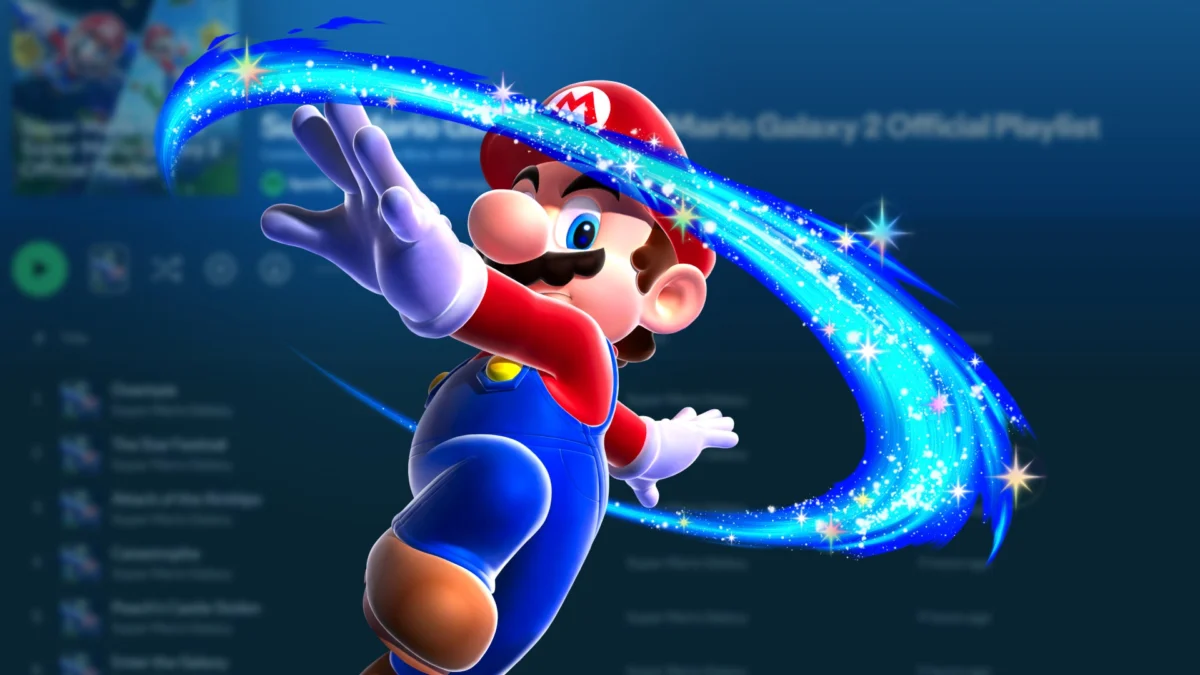
In a move that signals a significant shift in its long-standing digital rights management strategy, Nintendo has officially uploaded a curated selection of tracks from the Super Mario Galaxy and Super Mario Galaxy 2 original soundtracks to Spotify. This development marks the first time the Kyoto-based gaming giant has utilized a major third-party streaming platform to distribute its iconic musical library. While the move has been met with enthusiasm from the global fan base, it arrives with several notable caveats, including a restricted track list, a temporary availability window, and platform exclusivity that leaves users of Apple Music, Amazon Music, and YouTube Music without access.
The release is strategically timed to coincide with the theatrical window of The Super Mario Galaxy Movie. Despite receiving polarized critical reviews, the film has maintained a strong presence at the global box office, driven by the enduring popularity of the Mario franchise. Industry analysts suggest that the Spotify debut is a calculated marketing maneuver designed to capitalize on the "halo effect" of the cinematic release, providing a legal avenue for moviegoers to experience the orchestral scores that define the Super Mario Galaxy era.
A Strategic Shift in Audio Distribution
For decades, Nintendo has been characterized by a protectionist approach to its intellectual property, particularly regarding its music. The company has historically issued DMCA takedown notices against YouTube channels and fan-operated repositories that hosted game soundtracks. This latest collaboration with Spotify represents a departure from that insular philosophy. However, the "special selection" nature of the upload suggests that Nintendo is not yet ready to fully embrace the open-streaming model.
Unlike competitors such as Bandai Namco, Sega, or Square Enix, which have uploaded expansive portions of their back catalogs to streaming services permanently, Nintendo has designated this release as a "limited-time" event. The specific duration of this availability has not been disclosed, creating a sense of urgency for listeners. Furthermore, the selection excludes several deep cuts from the two games, focusing instead on high-profile themes such as "Gusty Garden Galaxy" and "Cosmic Cove."
The Cinematic Catalyst: The Super Mario Galaxy Movie
The impetus for this digital distribution appears to be the 2026 release of The Super Mario Galaxy Movie. The film, which adapts the gravity-defying mechanics and interstellar themes of the 2007 and 2010 Wii titles, relies heavily on the musical motifs established by composers Mahito Yokota and Koji Kondo. While some critics have labeled the film’s narrative as "brutal" and disjointed, the orchestral score has been a point of universal praise.
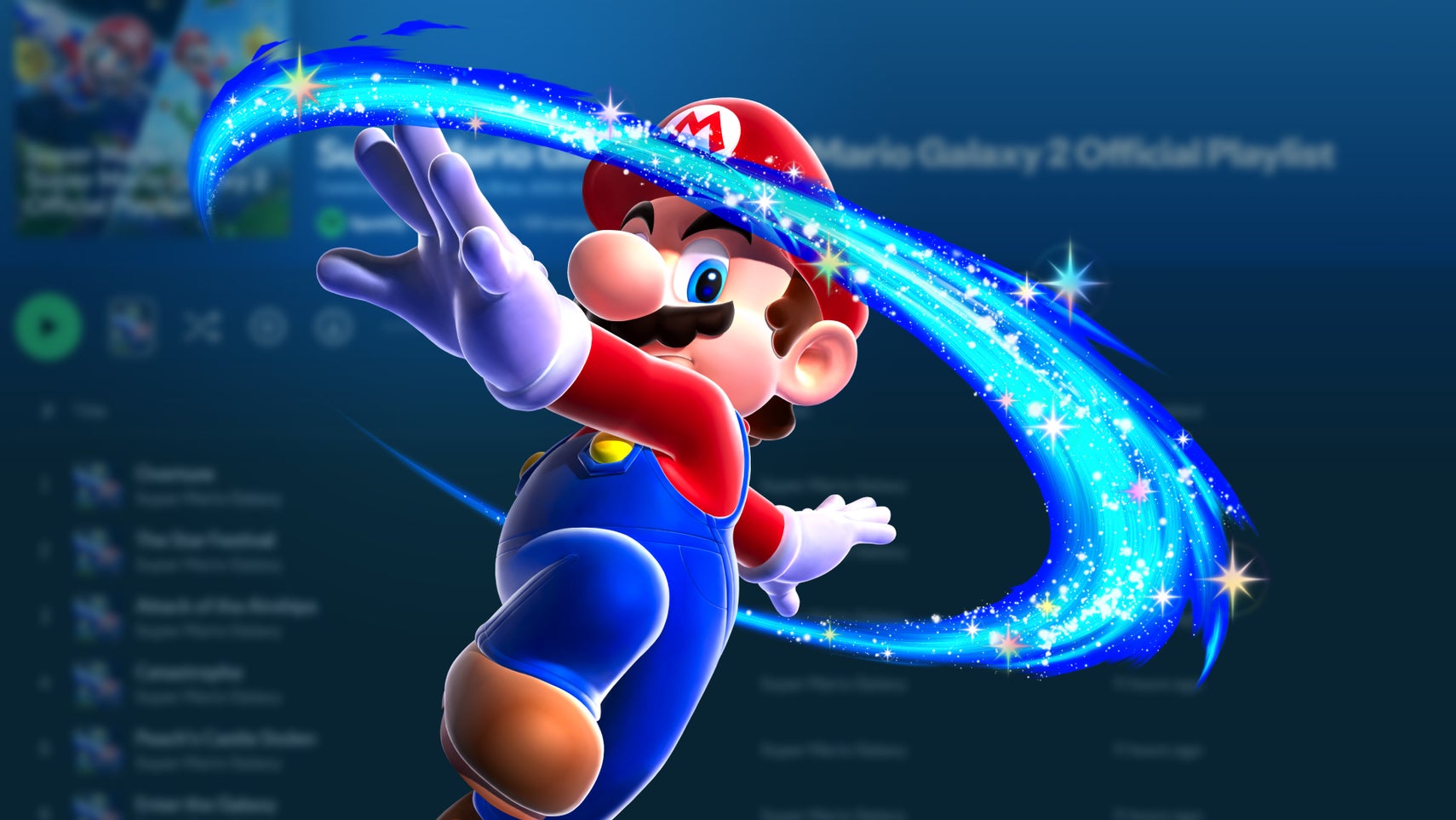
By placing a selection of these tracks on Spotify, Nintendo is targeting the casual consumer who may have been introduced to the franchise through the film. Market data indicates that soundtrack searches typically spike in the forty-eight hours following a major film’s opening weekend. By securing a presence on the world’s largest streaming platform during this window, Nintendo ensures that the brand remains at the forefront of the cultural conversation, even for those who do not own a Nintendo Switch console.
Comparative Analysis: Nintendo Music vs. Global Streaming Giants
The Spotify release is particularly intriguing when viewed alongside the "Nintendo Music" app, which launched in late 2024. The proprietary application was designed as a value-added service for Nintendo Switch Online (NSO) subscribers, offering a deep library of music from titles such as Animal Crossing: New Horizons, Star Fox 64, Metroid, Kirby, and Fire Emblem.
Recent usage reports from late 2025 indicate that the Nintendo Music app has surpassed one million downloads. While successful within the niche of the Nintendo ecosystem, this figure pales in comparison to Spotify’s Q4 2025 user base, which is estimated at approximately 751 million active users. The decision to branch out to Spotify may be interpreted as an acknowledgment of the limits of a closed ecosystem.
Economically, the move creates a "freemium" funnel. Casual listeners can enjoy a handful of tracks on Spotify for a limited time, but those seeking the full, permanent library—complete with features like 15-minute, 30-minute, or 60-minute track looping and "spoiler-free" filters—are encouraged to subscribe to Nintendo Switch Online and utilize the dedicated Nintendo Music app. This "catch and release" strategy allows Nintendo to maintain the prestige of its library while still reaching a mass-market audience.
Chronology of Nintendo’s Digital Music Evolution
To understand the significance of the Super Mario Galaxy Spotify debut, one must look at the timeline of Nintendo’s evolving relationship with digital media:
- 2010–2022: Period of aggressive litigation. Nintendo frequently removes fan-uploaded soundtracks from YouTube, citing copyright infringement, while offering no official digital alternative for purchase or streaming.
- February 2022: The closure of the Wii U and 3DS eShops begins, further limiting the ways fans can legally access older titles and their associated media.
- October 2024: Launch of the "Nintendo Music" smartphone app. This marks the first official, large-scale digital repository for Nintendo OSTs, restricted to NSO members.
- Late 2025: Nintendo announces a partnership to release high-end vinyl collections for The Legend of Zelda: Breath of the Wild, signaling a willingness to explore physical and third-party distribution.
- Early 2026: The Super Mario Galaxy Movie premieres. Weeks later, Nintendo debuts the "special selection" of the game’s OST on Spotify, marking its first foray into mainstream third-party streaming.
Musical Legacy: The Innovation of Mahito Yokota
The choice of Super Mario Galaxy for this experiment is not coincidental. The 2007 title was a landmark for Nintendo as it featured the company’s first major symphonic score. Led by Mahito Yokota, the music was performed by the "Mario Galaxy Orchestra," a 50-piece ensemble. Yokota’s work was initially met with resistance from Koji Kondo, who felt that orchestral music might not suit the "pop" feel of a Mario game. However, upon hearing the demo for "Gusty Garden Galaxy," Kondo approved the direction, leading to what is widely considered one of the greatest soundtracks in video game history.

The Super Mario Galaxy 2 soundtrack expanded on this foundation, adding big-band jazz elements and more complex arrangements. By selecting these specific titles for the Spotify debut, Nintendo is showcasing its most "prestige" musical assets—works that hold up as standalone orchestral pieces regardless of their connection to gaming.
Industry Implications and Ethical Considerations
The partnership with Spotify has not been without its critics. Within the music industry, Spotify has faced ongoing scrutiny regarding its compensation models for artists and its past involvement in controversial advertising campaigns, such as those for U.S. Immigration and Customs Enforcement (ICE) recruitment. Nintendo, a company that prides itself on a family-friendly and highly controlled brand image, has traditionally avoided platforms that could associate its characters with political or ethical controversies.
Furthermore, the "limited-time" nature of the deal highlights a growing concern in the digital age: the ephemeral nature of licensed content. As Nintendo tests the waters of the "streaming wars," fans are left wondering if their favorite tracks will disappear as suddenly as they arrived. This strategy mirrors the "Disney Vault" model of the 1990s, where home video releases were made available for short windows to drive artificial scarcity.
Future Outlook: A New Standard for Nintendo?
The industry is now watching to see if this Spotify experiment will extend to other flagship franchises. If the Super Mario Galaxy selection yields high engagement and drives an uptick in Nintendo Switch Online subscriptions, it is highly probable that soundtracks for The Legend of Zelda, Metroid Prime, or Donkey Kong Country could follow suit, particularly as their respective film or game sequels approach release.
For now, the Spotify upload serves as a bridge between the core gaming community and the broader entertainment market. It acknowledges that in 2026, music discovery happens on global platforms, not just within proprietary apps. Whether this leads to a permanent presence on services like Apple Music or remains a transient marketing tool depends entirely on the data gathered during this trial period.
Ultimately, while the move is "un-Nintendo" in its surrender of platform exclusivity, it is "very Nintendo" in its careful, limited, and highly controlled execution. For the millions of fans who have hummed the melodies of the Lumas and the Comet Observatory for nearly two decades, the ability to finally add these tracks to a standard workout or commute playlist is a long-overdue milestone in the company’s digital history.