



The landscape of modern game development is increasingly defined by the tension between tightly guarded intellectual property and the digital forensics of the internet age. Nightdive Studios, a developer renowned for its meticulous restoration of classic titles, has found itself at the center of this dynamic following the confirmation of The Tarnished Mirror, a previously unannounced expansion campaign for its upcoming remaster of the seminal 1998 stealth title, Thief: The Dark Project. This confirmation arrives in the wake of a significant Steam backend data leak that inadvertently disclosed the project’s existence to the public, forcing the studio to shift its marketing strategy to address the revelation directly.
A Chronology of the Leak and Confirmation
The sequence of events leading to the official announcement began in late October, when a mass leak of Steam achievements surfaced on various community forums and social media platforms. The data, which included references to several unannounced projects, specifically listed "The Tarnished Mirror" alongside the entry for the Thief: The Dark Project Remastered. This breach of confidentiality is part of a growing trend in the gaming industry, where data mining of store-front backends often outpaces official corporate press cycles.
Rather than issuing a standard correction or ignoring the leak, Nightdive Studios opted for a strategy of self-aware transparency. On the heels of the speculation, the studio released a short, cinematic teaser video. The footage features the series’ iconic protagonist, the master thief Garrett, who observes the sudden loss of secrecy with a characteristically dry wit, stating, "Huh… not so secret anymore, is it?" This acknowledgment serves to bridge the gap between the studio’s original marketing timeline and the reality of the leaked information. The teaser concludes with the reveal of the official logo for The Tarnished Mirror and confirmation that a comprehensive presentation of the project is scheduled for November 2.
Contextualizing the Thief Legacy
To understand the weight of this announcement, one must consider the historical significance of Thief: The Dark Project. Developed by Looking Glass Studios and released in 1998, the original game is widely credited with establishing the foundational mechanics of the first-person stealth genre. By emphasizing sound propagation, light-based concealment, and non-lethal navigation, it created a paradigm that influenced decades of subsequent design, including titles like Dishonored and the Deus Ex series.
Nightdive Studios, which first announced its intention to remaster the title in June of this year, has established a reputation for "preserving the spirit" of classic games while modernizing them for contemporary hardware. Their previous work, including the highly acclaimed System Shock remake, demonstrated a commitment to balancing nostalgia with modern performance standards. The announcement of a new, original campaign—The Tarnished Mirror—suggests that Nightdive is moving beyond mere graphical restoration and into the realm of substantial creative expansion. This is a significant pivot for the studio, as it implies they have secured the resources and the artistic mandate to add original narrative content to an established masterpiece.
Technical Expectations and Modernization
The broader Thief: The Dark Project Remastered project is positioned to address the limitations of the original 1998 engine. According to previous developer statements, the remaster will incorporate several key quality-of-life enhancements designed to make the game accessible to a modern audience without compromising the punishing difficulty of the original experience.
The core technical upgrades announced to date include:

- Visual Fidelity: A transition to high-resolution textures and updated lighting models, likely utilizing modern rendering pipelines to support the game’s core mechanics of shadow and darkness.
- Performance Targets: The implementation of 4K resolution support and high-refresh-rate output, targeting up to 120 frames per second, which is a significant departure from the original’s 30fps cap.
- Interface Overhauls: The introduction of a dedicated weapon and gadget selection wheel, replacing the clunky inventory systems of the late 90s, alongside a mission selector to improve navigation and replayability.
The addition of The Tarnished Mirror represents a major value proposition for the remaster. By creating a new campaign, Nightdive is effectively treating the project as a "Definitive Edition" that competes with contemporary indie titles, rather than a niche historical curiosity.
Implications for the Remaster Industry
The decision to include a new campaign in a remaster project is a noteworthy development in the current gaming market. Historically, remasters have been evaluated based on their fidelity to the source material—the closer the game feels to the original, the more successful the remaster is deemed to be. However, Nightdive’s approach suggests a shift toward the "Remake-Plus" model, where the developer adds value through new content that sits alongside the original campaign.
Industry analysts suggest that this strategy is a response to the "saturation of nostalgia." With so many classic titles being revisited, developers are increasingly tasked with finding ways to differentiate their products. By adding The Tarnished Mirror, Nightdive is providing a compelling reason for veterans of the original 1998 release to return to the game, while also enticing new players who might find the original’s length or pacing intimidating.
Official Stance and Future Outlook
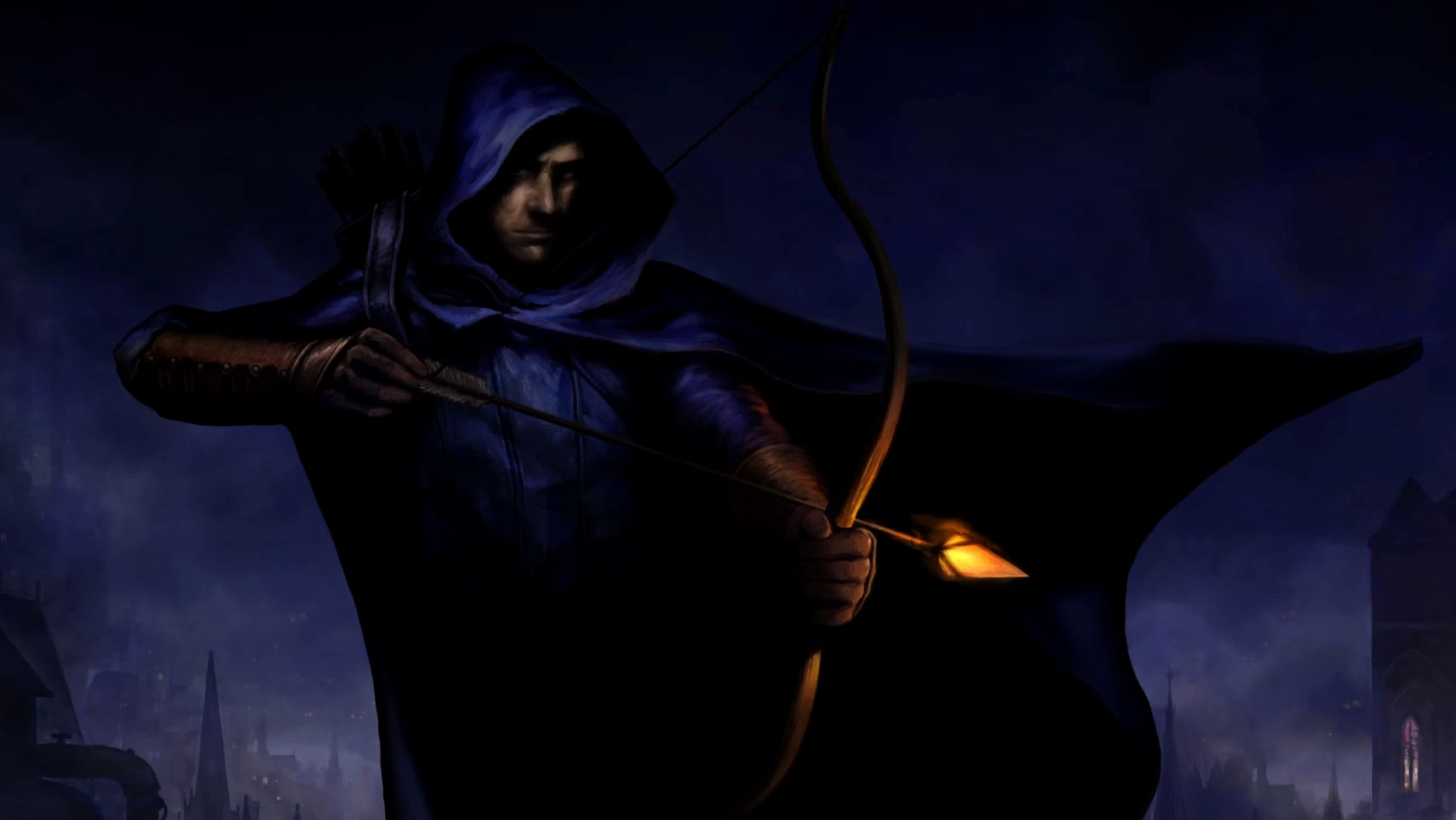
While Nightdive Studios has been tight-lipped regarding the specific narrative beats of The Tarnished Mirror, the inclusion of new artwork by illustrator Alexandru "Dominus" Negoita provides a glimpse into the aesthetic direction of the project. The promotional material leans heavily into the dark, Victorian-industrial, and supernatural themes that define the Thief universe.

The studio’s reliance on a "leak-first, confirm-second" communication strategy appears to have been successful in maintaining positive community sentiment. By leaning into the humor of the situation rather than issuing a legalistic or defensive statement, Nightdive has maintained its reputation for being a developer that is "in on the joke" with its audience.
Looking forward, the November 2 reveal is expected to provide concrete details regarding the length of the new campaign, the involvement of original creative staff, and a projected release window for the full collection. As the industry watches, the success of The Tarnished Mirror will likely set a benchmark for future projects of this nature. If successful, it may prove that there is a viable, robust market for expanding classic games rather than simply polishing their surfaces.
For the community of "Thief" fans, many of whom have kept the game alive through decades of fan-made missions and mods, this announcement is a validation of the game’s enduring cultural relevance. The transition of "The Tarnished Mirror" from a line of text in a backend database to an official, expanded campaign signifies a new chapter for the franchise—one that respects its roots while boldly looking toward the future of the stealth genre. Whether the new content can live up to the high bar set by Looking Glass Studios in the late 1990s remains the central question for the upcoming reveal, but the industry’s attention is firmly locked on the shadows once again.