


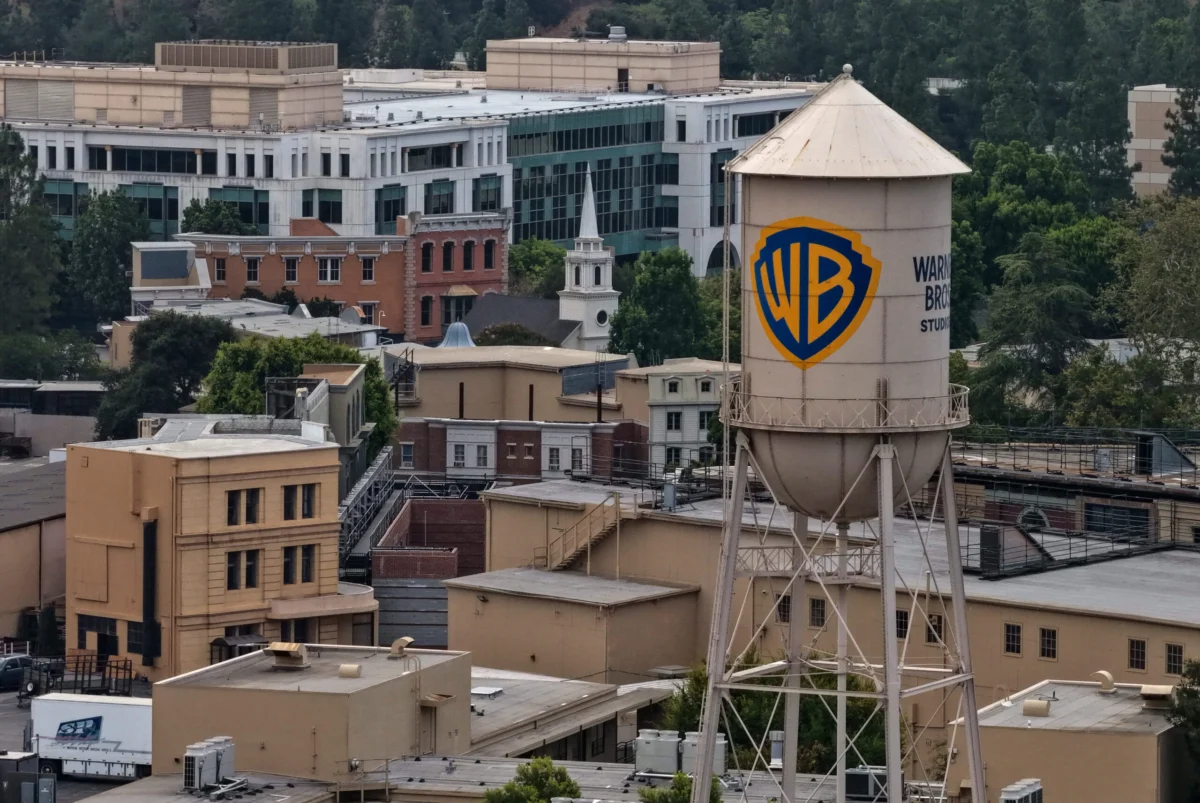
The media landscape, once defined by aggressive consolidation and rapid digital expansion, has shifted into a state of precarious stagnation for Warner Bros. Discovery (WBD). What began as a bold blueprint to split the entertainment giant into two distinct entities—a film and streaming powerhouse on one side and a global linear television network on the other—has been effectively sidelined. The company, which owns iconic assets ranging from the HBO prestige catalog to a sprawling portfolio of cable networks, now finds itself tethered to a $110 billion acquisition agreement with David Ellison’s Paramount Skydance that remains trapped in the gears of antitrust litigation.
A Chronology of Stalled Momentum
The trajectory of WBD’s recent history is marked by a sudden transition from hyper-activity to a holding pattern. In the summer of 2025, WBD leadership unveiled an ambitious plan to bifurcate its operations, seeking to isolate its legacy linear television business from its high-growth streaming and film units. At that time, CEO David Zaslav and CFO Gunnar Wiedenfels were actively laying the groundwork for a future where WBD would operate with two distinct management teams, each tailored to the specific challenges of their respective sectors.
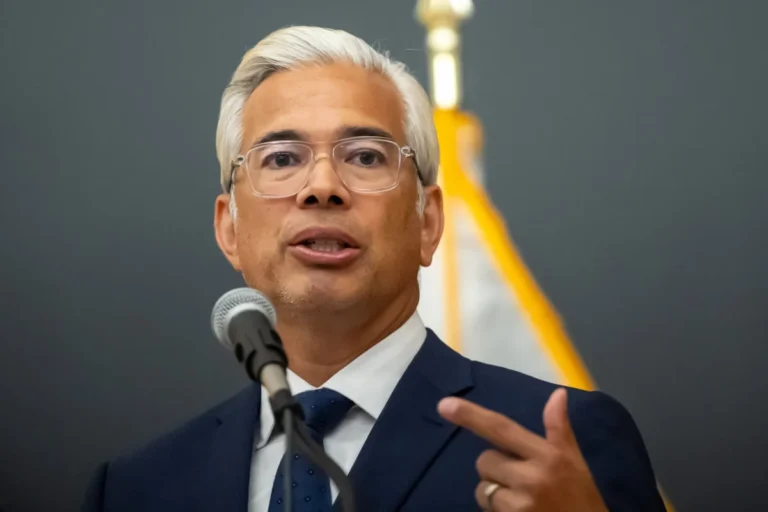
However, the landscape shifted dramatically by the autumn of 2025. The initiation of a formal sale process and the subsequent entry of Paramount Skydance as a suitor forced the company to pivot. By July 2026, the deal—touted as a transformative moment for the industry—faced a significant roadblock when a coalition of states led by California Attorney General Rob Bonta filed a lawsuit to block the merger. This legal challenge, centered on antitrust concerns, has effectively halted the structural reorganization WBD had envisioned. As of late August 2026, preliminary settlement talks between state regulators and Paramount have faltered, leaving the future of the $31-per-share agreement in doubt.
The Financial Architecture of the Deal
The proposed $110 billion price tag represents a significant valuation for WBD, but the mechanics of the deal are increasingly complicated by the passage of time. Paramount’s agreement to acquire WBD at $31 per share was predicated on a timeline that assumed a standard regulatory review. The current delay has triggered "ticking fee" provisions, which function as a penalty mechanism for Paramount, incrementally increasing the deal’s total value the longer the merger remains unconsummated.
From a financial standpoint, the delay creates a paradox. While the ticking fee protects WBD shareholders against a lower valuation, it simultaneously adds financial pressure on the acquiring party, potentially complicating Paramount’s ability to execute a seamless integration. Analysts at firms such as MoffettNathanson have noted that both WBD and Paramount operate subscale streaming platforms independently. The central thesis for the merger was that a combined entity would possess the scale necessary to compete with industry titans like Disney and Amazon, as well as digital-native giants like Netflix and YouTube. Without this consolidation, both companies remain vulnerable to the intensifying competition for consumer attention and advertising dollars.

Navigating the Interim Operating Covenants
While the merger remains in regulatory purgatory, WBD is not entirely incapacitated. Under the terms of the merger agreement, the company is governed by interim operating covenants that allow it to continue day-to-day business functions. These provisions were negotiated specifically to prevent the company from stagnating while awaiting government approval.
According to internal sources familiar with the matter, these covenants allow WBD to maintain its operations as an independent entity, with explicit language ensuring that Paramount cannot "unreasonably withhold" permission for essential business activities. This has allowed WBD to continue its aggressive licensing strategy. By offloading premium content—such as the HBO library—to platforms like Netflix and various ad-supported streaming services, WBD has successfully turned its intellectual property into a steady revenue stream.
During the most recent earnings call, CFO Gunnar Wiedenfels emphasized that demand for WBD’s content remains robust. The licensing model has proven to be a vital hedge against the volatility of the linear television market, which continues to face systemic decline as cord-cutting accelerates. However, these successes are increasingly seen as stop-gap measures rather than long-term strategic growth.
The Streaming Dilemma and Market Competition
The streaming industry is currently undergoing a structural transformation, with a move toward bundling and platform integration. NBCUniversal’s recent decision to embed Peacock content within YouTube Premium has set a new benchmark for cross-platform cooperation. While David Zaslav has long been an proponent of the bundling model, the pending merger with Paramount makes it difficult for WBD to enter into long-term, high-value partnerships with other media peers.
If WBD were to strike a significant alliance with a third party now, such an agreement might be rendered obsolete or complicated by the impending integration with Paramount+. As a result, WBD is essentially frozen in a state of "wait and see." This lack of agility is particularly concerning as competitors continue to innovate and expand their market share. The longer the merger is delayed, the more lead time competitors have to cement their positions, potentially diminishing the market value of the assets Paramount is seeking to acquire.
Regulatory Hurdles and Potential Remedies
The antitrust lawsuit filed by California Attorney General Rob Bonta highlights a growing trend of state-level intervention in major media M&A. Bonta has indicated that any resolution to the current impasse would require "robust structural remedies," particularly regarding the concentration of power in the film studio and pay-TV sectors.

This has sparked widespread speculation regarding potential asset divestitures. Industry insiders and investment bankers are already identifying which parts of the WBD empire might be sold to appease regulators. New Line Cinema, a storied production house with a deep portfolio of high-value franchises like The Lord of the Rings and Mortal Kombat, is widely viewed as a primary candidate for divestiture. Similarly, the Turner networks—specifically TNT and TBS—along with lifestyle brands such as HGTV, could be spun off to reduce the footprint of the combined entity.
The implication for the broader industry is profound. If the California-led effort to block the WBD-Paramount deal succeeds in forcing significant divestitures, it could create a precedent that discourages future mega-mergers in the media space. Conversely, if the parties manage to reach a settlement, it may set a blueprint for how large-scale media combinations can be structured to satisfy diverse regulatory concerns.
Strategic Outlook: The Path Forward
As WBD approaches the end of 2026, it remains focused on hitting its target of 150 million global streaming subscribers. While record-breaking revenue growth in the streaming segment was a highlight of the most recent quarterly report, management has cautioned that such growth rates are unlikely to be sustained. Future expansion is expected to rely on the ad-supported tier and incremental growth in smaller, previously untapped international markets.
The central question facing WBD leadership is no longer just about optimizing the business; it is about surviving the transition to a post-merger reality that remains perpetually just out of reach. For now, the company is walking a tightrope. It must maintain operational excellence to satisfy its shareholders and meet its financial obligations, all while adhering to the restrictive covenants of a deal that is increasingly viewed with skepticism by state regulators.
Tom Rogers, a veteran of the media industry and senior advisor to Versant Media Group, suggests that the incentive to close the deal remains strong for all parties involved. "This is as good a deal as Warner Bros. Discovery is going to get," Rogers noted. "They are going to have a difficult time totally walking away here with no more than a breakup fee."
Ultimately, WBD’s immediate future will be decided in the courtrooms and at the negotiating tables where the terms of the Paramount merger are being contested. Until those legal battles conclude, the company remains a powerful, high-value, but fundamentally constrained participant in a media landscape that is rapidly moving on without it. The "whiplash" felt by the organization reflects a broader industry-wide anxiety: the realization that even the most well-capitalized media firms are subject to the volatile intersection of creative ambition, shifting consumer behavior, and increasingly aggressive government oversight.