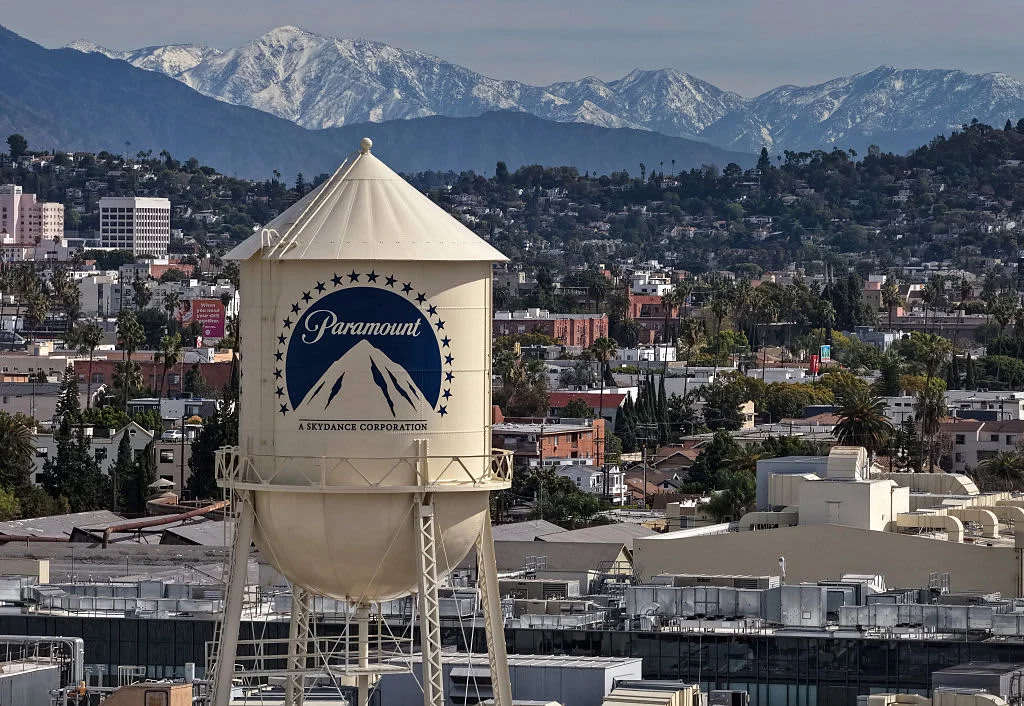
The National Football League and Paramount Skydance have entered the advanced stages of negotiations to renew the media rights agreement that keeps the league’s Sunday afternoon game package on CBS, marking a pivotal moment in the rapidly evolving sports broadcasting landscape. According to sources familiar with the private discussions, the two entities are currently navigating a bid-ask spread with a midpoint price increase of approximately 50% to 60%. Given that CBS currently pays an average of $2.1 billion annually for its Sunday slate, a 50% surge would elevate the network’s yearly commitment to more than $3 billion.
This high-stakes negotiation is not merely a financial adjustment but a strategic restructuring of one of the most lucrative partnerships in entertainment. In exchange for the substantial revenue increase, the NFL has reportedly agreed to eliminate a critical opt-out clause originally slated for the 2029-30 season. This clause was a component of the landmark 11-year, $110 billion media rights master agreement signed in 2021, which runs through the 2033-34 season. By removing this "trap door," the NFL provides Paramount Skydance with long-term stability, ensuring that CBS remains the home of the AFC-heavy Sunday package for the next eight years without the threat of a mid-contract termination.
The Catalyst: Merger Dynamics and Change-of-Control Provisions
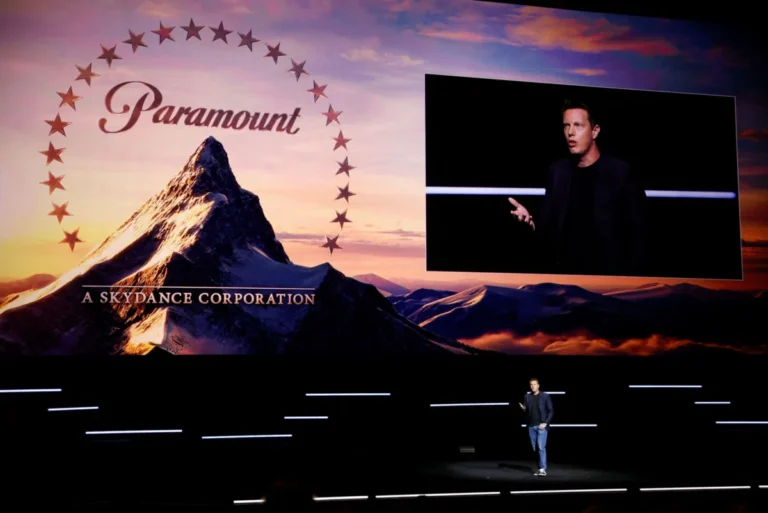
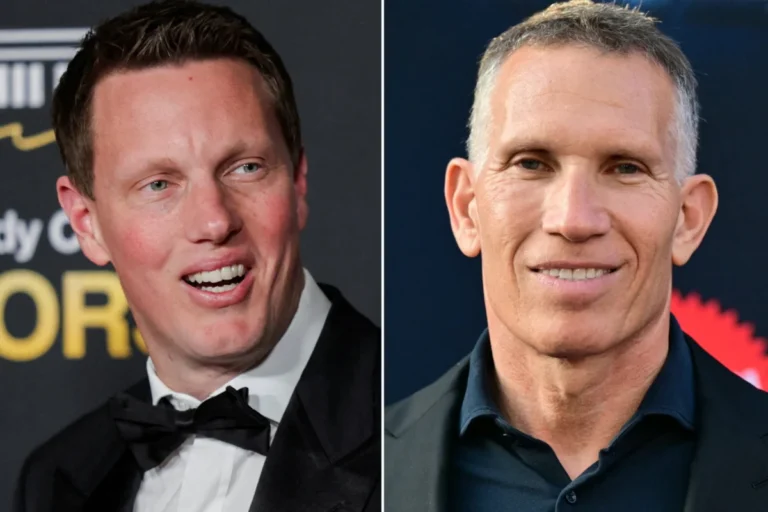
The impetus for these early negotiations stems from a "change-of-control" provision triggered by Skydance Media’s recent acquisition of Paramount Global. Following the FCC’s approval of the $8 billion merger in July 2025, the NFL gained the legal leverage to potentially terminate its contract with CBS by 2027. Rather than risk losing its "anchor tenant" status, Paramount Skydance CEO David Ellison has moved aggressively to solidify the relationship.
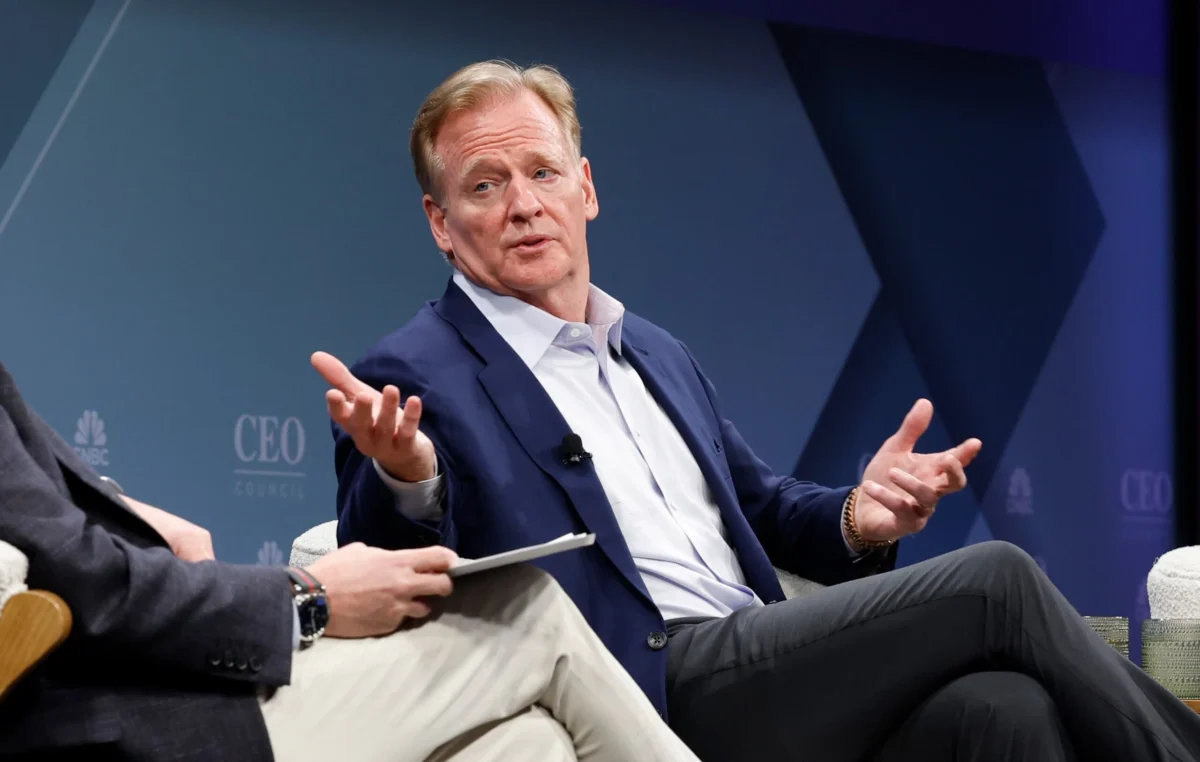
During a recent appearance at the CNBC CEO Council in Arizona, NFL Commissioner Roger Goodell signaled that the league is focused on stability despite the shifting corporate structures of its partners. For Paramount, the stakes are equally high. The company’s adjusted EBITDA (earnings before interest, taxes, depreciation, and amortization) for 2026 is projected at $3.6 billion. However, if the proposed merger between Paramount and Warner Bros. Discovery (WBD) receives regulatory clearance, the combined entity’s adjusted EBITDA is projected to soar to $18 billion.
Securing the NFL is viewed as a prerequisite for the success of such a massive media conglomerate. David Ellison emphasized this during a recent investor call, stating that the NFL remains one of the company’s most vital partners, particularly following a historic 2024-25 season that saw record-breaking viewership for Super Bowl LVIII and the subsequent 2026 Super Bowl at Levi’s Stadium.
A Chronology of the NFL’s Media Rights Evolution
To understand the magnitude of the current $3 billion-plus ask, one must look at the trajectory of NFL rights over the last two decades.
- The 2011 Agreements: The NFL secured roughly $3 billion per year in total from all its partners combined.
- The 2021 Landmark Deal: The league shattered records with an 11-year agreement worth over $10 billion annually. CBS, NBC, and Fox saw their payments nearly double, while Amazon Prime Video became the first all-digital exclusive partner for Thursday Night Football.
- The 2025-26 Pivot: With the rise of the "Mega-Merger" era (Skydance/Paramount and potentially Paramount/WBD), the NFL is leveraging corporate restructuring to reset the market floor.
The current negotiation with CBS is expected to set the benchmark for the league’s other broadcast partners. Fox, which pays roughly $2.2 billion for its Sunday afternoon package, is widely expected to be the next network at the negotiating table. Fox CEO Lachlan Murdoch has indicated that while the relationship is mutually beneficial, the network will have to "rebalance" its other sports investments to accommodate the rising costs of the NFL.
The Competitive Landscape: Fox, Amazon, and the Disney Dilemma
While the NFL has prioritized CBS due to the change-of-control clause, a broader ripple effect is moving through the industry. NBCUniversal (Comcast), Amazon Prime Video, and Fox all face the same 2029-30 opt-out clause. Disney, which operates ESPN and ABC, has until 2031 before its opt-out window opens.
However, the path to renewal is not uniform across all networks. Sources suggest that executives at NBC and Disney are growing concerned about the "dilution" of their exclusive windows. In recent years, the NFL has moved more high-quality matchups to Amazon’s Thursday Night Football to bolster the streaming giant’s subscriber base. This has led to internal friction, as traditional broadcasters feel the "inventory" they are paying billions for is being cannibalized.
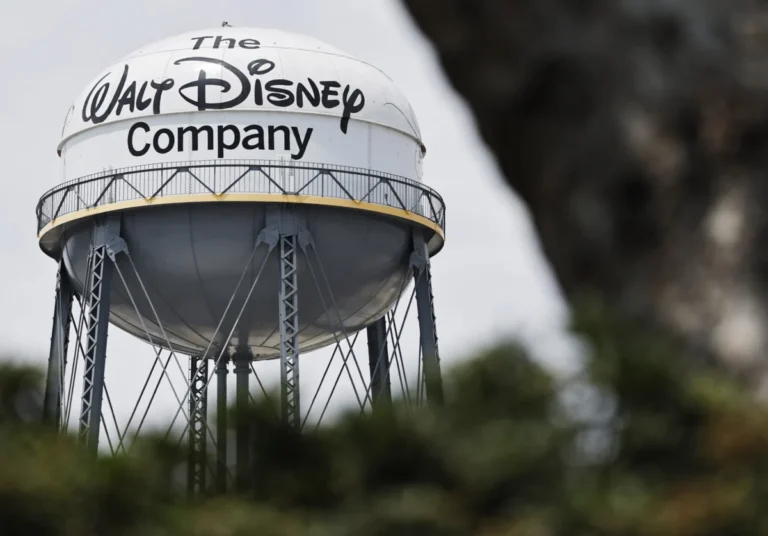
Disney’s position is particularly precarious. ESPN currently pays the highest premium—$2.7 billion annually—for Monday Night Football. A 50% increase would push Disney’s bill to over $4 billion per year. Industry analysts suggest that Disney may "balk" at such a figure, especially as the company continues to navigate the transition of ESPN to a full direct-to-consumer (DTC) model while managing a heavy debt load.
Broader Market Impact: The "Rebalancing" of Professional Sports
The astronomical rise in NFL rights fees is creating a vacuum in the sports media market, leaving less capital available for "Tier 2" and "Tier 3" sports. This phenomenon, often referred to as "rebalancing," is already affecting the National Hockey League (NHL) and Major League Baseball (MLB).
NHL Commissioner Gary Bettman has reportedly been seeking an early renewal of the league’s deals with Disney and WBD, which expire after the 2028 season. However, industry insiders suggest that the NHL will likely have to wait until the Paramount-WBD merger is finalized. The uncertainty surrounding which executive team will lead the combined sports division has frozen major long-term commitments.
Versant CEO Mark Lazarus, whose company owns the USA Network and other cable assets, noted that the shifting landscape presents both a challenge and an opportunity. "We are prepared for the sports landscape to be shifting," Lazarus said, suggesting that if major networks like Fox or NBC pull back on secondary sports to pay the NFL, Versant might step in to acquire rights to the NHL or MLB that were previously out of reach.
Financial Analysis and Future Projections
The NFL’s ability to command a 50% to 60% premium in a cooling advertising market is a testament to the league’s status as the only "bulletproof" content in American media. In 2024, NFL games accounted for 93 of the top 100 most-watched television broadcasts in the United States. This level of reach is unparalleled, making the NFL the primary driver of carrier fees for cable providers and the most effective lead-in for network news and prime-time programming.
For Paramount Skydance, the $3 billion annual payment is a calculated risk. By securing the NFL through 2033-34 without the threat of an opt-out, the company stabilizes its valuation ahead of the WBD merger. The combined Paramount-WBD entity would control an unprecedented portfolio of sports rights, including the NFL, NBA, MLB, NHL, and NCAA March Madness.
Key Financial Projections (2026-2034):
- Total NFL Media Revenue: Projected to exceed $15 billion annually if all partners accept the 50% increase.
- Paramount Skydance Commitment: Over $24 billion total over the remaining eight years of the deal.
- Advertising Growth: Analysts predict a 5-7% annual growth in "Big Game" ad spots, helping networks recoup some of the rights fee increases.
Official Responses and Industry Outlook
While official spokespeople for the NFL and Paramount have declined to comment on the specific figures of the bid-ask spread, the public rhetoric remains optimistic. The partnership between the league and CBS dates back to 1956 (with a brief hiatus in the 1990s), and both sides appear committed to maintaining the "Sunday Afternoon Tradition."
The NFL’s strategy of tackling these renewals one by one—starting with CBS—allows the league to create a "cascading" effect. Once the $3 billion benchmark is set with Paramount Skydance, it becomes the non-negotiable floor for Fox and NBC.
As the media world awaits the final signatures on the CBS deal, the focus shifts to the regulators in Washington. The approval of the Paramount-WBD merger will be the final piece of the puzzle, determining whether the next decade of sports broadcasting is defined by a few massive "super-conglomerates" or a more fragmented, platform-agnostic future. For now, the NFL remains the kingmaker, dictating the terms of survival for the titans of the television era.