The Metropolitan Museum of Art in New York City annually transforms into the epicenter of global fashion, art, and celebrity for the Met Gala, an event often described as "fashion’s biggest night." While the elaborate red carpet arrivals are broadcast worldwide, offering a dazzling spectacle of haute couture and avant-garde interpretations of the year’s theme, what transpires inside the hallowed halls of the museum has traditionally been shrouded in an air of profound exclusivity. Guests are expected to adhere to a strict no-phone policy once past the initial entry points, a rule designed to maintain privacy and encourage genuine interaction among the A-list attendees. However, in an era dominated by social media and instant sharing, this coveted secrecy has seen a gradual, albeit controlled, erosion, with Vogue itself now offering curated glimpses, complementing the occasional rule-breaking posts that have become part of the event’s modern mythology.
The Enduring Legacy and Philanthropic Heart of the Met Gala
At its core, the Met Gala, officially known as the Costume Institute Gala, is a vital fundraising event for the Metropolitan Museum of Art’s Anna Wintour Costume Center. Founded in 1948 by fashion publicist Eleanor Lambert, the Gala initially served as a benefit for the newly established Costume Institute. Over decades, it evolved from a relatively local social affair into the global phenomenon it is today, largely thanks to the transformative vision and meticulous curation of Anna Wintour, editor-in-chief of Vogue and global editorial director of Condé Nast, who took over as chair in 1995. Under her stewardship, the event’s profile soared, drawing unparalleled attention from fashion designers, Hollywood stars, music icons, and prominent figures from various industries.
The funds raised from the Met Gala are crucial for the Costume Institute, which is the only curatorial department at the Met required to fund itself. Annual proceeds regularly exceed eight figures, reportedly raising over $22 million in 2023 alone, providing the primary funding for exhibitions, acquisitions, and operating expenses. With individual tickets reportedly costing upwards of $75,000 and tables fetching hundreds of thousands of dollars, the event is not merely a social gathering but a powerhouse of philanthropy, underpinning the preservation and celebration of fashion history and art. This substantial financial backbone enables the Institute to present groundbreaking exhibitions that explore the intersection of fashion, culture, and society, reinforcing its academic and artistic credibility alongside its glamorous public image. The Gala’s economic impact extends beyond the museum, significantly benefiting the fashion industry in New York City, from stylists and designers to caterers and event production teams.

The Enigma of Exclusivity: Policy, Leaks, and Strategic Revelations
The long-standing no-phone policy inside the Met Gala serves multiple purposes. It aims to protect the privacy of guests, many of whom are intensely scrutinized in their public lives, allowing them a rare evening of uninhibited enjoyment and networking. It also encourages attendees to fully immerse themselves in the evening’s artistic and social experience, rather than documenting every moment for social media. This curated environment fosters an atmosphere where celebrities can truly mingle, fostering unexpected connections and conversations away from the constant gaze of cameras, promoting genuine engagement with the art and each other.
Despite these stringent rules, the allure of capturing an insider moment has proven irresistible for some. Over the years, "leaks" from within have become a quasi-tradition, with the infamous Met Gala bathroom selfies – often featuring an eclectic mix of stars packed into the opulent restrooms – serving as an iconic example of this playful defiance. These candid, unpolished snapshots, shared clandestinely on platforms like Instagram and Twitter, offered a rare, unfiltered glimpse into the party, contrasting sharply with the meticulously styled red carpet imagery. They became a symbol of the event’s "insider" appeal, a secret shared among those who "iykyk" (if you know, you know).
More recently, however, a significant shift in strategy has been observed. Vogue has begun to offer its own "small glimpses" inside the glitzy event, allowing select photographers and videographers to capture moments that are then officially released across its digital platforms. This controlled release of content appears to be a deliberate and strategic move to manage the narrative, providing high-quality, approved visuals while still maintaining an aura of exclusivity. It allows the organizers to shape public perception of the event’s interior, showcasing desired highlights, emphasizing the artistic elements, and perhaps subtly countering the impact of unauthorized leaks by providing an official alternative. This delicate balance reflects the evolving relationship between high-profile, exclusive events and the pervasive nature of social media, where complete secrecy is increasingly untenable, and strategic transparency becomes a sophisticated tool for brand management and audience engagement.

A Night of Melodies: Carpenter and Nicks Command the Stage
Beyond the sartorial splendor and high-profile networking, the Met Gala is renowned for its surprise musical performances, which invariably get the A-list guests up and dancing, transforming the museum’s grand spaces into an intimate concert hall. These acts are meticulously chosen to align with the evening’s theme or to feature artists currently at the pinnacle of their careers, adding another layer of spectacle to the event. In previous years, global superstars like Ariana Grande, Madonna, Rihanna, Lady Gaga, and Justin Bieber have graced the Met Gala stage, delivering unforgettable sets that often become viral moments in their own right. These performances are meticulously planned, often featuring bespoke staging and lighting designs tailored to the museum’s unique architecture and the evening’s theme, such as the Temple of Dendur in the Sackler Wing.
For the 2026 iteration, the musical highlight was a dynamic pairing of contemporary pop sensation Sabrina Carpenter and rock legend Stevie Nicks. Carpenter, fresh off her critically acclaimed headlining performance at Coachella and riding the wave of hits like "Espresso" and "Please, Please, Please," brought a vibrant, youthful energy to the event. As a distinguished member of this year’s host committee, her presence was integral to the evening’s flow and energy. Videos that surfaced on X (formerly Twitter) from inside the event captured Carpenter performing in front of the Met’s majestic Temple of Dendur, first in a striking, colorful ensemble and later transitioning into a shimmering, fringed golden dress, reflecting the opulent yet artistic ambiance.
According to Vogue‘s official reports, Carpenter delighted attendees with some of her biggest tracks, including "House Tour," "Espresso," and "Please, Please, Please," eliciting enthusiastic reactions from the celebrity crowd. The evening then reached a crescendo as Stevie Nicks, the iconic voice of Fleetwood Mac, took to the stage. Her legendary presence captivated the room as she performed timeless classics such as "Gypsy" and "Edge of Seventeen." A particularly memorable moment unfolded when Nicks and Carpenter joined forces, creating a captivating intergenerational duet on "Landslide" and "Don’t Stop Thinking About Tomorrow," blending their distinct styles into a harmonious performance that spanned decades of musical influence. This collaboration not only provided exceptional entertainment but also symbolized a passing of the torch, uniting different eras of music under one roof, much like the fashion exhibited throughout the museum. The energy from the performances likely transformed the formal dinner into a lively celebration, encouraging guests to let loose and fully enjoy the exclusive experience.

The Art of Connection: Mingling, Seating, and the "Costume Art" Exhibition
Once inside, the initial phase of the evening allows guests a privileged opportunity to preview the new exhibition before it opens to the public. For 2026, the exhibition was titled "Costume Art," a comprehensive exploration examining "the centrality of the dressed body throughout time and culture, juxtaposing garments and works of art from across the Museum’s vast collection to create pairings that highlight the indivisible connection between clothing and the body," as per the official description. This early access allows attendees to engage directly with the curated pieces, often drawing inspiration from the exhibition’s themes for their own elaborate ensembles. It’s during this initial reception that many A-listers also seize the chance to catch up with peers, engage in industry gossip, and share laughs, fostering a unique blend of high culture and celebrity camaraderie. This period of mingling is crucial for networking, bringing together luminaries from diverse fields such as film, music, tech, and of course, fashion, in a relaxed yet refined setting.
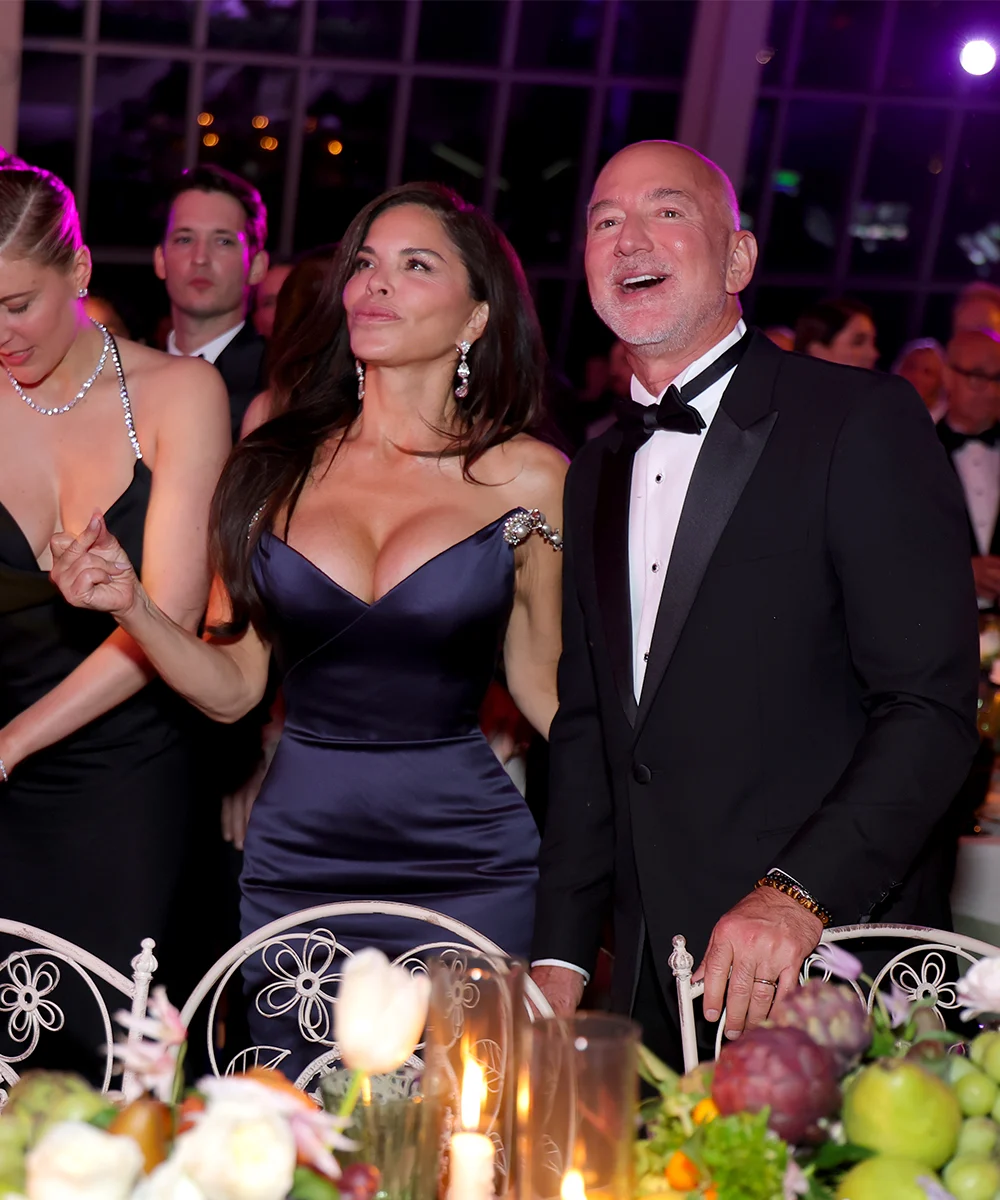
Following the cocktail reception and exhibition viewing, guests are guided to their meticulously arranged seats for dinner and the evening’s program. The seating chart for the Met Gala is an intricate puzzle, carefully orchestrated to maximize interaction and create memorable moments. Sache Taylor, Vogue‘s director of special events, has previously shed light on this meticulous process, stating, "We spend a great deal of time thinking about who is sitting next to whom – ideally pairing people who will have an immediate connection, or perhaps discover they have more in common than they realized." Taylor further emphasized the importance of ensuring "everyone has a good view of the stage" and, notably, that guests are not seated next to a "former flame," highlighting the blend of strategic networking and social diplomacy involved. This thoughtful arrangement transforms the dinner into a dynamic networking hub, where unexpected collaborations and friendships can blossom amidst the opulent setting of the Temple of Dendur. The resulting photographs capture these curated interactions, showing industry titans like Jeff Bezos and Lauren Sánchez Bezos alongside fashion icons, rising stars like Zoë Kravitz, Lily-Rose Depp, and Gracie Abrams, and K-pop sensations Rosé and Lisa engaging in lively conversation, embodying the event’s role as a nexus for cultural exchange and creative synergy.
A Gastronomic Journey: The Northern Italian Gardens Dinner

Complementing the visual and auditory feasts, the culinary experience at the Met Gala is an integral part of the immersive evening. For 2026, the decor inside the museum, envisioned by Raúl Ávila and Derek McLane, drew inspiration from the lush, sophisticated aesthetics of Northern Italian gardens. This thematic elegance extended seamlessly to the dinner menu, expertly crafted by Olivier Cheng Catering and Events, renowned for its exquisite haute cuisine tailored for high-profile events. Cheng’s team is known for transforming culinary concepts into edible art, ensuring the dining experience is as visually stunning as it is delicious.
Celebrity guests were treated to a refined three-course meal designed to evoke the freshness and artistry of the Italian garden concept. The appetizer featured a delicate burrata, followed by a succulent rack of lamb served alongside morel panna cotta, Parmesan gnocchi, and a vibrant medley of asparagus, carrots, spring peas, and fresh mint. The meal concluded with a selection of three distinct dessert dishes, ensuring a sweet culmination to the sophisticated repast. This culinary journey is not merely about sustenance; it is an extension of the overall artistic narrative of the evening, a thoughtful blend of flavor, presentation, and thematic coherence that enhances the entire Met Gala experience, creating a multi-sensory immersion into the chosen theme.
While outsiders may not get to savor the curated flavors, the potential for a "secret food review" from one of the guests remains a delightful possibility, echoing Megan Thee Stallion’s memorable social media post from a previous year. Her candid assessment of the Met Gala food provided a humorous, relatable moment that resonated widely online, further peeling back the layers of mystique surrounding the event and adding a touch of public accessibility to its otherwise inaccessible glamour. Such informal feedback, whether planned or spontaneous, contributes to the evolving public narrative of the Gala.
The Architects of the Evening: Co-Chairs and Their Influence

The success and thematic direction of the Met Gala are significantly shaped by its esteemed co-chairs and honorary chairs. These individuals, typically chosen for their influence in fashion, culture, and philanthropy, lend their prestige and vision to the event, helping to guide its artistic and social tone. For the 2026 Gala, the formidable quartet of Beyoncé, Nicole Kidman, Venus Williams, and Anna Wintour served as co-chairs. Their collective presence represents a powerful blend of music, film, sports, and fashion, underscoring the Met Gala’s broad cultural reach. These co-chairs play a pivotal role in the planning process, from guest list considerations to setting the overall ambiance and promoting the event globally, often appearing on stage to welcome guests and introduce segments of the evening.
Adding another layer of prominence were the honorary chairs, Jeff Bezos and Lauren Sánchez Bezos. Their involvement often signifies a connection to major philanthropic endeavors or significant influence in the business and technology sectors, further elevating the event’s stature and reach beyond the traditional entertainment and fashion spheres. The selection of these high-profile figures ensures that the Met Gala remains at the pinnacle of cultural events, drawing diverse attention and support for the Costume Institute.
The dress code for the 2026 Met Gala, "Fashion Is Art," directly inspired the attendees’ sartorial choices, encouraging guests to interpret the theme through their ensembles. This overarching directive, combined with the detailed "Costume Art" exhibition, provided a rich tapestry for designers and celebrities to explore, resulting in the breathtaking and often provocative fashion statements seen on the red carpet and captured in the rare glimpses from within. The synergy between the dress code, the exhibition, and the co-chairs’ vision creates a cohesive and immersive experience for all involved.
Beyond the Velvet Rope: Broader Implications and the Future of High-Profile Events

The Met Gala’s evolution reflects broader trends in celebrity culture,