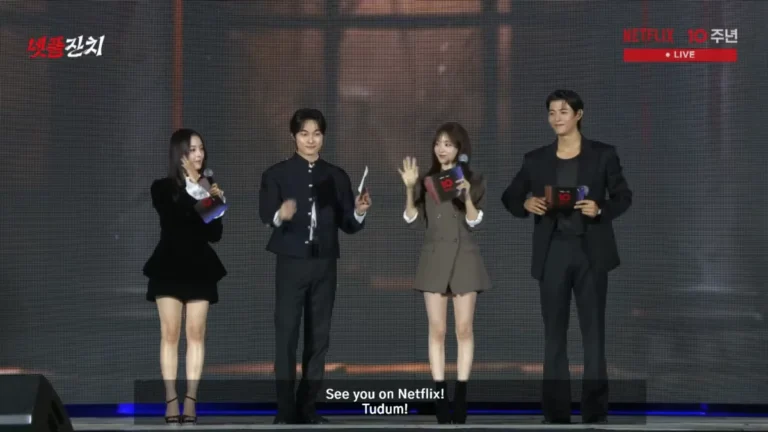



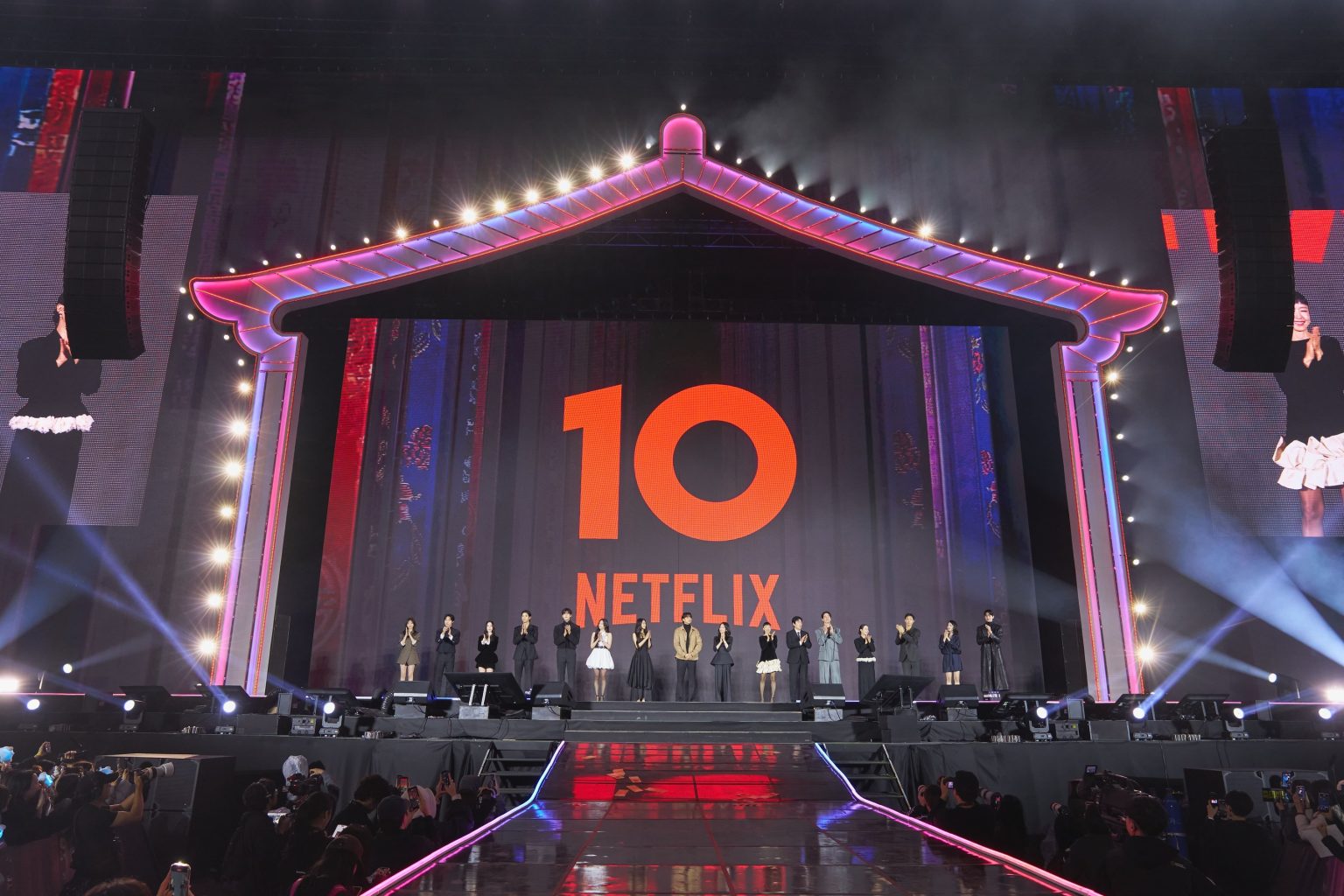
Netflix Korea marked a significant milestone this past weekend, commemorating its tenth anniversary in the region with a sprawling, immersive fan festival dubbed Netflix Janchi (Netflix Feast) at the iconic Oil Tank Culture Park in Seoul. The event, which drew thousands of fans and industry insiders, served as both a retrospective of a decade that redefined the global entertainment landscape and a strategic look forward at the platform’s high-stakes pipeline of original Korean content. While the "What Next?" showcase promised a glimpse into the future, the event primarily functioned as a high-profile celebration of the creative synergy between Netflix’s global distribution power and the distinct storytelling prowess of Korean creators.
The festivities spanned an entire day, featuring interactive gaming installations, photo opportunities, and a culminating livestream event that broadcasted the core announcements to a worldwide audience. The morning segments, focused on fan engagement, underscored the brand’s shift from a mere streaming service provider to a central pillar of Korean pop culture, deeply integrated into the local entertainment ecosystem.
A Decade of Transformation: From Local Market to Global Hub
When Netflix entered the South Korean market ten years ago, the landscape was dominated by traditional terrestrial networks and cable giants. Few industry analysts at the time anticipated that a foreign platform would not only compete with these domestic stalwarts but fundamentally alter the way Korean content is produced, funded, and consumed internationally.
The chronology of Netflix’s influence in Korea is marked by a series of strategic pivots. Following initial licensing deals, the company transitioned to full-scale production investment in 2017 with Bong Joon-ho’s Okja, a move that signaled its intent to prioritize prestige, big-budget original storytelling. This was followed by the global phenomenon of the zombie period drama Kingdom in 2019, which effectively demonstrated that Korean-language content could achieve massive, non-niche success in Western markets. The 2021 release of Squid Game served as the tipping point, shattering viewership records and establishing Korea as a primary creative engine for the platform. As of late 2026, Korean titles consistently rank among the top ten most-watched shows globally on a weekly basis, a trend that has bolstered the platform’s subscription growth in both the Asia-Pacific region and the Americas.
Official Perspectives and Strategic Outlook
Netflix co-CEO Ted Sarandos, in his keynote address at the event, framed the decade not just as a business success, but as a cultural exchange that exceeded the company’s original projections. His remarks highlighted a shift in the corporate narrative: Korea is no longer viewed merely as a growth market, but as a critical creative partner.
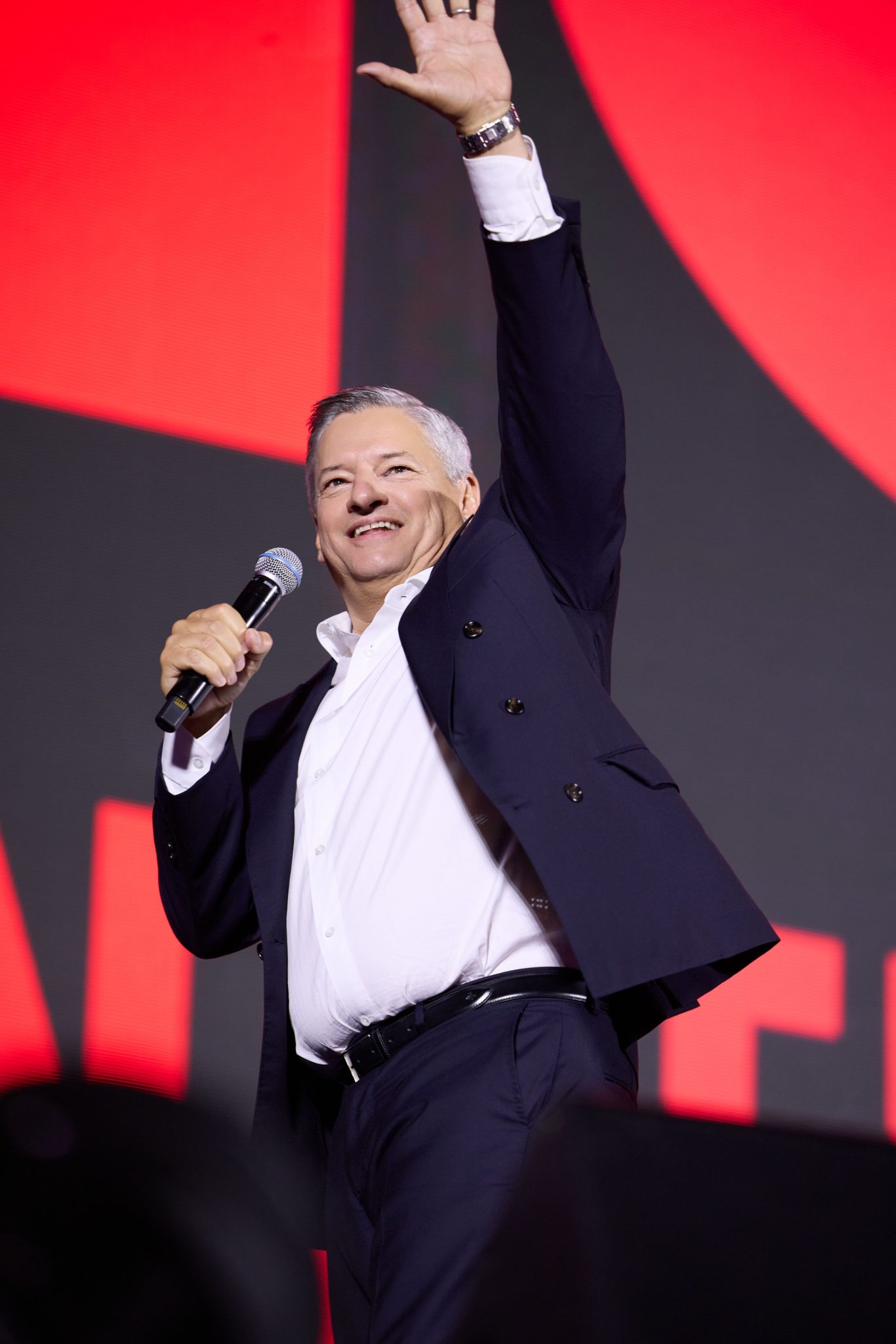
"Ten years ago, we dreamed big, but none of us could have imagined that Korean stories would move hearts around the world and land right in the center of global culture," Sarandos stated. He emphasized that the success was predicated on the "incredible passion" of local creators, actors, and crews. His address hinted at the "new gate" the company is currently entering—a phase characterized by higher production values, broader genre experimentation, and a focus on maintaining the "global-first" appeal of Korean dramas.
Industry analysts observe that this rhetoric aligns with Netflix’s current fiscal strategy: doubling down on high-IP, high-return markets. By shifting focus toward massive franchises like All of Us Are Dead and the highly anticipated live-action adaptation of Solo Leveling, the platform is attempting to build long-term, multi-season engagement that mirrors the success of established Western franchises.
Breakdown of the Upcoming Slate
The showcase provided significant updates on six major projects, though the event was noted for its focus on cast introductions rather than the release of new trailers or teaser footage, a point of minor contention among attendees who had anticipated more extensive "first looks."
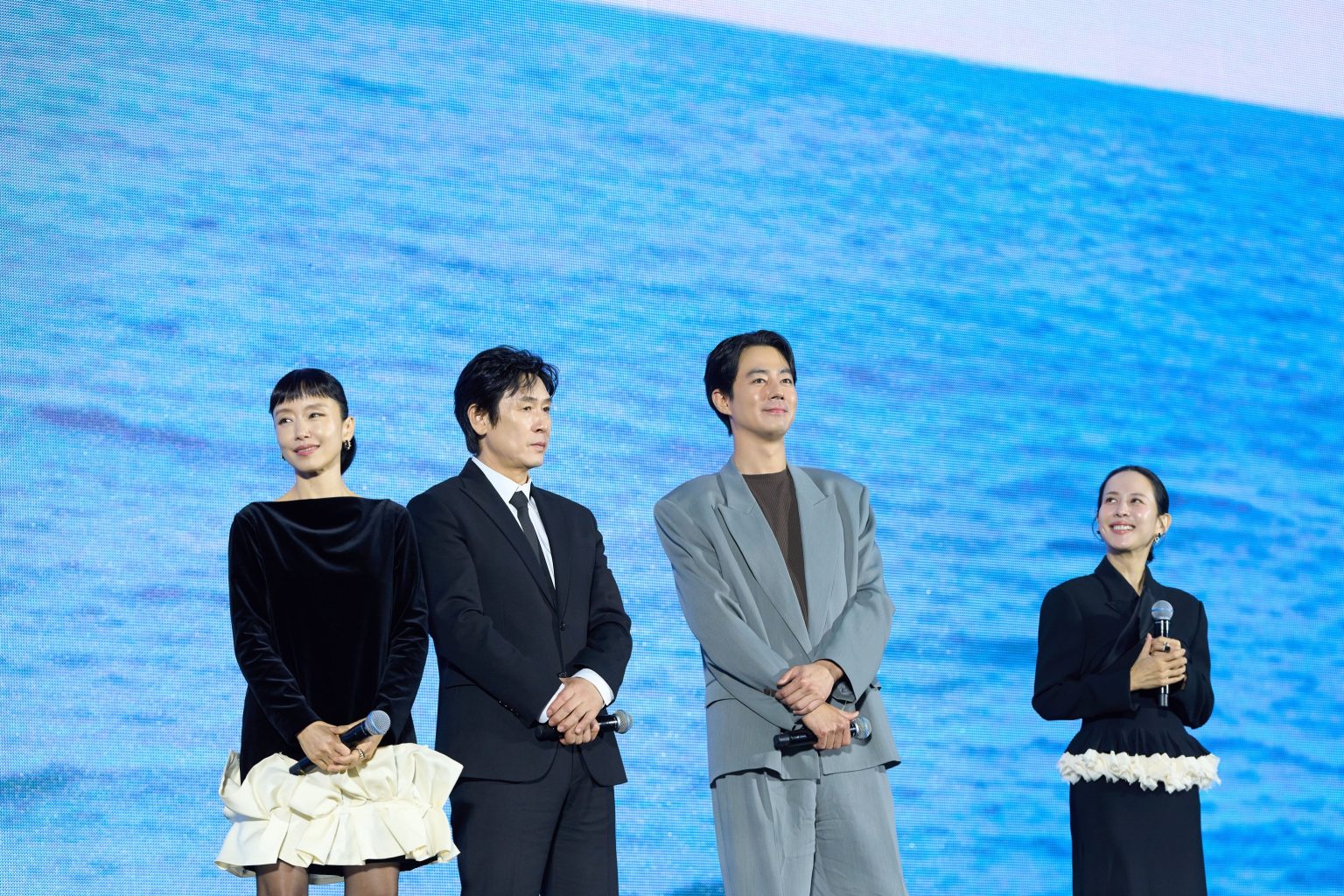
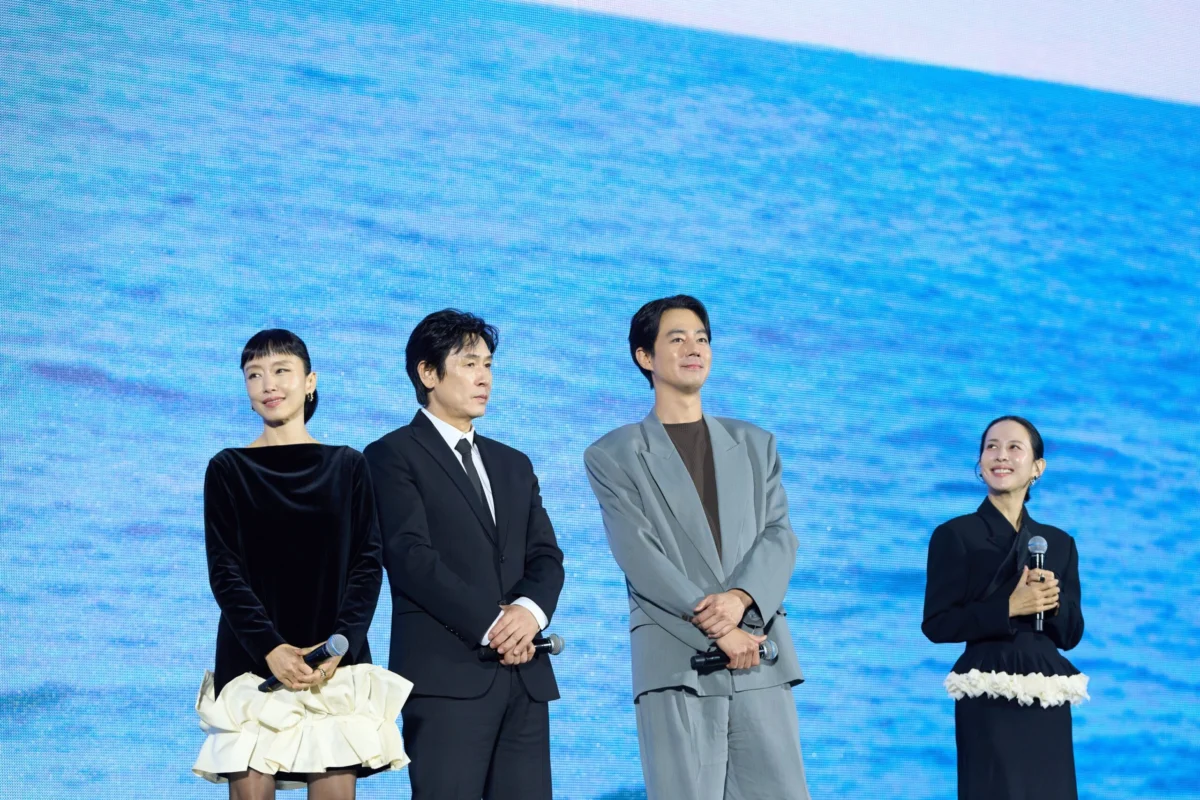
Possible Love, directed by the acclaimed Lee Chang-dong, stands as a centerpiece of the company’s prestige film strategy. Starring Sol Kyung-gu, Jeon Do-yeon, Jo Yeo-jeong, and Jo In-sung, the film has already garnered critical attention on the international festival circuit, including screenings in Venice, Toronto, and Busan. During the panel, the cast discussed the film’s thematic depth, with Jeon Do-yeon highlighting the director’s emphasis on authentic emotional expression over stylistic flair. The film is scheduled for a streaming release on November 6, following a limited theatrical run.
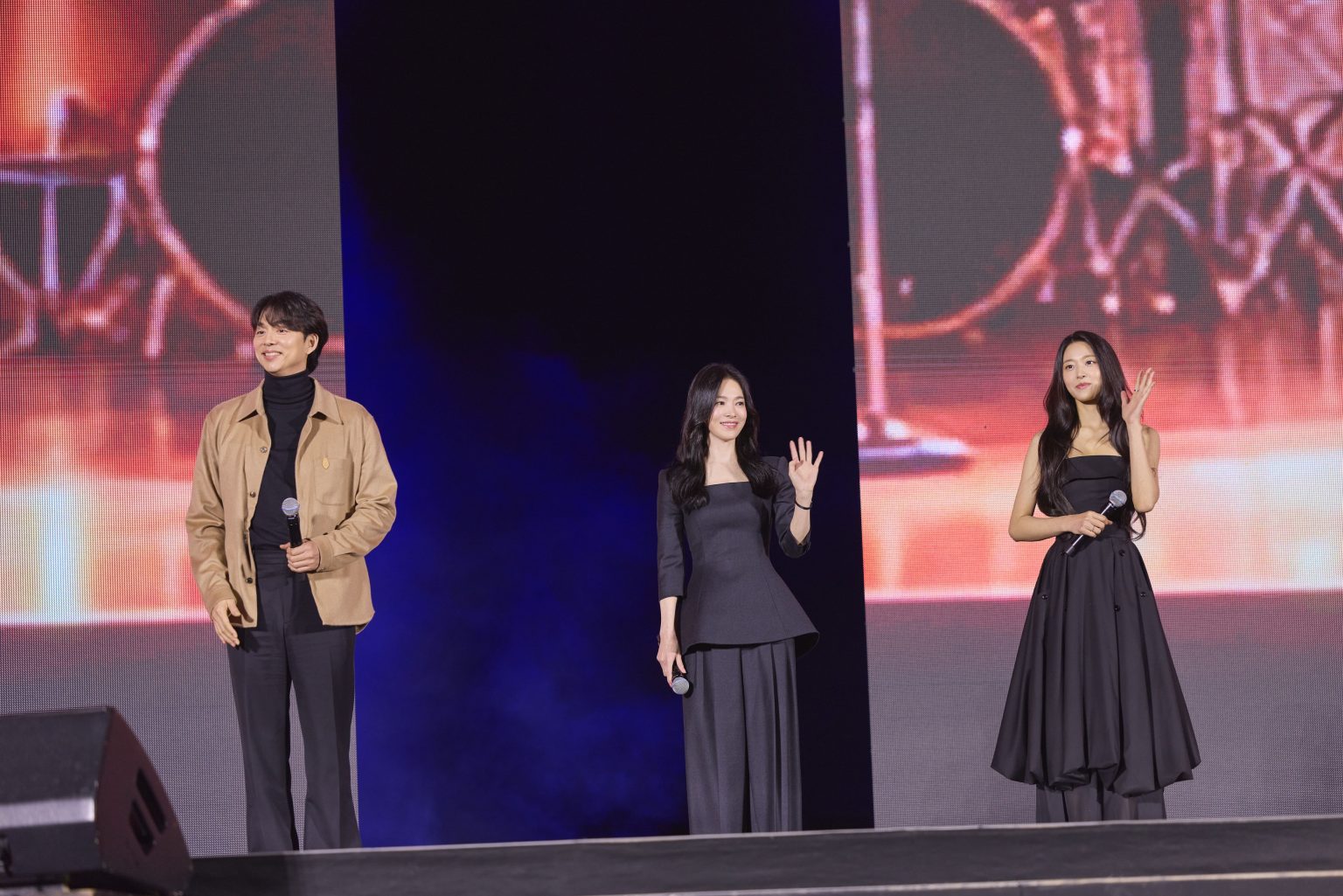
Tantara (internationally titled Slowly and Intensely) represents the platform’s commitment to high-stakes, character-driven drama. Featuring industry heavyweights Song Hye-kyo and Gong Yoo, the series explores the volatile and often cutthroat nature of the Korean entertainment industry. The project is positioned as a gritty, coming-of-age narrative, with a confirmed release date of December 11.
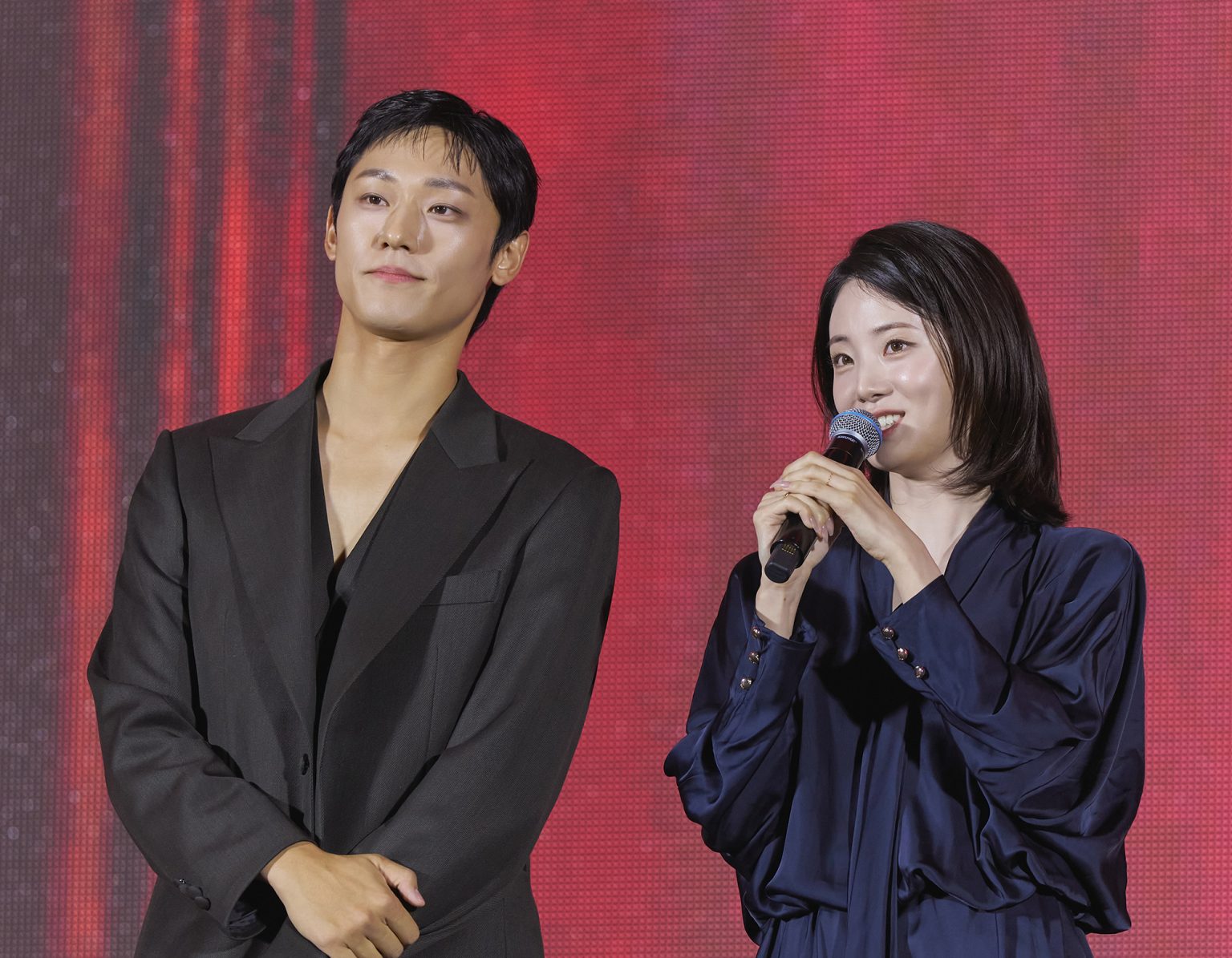
The fantasy genre remains a staple for the platform, with the announcement of Grand Galaxy Hotel. Featuring Lee Do-hyun and Shin Si-a, the project reunites the production team behind the breakout hit Hotel Del Luna. Set within a supernatural hospitality environment, the series is expected to leverage high-concept visual effects, a hallmark of Netflix’s recent investment in Korean fantasy dramas.
Beauty in the Beast, which will be released under the local title Wolf Girl, marks an expansion into supernatural romance. Starring Kim Min-ju, Lomon, and Moon Sang-min, the series centers on the internal conflict of a protagonist concealing a werewolf identity. While a firm 2027 release date remains pending, the production is currently in its final stages.
Major Narrative Shifts: The All of Us Are Dead Reveal
Perhaps the most significant revelation of the event concerned the future of the zombie-thriller franchise All of Us Are Dead. For two years, the fate of the character Cheong-san had remained the subject of extensive fan speculation. Actor Yoon Chan-young’s public confirmation that his character remains alive for the second season served as the most impactful moment of the showcase.
This announcement carries significant narrative implications. By retaining a core character, the production signals a desire to maintain continuity and emotional stakes as the series transitions into a larger-scale, "evolved" setting in Seoul. The cast, including Park Ji-hu and Cho Yi-hyun, confirmed that the second season will focus on the protagonists’ transition into adulthood and their continued survival in an increasingly hostile environment. This strategy of anchoring new seasons in familiar character arcs while escalating the scope of the threat is a calculated move to retain the massive global fanbase established by the original season.
The Solo Leveling Expansion
The presentation concluded with a public appearance by Byeon Woo-seok, who has been cast as Sung Jin-woo in the highly anticipated live-action adaptation of Solo Leveling. Given the intellectual property’s massive global footprint—exceeding 14 billion views across webtoon and web novel formats—this project represents arguably the most ambitious undertaking in the history of Netflix Korea.
The production is currently in the midst of an extensive shooting schedule. While no release window was provided, the sheer scale of the adaptation—and the success of the 2025 animated iteration—suggests that Netflix is positioning this as a cornerstone of its 2027 global strategy. The choice of lead actor and the emphasis on the "hard work" of the production crew highlight the company’s awareness of the intense scrutiny such a beloved franchise faces.
Broader Implications and Future Trajectory
The event at Oil Tank Culture Park serves as a microcosm of Netflix’s broader trajectory in the Korean entertainment industry. Over the past decade, the platform has successfully moved from being an outsider to a central pillar, providing a global stage for local talent and production houses.
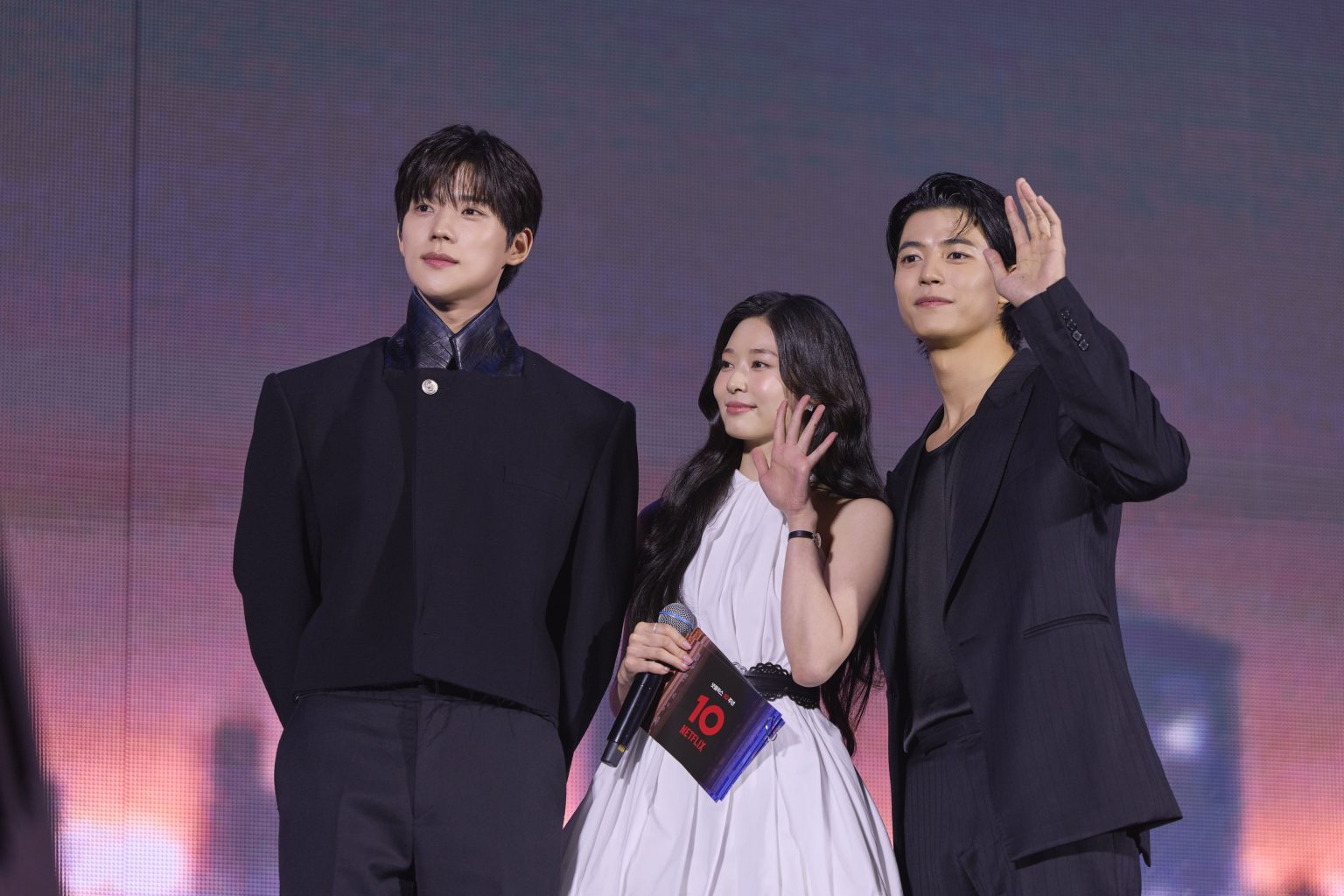
The absence of detailed trailers for the 2027 slate, while disappointing to some fans, reflects a shift in marketing strategy. Rather than the immediate release of footage, Netflix is focusing on building anticipation through sustained engagement with stars and showrunners. By prioritizing human-centric storytelling—the cast, their insights, and their emotional connection to the work—the platform is reinforcing the "star power" that has become a defining characteristic of the Hallyu wave.
Looking forward, the implications of this ten-year anniversary are clear: Netflix is fully invested in the industrialization of Korean content. With a steady pipeline of diverse projects—from prestige films and social dramas to large-scale fantasy and action franchises—the company is ensuring that its Korean portfolio remains the primary driver of its international subscriber retention. As the industry moves into the next decade, the success of these upcoming titles will likely determine whether the "Netflix Korea" model remains the gold standard for global content production or if the market, currently saturated with high-budget competition, will force a shift toward even more specialized, localized content. For now, the platform appears confident in its current trajectory, banking on the enduring global appetite for high-quality Korean storytelling.