

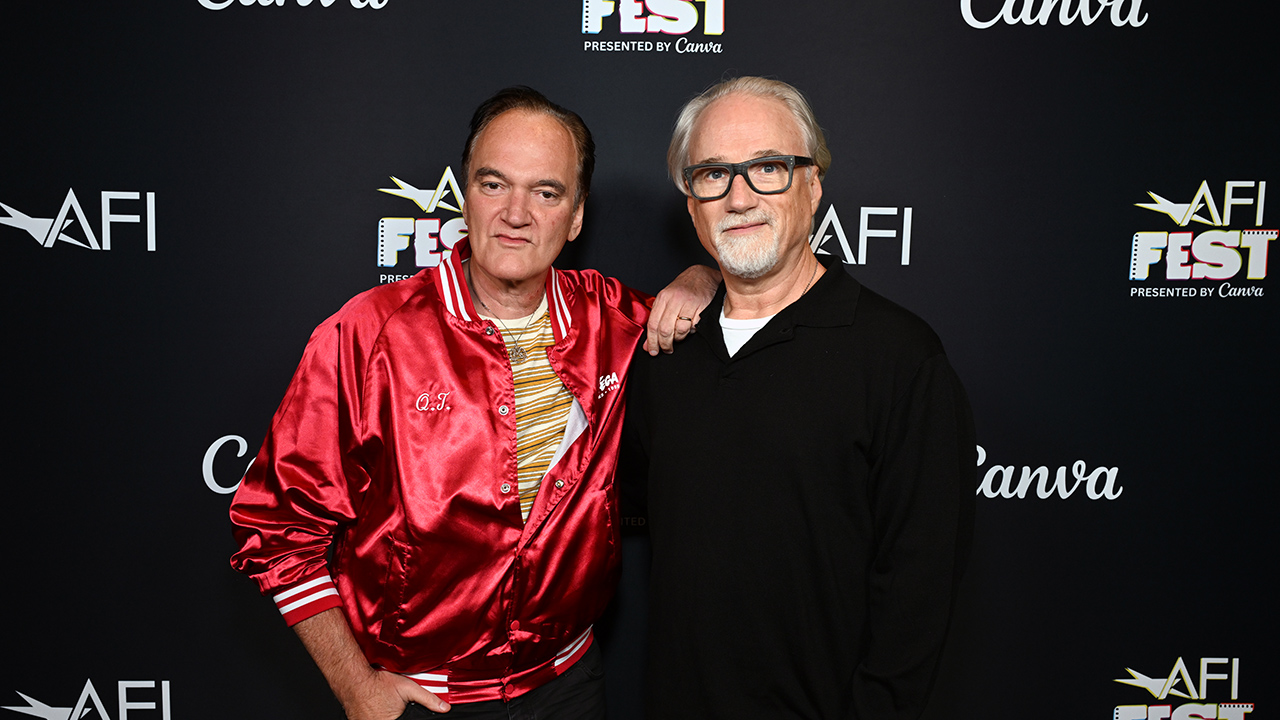
Quentin Tarantino provided a select audience at the historic TCL Chinese Theatre in Hollywood with a significant cinematic revelation on October 23, 2026, offering the first public screening of the opening seventeen minutes of The Further Mis-Adventures of Cliff Booth. The surprise reveal occurred following an IMAX retrospective screening of the 2019 feature film Once Upon a Time in Hollywood, as part of the AFI Fest 2026 programming. Directed by David Fincher, the sequel represents a rare instance of a filmmaker inheriting a character legacy from a contemporary peer, sparking intense industry discussion regarding the nature of creative collaboration and intellectual property expansion in modern Hollywood.
The AFI Fest Premiere and Event Context
The atmosphere inside the TCL Chinese Theatre was charged with anticipation as Tarantino, following a moderated Q&A session with critic Jacqueline Coley, instructed attendees to secure their mobile devices before presenting the footage. The decision to debut the material at a legacy venue in the heart of Los Angeles served as a thematic nod to the subject matter of the franchise, which centers on the shifting landscape of the entertainment industry.
Netflix, which holds the distribution rights for the film, confirmed the screening’s significance in a subsequent press release. While rumors of an exclusive preview had circulated among industry insiders for weeks, the actual footage provided the first tangible look at the tonal shift from Tarantino’s original vision to the distinctive, methodical aesthetic associated with David Fincher.
Chronology of Production and Release
The journey to this production began shortly after the critical and commercial success of the original 2019 film, which grossed over $377 million worldwide. The development timeline is marked by several key milestones:
- 2019–2021: Initial speculation regarding a potential follow-up, fueled by Tarantino’s expressed interest in the "paperback hero" mythology surrounding the character of Cliff Booth.
- 2024: Official confirmation that a spin-off was in active development, with David Fincher announced as the director, taking over from Tarantino to provide a new directorial lens.
- September 2026: The release of the first official trailer, which saw a limited theatrical rollout alongside screenings of Resident Evil.
- October 23, 2026: The first public exhibition of the film’s opening sequence at AFI Fest.
- November 25, 2026: The scheduled commencement of a two-week exclusive IMAX theatrical run.
- December 23, 2026: The global streaming debut on Netflix.
Narrative Direction and Creative Rationale
During the Q&A session, Tarantino articulated his motivation for returning to the character, framing it not as a traditional sequel but as an exploration of the character’s internal life. He likened the process to the episodic nature of pulp literature, where a protagonist moves from one distinct, self-contained adventure to the next. Tarantino noted that the "hangout" atmosphere of the original film—often cited by fans as its most compelling quality—would be preserved, though filtered through the narrative rigor of Fincher’s direction.
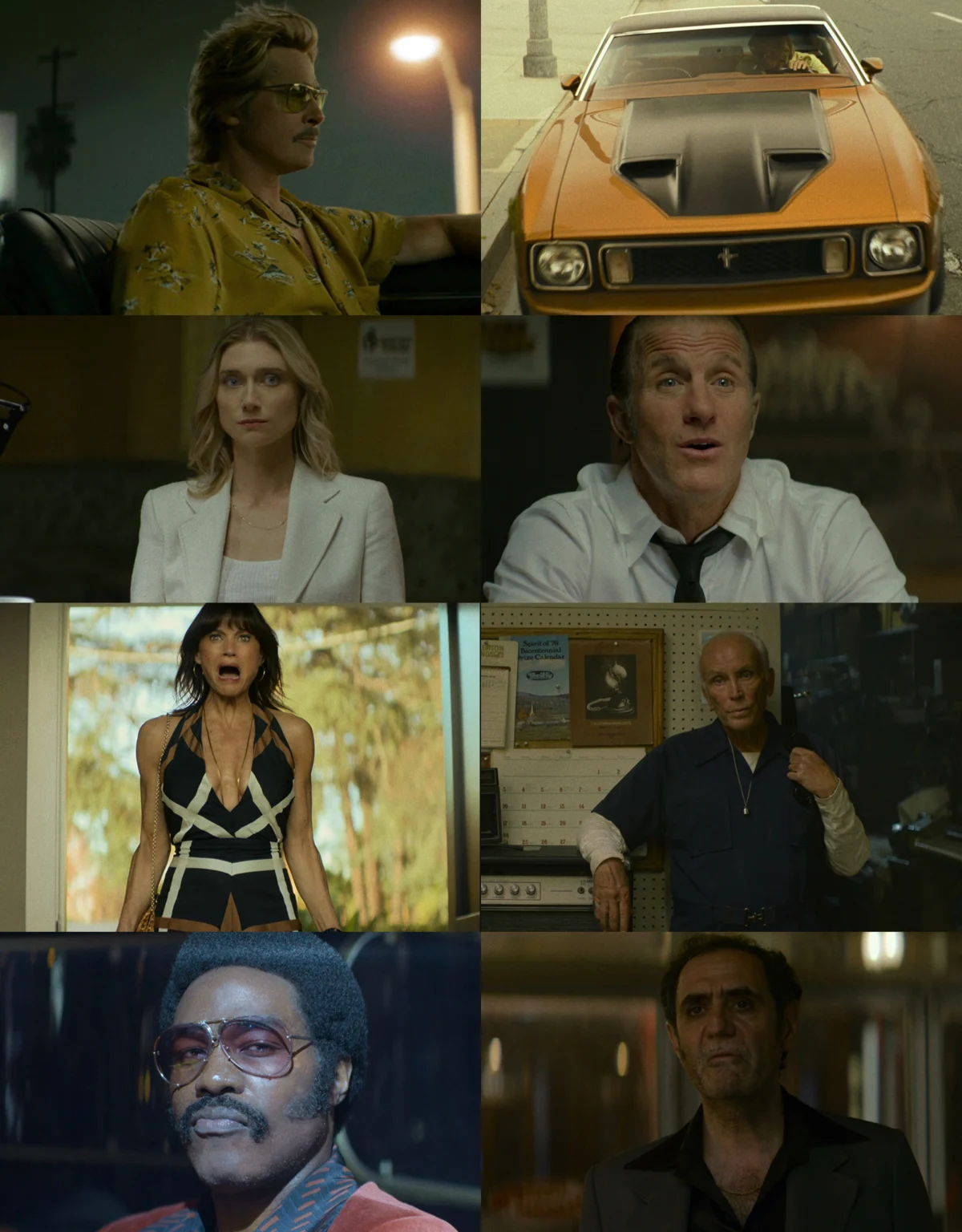
The opening seventeen minutes, as observed by industry reporters, indicate a departure from the sun-drenched, nostalgic aesthetic of the 1960s. Instead, the footage hints at a more complex, potentially darker trajectory involving organized crime and the transactional realities of the film business. Critics present at the screening suggested that the transition from Tarantino’s writing to Fincher’s visual language creates a "hard-boiled" sensibility, moving the character from the periphery of Hollywood history into a more central, high-stakes conflict.
Industry Reaction and Critical Implications
Early responses from the screening have been predominantly positive, focusing on the seamless synergy between the two directors. Matt Neglia, writing for Next Best Picture, noted that the collaboration between Fincher and the Tarantino-scripted character promises a distinct viewing experience. Social media discourse has echoed this sentiment, with attendees describing the footage as a "magical" expansion of the original character’s arc.
The implications of this project are significant for the streaming landscape. By utilizing a two-week theatrical window in IMAX before a broad digital release, Netflix is signaling a shift in its distribution strategy for prestige intellectual property. This model mimics traditional studio release patterns, designed to build "event" status around a film before it becomes available for home consumption.
Data and Market Positioning
The decision to utilize an IMAX-exclusive run is a strategic move to maximize the visual fidelity of the film, particularly given Fincher’s reputation for technical precision. The box office results of the initial two-week run will be a critical indicator of whether "spin-off" projects of this nature—leveraging established IP with a shift in creative leadership—can sustain long-term interest.
The original film’s legacy remains a strong anchor for this project. With an Academy Award-winning performance from Brad Pitt, the character of Cliff Booth became a cultural touchstone for the "cool" archetype of the late 20th century. By shifting the genre from a period-piece drama to what appears to be a more grounded, suspense-oriented narrative, the studio is gambling that the audience’s affinity for the character will bridge the transition in tone.
The Role of David Fincher
Fincher’s involvement is arguably the most notable variable. Known for his meticulous attention to detail and darker thematic explorations (exemplified by films like Se7en, Zodiac, and The Killer), his interpretation of the "Cliff Booth" universe is expected to provide a stark contrast to the more romanticized view presented in 2019. This creative hand-off is a rare case of a "director-led" franchise, where the focus is not on the continuity of the story as much as it is on the evolution of a character through different artistic prisms.
Broader Impact on Film Distribution
As the industry continues to navigate the balance between theatrical exhibition and streaming platforms, the distribution strategy for The Further Mis-Adventures of Cliff Booth serves as a case study. The reliance on a limited, high-end theatrical window is a direct response to the demand for "premium" cinematic experiences. Data from recent theatrical releases suggests that audiences are increasingly drawn to premium large format (PLF) screenings for films that offer distinct visual or sound design.
Furthermore, the integration of a massive social media campaign, starting with the initial trailer and culminating in the surprise AFI Fest screening, demonstrates a sophisticated approach to digital marketing. By creating a scarcity-based event—the surprise screening—the production generated a level of organic buzz that traditional marketing channels often fail to achieve.
Looking Toward December
With the theatrical run commencing on November 25, the industry will be closely monitoring the transition to the Netflix platform on December 23. The film is positioned to be a major anchor for the platform’s end-of-year viewership metrics. If the project succeeds, it may set a new precedent for how high-profile filmmakers can collaborate on shared universes, potentially paving the way for further "auteur-driven" spin-offs in the future.
For the audience, the film represents the intersection of two of the most influential voices in contemporary cinema. As the release date approaches, the focus remains on whether this collaboration can meet the high expectations set by the original film while establishing its own identity within the broader cinematic landscape of 2026.