


The rapid integration of generative artificial intelligence into the global economy is creating a stark demographic divide, with recent data revealing that men are embracing the technology at significantly higher rates than their female counterparts. According to the fifth annual CNBC SurveyMonkey Women at Work survey, a widening gender gap in both the perception and utilization of AI tools could have profound implications for future career advancement and economic parity. As corporations pivot toward AI-centric operations, the disparity in how different genders view these tools—ranging from "valuable assistants" to "forms of cheating"—suggests that the next phase of the digital revolution may inadvertently reinforce existing workplace inequalities.
The Psychological Divide: Collaboration versus Skepticism
The survey, which polled 6,330 individuals between February 10 and February 16, 2024, highlights a fundamental difference in how men and women perceive the utility of AI. Approximately 69% of men surveyed identified AI as a "valuable assistant and collaborator," viewing the technology as a productivity multiplier that enhances their professional output. In contrast, only 61% of women shared this positive outlook.
This perceptual gap extends into the ethical realm of workplace performance. Half of the women surveyed expressed suspicion toward the technology, agreeing with the statement that "using AI at work feels like cheating." This sentiment was significantly less prevalent among men, with only 43% agreeing. Experts suggest this skepticism among women may be rooted in several factors, including a higher emphasis on authentic effort in traditional performance metrics and a cautious approach to tools that could potentially automate roles historically held by women, such as administrative and mid-level management positions.
The "cheating" narrative is particularly concerning for labor economists, as it may prevent women from experimenting with tools that are becoming baseline requirements for high-level corporate roles. If women view AI as a shortcut to be avoided rather than a skill to be mastered, they risk falling behind in an era where "prompt engineering" and "AI orchestration" are becoming essential entries on professional resumes.
A Three-Year Transformation: From ChatGPT to Enterprise Integration
The current AI landscape is the result of a concentrated boom that began just over three years ago. The launch of OpenAI’s ChatGPT in November 2022 served as the catalyst for a global arms race in generative technology. Since that milestone, the market has seen an explosion of specialized tools, moving beyond simple text-based chatbots to sophisticated ecosystems.
The timeline of this evolution illustrates the speed at which workers have had to adapt:
- Late 2022: The public release of ChatGPT introduces Large Language Models (LLMs) to the mainstream.
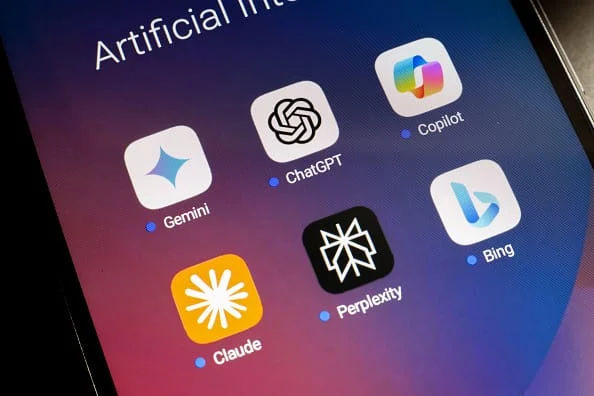
- 2023: Tech giants like Google (Gemini), Microsoft (Copilot), and Anthropic (Claude) release competing platforms, integrating AI directly into office productivity suites.
- 2024: The emergence of "coding agents" and AI-generated multimedia tools (such as Sora and specialized image generators) begins to disrupt creative and technical sectors.
- Present: Enterprise software is being rebuilt from the ground up, with startups like Perplexity and Cursor challenging established workflows in search and software development.
Wall Street has responded to this shift with volatility. Software stocks have faced significant pressure over the past year as investors bet that AI will displace much of the traditional enterprise software stack. For employees, this means the tools they have used for decades are being replaced by autonomous agents that require a different set of cognitive skills to manage.
The Frequency Gap: Power Users and the Silent Majority
The SurveyMonkey data indicates that the gender gap is not just a matter of opinion but a matter of daily practice. Within the workplace, men are using AI more frequently and with greater intensity. Nearly two-thirds of women (64%) reported that they never use AI at work, compared to 55% of men. While both numbers suggest a large portion of the workforce remains untapped, the delta between the two is statistically significant in a competitive labor market.
The disparity is even more pronounced among "power users"—those who integrate AI into their workflow multiple times a day. The survey found that 14% of men fall into this category, compared to just 9% of women. These power users are often the ones who identify efficiencies, lead internal digital transformation projects, and position themselves for promotions in tech-forward departments.
This usage gap creates a feedback loop. Men, by using the tools more frequently, become more comfortable with their capabilities and limitations, which in turn reduces their skepticism. Women, by abstaining from the technology due to ethical concerns or lack of exposure, may find the barrier to entry growing higher as the tools become more complex.

Corporate Mandates and the Institutional Push for AI
While individual workers debate the ethics of AI, the upper echelons of corporate leadership have already made their decision. Major financial institutions and technology firms are mandating the use of AI to maintain competitive edges. JPMorgan Chase CEO Jamie Dimon has been one of the most vocal proponents, calling AI "critical to our company’s future success."
During the bank’s 2026 investor day, Dimon revealed that nearly two-thirds of the company now utilizes an internal large language model. He acknowledged the disruptive nature of the technology, stating that while AI will inevitably eliminate certain jobs, the solution lies in aggressive retraining rather than resistance. This top-down pressure puts workers who are skeptical of AI—disproportionately women—in a precarious position. If the institutional mandate is to "automate or be automated," those who view the technology as "cheating" may find themselves misaligned with corporate goals.
Training Desires and the Fear of Missing Out (FOMO)
Interestingly, the survey found that men are more likely to admit they need help, despite using the technology more often. Approximately 59% of men expressed a need for more training on how to use AI at work, compared to a lower percentage of women. Furthermore, 39% of men admitted to a "fear of missing out" (FOMO) regarding AI skills, while only 35% of women felt the same.
The most striking statistic regarding workplace sentiment is that 42% of women "strongly disagree" with the idea that failing to embrace AI will result in them missing out at work. Among men, this sentiment was lower at 36%. This suggests a significant portion of the female workforce believes that traditional skills will remain the primary currency of professional success, a belief that conflicts with the "AI-first" strategies being implemented by CEOs like Dimon.
The "Broken Rung" and Long-Term Career Trajectories
The implications of this gender gap extend far beyond daily productivity. Sheryl Sandberg, founder of LeanIn.Org and former Meta Chief Operating Officer, has warned that the AI divide could exacerbate the "broken rung" phenomenon. This term refers to the first step up to manager, where women traditionally lose ground to men, a gap that then widens at every subsequent level of leadership.
"We know that AI is going to be challenging for jobs, and it’s going to be the most challenging for the people that don’t know how to use those tools," Sandberg noted in a recent interview. She emphasized that if men dominate the use of AI early in their careers, they will likely be the ones tapped for management roles that require overseeing AI-driven teams.
If women do not jump into AI training at the same pace as men, the progress made in closing the gender gap in leadership over the last decade could be erased. Sandberg warned that we are likely to see "disproportionate impacts" that would be detrimental not only to individual careers but to the broader economy, which thrives on diverse perspectives in leadership.
Economic Implications and the Risk of Disproportionate Impact
The broader economic context suggests that the stakes are incredibly high. Various studies from organizations like the International Monetary Fund (IMF) and Goldman Sachs have indicated that AI is more likely to automate tasks in administrative, clerical, and service-oriented sectors—roles that are statistically more likely to be held by women.
If the roles most vulnerable to AI are held by women, and the people most likely to master AI to save those roles (or transition to new ones) are men, the resulting economic shift could lead to a significant widening of the gender pay gap. The "cheating" stigma identified in the SurveyMonkey data acts as a psychological barrier to the very upskilling required to survive this transition.
Conclusion: Bridging the Gap through Equitable Literacy
The findings of the 5th annual SurveyMonkey Women at Work survey serve as a wake-up call for HR departments and educational institutions. The gender gap in AI is not merely a matter of personal preference but a systemic risk to workplace equity. To prevent a new digital divide, companies may need to move beyond simply offering AI tools and instead focus on de-stigmatizing their use.
Addressing the "cheating" perception and providing targeted, inclusive training programs will be essential. As the technology moves from a "craze" to a fundamental utility, ensuring that all demographics feel empowered to act as "collaborators" with AI—rather than skeptics—will be the key to a balanced and productive future workforce. Without intervention, the AI revolution risks becoming a male-dominated frontier, leaving a significant portion of the talent pool behind in an increasingly automated world.