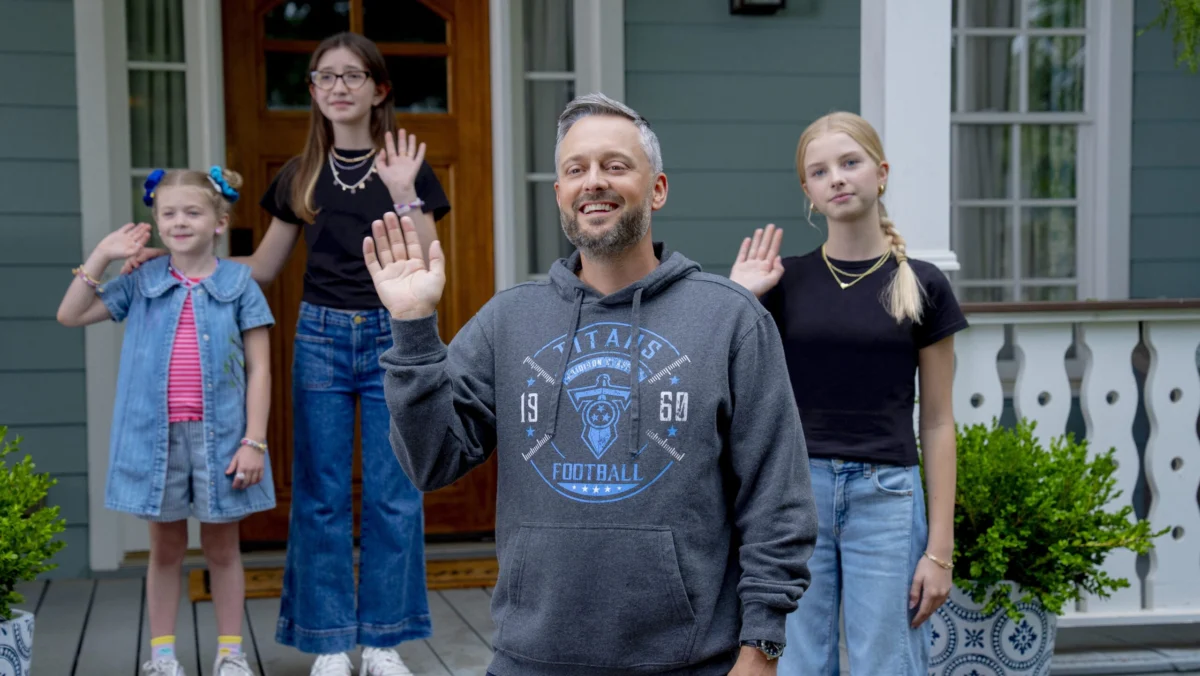
Nate Bargatze, one of the world’s preeminent and top-selling stand-up comedians, is spearheading an innovative initiative to make his upcoming family film, The Breadwinner, widely accessible and affordable for audiences nationwide. With the TriStar and Sony Pictures release slated to open in theaters on May 29, Bargatze has publicly introduced the "Nate Rate," a plea to cinema operators to offer discounted ticket prices, aiming to ensure that families of all economic backgrounds can experience the movie on the big screen. This move marks Bargatze’s most significant foray into feature filmmaking, following his highly publicized role as host of the Emmy Awards ceremony in September, where his affable, clean comedic style garnered widespread praise.
The Genesis of The Breadwinner: A Personal Project for Family Audiences
The Breadwinner is not merely a comedic vehicle for Bargatze but a project deeply rooted in his personal vision for family entertainment. Based on an original script co-written by Bargatze and Dan Lagana, and directed by Eric Appel, the film casts Bargatze in the lead role of Nate Wilcox. He stars alongside Mandy Moore, who plays Katie, the quintessential modern mother whose ingenuity inadvertently thrusts their family into a chaotic, yet ultimately heartwarming, adventure.
The plot unfolds as Katie’s groundbreaking household invention secures a coveted, once-in-a-lifetime deal on the popular television show Shark Tank. This opportunity necessitates a prolonged business trip, leaving Nate to navigate the domestic sphere and prevent their home from literally collapsing around him and their children. The narrative explores themes of unconventional parenting, resilience, and the discovery that while Nate may not emulate Katie’s meticulous approach, he possesses the unique ability to "do it his way." This premise resonates strongly with Bargatze’s established comedic persona, which often draws humor from relatable family dynamics, everyday struggles, and a self-deprecating perspective on fatherhood.
Nicole Brown, President of TriStar Pictures, a division of Sony Pictures, has articulated the strategic appeal of The Breadwinner for the label. In a recent interview for The Hollywood Reporter‘s 2025 cover story on Bargatze, whom the publication affectionately dubbed the "Nicest Man in Standup," Brown emphasized the film’s authenticity and its alignment with Bargatze’s brand. "The idea of his first film being so personal and authentic to him and his comedy felt like the perfect foray, and he’d really identified a space," Brown remarked. She further elaborated on Bargatze’s desire to fill a perceived void in the market: "He was like, ‘I want to be able to watch a film with my whole family. We can go watch animation now, but there’s nothing with real people in it.’" This statement highlights a significant market opportunity for live-action family films that cater to a broad demographic, from grandparents to young children, without relying solely on animated narratives.
The "Nate Rate" Initiative: A Push for Accessibility in Theatrical Exhibition
Bargatze’s "Nate Rate" initiative represents a direct appeal to cinema operators to implement flexible pricing strategies for The Breadwinner. While film studios typically do not dictate the pricing policies of individual exhibitors, Bargatze is hopeful that theaters will embrace the spirit of affordability, drawing parallels to the successful discounted pricing model adopted for the 2023 film 80 for Brady. That film, a comedy starring an ensemble of veteran actresses, notably saw significant box office success partly attributed to its targeted appeal to an older demographic through senior discounts and matinee pricing throughout its run.
The comedian formally announced the "Nate Rate" via his Instagram account, a platform where he enjoys a substantial following. In his characteristic genial style, Bargatze conveyed his excitement and the inclusive vision behind the initiative. "Hello, everybody! My movie The Breadwinner is coming out May 29 and I’ve got something very exciting that I wanted to let you know," Bargatze posted. "So the Nate Rate is a special kind of lower ticket price because we want everyone to come out to this movie. This movie is for your grandparents, grandkids, aunts, uncles, friends, sister…anybody. Your dog. Cats I think will love this movie, specifically. Anybody that wants to come out." His playful yet earnest message underscored the film’s broad appeal and his desire to remove financial barriers to entry.
The timing of this initiative is particularly pertinent given the evolving landscape of theatrical exhibition. Post-pandemic, the cinema industry has grappled with the dual challenges of re-engaging audiences and adapting to changing consumer habits, including the prevalence of streaming. Average ticket prices have steadily climbed over the past decade, with a significant increase in recent years. According to industry reports, the average cost of a movie ticket in the United States reached approximately $10.50 in 2023, with premium formats and urban centers often commanding significantly higher prices. When factoring in concession costs, a family outing to the movies can quickly become a substantial expense, potentially deterring larger family groups or those with limited disposable income. The "Nate Rate" directly addresses this economic reality, positioning The Breadwinner as an accessible entertainment option.
Exhibitor Response and Broader Industry Implications
Early indications suggest a positive reception to Bargatze’s plea from major cinema chains. Industry insiders have reported that AMC Theatres, the largest cinema circuit in the United States, is among several exhibitors that have already committed to offering matinee pricing for showings of The Breadwinner. This means that tickets for the film will be available at the lower prices typically reserved for daytime showings, regardless of the actual showtime. Furthermore, Cinemark, another prominent national chain, is reportedly considering discounts of up to 25 percent on ticket prices for the film. While the specifics of pricing and availability will naturally vary by location, audiences are advised to check their local listings for confirmed details.
The willingness of major exhibitors to embrace such a pricing strategy carries significant implications for the film industry. For cinema chains, participating in initiatives like the "Nate Rate" can serve multiple purposes. Firstly, it generates goodwill with audiences, positioning the theaters as community-friendly venues committed to accessibility. Secondly, it has the potential to drive higher attendance, particularly for films with broad appeal like The Breadwinner. While individual ticket prices may be lower, an increase in overall viewership and potentially higher concession sales could offset the reduced revenue per ticket. The success of 80 for Brady, which grossed over $40 million domestically on a modest budget, demonstrated the power of targeted pricing strategies to mobilize specific audience segments.
Moreover, this initiative could set a precedent for future releases, particularly for family-oriented films or those aiming for widespread appeal beyond traditional blockbuster demographics. In an era where streaming services offer vast content libraries at a flat monthly fee, theatrical exhibitors are constantly seeking ways to differentiate the cinema experience and justify premium pricing. Variable pricing models, driven by artist initiatives or specific film genres, could become a more common tool to attract diverse audiences back to physical theaters. It highlights a collaborative spirit between talent, studios, and exhibitors to innovate in a challenging market.
Nate Bargatze’s Ascendancy and Brand Alignment
Nate Bargatze’s career trajectory has been marked by a steady rise to prominence, built on a foundation of relatable, observational comedy delivered with a disarmingly gentle demeanor. His status as one of the world’s top-selling stand-up comedians is evidenced by sold-out arena tours and highly successful Netflix specials such as "The Tennessee Kid" and "Good Problem to Have," and "Hello World." His comedic style, often described as "clean" and suitable for all ages, has cultivated a broad and loyal fanbase that transcends typical demographic divides. This clean humor, devoid of profanity or controversial topics, has earned him the moniker "Nicest Man in Standup" and makes him a natural fit for family-friendly entertainment.
His hosting of the Emmy Awards in September further elevated his public profile, introducing his brand of humor to a mainstream audience that might not have been familiar with his stand-up work. His monologue, characterized by understated wit and self-deprecating charm, was widely praised for its refreshing departure from the often polarizing and overtly political humor typical of such events. This performance underscored his appeal as a universally likable figure, capable of connecting with diverse groups without alienating anyone.
The Breadwinner and the "Nate Rate" initiative are perfectly aligned with Bargatze’s established brand. His comedy often revolves around his experiences as a husband and father, making a film centered on a dad navigating domestic chaos a natural extension of his stage persona. By actively advocating for affordable ticket prices, Bargatze reinforces his image as an artist who genuinely cares about his audience and wants to share his work with as many people as possible, rather than solely focusing on maximizing personal profit. This authenticity is a key component of his appeal and is likely to resonate positively with his fanbase and beyond.
The Broader Landscape of Family Entertainment and Theatrical Strategy
Nicole Brown’s observation regarding the scarcity of live-action family films featuring "real people" points to a significant gap in the contemporary entertainment market. While animated features continue to dominate the family film genre, offering fantastical worlds and beloved characters, there is a clear demand for live-action narratives that reflect the everyday experiences and challenges of families. Films like Paddington or Home Alone have historically demonstrated the immense potential of this genre, blending humor, heart, and relatable characters to create enduring cinematic experiences.
In a competitive media landscape, where children and parents have access to an endless array of content through streaming platforms, the theatrical release of a family film must offer a compelling reason to leave the home. The communal experience of watching a movie in a cinema, combined with a narrative that speaks directly to family values and dynamics, can be a powerful draw. However, the economic barrier often proves formidable for larger families.
The "Nate Rate" could therefore be seen as a strategic response to these market conditions. By lowering the financial hurdle, it encourages families to choose the theatrical experience over at-home alternatives. This strategy not only benefits The Breadwinner but also contributes to the broader effort to revitalize cinema attendance and remind audiences of the unique magic of the big screen. It also underscores the growing influence of individual artists and their ability to leverage their platforms to advocate for consumer-friendly policies within the industry.
Conclusion
Nate Bargatze’s "Nate Rate" for The Breadwinner represents more than just a promotional gimmick; it is a thoughtful and timely initiative aimed at democratizing access to family entertainment. By drawing on his considerable goodwill and market influence, Bargatze is challenging traditional theatrical pricing models and advocating for an approach that prioritizes audience accessibility. The early positive response from major exhibitors like AMC and Cinemark signals a potential shift in how certain films, particularly those with strong family appeal, might be marketed and priced in the future. As The Breadwinner prepares for its May 29 release, all eyes will be on its box office performance, not just as a measure of the film’s success, but as an indicator of the viability and broader implications of the "Nate Rate" in shaping the future of affordable cinema for all.