

The esteemed Karlovy Vary International Film Festival (KVIFF), a cornerstone of the global cinematic calendar, is poised to commemorate two significant anniversaries during its 2026 edition, running from July 3 to 11. Organizers announced on Tuesday that the festival will celebrate its 60th edition while simultaneously marking 80 years since its inaugural event in 1946. This dual celebration promises a rich tapestry of film retrospectives, special screenings, and cultural exhibitions, all designed to honor KVIFF’s profound and often tumultuous journey through Central European history and its enduring legacy in the world of cinema.
A Legacy Forged in Turmoil: Unpacking the 60/80 Paradox
The apparent numerical discrepancy – the 60th edition coinciding with the 80th anniversary – is a testament to the festival’s resilience and its navigation through complex historical and political landscapes. KVIFF, one of the oldest film festivals globally, was born in the immediate aftermath of World War II, holding its first non-competition event in August 1946. This places it among the "first wave" of post-war European film festivals, preceding the inaugural post-war editions of Cannes and Locarno, and even predating the renewed Venice Film Festival (founded 1932, renewed 1946) in its post-war format, thus solidifying KVIFF’s status as the second-oldest film festival in the world.
However, its early years were marked by political realities that profoundly impacted its regularity. Following its establishment and initial success, including the introduction of awards in 1948 and its permanent relocation to Karlovy Vary in 1950, the festival faced significant interruptions. It was not held in 1953 and 1955 due to political edict. Crucially, from 1959 onwards, KVIFF, which had earned the prestigious "Category A" accreditation from the International Federation of Film Producers Associations (FIAPF) two years prior (a status shared with festivals like Cannes and Venice), was forced to alternate years with the newly founded Moscow International Film Festival. This political maneuvering, a reflection of Cold War cultural policies, meant KVIFF operated biennially for an extended period, leading to the current distinction between its chronological age and its edition count. This pattern of intermittent operations and ideological pressures continued through the decades, shaping its programming and identity until the fundamental changes of the 1990s.
A Homage to Cinematic History: Program Highlights for 2026
The 2026 program is meticulously curated to reflect this rich history, blending tributes to past masters with acknowledgments of contemporary achievements. Audiences can anticipate a robust lineup of events:

Classic Film Retrospectives: "Out of the Past – KVIFF 60/80"
The festival’s popular "Out of the Past" section, renowned for spotlighting cinematic classics, will take on an especially celebratory form. Karel Och, KVIFF artistic director, stated, "It will consist of twenty carefully selected films from previous editions of the festival, which are firmly linked to its history as milestones key to the KVIFF’s identity and reputation."
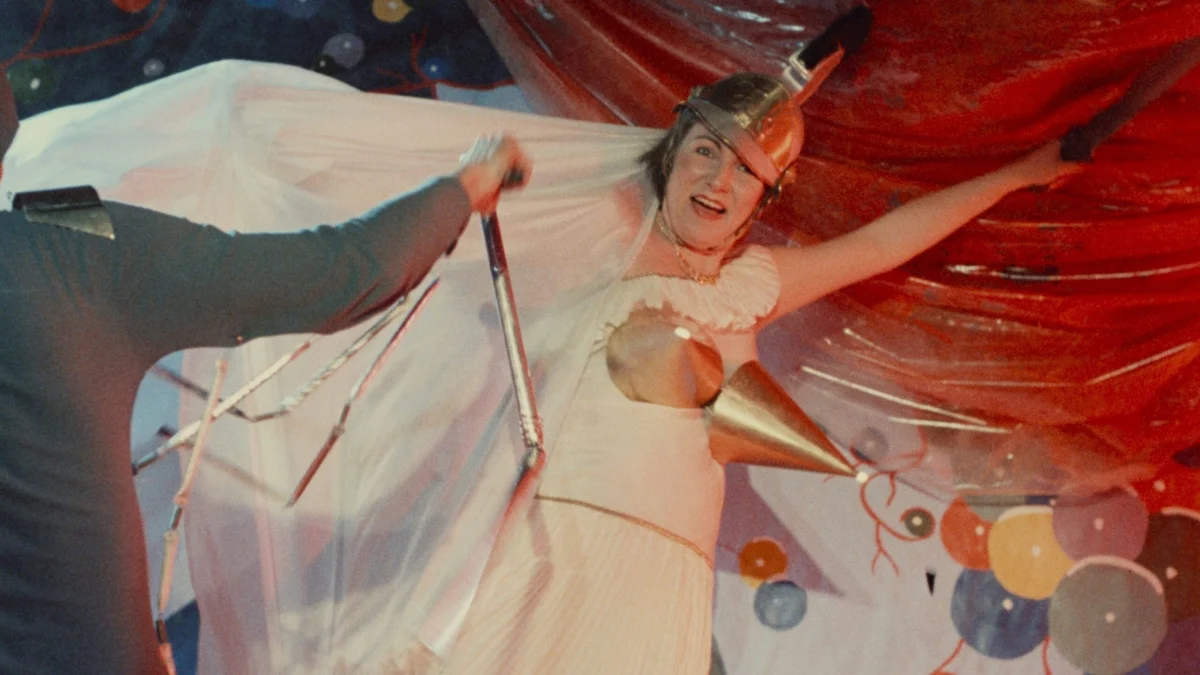
Among the confirmed titles are cinematic landmarks that have graced Karlovy Vary screens throughout its history. These include Michael Powell and Emeric Pressburger’s seminal 1946 fantasy-romance A Matter of Life and Death, which festival-goers first experienced in August 1947. Ken Loach’s powerful 1969 British drama Kes, a recipient of KVIFF’s top prize for best film in 1970, will also feature, highlighting the festival’s early recognition of emerging auteur cinema. From Mexican cinema, Emilio Fernández’s 1948 social drama Río Escondido, which traveled to the fest in 1948, underscores KVIFF’s early international reach. Konrad Wolf’s 1957 drama Lissy, by a legend of East German cinema, which secured a main prize in 1957, will also be screened, offering a glimpse into the diverse cinematic voices celebrated during the Cold War era.
A particularly exciting discovery for this anniversary is the adventure drama Captain Thunderbolt. This fundamental film in Australian cinematic history, directed by New Zealand filmmaker Cecil Holmes, was long considered lost until an original, uncut 35mm print was unearthed in the Czech National Film Archive in 2024. Its screening will commemorate its premiere in the competition of the 7th KVIFF in 1952, marking a significant archival recovery and a tribute to the festival’s historical commitment to global cinema.
Digital Restoration Premiere: Věra Chytilová’s Tainted Horseplay
A gala screening will present a digitally restored copy of Věra Chytilová’s 1989 tragicomedy Tainted Horseplay. This film, a poignant reflection on the human condition, was Czechoslovakia’s entry for the Best Foreign Language Film Oscar at the time, showcasing the country’s significant cinematic output just before the Velvet Revolution. Chytilová, a trailblazing figure of the Czechoslovak New Wave, is celebrated for her daring and unconventional approach to filmmaking, making this restoration a fitting tribute to her enduring artistic courage and impact.
President’s Award for Magda Vášáryová: A Bridge Between Nations
The esteemed President’s Award at KVIFF 2026 will be presented to actress Magda Vášáryová. This award aims not only to honor one of Slovakia’s greatest actresses but also to underscore the unique artistic synergy between Czech and Slovak filmmakers that shaped the shared cinematic history of the two nations. Vášáryová’s career spans iconic roles in both Czech and Slovak productions, making her a symbol of the deep cultural ties that continue to bind these two countries, even after their peaceful separation. Her work often resonated with the socio-political undercurrents of her time, embodying the spirit of artistic integrity against various backdrops.
Architectural Redesign: Enhancing the Festival Experience at Hotel Thermal
In a significant move to enhance the audience experience, KVIFF organizers are redesigning the area around the entrance to the Hotel Thermal’s Grand Hall. This iconic Brutalist structure, designed by architects Věra and Vladimír Machonin, has been the festival’s central hub since 1977. The new architectural design promises to create a more immersive and interactive festival atmosphere, particularly during the opening and closing ceremonies and major screenings. The introduction of "guest arrivals with live commentary" will bring the red-carpet action closer to visitors, offering interesting behind-the-scenes observations and fostering a deeper connection between the audience and the cinematic luminaries. This redesign signifies KVIFF’s commitment to modernizing its infrastructure while respecting its architectural heritage.
Václav Havel and the Karlovy Vary Festival: A Photographic Exhibition
A special photographic exhibition at the Hotel Thermal will commemorate what would have been the 90th birthday of former President Václav Havel. Titled "President Václav Havel and the Karlovy Vary Festival," the exhibition will highlight his profound support for the festival and his numerous visits and meetings with international film personalities. Havel, a renowned playwright, dissident, and statesman, played a pivotal role in Czechoslovakia’s transition to democracy and was a staunch advocate for cultural freedom. His presence at KVIFF symbolized the festival’s re-emergence as a free and open international platform after decades of ideological constraints, reinforcing its status as a beacon of artistic expression.

Special Festival Sneak Preview in Mariánské Lázně
In a nod to its origins, the festival will revive the twin-city format of its first edition. A special preview screening of a selected film from the 2026 program will take place on July 1 at the historic Municipal Theatre in Mariánské Lázně. This gesture acknowledges the collaborative spirit of the initial 1946 event, which was jointly organized by the spa towns of Mariánské Lázně and Karlovy Vary, reinforcing the deep historical roots of the festival within the region.
From State Control to Independent Vision: A Chronology of Resilience
KVIFF’s history is a compelling narrative of survival, adaptation, and eventual triumph against formidable odds. Its journey can be broadly segmented into distinct periods:
- The Post-War Genesis (1946-1950s): Founded in 1946, the festival quickly gained international attention. However, with the Communist takeover in Czechoslovakia in 1948, the festival’s identity became intertwined with state ideology. While it moved permanently to Karlovy Vary in 1950 and received FIAPF Category A status in 1957, it also began to experience political interventions, including cancellations and the infamous alternation with the Moscow International Film Festival from 1959. During this period, figures like Antonín Martin Brousil (1907–1986), a journalist, educator, and internationally respected expert, played a crucial role. KVIFF artistic director Karel Och highlighted Brousil’s foresight: "As early as 1962, Brousil created a platform for film pioneers from these very continents [Africa, Asia, and Latin America] within the legendary section ‘Symposium of Young and New Cinemas’." This pioneering initiative positioned KVIFF as a global platform for emerging cinematic voices long before many other major festivals.
- The "Normalization" Era (1970s-1980s): Following the Soviet-led invasion of Czechoslovakia in 1968 and the subsequent period of "normalization," the festival faced severe restrictions. Programming decisions were heavily influenced by political directives, leading to a diminished international presence and a focus on ideologically acceptable films. This era was characterized by a struggle to maintain artistic integrity amidst state control, though pockets of resistance and subtle artistic statements often found their way onto the screens.
- The Velvet Revolution and Revival (1990s): The fall of communism in 1989 and the Velvet Revolution brought an end to censorship and state control. KVIFF’s first post-Revolution edition in 1990 welcomed exiled and banned filmmakers and screened previously suppressed titles, marking a profound moment of liberation. However, this period of newfound freedom also brought uncertainty about the festival’s future and purpose, with deliberations threatening its very existence.
- The Modern Era: Independent Foundation and Global Recognition (1994-Present): The turning point came with the establishment of the Karlovy Vary International Film Festival Foundation, initiated by filmmaker and Ministry of Culture official Igor Ševčík. This crucial step removed the festival’s organization from state hands, ushering in an era of independence and revitalization. Under the leadership of Jiří Bartoška as president and Eva Zaoralová as artistic director, the festival underwent a remarkable transformation. The illogical alternating with Moscow ceased, and since 1994, KVIFF has been held annually, asserting its status as a premier international film event. It successfully fended off attempts to move it to Prague and, after stiff competition from the Prague Golem festival, reasserted its dominance as the Czech Republic’s most important cinematic gathering.
Leadership Perspectives and Enduring Vision
Kryštof Mucha, KVIFF executive director, articulated the festival’s unique position: "The Karlovy Vary festival is an event at which long-term tradition and the format of a modern film festival come together in a unique way. Few domestic cultural events can boast such a rich and varied history." He emphasized the festival’s enduring ability to thrive despite internal tensions and external pressures, stating, "It has become a festival that honors its legacy and that manages to reflect the present while confidently shaping the future of cinema." This sentiment underscores the festival’s remarkable journey from a politically constrained event to an internationally recognized showcase where filmmakers and audiences meet in a unique atmosphere of harmony and discovery.
Karel Och, the artistic director, further elaborated on the festival’s enduring spirit, highlighting the contributions of his predecessors, including Eva Zaoralová, who, alongside Jiří Bartoška, is widely credited with the festival’s modern renaissance. Their vision transformed KVIFF into a vibrant, competitive festival known for its discerning programming, its support for emerging talent, and its relaxed yet intellectually stimulating atmosphere.
KVIFF’s Place in the Global Film Landscape

As a FIAPF Category A festival, KVIFF stands shoulder-to-shoulder with the likes of Cannes, Venice, Berlin, and San Sebastián. This prestigious accreditation signifies its commitment to showcasing a diverse selection of international and independent films, fostering cinematic dialogue, and maintaining high organizational standards. Unlike some larger, more commercially driven festivals, KVIFF has cultivated a reputation for its intimate atmosphere, its focus on Central and Eastern European cinema, and its willingness to champion challenging and art-house films. It provides a vital platform for filmmakers from regions that might otherwise struggle for international exposure, continuing the legacy initiated by visionaries like Antonín Martin Brousil.
The festival’s impact extends beyond the silver screen. It serves as a crucial cultural and economic driver for the spa town of Karlovy Vary, attracting thousands of visitors, industry professionals, and media annually. The influx of talent and attention reinvigorates the town, creating a vibrant cultural hub for the duration of the event.
Shaping the Future While Honoring the Past
The 2026 Karlovy Vary International Film Festival stands as a powerful testament to the enduring power of cinema and the resilience of cultural institutions. By celebrating its 60th edition and 80 years of history, KVIFF is not merely looking back; it is reaffirming its commitment to its foundational values while embracing innovation. The blend of historical retrospectives, vital digital restorations, architectural enhancements, and tributes to pivotal figures like Václav Havel and Magda Vášáryová illustrates a festival that understands its deep roots while confidently charting a course for the future. As KVIFF executive director Mucha aptly summarized, it is an event that has "withstood attempts at ideological control and efforts to abolish it," emerging stronger and more relevant than ever. The forthcoming dual anniversary promises to be a poignant and celebratory moment, solidifying Karlovy Vary’s irreplaceable position in the global cinematic narrative.