


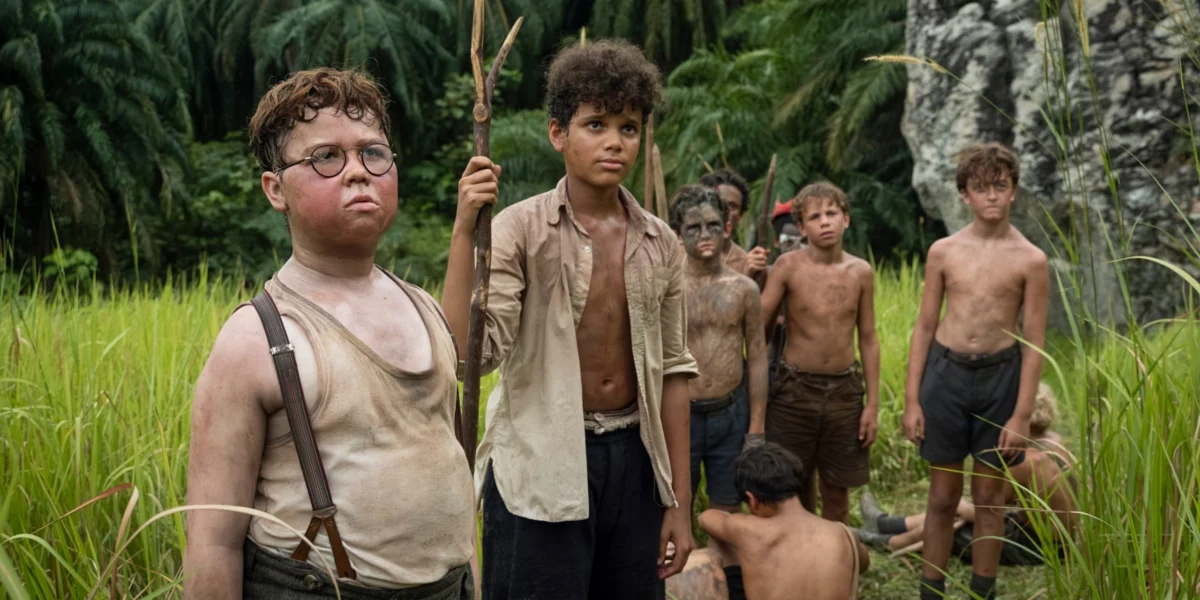
Netflix’s ambitious adaptation of William Golding’s seminal novel, Lord of the Flies, has arrived on the streaming giant, bringing the chilling tale of societal breakdown and innate human darkness to a new generation. This marks the first-ever television adaptation of the literary classic, a project developed and written by Emmy Award-winning writer Jack Thorne, known for his work on "Adolescence." Directed by Marc Munden, whose credits include "The Sympathizer," and executive produced by Joel Wilson for BBC One, the four-episode series was initially released on BBC iPlayer in the UK in February before Sony Pictures Television secured the U.S. streaming rights for Netflix. The series premiered on the platform on May 4th, 2026, and has since garnered positive critical reception, with particular praise directed at its masterful direction, striking cinematography, compelling writing, and the powerful performances delivered by its ensemble of young, emerging actors.
The series’ arrival on Netflix has coincided with a series of interviews with key figures involved in its creation. Jack Thorne, Marc Munden, and lead actors Winston Sawyers, Lox Pratt, David McKenna, and Ike Talbut have all shared insights into their creative process and experiences bringing Golding’s enduring allegory to life. These discussions, available in both video and audio formats, offer a deeper understanding of the challenges and artistic decisions behind this significant adaptation. The series is currently generating considerable buzz, including consideration for this year’s Emmy Awards, and is readily accessible for streaming on Netflix.
A Groundbreaking Television Adaptation
The decision to adapt Lord of the Flies for television represents a significant undertaking, given the novel’s profound impact on literature and its enduring relevance. William Golding’s 1954 novel, set during an unspecified wartime evacuation, chronicles the descent of a group of British schoolboys stranded on a deserted island into savagery. The narrative explores themes of civilization versus barbarism, the inherent flaws in human nature, and the fragility of social order. For decades, the novel has been a staple in educational curricula, sparking countless discussions about morality, leadership, and the darker aspects of the human psyche. Previous attempts at film adaptation, notably Peter Brook’s 1963 film and Harry Hook’s 1990 remake, have explored different facets of Golding’s work, but a comprehensive television series format allows for a more expansive and nuanced exploration of the novel’s complex themes and character development.
The development of this series under Jack Thorne’s pen signifies a commitment to a faithful yet fresh interpretation. Thorne, an acclaimed writer with a knack for capturing adolescent experiences and complex emotional landscapes, was tasked with translating Golding’s stark prose and allegorical weight into a visual medium. His previous work, including the critically lauded "Adolescence," suggests an ability to delve into the psychological intricacies of young characters facing overwhelming circumstances. Marc Munden’s directorial vision is also crucial, as the visual storytelling will be paramount in conveying the island’s oppressive atmosphere and the boys’ psychological unraveling. Munden’s experience with visually rich and character-driven projects, such as "The Sympathizer," bodes well for the series’ aesthetic and emotional impact.
The Journey to the Screen: Production and Release Timeline
The production and release of the Lord of the Flies television series have followed a strategic international path. Filmed and developed for the BBC, the series was first made available to UK audiences on BBC iPlayer in February 2026. This initial release allowed for a critical reception within the domestic market, likely influencing subsequent international distribution decisions.
Following its UK debut, Sony Pictures Television, a major global distributor, confirmed its acquisition of the U.S. rights. This partnership paved the way for the series’ premiere on Netflix, a platform with a vast global reach, on May 4th, 2026. This staggered release strategy is common for high-profile international productions, aiming to build anticipation and leverage different market dynamics. The choice of Netflix for the U.S. market ensures that the series will be accessible to a significant international audience, a critical factor for an adaptation of such a globally recognized literary work.
The four-episode structure suggests a tightly plotted narrative, allowing for a focused exploration of the novel’s key events and thematic arcs. This episodic format can provide a more in-depth character study than a feature film, allowing the audience to witness the gradual descent into savagery over a more extended period. The positive reviews following its Netflix premiere indicate that the creative team successfully translated the novel’s intensity and thematic depth into a compelling television format.
Critical Acclaim and Artistic Merits
The early reviews for Netflix’s Lord of the Flies have highlighted several key strengths that contribute to its critical success. The direction by Marc Munden has been lauded for its atmospheric tension and ability to capture both the beauty and the inherent menace of the island setting. Cinematography is often a crucial element in bringing dystopian or isolated environments to life, and reports suggest that the visual style of the series effectively underscores the psychological deterioration of the characters.
Jack Thorne’s writing is credited with skillfully adapting Golding’s dense narrative for the screen, maintaining the novel’s core philosophical questions while creating engaging dramatic arcs for the young cast. The performances from the ensemble of up-and-coming actors have been a particular point of praise. Portraying characters who devolve from innocent schoolboys into primal beings requires a significant emotional range and maturity, and the young cast appears to have risen to this challenge. Winston Sawyers, Lox Pratt, David McKenna, and Ike Talbut, among others, are recognized for their nuanced portrayals of Ralph, Jack, Piggy, and other pivotal characters, effectively conveying the internal struggles and external conflicts that define the story.

The series’ positive reception positions it as a strong contender in the upcoming awards season, particularly for its technical achievements and acting performances. The Emmy consideration is a testament to the quality of the production and its impact on critics and audiences alike.
Voices Behind the Adaptation: Cast and Crew Insights
The engagement of the cast and crew in discussing their work underscores the collaborative effort involved in bringing such a beloved and challenging novel to the screen. The interviews with Jack Thorne, Marc Munden, Winston Sawyers, Lox Pratt, David McKenna, and Ike Talbut offer invaluable behind-the-scenes perspectives. These conversations likely delve into the complexities of portraying characters undergoing extreme psychological transformation, the challenges of filming on location, and their personal interpretations of Golding’s enduring message.
For Jack Thorne, adapting Lord of the Flies would have involved grappling with the novel’s bleak outlook on human nature. His statements might explore how he sought to maintain the allegory’s power while making it accessible and compelling for a contemporary audience. He may have discussed the process of translating internal monologue and symbolic narrative into visual cues and dialogue.
Director Marc Munden’s insights would likely focus on the visual language of the series. He might speak about creating the island’s distinct atmosphere, balancing its natural beauty with the growing sense of dread and isolation. His approach to working with young actors, guiding them through the intense emotional arcs of their characters, would also be a key area of discussion.
The young actors themselves, Winston Sawyers, Lox Pratt, David McKenna, and Ike Talbut, would offer a unique perspective on embodying these iconic roles. Their interviews would likely explore their preparation, their understanding of the characters’ journeys, and the emotional toll of portraying such a dark narrative. For actors so early in their careers, taking on such significant roles would be a formative experience, and their reflections on this process are highly anticipated. Their willingness to engage publicly suggests a confidence in their work and a desire to share their experiences with the audience.
Thematic Resonance and Broader Impact
The enduring appeal of Lord of the Flies lies in its unflinching examination of human nature. The novel serves as a potent allegory for the thin veneer of civilization and the ease with which societal structures can collapse when faced with primal instincts. In a world often grappling with conflict, social division, and the consequences of unchecked power, the themes of Lord of the Flies remain acutely relevant.
Netflix’s adaptation has the potential to reignite contemporary discussions about these themes. By presenting the story through a visually engaging and emotionally resonant television series, it can reach a new demographic that may not be familiar with the original novel. The series’ success could therefore have a significant cultural impact, prompting viewers to reflect on their own societal structures, the nature of leadership, and the potential for darkness within individuals and groups.
Furthermore, the success of this adaptation could pave the way for further ambitious television projects based on classic literature. The challenges of adapting such influential works are substantial, but when executed with artistic integrity and creative vision, the rewards can be immense, both critically and culturally. The series’ availability on a global streaming platform ensures that Golding’s cautionary tale will be accessible to a worldwide audience, fostering a shared cultural conversation about the timeless questions at the heart of Lord of the Flies.
Conclusion: A Modern Reckoning with a Classic
Netflix’s Lord of the Flies is more than just a television series; it is a modern reckoning with a literary cornerstone. By leveraging the expansive narrative potential of the episodic format and benefiting from the talents of acclaimed writers, directors, and a compelling young cast, this adaptation has successfully translated the profound and often unsettling themes of William Golding’s novel for a contemporary audience. Its positive reception and potential for awards recognition underscore the quality of the production and its resonance with viewers. As the series continues to stream on Netflix, it invites a new generation to confront the uncomfortable truths about human nature that have captivated and disturbed readers for decades, solidifying its place as a significant cultural event in the landscape of television adaptation. The accompanying interviews offer a valuable window into the creative process, enriching the viewing experience and providing a deeper appreciation for the artistry involved in bringing this enduring story to life.