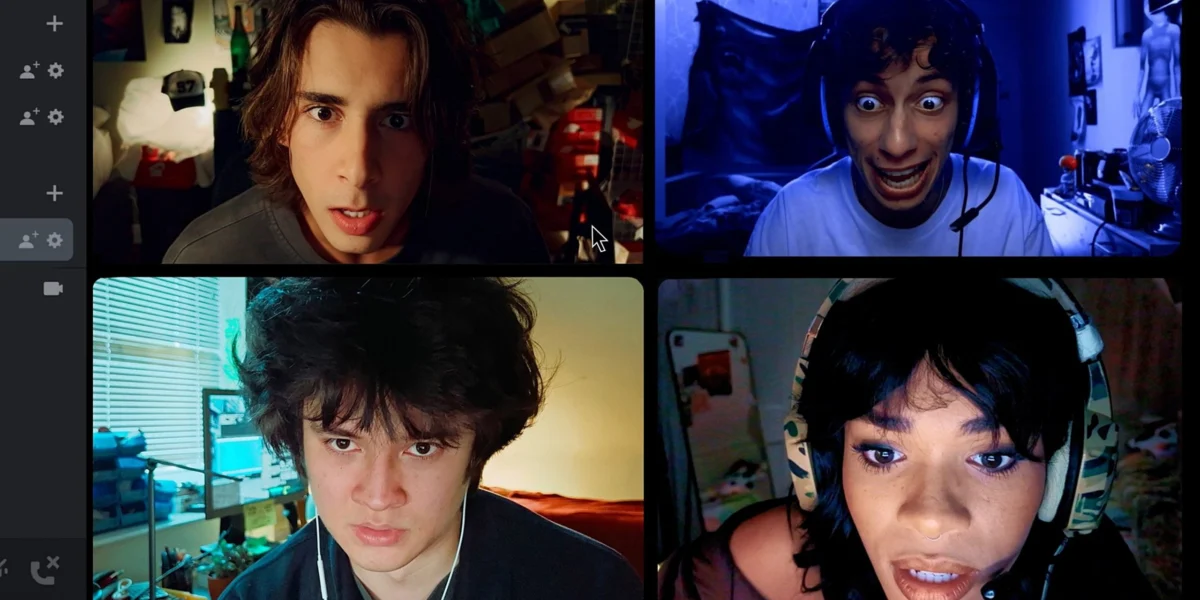
The screenlife genre, once a novel and immersive cinematic approach mirroring our increasingly digital existence, is experiencing a complex evolution. While films like the critically acclaimed 2018 thriller Searching demonstrated the potent storytelling capabilities of this subgenre, using device interfaces to draw audiences directly into the narrative, recent attempts have often struggled to recapture that magic. This has led to a period of introspection for screenlife cinema, with many questioning its long-term viability. However, director Ronan Corrigan’s latest offering, LifeHack, emerges as a surprisingly robust and inventive heist film for the digital age, effectively capturing both the allure and the inherent dangers of navigating life through a screen.
The Premise: A Digital Heist with Real-World Consequences
LifeHack centers on a quartet of close-knit friends – Kyle (Georgie Farmer), Alex (Yasmin Finney), Sid (Roman Hayeck-Green), and Petey (James Scholz) – whose lives are largely defined by their online interactions. These "chronically online" individuals, described as troubled outsiders, find their primary mode of engagement with the world through their computer setups. Their days are spent honing their hacking skills, engaging in online gaming battles, and communicating via Discord. This portrayal, while perhaps concerning to some, offers an accurate, if stark, depiction of modern friendships forged and maintained within the digital sphere.
Seeking an adrenaline rush and a potential solution to their financial woes, the group sets their sights on a far more ambitious target than their usual online scammer pranks. Their ultimate objective becomes Don Heard (Charlie Creed-Miles), a billionaire cryptocurrency magnate whose public persona, eerily reminiscent of tech titans like Elon Musk, masks a more sinister and ruthless ambition. The friends devise a plan to infiltrate Heard’s digital empire by targeting his daughter Lindsey’s social media presence, ultimately aiming to seize his substantial cryptocurrency holdings. What begins as a thrilling challenge for the group quickly unravels into a dangerous game, proving that even behind the anonymity of a screen, actions carry significant and far-reaching consequences.
Director Ronan Corrigan’s Vision and Co-Writer Hope Elliott Kemp’s Contribution
Ronan Corrigan, who also penned the screenplay alongside Hope Elliott Kemp, demonstrates a remarkable ability to maintain audience engagement. The film’s visual landscape is a constant flurry of activity, mirroring the frenetic nature of online life, yet Corrigan masterfully balances this visual density with a consistent narrative momentum. This pacing is crucial to the film’s success, particularly in a genre that can sometimes become bogged down by its own technical exposition.
The central performances are a cornerstone of LifeHack‘s effectiveness. Georgie Farmer, as the de facto protagonist Kyle, delivers a compelling performance that anchors the narrative. He skillfully navigates the character’s youthful recklessness and shortsightedness, making him an inherently sympathetic figure for the audience to root for. The chemistry between the four young actors – Farmer, Finney, Hayeck-Green, and Scholz – is palpable, creating a believable bond that makes their friendship a worthy investment for viewers. Their exchanges often capture the authentic, rapid-fire humor characteristic of Gen-Z online culture, juxtaposed with the escalating panic and heightened reactions as their ambitious plan spirals out of control.
The collaborative writing efforts of Corrigan and Kemp are evident in the film’s construction of a lived-in history between the friends. This depth of character development ensures that their motivations and relationships feel authentic, elevating LifeHack beyond a mere collection of digital capers. Furthermore, the duo successfully incorporates the essential elements of a classic heist film, weaving in unexpected twists and turns that feel like organic complications rather than forced plot devices. The narrative skillfully navigates the inherent "what can go wrong?" mindset that defines the heist genre, ensuring that every setback feels earned and every potential solution fraught with new challenges.
Thematic Resonance: Friendship, Technology, and the Blurred Lines of Reality
LifeHack delves into the complex interplay between technology and human connection. The film’s depiction of the protagonists’ lives, confined to dark rooms and illuminated by the glow of their screens, is a poignant commentary on the isolating potential of our increasingly digital world. While technology facilitates connection and community, it can also foster a sense of detachment from tangible reality and its inherent risks. The hackers’ initial motivation – to prank online scammers – reflects a youthful desire for agency and a form of digital vigilantism. However, their escalation to targeting a powerful and wealthy individual reveals a growing appetite for greater challenges and rewards, blurring the lines between harmless mischief and genuine criminal enterprise.
The film also explores the concept of digital identity and its relationship to real-world consequences. The hackers operate under the assumption that their actions, conducted from behind their screens, are largely consequence-free. However, Don Heard’s formidable influence and the volatile nature of cryptocurrency markets quickly shatter this illusion. The narrative serves as a cautionary tale, illustrating how digital footprints, even those seemingly erased, can lead to severe repercussions in the physical world. The film subtly probes the ethical considerations of hacking and the responsibility that comes with possessing advanced technical skills.
Genre Conventions and Limitations
While LifeHack excels in many areas, its adherence to certain genre conventions, particularly those of the heist film, can also be seen as a limiting factor. The characters’ motivations, while relatable to a degree, are at times presented as somewhat one-dimensional, driven primarily by financial gain and the thrill of the challenge. This simplicity, while contributing to the film’s brisk pace, prevents LifeHack from reaching the stratospheric heights of truly exceptional heist cinema. Similarly, within the screenlife subgenre, while LifeHack is a strong contender, it doesn’t entirely transcend the limitations inherent in its format, remaining a solid example rather than a groundbreaking paradigm shift.
However, Corrigan’s debut feature never overstays its welcome. The film maintains a relentless pace from its opening moments to its conclusion. The final act, while perhaps predictable to seasoned genre fans, delivers a satisfying resolution that feels earned. The editing, a collaborative effort between Aleksandr Kletsov and Ronan Corrigan, is particularly noteworthy, contributing significantly to the film’s propulsive energy. This technical prowess, coupled with a compelling narrative and strong performances, effectively demonstrates that the screenlife filmmaking style still possesses considerable potential, even if the novelty has begun to wane.
Background and Context of Cryptocurrency Scams
The film’s central conflict is rooted in the world of cryptocurrency, a digital asset class that has exploded in popularity and value over the past decade. While cryptocurrencies offer innovative financial possibilities, they have also become a fertile ground for scams, fraud, and illicit activities. The decentralized nature of many cryptocurrencies, coupled with the relative anonymity they can provide, makes them attractive targets for malicious actors.
Types of Cryptocurrency Scams:
- Phishing Scams: Scammers create fake websites or emails that mimic legitimate cryptocurrency exchanges or wallets to trick users into revealing their login credentials or private keys.
- Ponzi and Pyramid Schemes: These fraudulent investment schemes promise high returns with little risk, paying off early investors with the money from later investors, until the scheme inevitably collapses.
- Rug Pulls: Developers of new cryptocurrency tokens or projects abruptly abandon the project, taking investors’ money with them.
- Impersonation Scams: Scammers impersonate celebrities, influencers, or company representatives on social media to solicit cryptocurrency donations or investments.
- Malware and Ransomware: Malicious software can be used to steal cryptocurrency from digital wallets or to encrypt a victim’s data and demand a ransom in cryptocurrency.
The global cryptocurrency market capitalization has fluctuated wildly, reaching trillions of dollars at its peak. This immense financial landscape makes it a tempting target for both legitimate investors and sophisticated criminals. Regulatory oversight of the cryptocurrency space is still evolving, creating a complex environment where both opportunities and risks are amplified. The ease with which individuals can engage in cryptocurrency transactions, often with limited financial literacy, makes them particularly vulnerable to these scams. The FBI’s Internet Crime Complaint Center (IC3) has consistently reported significant losses due to cryptocurrency-related fraud, highlighting the pervasive nature of these issues. For instance, in their 2022 report, the IC3 received over 4,000 complaints related to cryptocurrency fraud, with reported losses exceeding $2.57 billion.
The Billionaire’s Persona and Digital Influence
The character of Don Heard, the billionaire antagonist, draws parallels with real-world figures who wield significant influence through their technological ventures and public pronouncements. These individuals often cultivate a persona of innovation and disruption, captivating a global audience. However, as LifeHack suggests, this public image can sometimes mask less savory business practices or a ruthless pursuit of wealth. The film’s portrayal of Heard’s online persona, eerily similar to Elon Musk, taps into the public’s fascination and scrutiny of such high-profile tech leaders. Musk, in particular, has faced criticism for his often-unpredictable market-moving tweets regarding cryptocurrencies like Dogecoin and Bitcoin, underscoring the real-world impact of influential figures in the digital finance space. The ability of such individuals to sway markets and public opinion through their digital platforms highlights the power dynamics at play in the contemporary technological landscape.
The "Screenlife" Genre: A Brief History and Evolution
The screenlife subgenre, characterized by films told entirely through computer screens, smartphone interfaces, and other digital media, gained significant traction with the success of Unfriended (2014) and Searching (2018). These films leveraged the ubiquity of digital devices to create a sense of immediate immersion and intimacy with the characters and their predicaments.
- Early Innovations: Early screenlife films often focused on horror or thriller narratives, utilizing the jump scares and suspense inherent in the format. The visual language of chat windows, video calls, and file transfers became integral to storytelling.
- The Rise of Searching: Searching marked a critical turning point, demonstrating that the screenlife format could be employed for more complex narratives, including compelling mysteries and character-driven dramas. Its success validated the genre’s potential beyond its initial horror-centric roots.
- Challenges and Saturation: As the genre gained popularity, an influx of similar films emerged, leading to concerns about saturation and a decline in originality. Films like Unfriended: Dark Web (2018) and the more recent War of the Worlds adaptation attempted to build on the format’s success, with varying degrees of critical and commercial reception.
- The Future of Screenlife: LifeHack‘s success suggests that the genre can still offer fresh perspectives when approached with strong storytelling and innovative direction. The key lies in moving beyond mere novelty and using the screenlife format to enhance the narrative, rather than simply serving as a gimmick. The potential for exploring themes of digital identity, online crime, and the evolving nature of human connection remains fertile ground for this cinematic style.
Potential Implications and Broader Impact
LifeHack‘s narrative raises several important questions regarding the intersection of technology, crime, and societal values. The film’s exploration of cryptocurrency scams highlights the need for greater digital literacy and consumer protection in the rapidly expanding digital finance sector. As more individuals engage with cryptocurrencies, understanding the inherent risks and recognizing fraudulent schemes becomes paramount.
Furthermore, the film’s portrayal of young hackers, while fictionalized, touches upon the broader societal discussion surrounding cybercrime and the ethical use of hacking skills. While the protagonists’ intentions in LifeHack are presented as initially misguided rather than purely malicious, the film underscores the potential for digital prowess to be exploited for criminal gain. This could prompt discussions about cybersecurity education, the development of responsible technology use, and the legal frameworks necessary to address cybercrime in an increasingly interconnected world.
The success of LifeHack in revitalizing the screenlife genre, even temporarily, suggests that audiences are receptive to innovative storytelling methods. It reinforces the idea that compelling narratives, coupled with skillful execution, can breathe new life into established cinematic approaches. The film’s ability to blend the thrills of a heist with the contemporary relevance of digital life positions it as a noteworthy entry in the evolving landscape of modern cinema.
Official Statements and Reactions (Inferred)
While specific official statements regarding LifeHack are not publicly available, the film’s premise and themes would likely elicit varied reactions from different stakeholders:
- Cryptocurrency Industry: Representatives from the legitimate cryptocurrency industry might view the film with cautious optimism, hoping it raises awareness about the dangers of scams and encourages responsible investing, while also expressing concern about any portrayal that could unfairly tarnish the reputation of legitimate blockchain technologies.
- Law Enforcement and Cybersecurity Agencies: These entities would likely see the film as a dramatization of real-world threats, potentially reinforcing the importance of their work in combating cybercrime and educating the public about online safety.
- Filmmakers and Critics: The film’s success within the screenlife genre would likely be met with critical analysis regarding its narrative effectiveness, technical execution, and thematic resonance. Its ability to revive interest in the subgenre would be a key point of discussion.
- Parents and Educators: The film’s depiction of young people deeply immersed in online activities might prompt discussions about parental guidance, digital citizenship, and the importance of balancing online and offline life.
The film’s 97-minute running time suggests a tightly plotted narrative, designed to maintain audience engagement without overstaying its welcome, a common hallmark of successful heist films. The inclusion of a trailer further solidifies its release and marketing strategy, indicating a deliberate effort to capture the attention of audiences interested in digital thrillers.
In conclusion, LifeHack emerges as a compelling and relevant cinematic offering that successfully navigates the complexities of the screenlife genre and the contemporary world of digital finance. By grounding its narrative in relatable characters and exploring timely themes, Ronan Corrigan and Hope Elliott Kemp have crafted a film that is both entertaining and thought-provoking, proving that even in an era of digital saturation, compelling stories can still be found, and told, through the lens of our screens.